v2.webp)
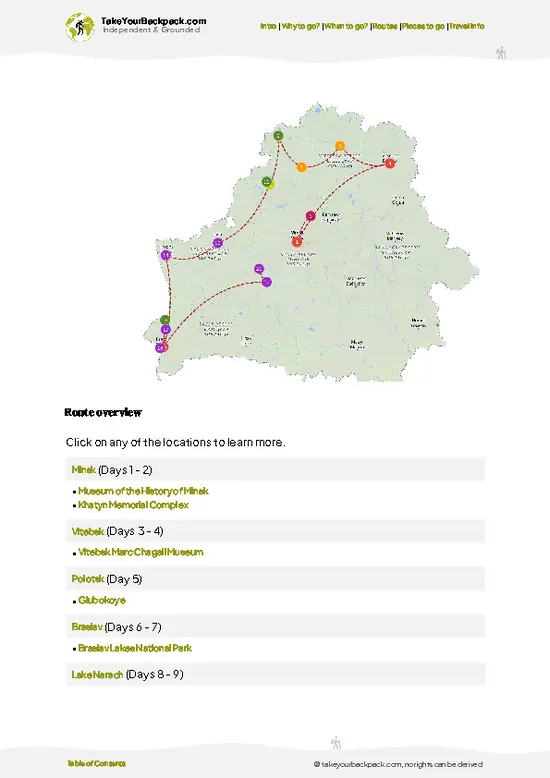
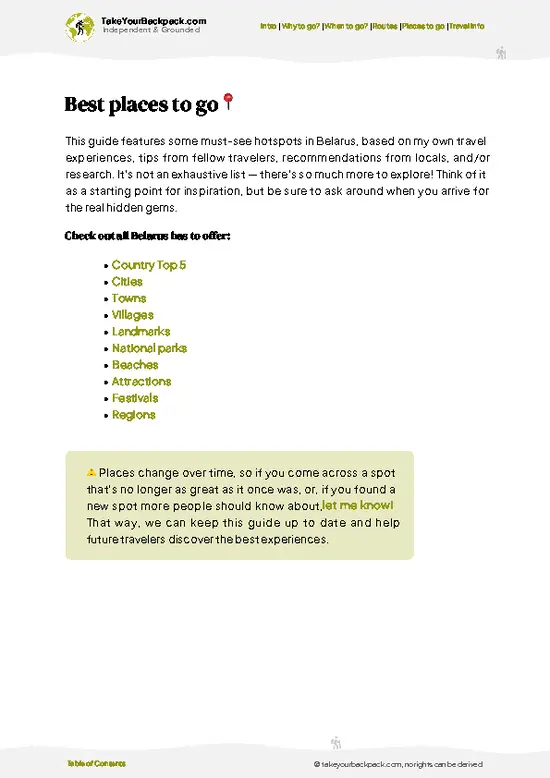
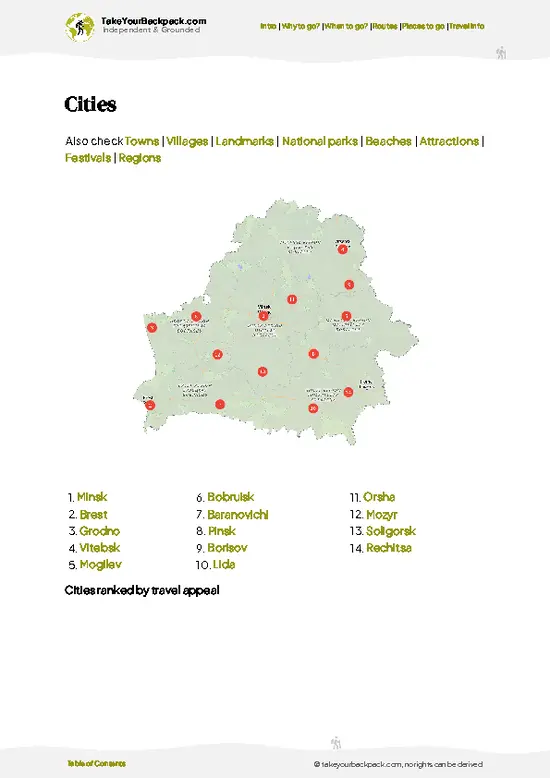
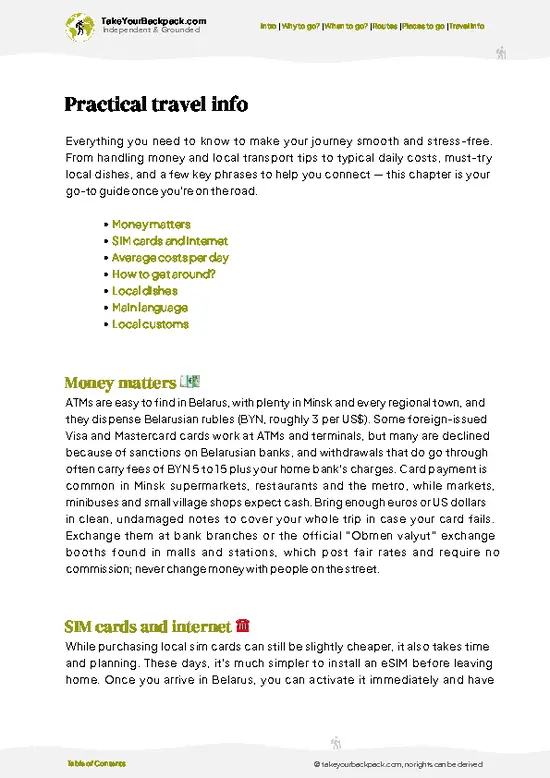
- Belarusian State Museum of Folk Architecture and Rural Life (Strochitsy open-air museum) — The heart of the village: dozens of relocated wooden houses, farm buildings and manors arranged like a living map of rural Belarus. Walk it to get an instant, tangible sense of how people lived, worked and celebrated here over the last two centuries.
- Relocated wooden churches — Authentic timber churches moved to the site from surrounding regions. They’re beautifully preserved examples of local carpentry, with carved iconostases and quiet interiors that show a very different side of Belarusian religious life than the big city cathedrals.
- Traditional peasant houses and interiors — Step inside thatched-roof cottages and peasant parlors furnished with real household items. Small details — a stove used
- Belarusian State Museum of Folk Architecture and Rural Life (Strochitsy open-air museum) — The heart of the village: dozens of relocated wooden houses, farm buildings and manors arranged like a living map of rural Belarus. Walk it to get an instant, tangible sense of how people lived, worked and celebrated here over the last two centuries.
- Relocated wooden churches — Authentic timber churches moved to the site from surrounding regions. They’re beautifully preserved examples of local carpentry, with carved iconostases and quiet interiors that show a very different side of Belarusian religious life than the big city cathedrals.
- Traditional peasant houses and interiors — Step inside thatched-roof cottages and peasant parlors furnished with real household items. Small details — a stove used for cooking and sleeping, embroidered textiles, children’s toys — make history feel lived-in.
- Windmill and historic mills — A working-style windmill and water-mill reconstructions are fun to explore: they illustrate local grain-processing technology and make for great photos with moving sails or millstones.
- Manor house and estate grounds — An example of a small noble estate with outbuildings and a park, showing the social contrast between peasant life and local gentry. The architecture and grounds are worth a slow wander.
- Craft workshops (smithy, pottery, weaving) — Craftspeople often do demonstrations: blacksmithing sparks, wheel-thrown pottery, and loom weaving. You can watch techniques that were common here for generations — sometimes try them yourself.
- Ethnographic trails, ponds and rural landscape — The site isn’t just buildings; there are quiet paths, ponds, and meadows that give a real sense of Belarusian countryside within easy reach of Minsk. Bring shoes for muddy stretches and a picnic.
- Living farmyards and animals — Small flocks, pigs, geese and heritage breeds are kept in authentic-style yards. It’s low-key, not a zoo — more a reminder of how central animals were to village economy and daily life.
- Seasonal folk festivals and open-air performances — If your timing’s right you’ll catch Kupalle, harvest festivals or folk-music events with traditional costumes, dancing and food. These are where the museum really feels alive and local.
- Hands-on programs and costume experiences — The museum runs workshops for bread-baking, folk crafts and sometimes lets you try traditional clothing for photos. Practical, tactile ways to remember the visit beyond just looking.
Spotted a mistake or missing something? Contact us.

 Best Backpacking
.jpg) Hi, I’m Johan (Netherlands 🇳🇱), the creator of TakeYourBackpack. Over the past 3 decades, I’ve backpacked through 90+ countries across six continents, gaining extensive experience with independent travel, long-term trips, and overland routes.
Hi, I’m Johan (Netherlands 🇳🇱), the creator of TakeYourBackpack. Over the past 3 decades, I’ve backpacked through 90+ countries across six continents, gaining extensive experience with independent travel, long-term trips, and overland routes.