v2.webp)





- Orsha Local History Museum — The best starting point to understand Orsha’s story: local archaeology, city archives, folk costumes and exhibits that trace Orsha from medieval times through Soviet industrial growth.
- Jesuit Collegium / Church of the Assumption — A compact Baroque landmark in the old town; the former Jesuit complex shows how Orsha was a regional religious and educational center and still impresses with its architecture and interior details.
- Castle Hill (Zamkova Gora) and medieval site — The raised earthworks and visible remnants where Orsha’s medieval defenses once stood; good for a short walk, local history perspective and city views that connect you to the town’s medieval past.
- Orsha Railway Station and historic rail junction area — One of Belarus’s important rail hubs;
- Orsha Local History Museum — The best starting point to understand Orsha’s story: local archaeology, city archives, folk costumes and exhibits that trace Orsha from medieval times through Soviet industrial growth.
- Jesuit Collegium / Church of the Assumption — A compact Baroque landmark in the old town; the former Jesuit complex shows how Orsha was a regional religious and educational center and still impresses with its architecture and interior details.
- Castle Hill (Zamkova Gora) and medieval site — The raised earthworks and visible remnants where Orsha’s medieval defenses once stood; good for a short walk, local history perspective and city views that connect you to the town’s medieval past.
- Orsha Railway Station and historic rail junction area — One of Belarus’s important rail hubs; walking around the station gives a feel for the city’s industrial role and you’ll often see preserved locomotives and period railway architecture.
- Victory Memorial / WWII memorial complex — The main local monument commemorating wartime sacrifice; meaningful for understanding 20th-century Orsha and a common gathering place for memorial days and city remembrance.
- St. Nicholas (Nikolsky) Church — A well-loved Orthodox church in Orsha with recognizable domes and a lively parish life; good to visit for architecture and to observe local religious traditions in action.
- Orsha Art Gallery / City exhibition halls — Small, locally focused art shows and rotating exhibitions that highlight regional painters, folk art and community cultural projects — a low-cost way to connect with Orsha’s contemporary creative scene.
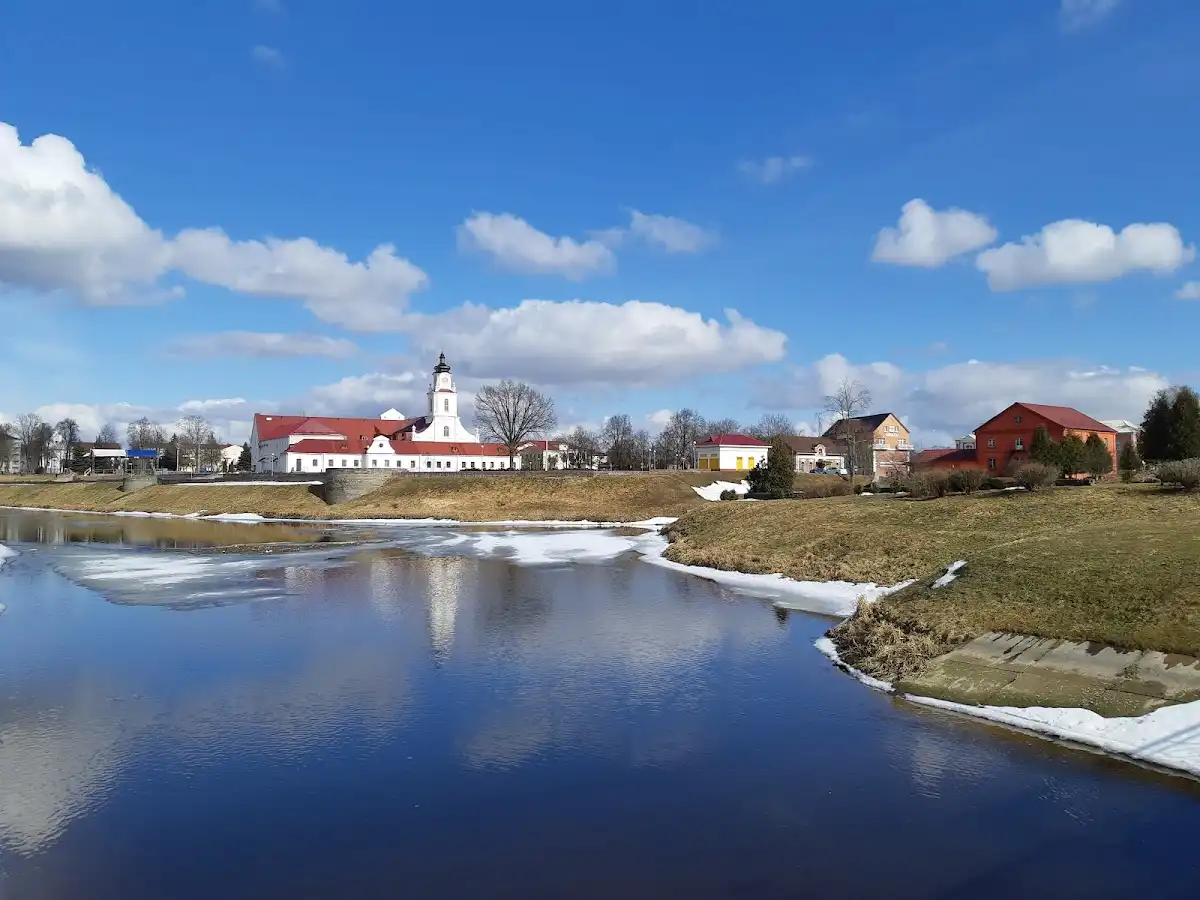
- Riverside promenades on the Dnieper/Orshitsa — Walkable riverbanks and small parks where locals gather; scenic for a relaxed stroll, people-watching and seeing the town from the water’s edge.
- City market (central bazaar) — Bustling everyday life: fresh produce, local cheese, baked goods and handicrafts. The market is where you’ll meet locals and sample regional flavors without spending much.
- Soviet industrial heritage sites (visible from public streets) — Rounded out the Orsha experience: factory façades, old Soviet signage and industrial landscapes that tell the story of the town’s 20th-century development — best appreciated on a short urban walk or photo stroll.
Spotted a mistake or missing something? Contact us.
 Best Backpacking
.jpg) Hi, I’m Johan (Netherlands 🇳🇱), the creator of TakeYourBackpack. Over the past 3 decades, I’ve backpacked through 90+ countries across six continents, gaining extensive experience with independent travel, long-term trips, and overland routes.
Hi, I’m Johan (Netherlands 🇳🇱), the creator of TakeYourBackpack. Over the past 3 decades, I’ve backpacked through 90+ countries across six continents, gaining extensive experience with independent travel, long-term trips, and overland routes.