


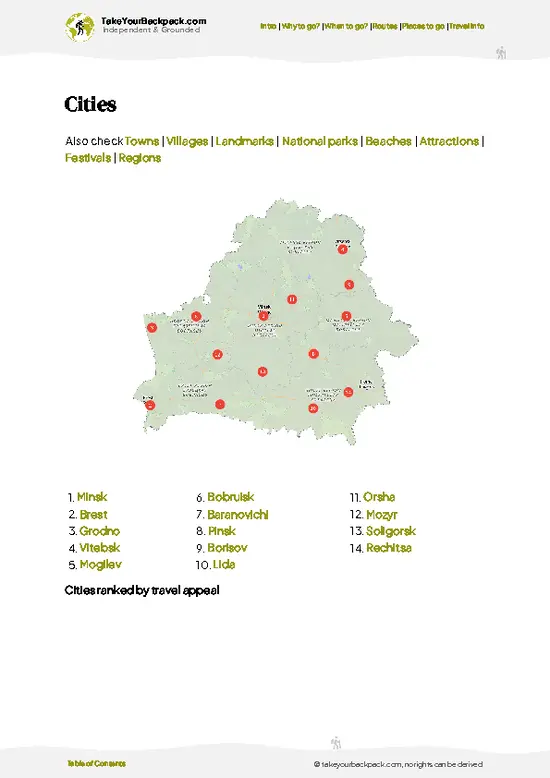
The House Where Chagall Grew Up
Forget the sterile, over-lit galleries you find in big cities. This is the real deal: Marc Chagall’s childhood home, preserved with a kind of stubborn honesty that feels almost rebellious in the age of curated museum experiences. The creaky wooden floors, the chipped stove, the cramped rooms—this is where Chagall’s wild, color-soaked imagination was first set loose. You’re not just looking at artifacts; you’re walking through the bones of his early life. It’s intimate, a little rough around the edges, and all the more powerful for it.
Original Family Artifacts
You’ll see more than just dusty photos and plaques. The museum holds a handful of Chagall family belongings—his father’s prayer shawl, kitchen utensils, and battered furniture. These aren’t glamorous, … read more 👉
The House Where Chagall Grew Up
Forget the sterile, over-lit galleries you find in big cities. This is the real deal: Marc Chagall’s childhood home, preserved with a kind of stubborn honesty that feels almost rebellious in the age of curated museum experiences. The creaky wooden floors, the chipped stove, the cramped rooms—this is where Chagall’s wild, color-soaked imagination was first set loose. You’re not just looking at artifacts; you’re walking through the bones of his early life. It’s intimate, a little rough around the edges, and all the more powerful for it.
Original Family Artifacts
You’ll see more than just dusty photos and plaques. The museum holds a handful of Chagall family belongings—his father’s prayer shawl, kitchen utensils, and battered furniture. These aren’t glamorous, but they’re loaded with the kind of emotional weight that no Instagram filter can fake. You start to understand how a boy from a poor Jewish family in Vitebsk could dream up flying lovers and floating fiddlers.
Chagall’s Early Sketches and Reproductions
Don’t expect a blockbuster lineup of original masterpieces—most of Chagall’s famous works are scattered across the world. But what you do get here is a raw, unvarnished look at his beginnings. The museum displays early sketches, letters, and high-quality reproductions of his major works. It’s not about seeing the most expensive painting; it’s about tracing the DNA of his style, seeing the seeds of surrealism and folklore before they went global.
Vitebsk’s Jewish Quarter Atmosphere
The museum is planted right in the heart of what was once Vitebsk’s Jewish quarter. Step outside and you’re not in a sanitized tourist zone—you’re in a real neighborhood, with the ghosts of history still lingering. The area’s faded facades, narrow lanes, and the nearby synagogue site give you a sense of the world Chagall painted, minus the crowds elbowing for selfies.
Personal Letters and Family Photos
This is where the museum quietly outshines bigger institutions. The collection of personal letters—some between Chagall and his family, others with friends—pulls you straight into his inner world. The faded family photos are heartbreakingly ordinary, and that’s the point. You see the man behind the myth, the son who left but never really escaped Vitebsk.
Seasonal Exhibitions and Local Art
If you time it right, you’ll catch small, rotating exhibitions featuring Belarusian artists or Chagall-inspired works. These aren’t blockbuster shows, but they’re earnest, sometimes quirky, and always rooted in the local art scene. It’s a reminder that Vitebsk isn’t just Chagall’s past—it’s still a living, breathing creative hub, if you know where to look.
Spotted a mistake or missing something? Contact us.

 Best Backpacking
 Hi, I’m Johan (Netherlands 🇳🇱), the creator of TakeYourBackpack. Over the past 3 decades, I’ve backpacked through 90+ countries across six continents, gaining extensive experience with independent travel, long-term trips, and overland routes.