
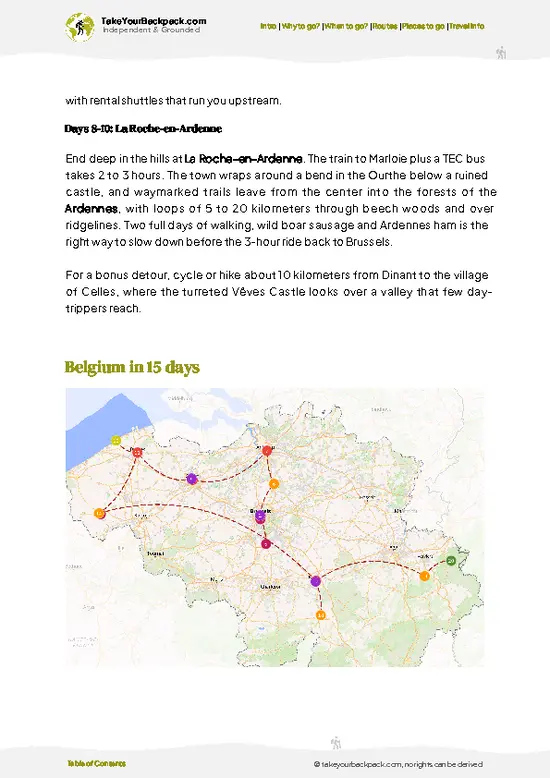
The Empire of Light Series
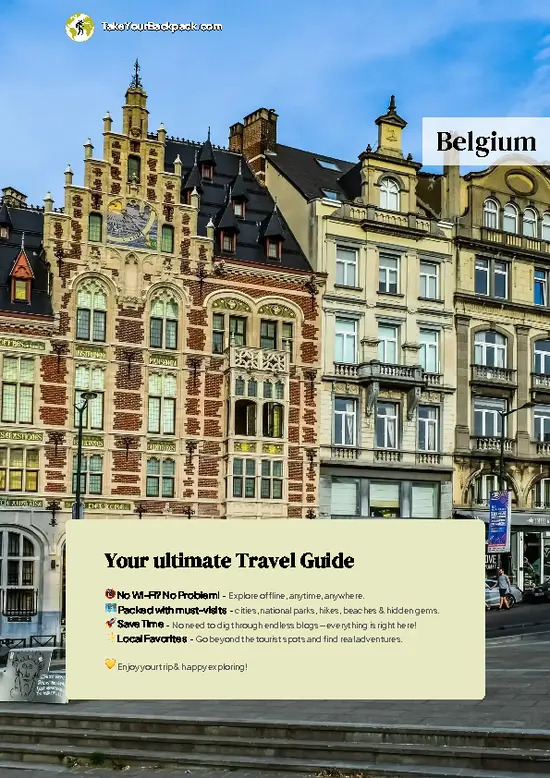
Let’s cut through the fog: yes, you’ll see crowds angling for a selfie in front of these paintings. But here’s the real deal—standing in front of Magritte’s “Empire of Light” series is like being hit with a philosophical sucker punch. Day and night in the same frame, familiar streets made uncanny. These aren’t just pretty pictures; they’re a mind game, and you’re the pawn. The museum’s collection includes several versions, so you can see how Magritte obsessed over this idea. Don’t just snap a photo—stand there and let your brain short-circuit for a minute. That’s the magic.
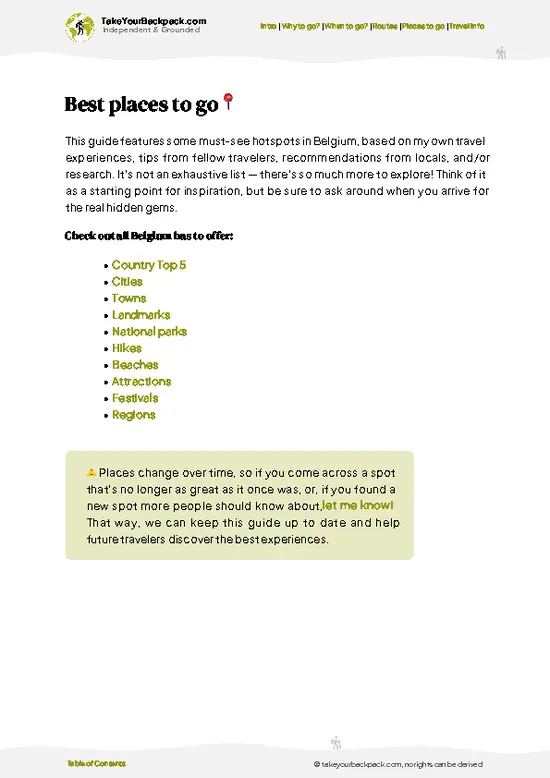
The Personal Artifacts Room
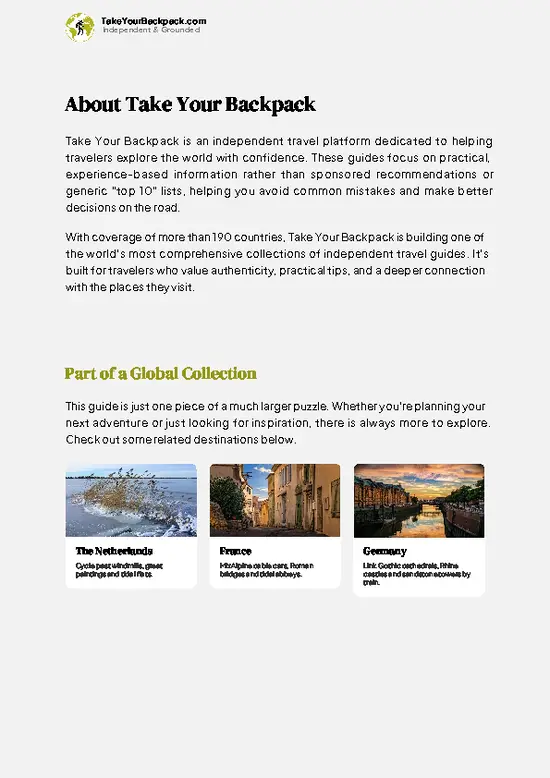
Skip the Instagrammers and duck into the quieter corners where Magritte’s bowler hats, pipes, and handwritten letters live. This isn’t a dusty relic display—it’s a … read more 👉
The Empire of Light Series
Let’s cut through the fog: yes, you’ll see crowds angling for a selfie in front of these paintings. But here’s the real deal—standing in front of Magritte’s “Empire of Light” series is like being hit with a philosophical sucker punch. Day and night in the same frame, familiar streets made uncanny. These aren’t just pretty pictures; they’re a mind game, and you’re the pawn. The museum’s collection includes several versions, so you can see how Magritte obsessed over this idea. Don’t just snap a photo—stand there and let your brain short-circuit for a minute. That’s the magic.
The Personal Artifacts Room
Skip the Instagrammers and duck into the quieter corners where Magritte’s bowler hats, pipes, and handwritten letters live. This isn’t a dusty relic display—it’s a backstage pass to the man behind the myth. You’ll see the pipe that inspired “This is not a pipe,” and suddenly the whole joke lands with a thud: Magritte was poking fun at all of us. It’s intimate, a little weird, and far more revealing than any wall text. If you want to understand the artist, not just the art, this is where you linger.
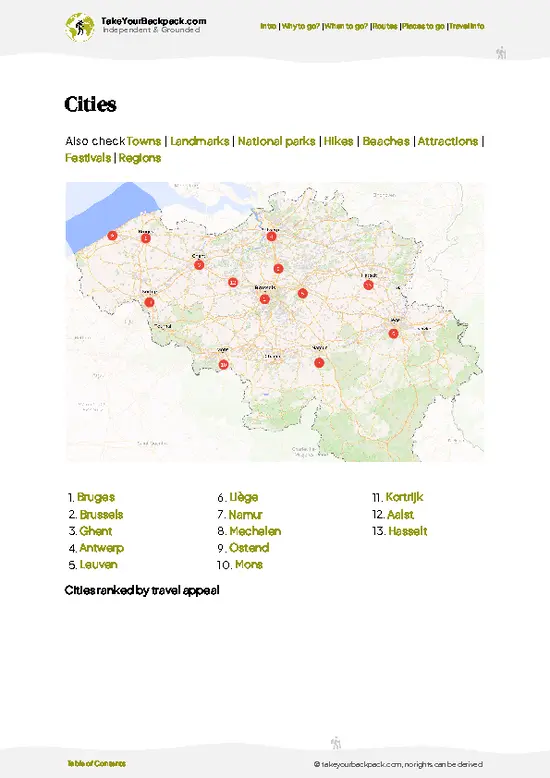
The Surrealist Manifestos and Letters
Most people breeze past the glass cases stuffed with yellowed papers. Rookie mistake. Magritte’s correspondence with André Breton and other Surrealists is the raw, unfiltered stuff—full of snark, wit, and the kind of artistic brawling that makes you realize Surrealism wasn’t just a style, it was a fight. Read a few lines and you’ll get why Magritte was both an insider and an outsider. It’s the intellectual engine room of the museum.
The “Ceci n’est pas une pipe” (The Treachery of Images)
Yes, it’s the museum’s poster child. Yes, you’ll have to elbow your way through a scrum of tourists. But here’s the truth: seeing this painting in person is a rite of passage for anyone who cares about art, language, or the absurdity of taking things at face value. The brushwork is almost clinical, the message is pure chaos. It’s not just a painting—it’s a dare. If you only have ten minutes, make them count here. (Personal favorite—every time, it gets me.)
The Top-Floor Studio Recreation
Most people miss this, which is a crime. The museum has reconstructed Magritte’s actual studio, right down to the battered easel and the clutter of paint tubes. It’s not glamorous. It’s not staged for Instagram. But it’s the closest you’ll get to standing in the artist’s shoes. You’ll walk away realizing that genius doesn’t need a cathedral—it needs a cramped room, a stubborn vision, and a sense of humor about the absurdity of it all.
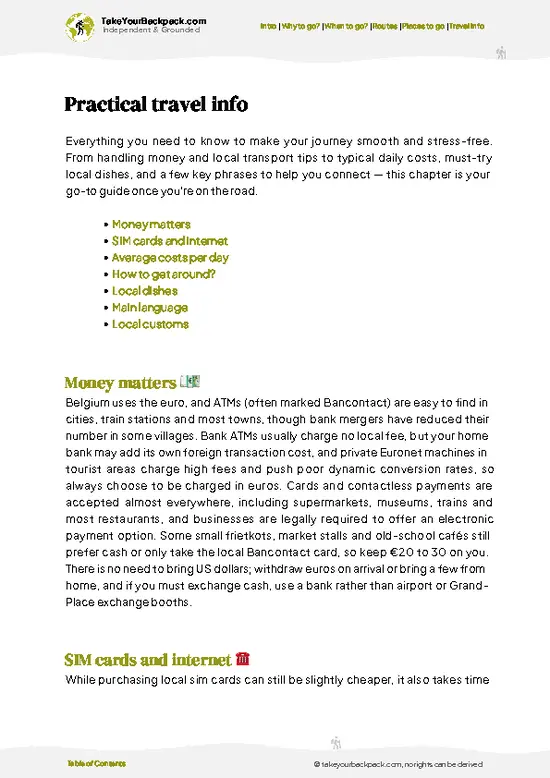
The Brussels Context
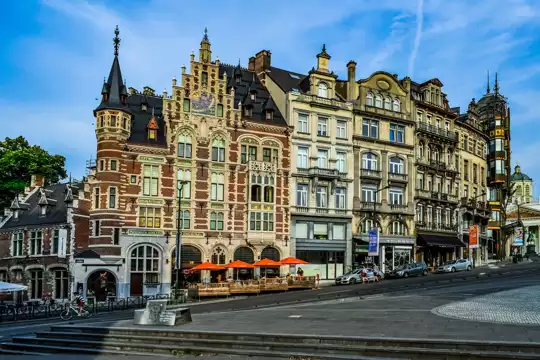
Here’s what the travel blogs won’t tell you: Magritte’s art is inseparable from Brussels. The museum leans into this, with windows overlooking the city and exhibits that tie his work to the Belgian psyche—equal parts surreal, bureaucratic, and quietly rebellious. You’ll leave with a sense that Magritte wasn’t just painting dreams; he was painting the weird, wonderful reality of his own backyard. That’s the real souvenir.
Spotted a mistake or missing something? Contact us.

European Quarter Comedy Tour

Navigate through Brussels and Discover Beer and Chocolate

Prescription for Beer Lovers: Private Tasting with Doctor Beer

Brussels: micro brewery & distillery tour + beer tasting

Explore Brussels by foot with François

Brussels Private Family Tour: Highlights, Tasting and Museum

Brussels Highlights and Secrets: Private Tour with Beer Stop

Discovery of the La Senne Brewery

The Battle of The Bulge tour


 Best Backpacking
 Hi, I’m Johan (Netherlands 🇳🇱), the creator of TakeYourBackpack. Over the past 3 decades, I’ve backpacked through 90+ countries across six continents, gaining extensive experience with independent travel, long-term trips, and overland routes.