×

Belize🇧🇿 | townsCaye CaulkerCar-free island, The Split, reef tours, sunset rum punch | things to do and best time to go

Explore Belize CityExplore Corozal Town

Backpacking in Caye Caulker
By Johan Kruseman 🇳🇱 | Updated October 22, 2026

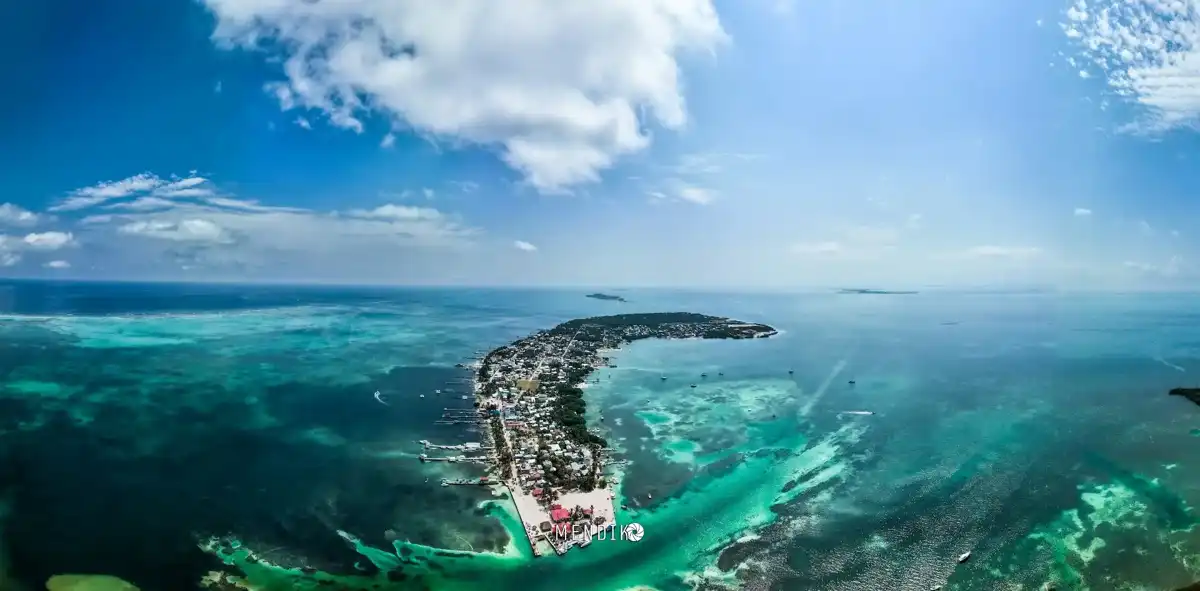
Caye Caulker suits slow travelers, snorkelers and solo backpackers who want a place where everyone ends up at the same three bars by Thursday. If you need a real beach, nightlife with a dress code or sights on land, you may find it thin. It sits in the north of Belize, a small sand-streeted island on the Belize Barrier Reef, reached by a short water taxi from Belize City. The island has no cars, only bikes, golf carts and flip-flops, so walk or rent a bike rather than a cart. The Split, a channel cut by a hurricane, is the social center, but the swimming there is better in the morning before the music starts. Smart travelers book reef tours at the dock-side shops the afternoon before, since operators compare prices and a night’s sleep helps. The air smells of grilled lobster, coconut and diesel. A first day could mean a late breakfast of fry jacks, a bike loop north, then sunset rum punch on the Split deck.

Discover everything you want to know in the 📖 Belize Travel Guide.


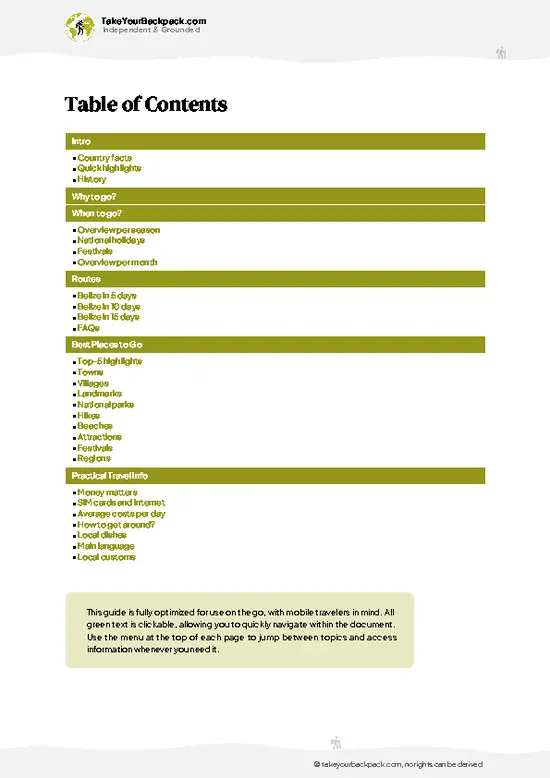
example page 0 from our offline Travel Guide for Belize
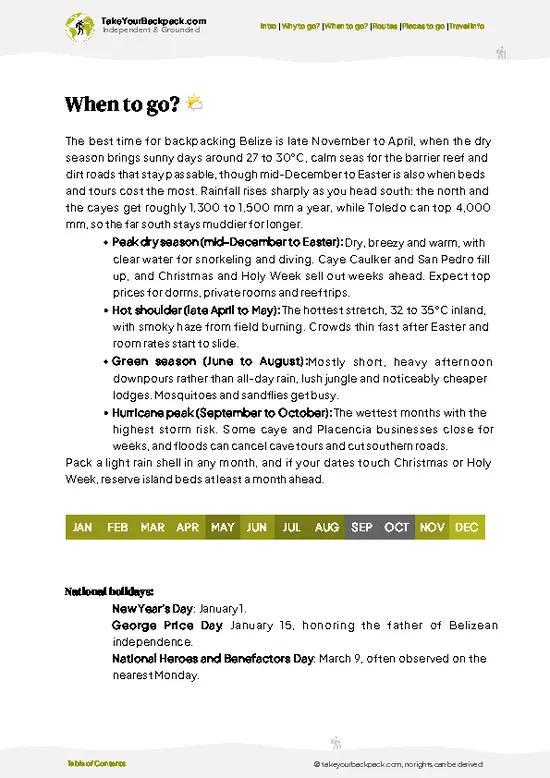
example page 1 from our offline Travel Guide for Belize
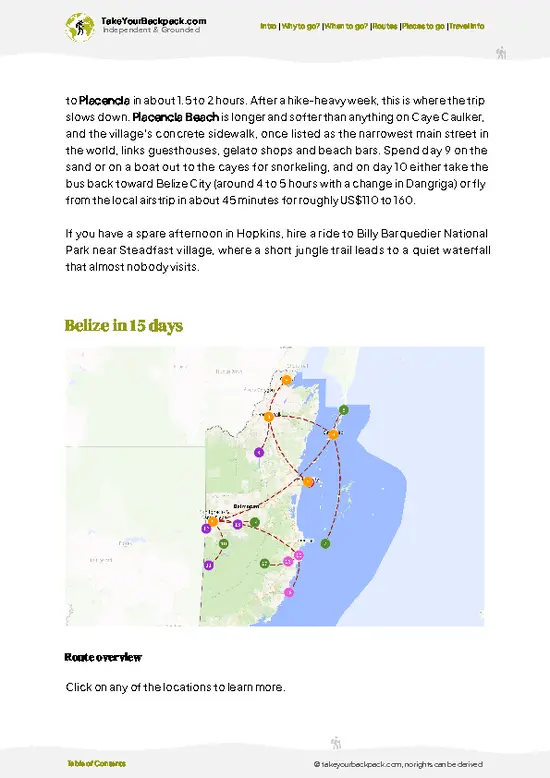
example page 2 from our offline Travel Guide for Belize
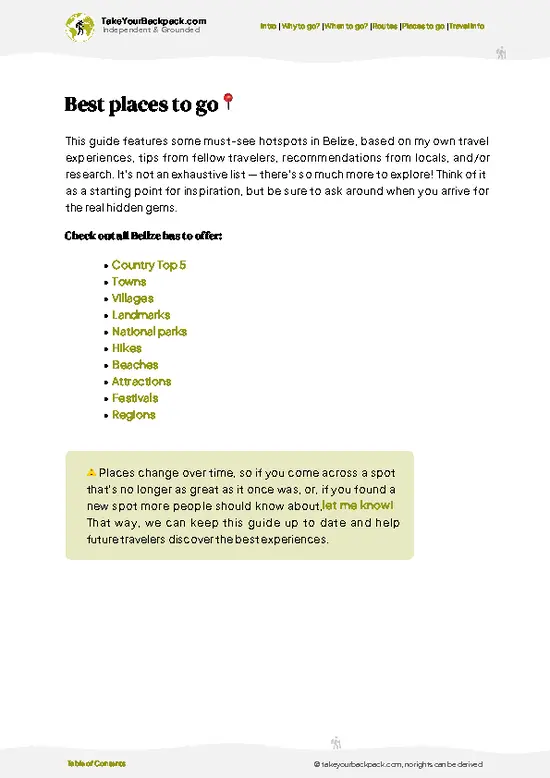
example page 3 from our offline Travel Guide for Belize
example page 4 from our offline Travel Guide for Belize
example page 5 from our offline Travel Guide for Belize
example page 6 from our offline Travel Guide for Belize
example page 7 from our offline Travel Guide for Belize
Loading the map 🌍
CLICK TO FILTER
towns
villages
landmarks
national parks
hikes
beaches
attractions
festivals
regions
SHOW COUNTRY’S BESTSHOW ALL

✨ Why go?
Ranked #1 town in Belize
What sets this place apart

Caye Caulker earns its place on a route because the reef is a few minutes offshore and the island is small enough to cross in ten minutes on foot. Most travelers stay three to four nights, long enough for a snorkel trip to Hol Chan and Shark Ray Alley, plus a day of doing nothing in a hammock. The draw is the Split, where backpackers drift between swimming, drinking and trading onward plans, so meeting people takes no effort. Guesthouses and small hostels line the sandy streets, and street food carts sell grilled fish and lobster plates when the season is on, which keeps eating affordable. Solo travelers fit in fast, and small groups can split boat tours easily. Divers and snorkelers get the most out of it. Hikers and culture seekers will get restless after two days, and anyone wanting wide … read more 👉
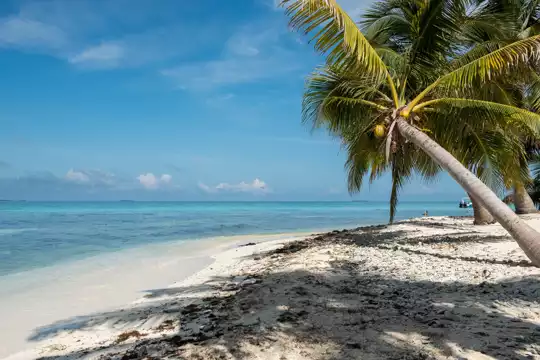
Caye Caulker earns its place on a route because the reef is a few minutes offshore and the island is small enough to cross in ten minutes on foot. Most travelers stay three to four nights, long enough for a snorkel trip to Hol Chan and Shark Ray Alley, plus a day of doing nothing in a hammock. The draw is the Split, where backpackers drift between swimming, drinking and trading onward plans, so meeting people takes no effort. Guesthouses and small hostels line the sandy streets, and street food carts sell grilled fish and lobster plates when the season is on, which keeps eating affordable. Solo travelers fit in fast, and small groups can split boat tours easily. Divers and snorkelers get the most out of it. Hikers and culture seekers will get restless after two days, and anyone wanting wide swimming beaches should adjust expectations, since the shoreline is mostly docks and seagrass. As a pause between jungle and cayes, it works well, and it is the cheaper, quieter neighbor of Ambergris Caye.

💡 HighlightsKey sights and experiences for travelers

  1. The Split: A narrow channel that cuts the island in two, with a deck bar, a swimming area and a current strong enough to float you along. Go in the morning for calmer water and fewer drinkers, or late afternoon for the crowd. Free to enter, and 1 to 3 hours disappears easily.
  2. Hol Chan Marine Reserve and Shark Ray Alley: The classic reef tour, with nurse sharks and stingrays circling your legs in shallow water. Boats leave in the morning from the main dock. Expect roughly US$75 to 100 plus a reserve fee of about US$15, for 4 to 5 hours.
  3. Caye Caulker Marine Reserve snorkeling: Closer to home, the northern reserve waters have seagrass beds where manatees and turtles sometimes appear. Half-day trips cost about US$45 to 70 and run 3 to 4 hours, best in calm morning conditions.
  4. Sunset at the Lazy Lizard:
… read more 👉
  1. The Split: A narrow channel that cuts the island in two, with a deck bar, a swimming area and a current strong enough to float you along. Go in the morning for calmer water and fewer drinkers, or late afternoon for the crowd. Free to enter, and 1 to 3 hours disappears easily.
  2. Hol Chan Marine Reserve and Shark Ray Alley: The classic reef tour, with nurse sharks and stingrays circling your legs in shallow water. Boats leave in the morning from the main dock. Expect roughly US$75 to 100 plus a reserve fee of about US$15, for 4 to 5 hours.
  3. Caye Caulker Marine Reserve snorkeling: Closer to home, the northern reserve waters have seagrass beds where manatees and turtles sometimes appear. Half-day trips cost about US$45 to 70 and run 3 to 4 hours, best in calm morning conditions.
  4. Sunset at the Lazy Lizard: The deck at the north end of the Split is where the island gathers for the evening light. Arrive an hour before dusk for a good seat. Entry is free, a rum punch costs around US$5 to 8, and 1 to 2 hours is plenty.
  5. Caye Caulker Forest and Wildlife Reserve: A mangrove-edged reserve at the island’s north end with birds, crabs and a boardwalk, quiet and cheap compared with the water trips. Go early to avoid mosquitoes. Allow 1 to 2 hours, with a small donation or entry fee of about US$5 to 10.
From the island, day trips reach Goff’s Caye, Lighthouse Reef’s Blue Hole by air or long boat tour, and the Mayan ruins at Altun Ha near Belize City. Pair the Split in the early morning with the sunset deck at the Lazy Lizard for an easy day without any tour.
Spotted a mistake or missing something? Contact us.

Things to do around Caye Caulker

Ratings based on Tripadvisor reviews. When you book through this link, you support our work at no extra cost to you.

🏘️ NeighborhoodsKey areas and districts to know

Caye Caulker is a sliver of sand about 8 km (5 miles) long, and the whole life of the place sits in the bottom mile, so you can see everything on foot or by rented bike in an afternoon.
  • The Front Street strip: Sand streets run behind the dock, with golf carts whirring and reggae drifting from open doorways. Charcoal smoke from grills rises by late afternoon, and lobster, fry jacks and rum punch are sold by the lane. Walk it; carts are for people with luggage. The sand is soft, so flip-flops beat shoes.
  • The Split: The channel cut by a hurricane at the north end of the village. Boards creak over water the color of sea glass, and the swimming platform is loud with music from the bar beside it. It is busiest from noon until sunset, because day-trippers and snorkel boats pile in. Go at breakfast
… read more 👉
Caye Caulker is a sliver of sand about 8 km (5 miles) long, and the whole life of the place sits in the bottom mile, so you can see everything on foot or by rented bike in an afternoon.
  • The Front Street strip: Sand streets run behind the dock, with golf carts whirring and reggae drifting from open doorways. Charcoal smoke from grills rises by late afternoon, and lobster, fry jacks and rum punch are sold by the lane. Walk it; carts are for people with luggage. The sand is soft, so flip-flops beat shoes.
  • The Split: The channel cut by a hurricane at the north end of the village. Boards creak over water the color of sea glass, and the swimming platform is loud with music from the bar beside it. It is busiest from noon until sunset, because day-trippers and snorkel boats pile in. Go at breakfast or after the boats leave, when the water is calm and nearly empty.
  • Back Street and the residential lanes: Wooden houses on stilts, roosters, laundry on lines and the smell of coconut bread from home bakeries. Meals at the little cookshops here are cheaper and more local than on the beachfront. Quiet after dark, with few streetlights, so carry a headlamp.
  • The South End: Past the airstrip the road turns to sand and mangrove, with cemetery and fishermen’s docks. Mosquitoes are thick at dusk, so wear repellent and bike here in the morning. Sunsets over the lagoon are the draw.
  • North of the Split: Undeveloped bush and the nature reserve, reached by boat across the Split. It is peaceful, with no shops, so bring water.

⌛️ 1 dayHow to make the most of one day

7:30 AM, Main street breakfast: Start with fry jacks, eggs and coffee at a street-side stall or small café. The sand streets are quiet, and you will hear roosters and the first bike bells. Walk south to the main dock when you are done.
9:00 AM, The Split: Swim in the channel while the water is calm and the deck is empty. The current carries you gently, so keep an eye on your drift. Dry off on the dock for half an hour before moving on.
10:30 AM, Snorkel tour from the dock: Join a half-day trip to the local marine reserve, with stops for coral, rays and, with luck, a turtle. Operators supply gear, and most boats return by early afternoon. Wear a rash shirt, because the sun on the water is fierce.
2:00 PM, Lunch at a grill cart: Look for grilled fish or chicken with rice and beans from a roadside … read more 👉
7:30 AM, Main street breakfast: Start with fry jacks, eggs and coffee at a street-side stall or small café. The sand streets are quiet, and you will hear roosters and the first bike bells. Walk south to the main dock when you are done.
9:00 AM, The Split: Swim in the channel while the water is calm and the deck is empty. The current carries you gently, so keep an eye on your drift. Dry off on the dock for half an hour before moving on.
10:30 AM, Snorkel tour from the dock: Join a half-day trip to the local marine reserve, with stops for coral, rays and, with luck, a turtle. Operators supply gear, and most boats return by early afternoon. Wear a rash shirt, because the sun on the water is fierce.
2:00 PM, Lunch at a grill cart: Look for grilled fish or chicken with rice and beans from a roadside cart near the dock, eaten on a plastic chair. Then rest in a hammock through the hottest hour.
4:00 PM, Back Street walk: Skip the main drag and wander the sandy back lanes on the west side, where fishermen mend nets and families sit on porches. It is the least touristy corner of the island, and you will see the real pace of village life.
5:30 PM, Sunset at the Lazy Lizard: Take a rum punch to the end of the deck and watch the sky turn orange over the water. Meet other travelers here and decide on dinner together.
7:30 PM, Lobster or fish dinner: Finish with a grilled plate at a beachside restaurant, then walk home by flashlight under a very bright sky.

🌤️ When to go?Weather, crowds, and seasonal trade-offs

Caye Caulker is at its most comfortable from February through May, when the sea breeze keeps afternoons tolerable and rain is scarce.
  • Peak Season (December to April): Days run about 27 to 30°C (81 to 86°F), nights 21 to 24°C (70 to 75°F), with the clearest water for snorkeling. Rooms cost the most and fill up around Christmas and Easter, so book ahead.
  • Shoulder (May to June): Hotter at 29 to 32°C (84 to 90°F), with light showers and thinner crowds. Rates ease and the sea stays warm.
  • Wet Season (July to November): Humid, with heavy downpours, mosquitoes and some canceled boat trips. Hurricane risk peaks from August to October. Prices drop noticeably, and the island is quiet.
  • Lobster Season: Opens on June 15 and runs to February 14, and the village holds its Lobsterfest in July. Daylight is about
… read more 👉
Caye Caulker is at its most comfortable from February through May, when the sea breeze keeps afternoons tolerable and rain is scarce.
  • Peak Season (December to April): Days run about 27 to 30°C (81 to 86°F), nights 21 to 24°C (70 to 75°F), with the clearest water for snorkeling. Rooms cost the most and fill up around Christmas and Easter, so book ahead.
  • Shoulder (May to June): Hotter at 29 to 32°C (84 to 90°F), with light showers and thinner crowds. Rates ease and the sea stays warm.
  • Wet Season (July to November): Humid, with heavy downpours, mosquitoes and some canceled boat trips. Hurricane risk peaks from August to October. Prices drop noticeably, and the island is quiet.
  • Lobster Season: Opens on June 15 and runs to February 14, and the village holds its Lobsterfest in July. Daylight is about 11 to 13 hours across the year.
Book the first week of January or mid-April only well in advance, and skip them if you want cheaper beds.


source: climatestotravel.comJANJanuary: highly recommended for travelingFEBFebruary: highly recommended for travelingMARMarch: highly recommended for travelingAPRApril: excellent for travelingMAYMay: good for travelingJUNJune: good for travelingJULJuly: good for travelingAUGAugust: good for travelingSEPSeptember: fair for travelingOCTOctober: fair for travelingNOVNovember: excellent for travelingDECDecember: highly recommended for traveling

✈️ The backpacker research shortcutBelize Travel Guide

An offline-friendly backpacking guide with optimized travel routes, ranked highlights, transport advice, and the best areas to stay.
example page 0 from our offline Travel Guide for Belize
example page 1 from our offline Travel Guide for Belize
example page 2 from our offline Travel Guide for Belize
example page 3 from our offline Travel Guide for Belize
example page 4 from our offline Travel Guide for Belize
example page 5 from our offline Travel Guide for Belize
example page 6 from our offline Travel Guide for Belize
example page 7 from our offline Travel Guide for Belize
The digital guide (168 pages) contains:
✅ 44 highlights, ranked by travel appeal
✅ Optimized 5, 10 & 15-day travel routes
✅ Cities, national parks, landmarks, beaches
✅ How to get around
✅ Offline-friendly for travel without Wi-Fi
👉 Click to see all 30+ guide features

📅 Plan smarter in minutes, not weeks
✅ Month by month travel advice
✅ Festivals & national holidays
✅ Budget expectations

🗺️ Go to the right places, skip the overrated ones
✅ Honest pros & cons of destinations
✅ Top hikes, parks & viewpoints
✅ Lesser-known places most travelers miss
✅ Clear “worth it vs skip it” guidance

🛏️ Travel smoothly without rookie mistakes
✅ Best areas to stay
✅ Transport systems explained simply
✅ Common scams & safety advice
✅ SIM cards, money & practical tips

🌍 Understand the country, not just visit it
✅ Culture & traditions
✅ 52 Essential phrases & customs
✅ Festivals worth planning around
✅ Traveler-friendly historical context
✅ Insights that make places more meaningful

📱 Built for real travel conditions
✅ Fully downloadable PDF
✅ Works completely offline
✅ Optimized for phone use
✅ Useful in remote areas & buses
✅ Everything in one place
Stop searching, start planning
Get instant access to your full guide. 30‑day money-back guarantee.
+ Add another guide for just

By proceeding you agree to our terms.
Sent to your inbox immediately after payment • 100% Secure Checkout
Best Backpacking Travel Advisor 2025 tourism awardBest Backpacking
Travel Advisor
2025
What others say about Take Your Backpack Guides:
⭐⭐⭐⭐⭐
Fantastic, amazing amount of information!
⭐⭐⭐⭐⭐
My goodness this is amazing, it's what I've been looking for hats off too you!
⭐⭐⭐⭐⭐
I think this is absolutely BRILLIANT
⭐⭐⭐⭐
Very complete and informative. It's still missing places, but I gotta to commend you
⭐⭐⭐⭐⭐
This is truly amazing, thank you, can't wait to explore it with my kids!
⭐⭐⭐⭐⭐
Awesome resource, thank you!
⭐⭐⭐⭐⭐
This is amazing! Can't wait to explore the ones I haven't seen
⭐⭐⭐⭐
I love this! Well done, great idea.
⭐⭐⭐⭐⭐
Thanks for taking the time to make this gem!
⭐⭐⭐⭐⭐
This might be the best website I've ever seen.
⭐⭐⭐⭐⭐
Congratulations, and thank you so much for your work; it's incredibly valuable.
⭐⭐⭐⭐
In all seriousness I think you did a great job pointing out the important spots
⭐⭐⭐⭐⭐
10/10 very good
⭐⭐⭐⭐⭐
As someone who's only just starting to visit regularly this is awesome, thank you.
⭐⭐⭐⭐
Thank you very much! I'm going to visit my dad, it's going to be very useful!
⭐⭐⭐⭐⭐
This is really cool! We'll be travelling for the first time and this definitely come in handy.
⭐⭐⭐⭐⭐
You are now our minister of culture, congratulations 👨‍💼
⭐⭐⭐⭐⭐
Just wanted to tell you that this is a pearl! Going to follow your recommendations.
⭐⭐⭐⭐⭐
This is so cool. I'll definitely be using the resource for my travels soon.
⭐⭐⭐⭐⭐
This is very impressive! Good work.
⭐⭐⭐⭐⭐
This is an amazing and informative site. Very well done!

🛏️ Where to stay?Best areas to stay in Belize

Stay on or just off Front Street, within a five-minute walk of the main dock, because that is where the hostels, guesthouses and cheap eats cluster. Dorm beds run about US$15 to 30 a night in high season, and private rooms with fans or air conditioning start around US$40 to 70. Everything you need is walkable, so transport links are a non-issue beyond the water taxi dock.
The Front Street side is the social choice. Other travelers are easy to find, tour operators are steps away and the night scene runs late, so expect music on weekends. Pick a bed on a side lane rather than facing the beach bars … read more 👉
Stay on or just off Front Street, within a five-minute walk of the main dock, because that is where the hostels, guesthouses and cheap eats cluster. Dorm beds run about US$15 to 30 a night in high season, and private rooms with fans or air conditioning start around US$40 to 70. Everything you need is walkable, so transport links are a non-issue beyond the water taxi dock.
The Front Street side is the social choice. Other travelers are easy to find, tour operators are steps away and the night scene runs late, so expect music on weekends. Pick a bed on a side lane rather than facing the beach bars if you need sleep.
The quieter lanes toward the back and the south end suit those who want calm. Rooms are slightly cheaper there and the sound is mostly roosters and wind, but walking home after dark means unlit sand paths and mosquitoes, so bring a headlamp and repellent.
The island is small and low-risk at night, but book ahead from December to April, when dorms often sell out. Check that fans or air conditioning work, since the heat is the main comfort issue, and confirm whether water is limited, because showers may be rainwater or well water.

🚌 Getting aroundGetting around like a local

Caye Caulker has no cars to speak of, and the costliest mistake is paying for a golf cart or taxi rental when the whole inhabited stretch can be crossed on foot in about 20 minutes. Sand and planks underfoot, a warm breeze and the squeak of bike chains set the pace. Most backpackers walk, then add a bike or boat for specific jobs.
  • Walking: Free and quickest, since the main lanes are packed sand or old planks. The village is roughly 1.5 km (1 mile) end to end. Wear sandals and carry a flashlight, because streetlights are few.
  • Bicycle: Rentals run about US$5 to 10 a day from shops along Front Street, and the beach cruisers have fat tires made for sand. They suit the quiet south end. Locking the bike is smart, since salt air eats cheap ones and thieves take unlocked ones.
  • Water taxi from Belize
… read more 👉
Caye Caulker has no cars to speak of, and the costliest mistake is paying for a golf cart or taxi rental when the whole inhabited stretch can be crossed on foot in about 20 minutes. Sand and planks underfoot, a warm breeze and the squeak of bike chains set the pace. Most backpackers walk, then add a bike or boat for specific jobs.
  • Walking: Free and quickest, since the main lanes are packed sand or old planks. The village is roughly 1.5 km (1 mile) end to end. Wear sandals and carry a flashlight, because streetlights are few.
  • Bicycle: Rentals run about US$5 to 10 a day from shops along Front Street, and the beach cruisers have fat tires made for sand. They suit the quiet south end. Locking the bike is smart, since salt air eats cheap ones and thieves take unlocked ones.
  • Water taxi from Belize City: Caribbean Sprinter and San Pedro Belize Express boats take about 45 minutes and cost about US$22 to 30 one way. Boats leave from the Belize City waterfront from around 8am until mid-afternoon, with the last return boats from the island at about 5pm. The ride is wet and breezy, so keep your pack in a dry bag and sit toward the back.
  • Water taxi to Ambergris Caye: About 30 minutes for US$15 to 20 one way, with a handful of departures a day. Ask for the schedule at the dock the day before, because winds can cancel runs.
  • Golf cart: Locals use them, and rentals cost about US$15 to 20 an hour. They are fun, but only worth it if you have a heavy bag or a mobility issue. Taxis meet the dock too, but a short ride is easy on foot.
Small planes from Belize City’s Philip Goldson airport also reach the island in about 15 minutes, for roughly US$60 to 100 one way. Skip them unless you are pressed for time, since boats are cheaper and run on a more reliable schedule.

👛 Costs (as of 22 October 2026)Typical daily expenses

Caye Caulker costs about US$60 to 140 a day for a backpacker in high season, and about US$100 is typical.
CategoryBudget RangeLocal Reality
Dorm accommodationUS$15 to 30High season (December to April) is at the upper end, and rates drop in the wet season.
MealsUS$20 to 35Fry jacks, rice and beans or a plate at a cookshop cost US$6 to 10. Grilled lobster or seafood dinners cost US$15 to 25.
Local transportUS$0 to 10Walking is free, and a bike rental costs US$5 to 10.
Basic activities/entry feesUS$20 to 50Snorkel trips range from US$40 to 100, so one tour in a few days averages out lower.
Miscellaneous expensesUS$5 to 15Beer at US$3 to 5, sunscreen and water.
Total Daily BudgetUS$60 to 140About US$100 for one day in high season.
Save money by eating at the back-street cookshops and by booking snorkel … read more 👉
Caye Caulker costs about US$60 to 140 a day for a backpacker in high season, and about US$100 is typical.
CategoryBudget RangeLocal Reality
Dorm accommodationUS$15 to 30High season (December to April) is at the upper end, and rates drop in the wet season.
MealsUS$20 to 35Fry jacks, rice and beans or a plate at a cookshop cost US$6 to 10. Grilled lobster or seafood dinners cost US$15 to 25.
Local transportUS$0 to 10Walking is free, and a bike rental costs US$5 to 10.
Basic activities/entry feesUS$20 to 50Snorkel trips range from US$40 to 100, so one tour in a few days averages out lower.
Miscellaneous expensesUS$5 to 15Beer at US$3 to 5, sunscreen and water.
Total Daily BudgetUS$60 to 140About US$100 for one day in high season.
Save money by eating at the back-street cookshops and by booking snorkel trips with a group of four or more, since many operators discount for groups. Prices are in US dollars, and Belize dollars are accepted at a fixed rate of two to one.


source: travelbelize.org
⚠️ Prices can change and everyone travels differently, so take this as a rough guide. Hope it helps you plan your adventure!

🚌 Day tripsWhere to go beyond the main area

Caye Caulker works well as a base for sea-based day trips, since nearly every tour leaves from the village dock and costs less than booking from the mainland.
Hol Chan Marine Reserve and Shark Ray Alley:
A full-day or half-day snorkel trip on a sailboat or skiff, with nurse sharks and stingrays gathering at the Shark Ray Alley stop. Expect about US$75 to 100 plus a reserve fee of roughly US$15 to 20, and a ride of about 45 minutes each way. Go from January to May for clearer water. First-timers often choose the cheapest boat and end up on a crowded one, so ask how many people are aboard.

Caye Caulker Marine Reserve:
The reef right off the island offers manta ray, turtle and coral viewing in a short trip. A half-day costs about US$40 to 60, with a 20 to 30 minute boat ride. Mornings have the … read more 👉
Caye Caulker works well as a base for sea-based day trips, since nearly every tour leaves from the village dock and costs less than booking from the mainland.
Hol Chan Marine Reserve and Shark Ray Alley:
A full-day or half-day snorkel trip on a sailboat or skiff, with nurse sharks and stingrays gathering at the Shark Ray Alley stop. Expect about US$75 to 100 plus a reserve fee of roughly US$15 to 20, and a ride of about 45 minutes each way. Go from January to May for clearer water. First-timers often choose the cheapest boat and end up on a crowded one, so ask how many people are aboard.

Caye Caulker Marine Reserve:
The reef right off the island offers manta ray, turtle and coral viewing in a short trip. A half-day costs about US$40 to 60, with a 20 to 30 minute boat ride. Mornings have the calmest water, and the reserve fee is usually extra.

Belize Barrier Reef Snorkel at Coral Gardens:
Sailing trips stop at coral gardens with bright fish and rays. Plan for US$60 to 90 for a half-day of snorkeling, with a ride of about 30 minutes. It is best from March to May when seas are calmest.

Altun Ha:
This Maya site is reached by boat to Belize City and then a tour van, roughly 2 hours each way. Guided trips cost about US$90 to 130, and independent travel costs less but needs early starts and connections. Visit in the dry season, when the trail to the temples is easier. Bring water and sun cover, since the plaza has little shade.

🛡️ SafetyTraveler Safety Guide

Caye Caulker is a relaxed island where most problems are petty and avoidable. Keep valuables out of sight on the beach and the Split, where bags left on the dock or sand sometimes go missing, and lock bikes every time. Solo travelers, including women, generally feel comfortable, though catcalling from men on the street happens and a firm, friendly no usually ends it. After dark, stick to the lit Front Street and take a headlamp on the sand lanes, because the south end and back streets are dim. Walk with others late at night if you have been drinking.
Touts, usually friendly, may offer tours, weed or lobster dinners from the dock. Decline politely and compare prices at several shops before paying, since rates vary. Mosquitoes and sand flies are the daily annoyance, so bring repellent. Confirm … read more 👉
Caye Caulker is a relaxed island where most problems are petty and avoidable. Keep valuables out of sight on the beach and the Split, where bags left on the dock or sand sometimes go missing, and lock bikes every time. Solo travelers, including women, generally feel comfortable, though catcalling from men on the street happens and a firm, friendly no usually ends it. After dark, stick to the lit Front Street and take a headlamp on the sand lanes, because the south end and back streets are dim. Walk with others late at night if you have been drinking.
Touts, usually friendly, may offer tours, weed or lobster dinners from the dock. Decline politely and compare prices at several shops before paying, since rates vary. Mosquitoes and sand flies are the daily annoyance, so bring repellent. Confirm that tour boats have life jackets, and don’t swim near the channel while boats are moving.

FAQFrequently asked questions about Caye Caulker

Caye Caulker is worth visiting for more than a stopover, since the reef snorkeling, the Split and the unhurried pace are the reasons people extend their trips. Two nights is enough to see the main sights, and boats from Belize City take about 45 minutes. Beds cost around US$15 to 30 in a dorm, which keeps a longer stay affordable.
Plan three to four days on Caye Caulker if you want snorkeling, a reef trip and some downtime. Two days covers the Split and one tour, while a week suits those who like slow beach days and diving. A Hol Chan snorkel trip costs about US$75 to 100 and takes half a day.
Caye Caulker can be done in a day from Belize City, since the water taxi takes about 45 minutes each way and costs about US$22 to 30 each way. You would have around five or six hours on the island, enough for the Split and a short snorkel trip. Boats stop running by late afternoon, so an overnight stay is better if you want sunset and more reef time.
⚠️ Things can change over time, so always validate details locally before you go.

Other Belizean towns near Caye Caulker

Explore more nearby:

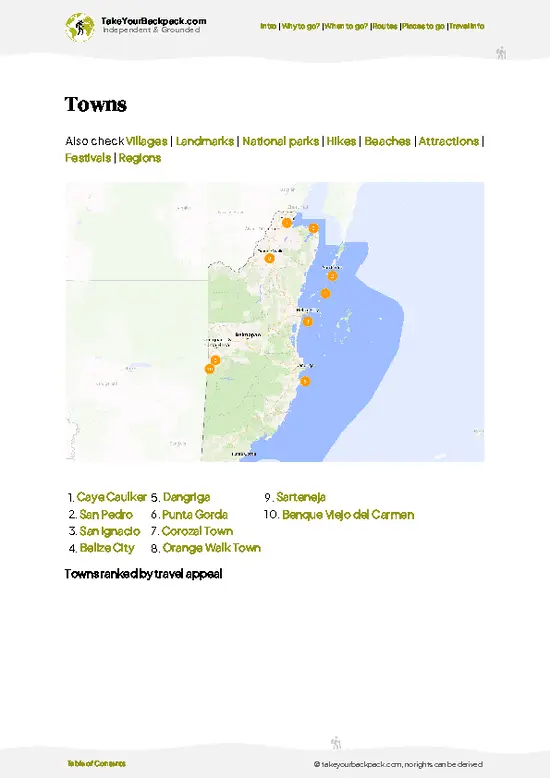
  • San Pedro—Hol Chan reef cut, Front Street, golf carts, lagoon sunsets| 19 km away
  • Belize City—Swing Bridge, colonial wooden houses, transport switching point, daylight arrivals| 34 km away
  • Orange Walk Town—New River, Lamanai boat trips, Mennonite market, cane country| 67 km away

💡 Not sure where to go next?
Create a personalized itinerary for Belize including Caye Caulker and the places that fit your trip.

Generate my itinerary

👉 Discover all towns

Or checkout all Belize has to offer (think cities, towns, villages, national parks, hikes, beaches, festivals)
Country photo of Belize

We 💚 feedbackParting advice and final tips

Caye Caulker works best as a three-night break between the jungle towns of western Belize and a longer dive stay on the atolls, or as the cheaper partner to Ambergris Caye. I would book the Hol Chan tour first and let the rest fall into place. Bring reef-safe sunscreen and bug spray, and skip the golf cart.

✍️ Help improve this page!
The information on this page is based on in-depth research, insights shared by experienced travelers, and feedback from the local travel community in Belize. While every effort is made to keep the information accurate and current, conditions can change — so if you spot anything incorrect or outdated, please get in touch.


🙋‍♂️ Give feedback

👋 Meet the founderWho’s Behind Take Your Backpack?

Johan, backpacker and founder of TakeYourBackpackHi, I’m Johan (Netherlands 🇳🇱), the creator of TakeYourBackpack. Over the past 3 decades, I’ve backpacked through 90+ countries across six continents, gaining extensive experience with independent travel, long-term trips, and overland routes.

This site is built on a combination of firsthand travel experience and carefully curated insights from other backpackers. Many guides are based on places I’ve personally visited, while others bring together tips, observations, and practical advice shared by trusted travelers I’ve met along the way.

The goal is to provide realistic, experience-driven guidance — not generic itineraries — so you can explore destinations with better context, clearer expectations, and more confidence.