
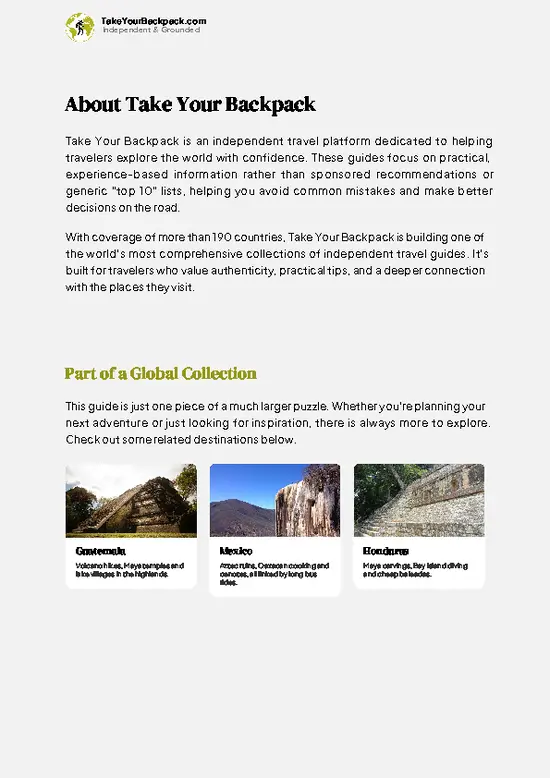



The Old Prison Cells
Let’s get real: most museums are sanitized, but the Museum of Belize is built inside a former colonial prison, and they don’t hide it. You’ll see the original iron-barred cells, graffiti from inmates, and the kind of heavy doors that make you instinctively check your pockets for contraband. It’s not a haunted house gimmick—this is the raw, unvarnished history of colonial punishment, and it’s a jolt of reality you won’t find in any Instagram highlight reel. The building itself is the exhibit, and it’s impossible not to feel the weight of its past as you walk the echoing corridors.
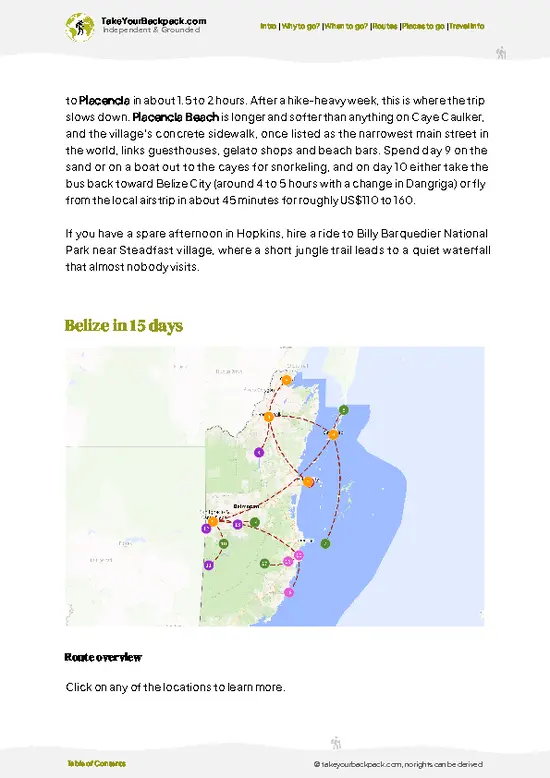
The Maya Masterpieces
Forget the generic “ancient artifact” displays you’ve seen elsewhere. The Museum of Belize’s Maya collection is compact but razor-sharp: jade carvings, obsidian blades, … read more 👉
Let’s get real: most museums are sanitized, but the Museum of Belize is built inside a former colonial prison, and they don’t hide it. You’ll see the original iron-barred cells, graffiti from inmates, and the kind of heavy doors that make you instinctively check your pockets for contraband. It’s not a haunted house gimmick—this is the raw, unvarnished history of colonial punishment, and it’s a jolt of reality you won’t find in any Instagram highlight reel. The building itself is the exhibit, and it’s impossible not to feel the weight of its past as you walk the echoing corridors.
The Maya Masterpieces
Forget the generic “ancient artifact” displays you’ve seen elsewhere. The Museum of Belize’s Maya collection is compact but razor-sharp: jade carvings, obsidian blades, … read more 👉
The Old Prison Cells
Let’s get real: most museums are sanitized, but the Museum of Belize is built inside a former colonial prison, and they don’t hide it. You’ll see the original iron-barred cells, graffiti from inmates, and the kind of heavy doors that make you instinctively check your pockets for contraband. It’s not a haunted house gimmick—this is the raw, unvarnished history of colonial punishment, and it’s a jolt of reality you won’t find in any Instagram highlight reel. The building itself is the exhibit, and it’s impossible not to feel the weight of its past as you walk the echoing corridors.
The Maya Masterpieces
Forget the generic “ancient artifact” displays you’ve seen elsewhere. The Museum of Belize’s Maya collection is compact but razor-sharp: jade carvings, obsidian blades, and pottery that survived centuries of jungle and looters. The real showstopper? The jade head of the Sun God Kinich Ahau, one of the most important Maya relics ever found in Belize. It’s not just a pretty object—it’s a direct line to a civilization that shaped the region, and seeing it up close is a privilege, not a photo op.
The Insect Room
If you think you’ve seen butterfly collections, think again. The insect room is a riot of color and weirdness, with hundreds of pinned specimens from Belize’s rainforests—some the size of your palm, some so iridescent they look fake. It’s not for the squeamish, but it’s a reminder that Belize’s wild side isn’t just in the jungle; it’s right here, under glass, and it’s mesmerizing. Kids and adults both get sucked in, and you’ll leave with a new respect for the country’s biodiversity.
The Slavery and Emancipation Exhibit
This isn’t a feel-good history lesson. The museum tackles the brutal reality of slavery in British Honduras head-on, with artifacts, documents, and personal stories that refuse to sugarcoat the past. It’s sobering, but it’s also necessary—especially in a country where the legacy of colonialism still shapes daily life. If you want to understand Belize beyond the beaches and reefs, this is where you start.
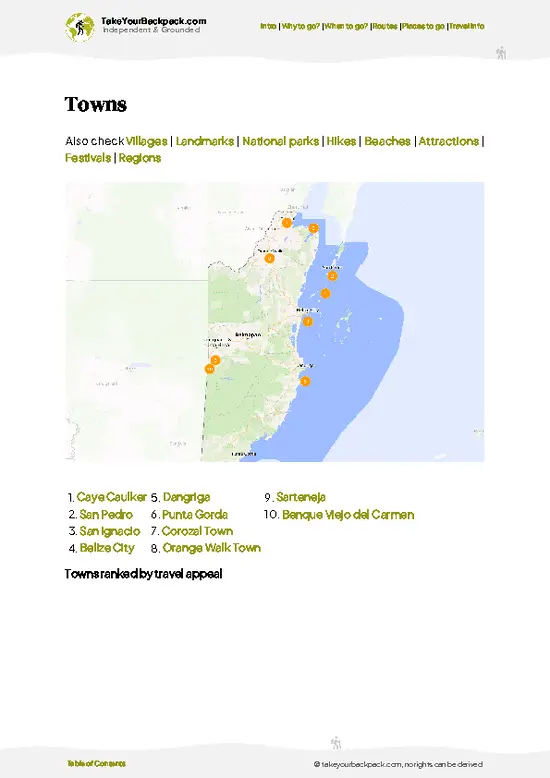
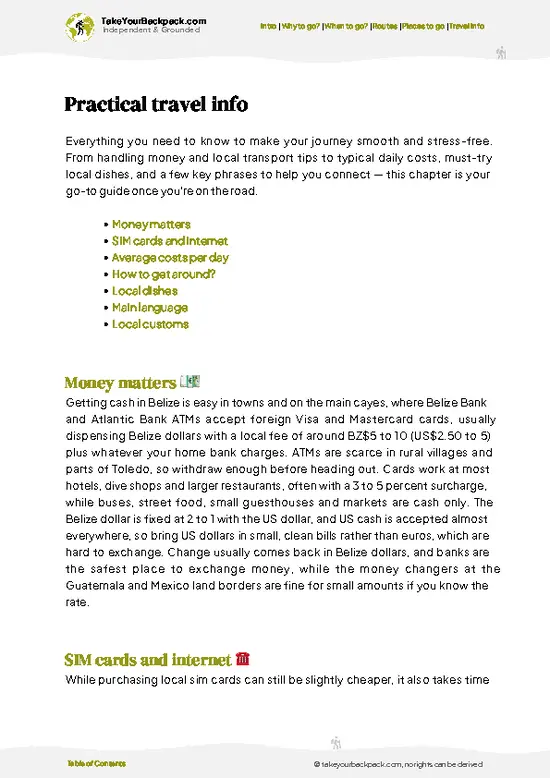
The Stamps and Currency Gallery
Sounds dry, right? It’s not. Belize’s stamps and money tell the story of a country in flux: Queen Victoria’s face morphing into local icons, currencies that changed with every new colonial administrator, and the oddball designs that only make sense if you know the backstory. It’s a crash course in national identity, and the collection is surprisingly fun to explore—especially if you like your history with a side of quirky detail.
Temporary Exhibits with Teeth
Unlike bigger museums that play it safe, the Museum of Belize’s rotating exhibits often tackle tough topics—gang violence, indigenous rights, or the country’s LGBTQ+ history. These aren’t watered-down, tourist-friendly displays; they’re curated with local voices and real stories. If you catch one during your visit, don’t skip it. This is where the museum flexes its muscles as a living, breathing part of Belizean society, not just a relic warehouse.
Let’s get real: most museums are sanitized, but the Museum of Belize is built inside a former colonial prison, and they don’t hide it. You’ll see the original iron-barred cells, graffiti from inmates, and the kind of heavy doors that make you instinctively check your pockets for contraband. It’s not a haunted house gimmick—this is the raw, unvarnished history of colonial punishment, and it’s a jolt of reality you won’t find in any Instagram highlight reel. The building itself is the exhibit, and it’s impossible not to feel the weight of its past as you walk the echoing corridors.
The Maya Masterpieces
Forget the generic “ancient artifact” displays you’ve seen elsewhere. The Museum of Belize’s Maya collection is compact but razor-sharp: jade carvings, obsidian blades, and pottery that survived centuries of jungle and looters. The real showstopper? The jade head of the Sun God Kinich Ahau, one of the most important Maya relics ever found in Belize. It’s not just a pretty object—it’s a direct line to a civilization that shaped the region, and seeing it up close is a privilege, not a photo op.
The Insect Room
If you think you’ve seen butterfly collections, think again. The insect room is a riot of color and weirdness, with hundreds of pinned specimens from Belize’s rainforests—some the size of your palm, some so iridescent they look fake. It’s not for the squeamish, but it’s a reminder that Belize’s wild side isn’t just in the jungle; it’s right here, under glass, and it’s mesmerizing. Kids and adults both get sucked in, and you’ll leave with a new respect for the country’s biodiversity.
The Slavery and Emancipation Exhibit
This isn’t a feel-good history lesson. The museum tackles the brutal reality of slavery in British Honduras head-on, with artifacts, documents, and personal stories that refuse to sugarcoat the past. It’s sobering, but it’s also necessary—especially in a country where the legacy of colonialism still shapes daily life. If you want to understand Belize beyond the beaches and reefs, this is where you start.
The Stamps and Currency Gallery
Sounds dry, right? It’s not. Belize’s stamps and money tell the story of a country in flux: Queen Victoria’s face morphing into local icons, currencies that changed with every new colonial administrator, and the oddball designs that only make sense if you know the backstory. It’s a crash course in national identity, and the collection is surprisingly fun to explore—especially if you like your history with a side of quirky detail.
Temporary Exhibits with Teeth
Unlike bigger museums that play it safe, the Museum of Belize’s rotating exhibits often tackle tough topics—gang violence, indigenous rights, or the country’s LGBTQ+ history. These aren’t watered-down, tourist-friendly displays; they’re curated with local voices and real stories. If you catch one during your visit, don’t skip it. This is where the museum flexes its muscles as a living, breathing part of Belizean society, not just a relic warehouse.
Spotted a mistake or missing something? Contact us.
v2.webp)


Best Backpacking
Hi, I’m Johan (Netherlands 🇳🇱), the creator of TakeYourBackpack. Over the past decade, I’ve backpacked through 80+ countries across six continents, gaining extensive experience with independent travel, long-term trips, and overland routes.