×

Benin🇧🇯 | regionsKouffoRed laterite roads, palm and maize markets, sodabi stills, Adja villages | things to do and best time to go

Explore Parc National de la MékrouExplore Koutammakou

Backpacking in Kouffo
👍 Recommendedregion ranked #2
By Johan Kruseman 🇳🇱 | Updated October 22, 2026

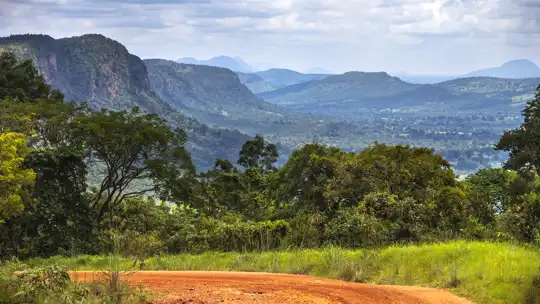
Kouffo used to be the stretch of southwestern Benin that travelers crossed on the way to Togo and never stopped in. Today the paved roads are better, yet it still has almost no tourist infrastructure. It sits in the southwest of Benin, on the Togo border, inland from the coast. Expect red laterite dust, the smell of woodsmoke and palm oil, and the hum of moto-taxis in every town. Guesthouses are few and basic, because visitors are rare, so book a bed by phone and carry cash, since card machines are scarce. Distances look short on the map, but shared taxis leave only when full, so start early and let the wait be part of the day. Maize fields, palm groves and market stalls give it real authenticity, but there are no famous monuments. It suits curious, patient travelers who like village life and Adja culture. It will frustrate anyone who wants polished sights.

Discover everything you want to know in the 📖 Benin Travel Guide.


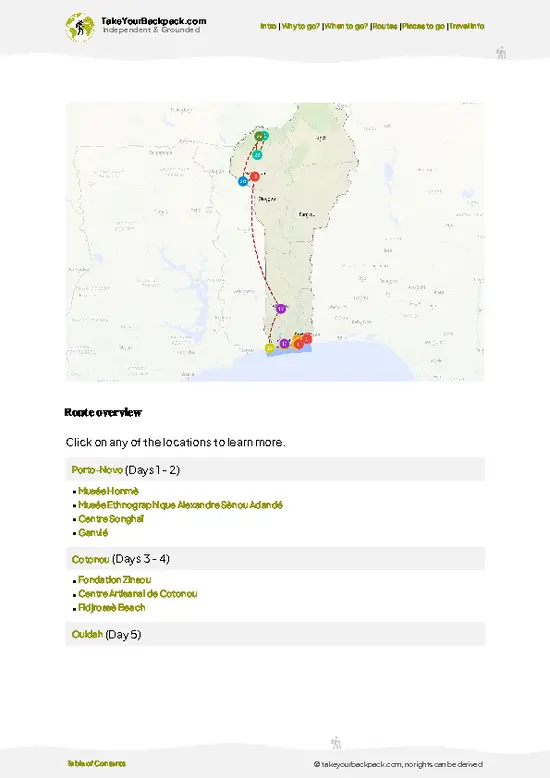
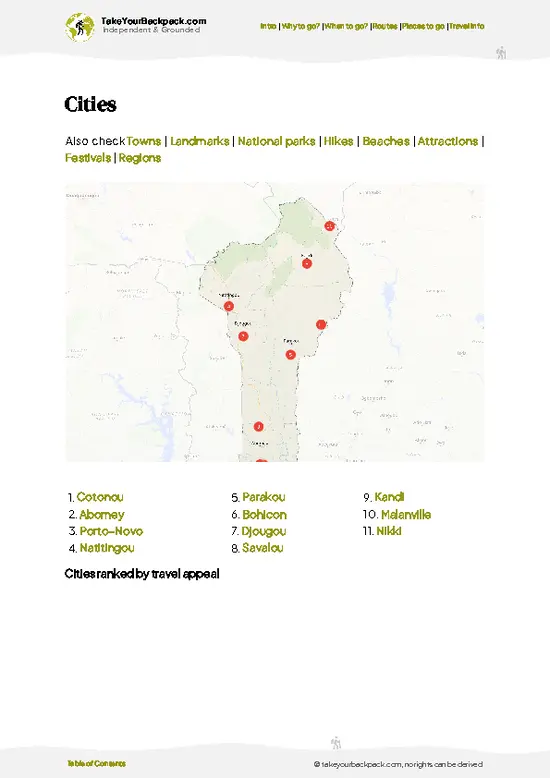
example page 0 from our offline Travel Guide for Benin
example page 1 from our offline Travel Guide for Benin
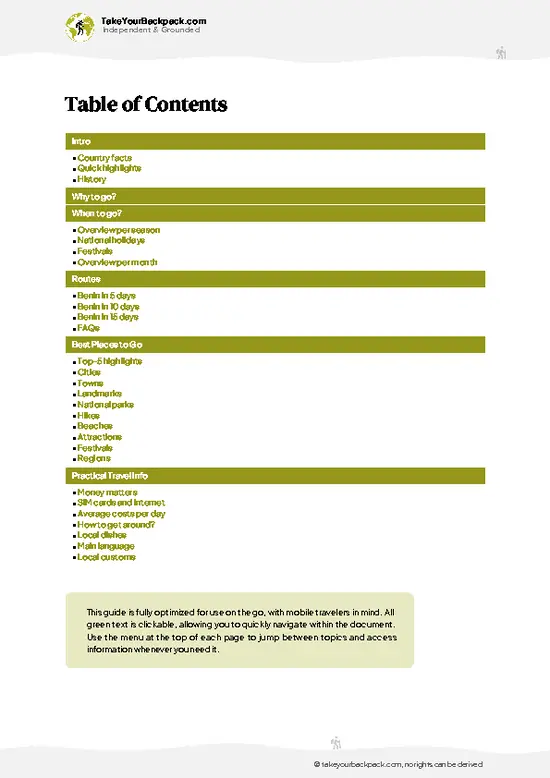
example page 2 from our offline Travel Guide for Benin
example page 3 from our offline Travel Guide for Benin
example page 4 from our offline Travel Guide for Benin
example page 5 from our offline Travel Guide for Benin
example page 6 from our offline Travel Guide for Benin
example page 7 from our offline Travel Guide for Benin
Loading the map 🌍
CLICK TO FILTER
cities
towns
landmarks
national parks
hikes
beaches
attractions
festivals
regions
SHOW COUNTRY’S BESTSHOW ALL

✨ Why go?
Ranked #2 region in Benin
What sets this place apart

Kouffo rewards backpackers who want a part of Benin where the day is built around people rather than ticketed sights. The main reason is the Adja culture, with its own language, ceremonies and farming calendar, visible in markets and village life without a guide package in between. The second is Aplahoué as a hub: from this one town you can reach Dogbo, Djakotomey and Lalo by shared taxi or moto-taxi, so you can sleep in the same place for several nights and still see something new each morning. The third is the Couffo River country, where palm groves, fields and small distilleries make slow travel easy to fill. Everything here is low-key. You will chat with farmers, eat at roadside stalls and be noticed everywhere you walk. That attention is friendly, and it is why Kouffo feels so different from the coastal circuit.

💡 HighlightsMust-see experiences and standout moments

  1. Aplahoué central market: the main trading point of Kouffo, where farmers bring maize, cassava, palm oil, beans and vegetables. Go early for the best light and the loudest bargaining.
  2. Dogbo market and town center: a smaller, calmer market in an Adja town, good for fabrics, grains and street snacks, with moto-taxis weaving between the stalls.
  3. Djakotomey: a farming town with a lively roadside life, handy for seeing how palm and maize economies work day to day.
  4. Couffo River banks near Lalo: the river that gives the department its name, lined with fields and palms. A quiet place to walk and watch fishing and washing.
  5. Village sodabi distilleries: family-run stills where palm wine becomes the local spirit over wood fires. Lesser known, and best visited when a local contact introduces you.
  6. Adja vodun shrines
… read more 👉
  1. Aplahoué central market: the main trading point of Kouffo, where farmers bring maize, cassava, palm oil, beans and vegetables. Go early for the best light and the loudest bargaining.
  2. Dogbo market and town center: a smaller, calmer market in an Adja town, good for fabrics, grains and street snacks, with moto-taxis weaving between the stalls.
  3. Djakotomey: a farming town with a lively roadside life, handy for seeing how palm and maize economies work day to day.
  4. Couffo River banks near Lalo: the river that gives the department its name, lined with fields and palms. A quiet place to walk and watch fishing and washing.
  5. Village sodabi distilleries: family-run stills where palm wine becomes the local spirit over wood fires. Lesser known, and best visited when a local contact introduces you.
  6. Adja vodun shrines in the villages: small, active places of worship that locals can point out. Ask permission first and follow your host’s lead on photos.
  7. Klouékanmè back roads: red dirt tracks through farmland and tiny hamlets, a local favorite for cycling or a moto-taxi ride when you want to see harvest work.
  8. Toviklin villages: quiet settlements close to the Togo border, where weekly markets and compound life go on without visitors.
Nothing in Kouffo needs a ticket, and no sight requires booking ahead, though a local guide arranged in Aplahoué helps for shrines and distilleries.
Spotted a mistake or missing something? Contact us.

Things to do near Kouffo

Ratings based on Tripadvisor reviews. When you book through this link, you support our work at no extra cost to you.

⌛️ 5 daysWhat you can realistically do in a week

Day 1: Aplahoué: Arrive in Aplahoué, the department’s capital and the best base because shared taxis fan out from here in every direction. Spend the afternoon at the central market, then settle in early. Everything starts at dawn in Kouffo, so this is the town to sleep in.
Day 2: Dogbo: Head to Dogbo on the morning taxi, when cars fill fastest. Walk the market and the center, then eat at a street stall. Return to Aplahoué in the afternoon rather than moving your bag, since beds are scarce in smaller towns.
Day 3: Djakotomey: Take another day trip, this time to Djakotomey. Moto-taxis are the flexible way to reach farms and a village still. Arrange a visit to a sodabi distillery through your guesthouse host and agree on the price first.
Day 4: Lalo and the Couffo River: This is the detour, … read more 👉
Day 1: Aplahoué: Arrive in Aplahoué, the department’s capital and the best base because shared taxis fan out from here in every direction. Spend the afternoon at the central market, then settle in early. Everything starts at dawn in Kouffo, so this is the town to sleep in.
Day 2: Dogbo: Head to Dogbo on the morning taxi, when cars fill fastest. Walk the market and the center, then eat at a street stall. Return to Aplahoué in the afternoon rather than moving your bag, since beds are scarce in smaller towns.
Day 3: Djakotomey: Take another day trip, this time to Djakotomey. Moto-taxis are the flexible way to reach farms and a village still. Arrange a visit to a sodabi distillery through your guesthouse host and agree on the price first.
Day 4: Lalo and the Couffo River: This is the detour, and it costs you nothing in logistics because you come back to the same bed. Ride out to the river near Lalo, walk the banks and watch the fields and washing places. Hire a moto-taxi for the day so you can stop at hamlets along the way.
Day 5: Back to Aplahoué: Return to the market for last purchases, then head out by shared taxi toward the main road south. If one day justifies the trip, it is Day 1’s market morning, repeated if you can, because the Aplahoué market shows Kouffo at its most alive: smoke, calls, dust and colored cloth all at once.

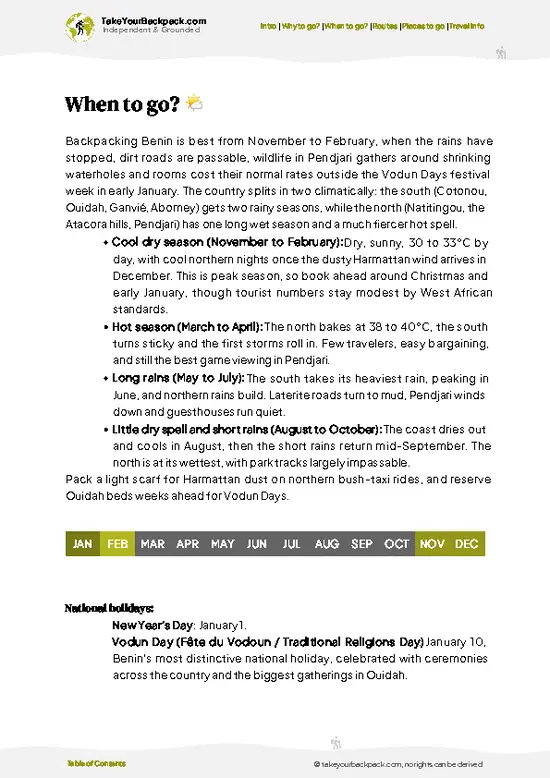
🌤️ When to go?Weather, crowds, and seasonal trade-offs

  • Main Dry Season (December to February): Days run 30 to 35°C (86 to 95°F), nights drop to about 20 to 23°C (68 to 73°F), and the harmattan haze softens the light and coats everything in fine dust. Roads are firm, and daylight lasts roughly 11.5 hours. Prices for rooms and shared taxis barely move, since Kouffo sees few tourists.
  • Hot Season (March to April): Expect 32 to 36°C (90 to 97°F) and heavy afternoon air. Early starts matter. Farm work is in full swing before the rains.
  • Long Rains (May to July): Showers turn red-earth tracks to mud, and bush taxis slow down. Temperatures ease to 27 to 31°C (81 to 88°F). Fields turn green and planting is under way.
  • Short Dry Break and Second Rains (August to November): A lull in August, then lighter rain in September and October. Around 28 to 32°C (82 to
… read more 👉
  • Main Dry Season (December to February): Days run 30 to 35°C (86 to 95°F), nights drop to about 20 to 23°C (68 to 73°F), and the harmattan haze softens the light and coats everything in fine dust. Roads are firm, and daylight lasts roughly 11.5 hours. Prices for rooms and shared taxis barely move, since Kouffo sees few tourists.
  • Hot Season (March to April): Expect 32 to 36°C (90 to 97°F) and heavy afternoon air. Early starts matter. Farm work is in full swing before the rains.
  • Long Rains (May to July): Showers turn red-earth tracks to mud, and bush taxis slow down. Temperatures ease to 27 to 31°C (81 to 88°F). Fields turn green and planting is under way.
  • Short Dry Break and Second Rains (August to November): A lull in August, then lighter rain in September and October. Around 28 to 32°C (82 to 90°F). Roads recover by November, and the harvest brings busy markets.
Aim for December to January for easy road travel, and carry a light rain jacket if you go between May and October.


source: climatestotravel.comJANJanuary: excellent for travelingFEBFebruary: excellent for travelingMARMarch: highly recommended for travelingAPRApril: good for travelingMAYMay: fair for travelingJUNJune: fair for travelingJULJuly: fair for travelingAUGAugust: fair for travelingSEPSeptember: good for travelingOCTOctober: good for travelingNOVNovember: highly recommended for travelingDECDecember: excellent for traveling
when-to-go

✈️ The backpacker research shortcutBenin Travel Guide

An offline-friendly backpacking guide with optimized travel routes, ranked highlights, transport advice, and the best areas to stay.
example page 0 from our offline Travel Guide for Benin
example page 1 from our offline Travel Guide for Benin
example page 2 from our offline Travel Guide for Benin
example page 3 from our offline Travel Guide for Benin
example page 4 from our offline Travel Guide for Benin
example page 5 from our offline Travel Guide for Benin
example page 6 from our offline Travel Guide for Benin
example page 7 from our offline Travel Guide for Benin
The digital guide (213 pages) contains:
✅ 48 highlights, ranked by travel appeal
✅ Optimized 5, 10 & 15-day travel routes
✅ Cities, national parks, landmarks, beaches
✅ How to get around
✅ Offline-friendly for travel without Wi-Fi
👉 Click to see all 30+ guide features

📅 Plan smarter in minutes, not weeks
✅ Month by month travel advice
✅ Festivals & national holidays
✅ Budget expectations

🗺️ Go to the right places, skip the overrated ones
✅ Honest pros & cons of destinations
✅ Top hikes, parks & viewpoints
✅ Lesser-known places most travelers miss
✅ Clear “worth it vs skip it” guidance

🛏️ Travel smoothly without rookie mistakes
✅ Best areas to stay
✅ Transport systems explained simply
✅ Common scams & safety advice
✅ SIM cards, money & practical tips

🌍 Understand the country, not just visit it
✅ Culture & traditions
✅ 52 Essential phrases & customs
✅ Festivals worth planning around
✅ Traveler-friendly historical context
✅ Insights that make places more meaningful

📱 Built for real travel conditions
✅ Fully downloadable PDF
✅ Works completely offline
✅ Optimized for phone use
✅ Useful in remote areas & buses
✅ Everything in one place
Stop searching, start planning
Get instant access to your full guide. 30‑day money-back guarantee.
+ Add another guide for just

By proceeding you agree to our terms.
Sent to your inbox immediately after payment • 100% Secure Checkout
Best Backpacking Travel Advisor 2025 tourism awardBest Backpacking
Travel Advisor
2025
What others say about Take Your Backpack Guides:
⭐⭐⭐⭐⭐
Fantastic, amazing amount of information!
⭐⭐⭐⭐⭐
My goodness this is amazing, it's what I've been looking for hats off too you!
⭐⭐⭐⭐⭐
I think this is absolutely BRILLIANT
⭐⭐⭐⭐
Very complete and informative. It's still missing places, but I gotta to commend you
⭐⭐⭐⭐⭐
This is truly amazing, thank you, can't wait to explore it with my kids!
⭐⭐⭐⭐⭐
Awesome resource, thank you!
⭐⭐⭐⭐⭐
This is amazing! Can't wait to explore the ones I haven't seen
⭐⭐⭐⭐
I love this! Well done, great idea.
⭐⭐⭐⭐⭐
Thanks for taking the time to make this gem!
⭐⭐⭐⭐⭐
This might be the best website I've ever seen.
⭐⭐⭐⭐⭐
Congratulations, and thank you so much for your work; it's incredibly valuable.
⭐⭐⭐⭐
In all seriousness I think you did a great job pointing out the important spots
⭐⭐⭐⭐⭐
10/10 very good
⭐⭐⭐⭐⭐
As someone who's only just starting to visit regularly this is awesome, thank you.
⭐⭐⭐⭐
Thank you very much! I'm going to visit my dad, it's going to be very useful!
⭐⭐⭐⭐⭐
This is really cool! We'll be travelling for the first time and this definitely come in handy.
⭐⭐⭐⭐⭐
You are now our minister of culture, congratulations 👨‍💼
⭐⭐⭐⭐⭐
Just wanted to tell you that this is a pearl! Going to follow your recommendations.
⭐⭐⭐⭐⭐
This is so cool. I'll definitely be using the resource for my travels soon.
⭐⭐⭐⭐⭐
This is very impressive! Good work.
⭐⭐⭐⭐⭐
This is an amazing and informative site. Very well done!

🛏️ Where to stay?Best areas to stay in Benin

Aplahoué is the most practical base in Kouffo, with the department’s largest market, the widest choice of simple guesthouses and the best onward transport. Expect basic rooms with fans for roughly €10 to 25 a night, with hot water being rare. It is a working town rather than a backpacker hub, so you will meet more local traders than other travelers, which suits anyone who likes conversation over a plastic table.
Dogbo is the second option, calmer and a short ride from Aplahoué. Its guesthouses are few, but the people are friendly, and evenings turn social around open-air bars where music drifts … read more 👉
Aplahoué is the most practical base in Kouffo, with the department’s largest market, the widest choice of simple guesthouses and the best onward transport. Expect basic rooms with fans for roughly €10 to 25 a night, with hot water being rare. It is a working town rather than a backpacker hub, so you will meet more local traders than other travelers, which suits anyone who likes conversation over a plastic table.
Dogbo is the second option, calmer and a short ride from Aplahoué. Its guesthouses are few, but the people are friendly, and evenings turn social around open-air bars where music drifts until about 10 pm. It works well if you want the quieter pace of a Beninese town without noise from the highway.
Lalo and Djakotomey suit travelers who want to see village life, craft traditions and surrounding farmland. Accommodation is limited and sometimes needs a phone call or a local contact to arrange, so check in by midafternoon. Solo travelers, women included, generally report a respectful welcome, but dress modestly and ask permission before photographing people.
If you want hostel-style company, many travelers sleep in Cotonou or Grand-Popo and visit Kouffo on a long day trip or an overnight loop.

🚌 Getting aroundHow to get from A to B

Kouffo punishes anyone who waits for a bus to fill a schedule, because there is no schedule, and the traveler who sits at a dusty roadside for hours hoping for one loses half a day. Most backpackers move between Dogbo, Aplahoué, Lalo, Djakotomey and Klouékanmè by shared taxi and zemidjan (motorbike taxi), with the main paved road running north from Lokossa and Come toward Aplahoué. It is cheap and flexible, though vehicles leave only when full, and the side roads turn to red slurry in the rains.
  • Shared taxis and minibuses: Cars leave from the motor parks in the district towns once every seat is taken, usually within 20 to 60 minutes. Fares between neighboring towns run about €1 to 3. Expect four people across a rear bench, the smell of fuel and fried dough drifting in the windows, and bags
… read more 👉
Kouffo punishes anyone who waits for a bus to fill a schedule, because there is no schedule, and the traveler who sits at a dusty roadside for hours hoping for one loses half a day. Most backpackers move between Dogbo, Aplahoué, Lalo, Djakotomey and Klouékanmè by shared taxi and zemidjan (motorbike taxi), with the main paved road running north from Lokossa and Come toward Aplahoué. It is cheap and flexible, though vehicles leave only when full, and the side roads turn to red slurry in the rains.
  • Shared taxis and minibuses: Cars leave from the motor parks in the district towns once every seat is taken, usually within 20 to 60 minutes. Fares between neighboring towns run about €1 to 3. Expect four people across a rear bench, the smell of fuel and fried dough drifting in the windows, and bags on the roof. Going early in the morning means a quicker departure, as drivers prefer to fill up before the heat.
  • Zemidjan: The yellow-shirted motorbike taxis hum on every corner and cover short hops of €0.50 to 2. Agree the price before climbing on, because there are no meters. Carry a scarf, since the harmattan dust and the red laterite get into your mouth and eyes.
  • Private car with driver: Hiring one for a day, about €45 to 70 including fuel, makes sense for remote villages and the Lalo area where shared cars rarely run. Bargain the night before and confirm the return time.
  • Long-distance buses from Cotonou: Coaches to Aplahoué and Dogbo take around 3 to 4 hours and cost roughly €4 to 8. They run on a fill-and-go basis from the big gares in Cotonou, so arrive by 7 am.
Keep small bills in your pocket, since drivers rarely have change for large notes, and plan to arrive anywhere before late afternoon, because the last shared cars thin out as the light turns orange and the roads empty.

🍲 FoodWhat to Eat & Drink

Kouffo eats from the farm. The staple is pâte, a thick maize or cassava dough that you tear with your right hand, roll into a ball and dip in a sauce. Sauces include peppery tomato, slippery okra and the nutty, dark sauce d’arachide, often served with smoked fish or chicken. In Aplahoué and Dogbo you will also find akassa wrapped in leaves, and igname pilée, pounded yam that is smooth and slightly sweet.
For a cheap meal, head to the market stalls and roadside maquis, simple open-air eateries where plates cost roughly €1.50 to 4. Early mornings bring beignets and bouillie, a warm millet or corn porridge, while evenings smell of grilled fish, charcoal and chili. Street vendors sell fried plantain and spicy brochettes.
Local drinks include sodabi, a strong palm spirit, and tchoukoutou, a cloudy … read more 👉
Kouffo eats from the farm. The staple is pâte, a thick maize or cassava dough that you tear with your right hand, roll into a ball and dip in a sauce. Sauces include peppery tomato, slippery okra and the nutty, dark sauce d’arachide, often served with smoked fish or chicken. In Aplahoué and Dogbo you will also find akassa wrapped in leaves, and igname pilée, pounded yam that is smooth and slightly sweet.
For a cheap meal, head to the market stalls and roadside maquis, simple open-air eateries where plates cost roughly €1.50 to 4. Early mornings bring beignets and bouillie, a warm millet or corn porridge, while evenings smell of grilled fish, charcoal and chili. Street vendors sell fried plantain and spicy brochettes.
Local drinks include sodabi, a strong palm spirit, and tchoukoutou, a cloudy sorghum beer served in calabashes that tastes sour and slightly sweet. Palm wine appears fresh at dawn and gets sharper by afternoon. Try sodabi in small sips.
Wash your right hand before eating, and avoid using the left for passing food. Greet people before you order, and expect meals to arrive slowly because dishes are cooked fresh. Keep small coins for tips and bottled water.

FAQFrequently asked questions about Kouffo

Plan on 3 to 4 days for Kouffo, a department in southwest Benin whose main town is Aplahoué, with Dogbo, Klouékanmè, Toviklin, Djakotomey and Lalo as the other communes. One day covers the Aplahoué market and a loop through nearby villages, and a second day suits Dogbo and the Couffo river area. Add a third or fourth day if you want to walk the palm and cashew country between communes or travel on market days, when the roads and stalls are busiest.
Your realistic options are shared taxis, bush taxis (minibuses), and zemidjan motorbike taxis. Minibuses and shared cars run on the main road to Aplahoué from Dogbo, Lalo and Azové and from bigger hubs like Bohicon and Cotonou, and fares for local legs are often €1 to 4, with Cotonou to Aplahoué usually taking 4 to 5 hours depending on the route. For short hops and villages off the main road, a zemidjan costs about €0.50 to 2 per ride, so agree the price before you climb on.
Kouffo is known for its quiet agricultural landscape of palm, cashew, maize and cassava fields, and for market towns such as Aplahoué, Dogbo and Lalo. It is largely Adja country, with Vodun traditions, local festivals and craft activity such as pottery and weaving shaping village life. Few travelers come here, so expect basic lodging at roughly €8 to 20 a night and meals at local maquis for about €1.50 to 4.
⚠️ Things can change over time, so always validate details locally before you go.

Where to go next

Kouffo isn’t the only highlight in Benin. Explore all what Benin has to offer.
Country photo of Benin

We 💚 feedbackParting advice and final tips

Kouffo is at its best in the early morning, when the markets fill and the air is still cool before the dust and heat build. I would arrive the evening before and walk to the Aplahoué stalls as they open. Bring small notes, since change is scarce, and a local phrase or two in Adja or French for greetings.

✍️ Help improve this page!
The information on this page is based on in-depth research, insights shared by experienced travelers, and feedback from the local travel community in Benin. While every effort is made to keep the information accurate and current, conditions can change — so if you spot anything incorrect or outdated, please get in touch.


🙋‍♂️ Give feedback

👋 Meet the founderWho’s Behind Take Your Backpack?

Johan, backpacker and founder of TakeYourBackpackHi, I’m Johan (Netherlands 🇳🇱), the creator of TakeYourBackpack. Over the past 3 decades, I’ve backpacked through 90+ countries across six continents, gaining extensive experience with independent travel, long-term trips, and overland routes.

This site is built on a combination of firsthand travel experience and carefully curated insights from other backpackers. Many guides are based on places I’ve personally visited, while others bring together tips, observations, and practical advice shared by trusted travelers I’ve met along the way.

The goal is to provide realistic, experience-driven guidance — not generic itineraries — so you can explore destinations with better context, clearer expectations, and more confidence.