×

Bhutan🇧🇹 | townsHaaalpine valley, military presence, remote villages | things to do and best time to go

Explore ZhemgangExplore Phobjikha

Backpacking in Haa
👍 Recommendedtown ranked #8
By Johan Kruseman 🇳🇱 | Updated September 23, 2026

Your boots crunch on frosty dirt as incense drifts from a hillside chorten, cow bells clinking somewhere in the misty valley below; the air in Haa is thin, piney, and so quiet you hear your own pack straps creak. This little town sits in western Bhutan, west of Thimphu and Paro, tucked in the Haa Valley near the border with Tibet, and it feels immediately smaller and rougher than both. For backpackers, Haa works best as a calm base for ridge walks, farmstays, and slow temple visits rather than as a “things-to-do” town. The center is walkable in ten minutes, with a few basic shops, homestays, and teahouses where evenings are slow and social only if you make the first move. It’s cheaper and more low-key than Paro, but buses are infrequent, nightlife is basically non-existent, and you come here for silence, not scene.

Discover everything you want to know in the 📖 Bhutan Travel Guide.


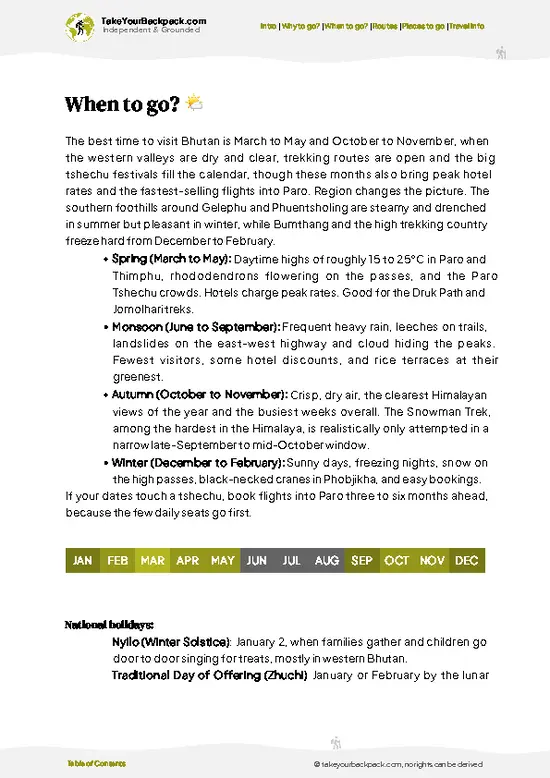
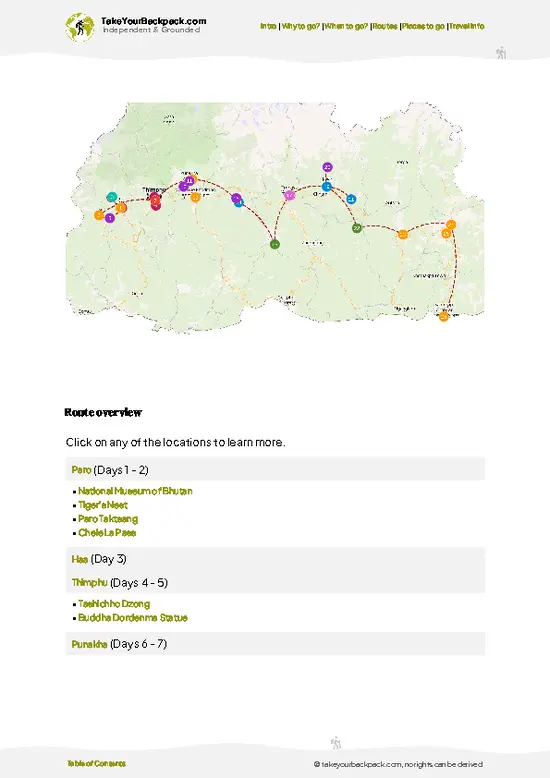
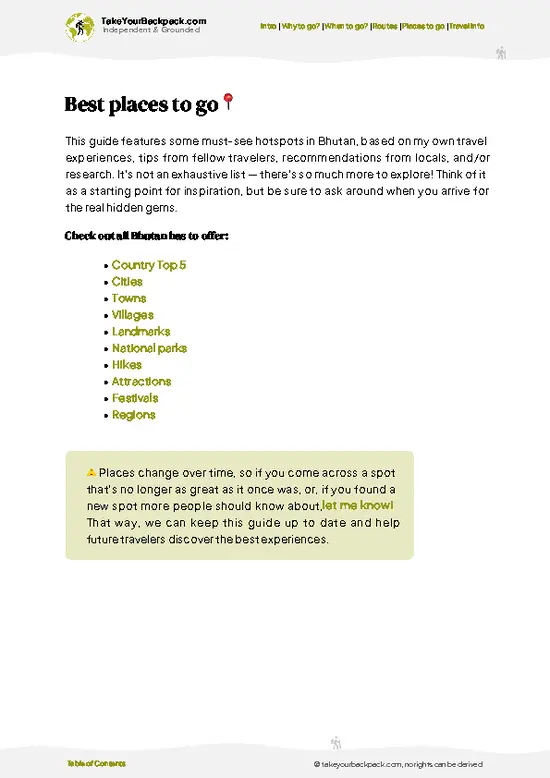
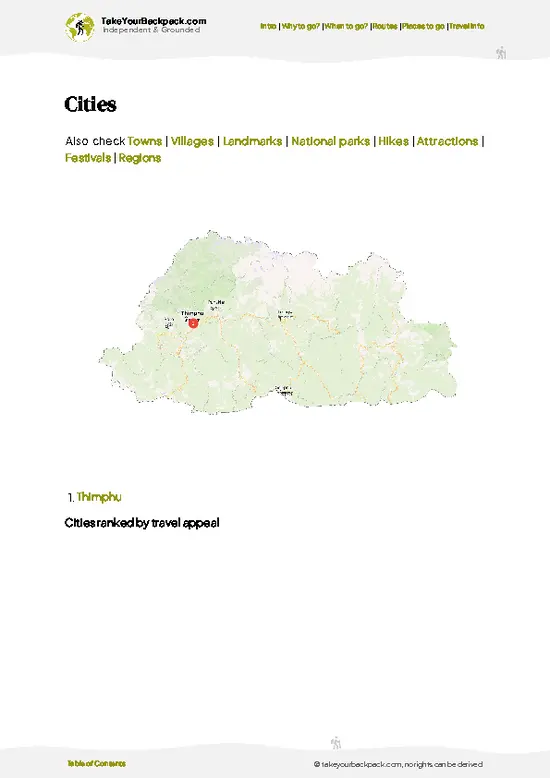
example page 0 from our offline Travel Guide for Bhutan
example page 1 from our offline Travel Guide for Bhutan
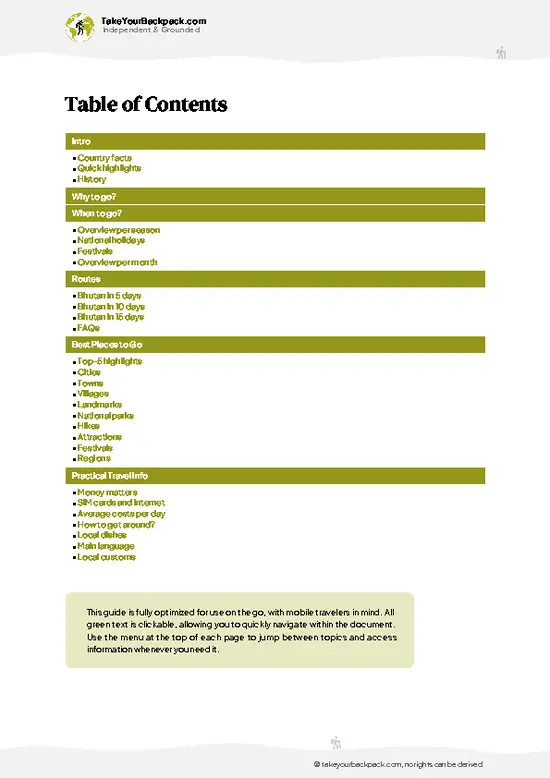
example page 2 from our offline Travel Guide for Bhutan
example page 3 from our offline Travel Guide for Bhutan
example page 4 from our offline Travel Guide for Bhutan
example page 5 from our offline Travel Guide for Bhutan
example page 6 from our offline Travel Guide for Bhutan
example page 7 from our offline Travel Guide for Bhutan
Loading the map 🌍
CLICK TO FILTER
cities
towns
villages
landmarks
national parks
hikes
attractions
festivals
regions
SHOW COUNTRY’S BESTSHOW ALL

✨ Why go?
Ranked #8 town in Bhutan
What makes this town worth visiting

Haa is a backpacker’s haven that serves as a strategic base for those exploring Bhutan’s rugged beauty. Nestled in a valley, it’s a gateway to stunning hikes like the nearby Haa Valley trek, where the air is crisp and the views are breathtaking. The local guesthouses offer cozy beds and hearty meals, perfect for refueling after a day on the trails. Streets are walkable, lined with friendly faces and small eateries serving authentic Bhutanese dishes that warm the soul.

Travelers often linger here for a few days, soaking in the slow pace and community vibe, making it ideal for solo adventurers or small groups looking to connect. While nightlife is minimal, the social atmosphere thrives in shared stories over dinner. Haa isn’t just a stop; it’s a place to breathe, reflect, and truly experience Bhutan.

💡 HighlightsKey sights and experiences for travelers

  1. Lhakhang Karpo (White Temple) — One of Haa’s oldest and most venerated temples, tied to the Songtsen Gampo legends; quiet courtyards, painted murals and a peaceful atmosphere give a clear sense of local faith and history when you walk inside.
  2. Lhakhang Nagpo (Black Temple) — The companion temple to Karpo with darker iconography and a different ritual feel; visiting both temples back-to-back is essential to understand Haa’s origin stories and village pilgrimage patterns.
  3. Haa Dzong — The valley’s administrative-monastic complex that anchors town life; the architecture, defensive position and daily monastic rhythms show how governance and religion have been intertwined here for centuries.
  4. Haa Town Market and Traditional Streets — A compact, lively market area where you can see farmers, craftsmen
… read more 👉
  1. Lhakhang Karpo (White Temple) — One of Haa’s oldest and most venerated temples, tied to the Songtsen Gampo legends; quiet courtyards, painted murals and a peaceful atmosphere give a clear sense of local faith and history when you walk inside.
  2. Lhakhang Nagpo (Black Temple) — The companion temple to Karpo with darker iconography and a different ritual feel; visiting both temples back-to-back is essential to understand Haa’s origin stories and village pilgrimage patterns.
  3. Haa Dzong — The valley’s administrative-monastic complex that anchors town life; the architecture, defensive position and daily monastic rhythms show how governance and religion have been intertwined here for centuries.
  4. Haa Town Market and Traditional Streets — A compact, lively market area where you can see farmers, craftsmen and locals trading, taste simple local snacks, and walk past traditional houses embroidered with Bhutanese woodwork; it’s the best place to feel the rhythms of everyday Haa.
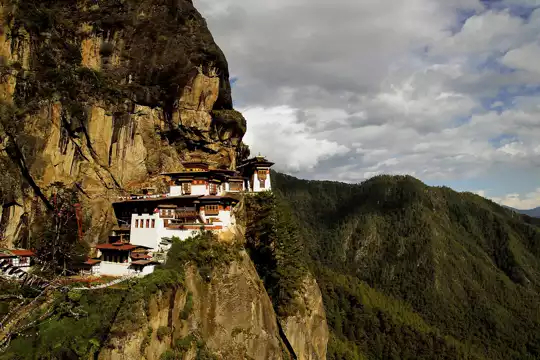
A few real, visitable highlights just outside Haa that make perfect day trips: Chele La Pass for sweeping valley views, and nearby Paro attractions like Rinpung Dzong and Taktsang (Tiger’s Nest).
Spotted a mistake or missing something? Contact us.

Things to do near Haa

Ratings based on Tripadvisor reviews. When you book through this link, you support our work at no extra cost to you.

🏘️ NeighborhoodsKey areas and districts to know

Haa is a serene escape in Bhutan, where the air is crisp and the mountains loom large. Each neighborhood offers a unique flavor, making it essential to choose wisely.

Haa Town: This is the heart of the area. The vibe is laid-back, with local shops and eateries that serve authentic Bhutanese dishes. It’s walkable, so you can easily explore on foot. Costs are reasonable, making it ideal for budget travelers. While nightlife is minimal, the quiet charm is perfect for those seeking peace. Short stays work well here, but longer visits can feel stagnant without day trips.

Chuzom: Just a short ride from Haa Town, Chuzom offers a more rural experience. The atmosphere is tranquil, surrounded by fields and traditional homes. It’s less walkable, so having a bike or a car is handy. Costs are lower here, … read more 👉
Haa is a serene escape in Bhutan, where the air is crisp and the mountains loom large. Each neighborhood offers a unique flavor, making it essential to choose wisely.

Haa Town: This is the heart of the area. The vibe is laid-back, with local shops and eateries that serve authentic Bhutanese dishes. It’s walkable, so you can easily explore on foot. Costs are reasonable, making it ideal for budget travelers. While nightlife is minimal, the quiet charm is perfect for those seeking peace. Short stays work well here, but longer visits can feel stagnant without day trips.

Chuzom: Just a short ride from Haa Town, Chuzom offers a more rural experience. The atmosphere is tranquil, surrounded by fields and traditional homes. It’s less walkable, so having a bike or a car is handy. Costs are lower here, making it a great option for longer stays. The quietness is palpable, with few distractions, allowing for deep relaxation or reflection.

Haa Dzong: This area is steeped in history, with the dzong itself being a focal point. The vibe is cultural, and the views are breathtaking. It’s a bit more touristy, but still retains a local feel. Walkability is decent, and the costs are moderate. Perfect for short visits, especially if you want to soak in the local heritage.

⌛️ 1 dayA smart one-day plan

Haa, Bhutan, is a serene escape, far from the bustling tourist trails. Nestled in a lush valley, it offers a glimpse into authentic Bhutanese life, where the air is crisp and the scent of pine lingers. Start your day early, as the morning sun casts a golden hue over the rice paddies. Head to the Haa Dzong, a striking fortress that stands as a testament to the region’s history. The intricate woodwork and vibrant prayer flags fluttering in the breeze create a captivating atmosphere.

After soaking in the dzong’s beauty, wander through the nearby village of Haa. The locals are friendly, and you might catch a whiff of freshly baked bread from a local bakery. Grab a bite at a small eatery, where you can savor traditional dishes like ema datshi, a spicy cheese and chili dish that warms you from … read more 👉
Haa, Bhutan, is a serene escape, far from the bustling tourist trails. Nestled in a lush valley, it offers a glimpse into authentic Bhutanese life, where the air is crisp and the scent of pine lingers. Start your day early, as the morning sun casts a golden hue over the rice paddies. Head to the Haa Dzong, a striking fortress that stands as a testament to the region’s history. The intricate woodwork and vibrant prayer flags fluttering in the breeze create a captivating atmosphere.

After soaking in the dzong’s beauty, wander through the nearby village of Haa. The locals are friendly, and you might catch a whiff of freshly baked bread from a local bakery. Grab a bite at a small eatery, where you can savor traditional dishes like ema datshi, a spicy cheese and chili dish that warms you from the inside out.

In the afternoon, make your way to the less-visited Lhakhang Karpo, the White Temple. This sacred site, surrounded by tranquil gardens, offers a peaceful retreat. The intricate murals inside tell stories of the region’s spiritual heritage.

As evening approaches, stroll along the riverbank, where the sound of flowing water adds to the serene ambiance. Find a cozy spot to watch the sunset paint the sky in hues of orange and pink. End your day with a hearty dinner at a local restaurant, where the warmth of the community wraps around you like a comforting blanket. Haa isn’t just a destination; it’s a heartfelt experience waiting to unfold.

🌤️ When to go?Choosing the right time of year

  • Topic: Weather - Spring (March to May) and autumn (September to November) bring crisp, clear skies and mild temperatures, perfect for trekking. Winters dip to freezing (around -2°C/28°F at night), while summers can be wet and foggy, with heavy monsoon rains that turn trails slippery and views murky.
  • Topic: Temperature - Daytime highs in spring and autumn hover between 15-20°C (59-68°F), ideal for layering. Nights cool down sharply, so pack a warm jacket. Summer highs can reach 25°C (77°F) but humidity spikes, making exertion tougher.
  • Topic: Daylight Hours - Around 10-12 hours of daylight in peak seasons give you ample time to explore without rushing. Winter days shorten to about 9 hours, limiting trekking windows and making early starts essential.
  • Topic: Crowds - Haa remains relatively
… read more 👉
  • Topic: Weather - Spring (March to May) and autumn (September to November) bring crisp, clear skies and mild temperatures, perfect for trekking. Winters dip to freezing (around -2°C/28°F at night), while summers can be wet and foggy, with heavy monsoon rains that turn trails slippery and views murky.
  • Topic: Temperature - Daytime highs in spring and autumn hover between 15-20°C (59-68°F), ideal for layering. Nights cool down sharply, so pack a warm jacket. Summer highs can reach 25°C (77°F) but humidity spikes, making exertion tougher.
  • Topic: Daylight Hours - Around 10-12 hours of daylight in peak seasons give you ample time to explore without rushing. Winter days shorten to about 9 hours, limiting trekking windows and making early starts essential.
  • Topic: Crowds - Haa remains relatively quiet year-round, but spring and autumn see a slight uptick as trekkers chase clear views and festivals. Winter’s chill keeps most casual visitors away, offering solitude but harsher conditions.
  • Topic: Seasonal Activities - Autumn hosts the Haa Summer Festival, a vibrant display of local culture and horse riding, worth timing your visit for. Spring bursts with rhododendron blooms, adding color to the rugged landscape.
  • Topic: Price Fluctuations - Peak trekking seasons bring modest price hikes in accommodation and guides, but the difference is manageable. Off-season offers better deals but expect fewer services and tougher weather.
Pro-tip: Aim for late September to early October to catch clear skies, comfortable temps, and the Haa Summer Festival’s authentic buzz—this combo turns the effort of getting here into a richly rewarding experience.


source: climatestotravel.comJANJanuary: fair for travelingFEBFebruary: fair for travelingMARMarch: highly recommended for travelingAPRApril: excellent for travelingMAYMay: highly recommended for travelingJUNJune: fair for travelingJULJuly: below average for travelingAUGAugust: below average for travelingSEPSeptember: excellent for travelingOCTOctober: excellent for travelingNOVNovember: highly recommended for travelingDECDecember: fair for traveling
bhutan-city-haa
© Google |

✈️ The backpacker research shortcutBhutan Travel Guide

An offline-friendly backpacking guide with optimized travel routes, ranked highlights, transport advice, and the best areas to stay.
example page 0 from our offline Travel Guide for Bhutan
example page 1 from our offline Travel Guide for Bhutan
example page 2 from our offline Travel Guide for Bhutan
example page 3 from our offline Travel Guide for Bhutan
example page 4 from our offline Travel Guide for Bhutan
example page 5 from our offline Travel Guide for Bhutan
example page 6 from our offline Travel Guide for Bhutan
example page 7 from our offline Travel Guide for Bhutan
The digital guide (210 pages) contains:
✅ 52 highlights, ranked by travel appeal
✅ Optimized 5, 10 & 15-day travel routes
✅ Cities, national parks, landmarks, beaches
✅ How to get around
✅ Offline-friendly for travel without Wi-Fi
👉 Click to see all 30+ guide features

📅 Plan smarter in minutes, not weeks
✅ Month by month travel advice
✅ Festivals & national holidays
✅ Budget expectations

🗺️ Go to the right places, skip the overrated ones
✅ Honest pros & cons of destinations
✅ Top hikes, parks & viewpoints
✅ Lesser-known places most travelers miss
✅ Clear “worth it vs skip it” guidance

🛏️ Travel smoothly without rookie mistakes
✅ Best areas to stay
✅ Transport systems explained simply
✅ Common scams & safety advice
✅ SIM cards, money & practical tips

🌍 Understand the country, not just visit it
✅ Culture & traditions
✅ 52 Essential phrases & customs
✅ Festivals worth planning around
✅ Traveler-friendly historical context
✅ Insights that make places more meaningful

📱 Built for real travel conditions
✅ Fully downloadable PDF
✅ Works completely offline
✅ Optimized for phone use
✅ Useful in remote areas & buses
✅ Everything in one place
Stop searching, start planning
Get instant access to your full guide. 30‑day money-back guarantee.
+ Add another guide for just

By proceeding you agree to our terms.
Sent to your inbox immediately after payment • 100% Secure Checkout
Best Backpacking Travel Advisor 2025 tourism awardBest Backpacking
Travel Advisor
2025
What others say about Take Your Backpack Guides:
⭐⭐⭐⭐⭐
Fantastic, amazing amount of information!
⭐⭐⭐⭐⭐
My goodness this is amazing, it's what I've been looking for hats off too you!
⭐⭐⭐⭐⭐
I think this is absolutely BRILLIANT
⭐⭐⭐⭐
Very complete and informative. It's still missing places, but I gotta to commend you
⭐⭐⭐⭐⭐
This is truly amazing, thank you, can't wait to explore it with my kids!
⭐⭐⭐⭐⭐
Awesome resource, thank you!
⭐⭐⭐⭐⭐
This is amazing! Can't wait to explore the ones I haven't seen
⭐⭐⭐⭐
I love this! Well done, great idea.
⭐⭐⭐⭐⭐
Thanks for taking the time to make this gem!
⭐⭐⭐⭐⭐
This might be the best website I've ever seen.
⭐⭐⭐⭐⭐
Congratulations, and thank you so much for your work; it's incredibly valuable.
⭐⭐⭐⭐
In all seriousness I think you did a great job pointing out the important spots
⭐⭐⭐⭐⭐
10/10 very good
⭐⭐⭐⭐⭐
As someone who's only just starting to visit regularly this is awesome, thank you.
⭐⭐⭐⭐
Thank you very much! I'm going to visit my dad, it's going to be very useful!
⭐⭐⭐⭐⭐
This is really cool! We'll be travelling for the first time and this definitely come in handy.
⭐⭐⭐⭐⭐
You are now our minister of culture, congratulations 👨‍💼
⭐⭐⭐⭐⭐
Just wanted to tell you that this is a pearl! Going to follow your recommendations.
⭐⭐⭐⭐⭐
This is so cool. I'll definitely be using the resource for my travels soon.
⭐⭐⭐⭐⭐
This is very impressive! Good work.
⭐⭐⭐⭐⭐
This is an amazing and informative site. Very well done!

🛏️ Where to stay?Choosing the right base

In Haa, the best spot for backpackers is the town center, where the pulse of daily life hums steadily. This area is compact, making it easy to wander on foot and stumble into local markets, small eateries, and community hubs where travelers naturally gather. The air here carries the faint scent of pine mixed with wood smoke from nearby homes, grounding you in the rhythm of Bhutanese village life. It’s safe, quiet at night, and social enough to meet fellow backpackers without the overwhelming buzz of a tourist hotspot.

Compared to the outskirts, where accommodations are sparse and transport options … read more 👉
In Haa, the best spot for backpackers is the town center, where the pulse of daily life hums steadily. This area is compact, making it easy to wander on foot and stumble into local markets, small eateries, and community hubs where travelers naturally gather. The air here carries the faint scent of pine mixed with wood smoke from nearby homes, grounding you in the rhythm of Bhutanese village life. It’s safe, quiet at night, and social enough to meet fellow backpackers without the overwhelming buzz of a tourist hotspot.

Compared to the outskirts, where accommodations are sparse and transport options limited, staying central means you’re never far from the bus stop or the local guides who can unlock the valley’s hidden trails. Hostels and guesthouses cluster here, offering budget-friendly beds with a chance to swap stories over butter tea or yak cheese snacks. The vibe is unpretentious and welcoming, a place where the simplicity of mountain life meets the warmth of shared adventure. This neighborhood isn’t about flashy comforts—it’s about authentic connection and the slow unfolding of Haa’s quiet magic.

🚌 Getting aroundHow to get around Haa

Haa moves at its own pace, a rhythm shaped by mountain air and ancient customs rather than strict timetables. The light here softens early, casting long shadows over wooden homes and prayer flags fluttering in the breeze. You won’t find a frantic rush or a precise schedule; instead, the town flows with a gentle, intuitive pulse. Locals greet each other with nods and smiles, and the scent of pine mingles with wood smoke, grounding you in a place where time feels elastic. To navigate Haa like a pro, you need to embrace this relaxed tempo and lean on a handful of reliable, budget-friendly transit options that connect you to the heart of the valley without fuss.
  • Walking: The best way to soak in Haa’s atmosphere. The town is compact, with dirt paths and stone steps weaving between traditional
… read more 👉
Haa moves at its own pace, a rhythm shaped by mountain air and ancient customs rather than strict timetables. The light here softens early, casting long shadows over wooden homes and prayer flags fluttering in the breeze. You won’t find a frantic rush or a precise schedule; instead, the town flows with a gentle, intuitive pulse. Locals greet each other with nods and smiles, and the scent of pine mingles with wood smoke, grounding you in a place where time feels elastic. To navigate Haa like a pro, you need to embrace this relaxed tempo and lean on a handful of reliable, budget-friendly transit options that connect you to the heart of the valley without fuss.
  • Walking: The best way to soak in Haa’s atmosphere. The town is compact, with dirt paths and stone steps weaving between traditional houses and small shops. Walking lets you catch the scent of damp earth after rain and hear the distant clang of a blacksmith’s hammer. It’s free, naturally, and perfect for short hops or exploring the village’s quiet corners.
  • Local Minibus: These shared vans run between Haa and nearby villages like Shana and Sangbay. They don’t follow a strict timetable but usually start around 7:30 AM and run until late afternoon. Expect a fare of about 20-30 BTN. The ride is bumpy but offers a window into rural life, with stops on request and a chance to chat with locals.
  • Motorbike Taxi: For a faster, more flexible option, motorbike taxis are common and affordable, typically costing 50-100 BTN for short trips within the valley. Drivers know every shortcut and can navigate narrow trails where bigger vehicles can’t go. It’s a bit of an adrenaline rush, but the fresh mountain air and sweeping views make it worth it.
  • Private Taxi: If you’re traveling with a group or carrying gear, private taxis can be arranged through guesthouses. They’re pricier—around 500-700 BTN for a half-day—but offer comfort and direct routes to farther spots like Lhakhang Karpo. Negotiating the price upfront is key, and the ride is smoother, with less dust and more control over your schedule.

👛 Costs (as of 23 September 2026)Travel costs and budget guide for Haa

Backpacking in Haa, Bhutan, feels like stepping into a quieter, less-trodden chapter of the Himalayas, but that calm comes with a price tag that reflects Bhutan’s unique travel policies and remote location.
  • Dorm Accommodation: Haa doesn’t have the bustling hostel scene you might find elsewhere. Dorm-style options are scarce, so expect to pay around $15 to $25 USD per night for a basic guesthouse room shared with others. These places are simple, often family-run, with clean but minimal facilities, and the quiet mountain air seeps through thin walls.
  • Meals: Food in Haa leans heavily on local ingredients—rice, buckwheat, and fresh vegetables. A typical meal at a local eatery costs between $5 and $10 USD. Expect hearty, warming dishes like ema datshi (chili cheese stew) that fill you up after
… read more 👉
Backpacking in Haa, Bhutan, feels like stepping into a quieter, less-trodden chapter of the Himalayas, but that calm comes with a price tag that reflects Bhutan’s unique travel policies and remote location.
  • Dorm Accommodation: Haa doesn’t have the bustling hostel scene you might find elsewhere. Dorm-style options are scarce, so expect to pay around $15 to $25 USD per night for a basic guesthouse room shared with others. These places are simple, often family-run, with clean but minimal facilities, and the quiet mountain air seeps through thin walls.
  • Meals: Food in Haa leans heavily on local ingredients—rice, buckwheat, and fresh vegetables. A typical meal at a local eatery costs between $5 and $10 USD. Expect hearty, warming dishes like ema datshi (chili cheese stew) that fill you up after a day of trekking. Western-style meals or imported snacks will push the price higher.
  • Local Transport: Public transport options are limited. Shared jeeps or taxis are the norm, costing roughly $5 to $10 USD for short trips within the valley. Walking is often the best way to soak in the crisp mountain air and the scent of pine, but when you need a lift, budget accordingly.
  • Basic Activities/Entry Fees: Bhutan’s government mandates a daily Sustainable Development Fee (SDF) for independent travelers, which is about $65 USD per day. This fee covers permits, conservation efforts, and basic access to cultural sites. Beyond that, individual entry fees for monasteries or museums in Haa are minimal, usually under $5 USD.
  • Miscellaneous Expenses: Think bottled water, snacks, or occasional phone top-ups. These small extras add up to around $3 to $7 USD daily. Internet access is patchy and often requires a local SIM card, which might be a one-time purchase of about $10 USD but lasts several days.

The total daily budget for backpacking in Haa typically falls between $90 and $115 USD. This reflects the balance of remote charm and Bhutan’s controlled tourism model, where every dollar supports preserving the culture and environment you’re here to experience.


source: bhutan.travel
⚠️ Prices can change and everyone travels differently, so take this as a rough guide. Hope it helps you plan your adventure!

🚌 Day tripsEasy escapes and nearby places

Haa, Bhutan, is a backpacker’s dream base, offering a blend of culture and nature that’s hard to beat. From here, you can dive into the heart of the Himalayas without the hassle of overnight stays.

Haa Valley Trek
This trek is a must for those who crave stunning views and a taste of local life. The trail winds through lush forests and terraced fields, with the scent of pine and wildflowers filling the air. It takes about 4-5 hours to reach the scenic viewpoints, and you’ll want to pack a lunch to enjoy amidst the mountains. Expect to spend around $10 on snacks and water. The best time to go is during spring or early fall when the weather is mild and the flowers are in bloom. A common mistake? Underestimating the altitude; take it slow and drink plenty of water.


Chhuzom Chorten
Just … read more 👉
Haa, Bhutan, is a backpacker’s dream base, offering a blend of culture and nature that’s hard to beat. From here, you can dive into the heart of the Himalayas without the hassle of overnight stays.

Haa Valley Trek
This trek is a must for those who crave stunning views and a taste of local life. The trail winds through lush forests and terraced fields, with the scent of pine and wildflowers filling the air. It takes about 4-5 hours to reach the scenic viewpoints, and you’ll want to pack a lunch to enjoy amidst the mountains. Expect to spend around $10 on snacks and water. The best time to go is during spring or early fall when the weather is mild and the flowers are in bloom. A common mistake? Underestimating the altitude; take it slow and drink plenty of water.


Chhuzom Chorten
Just a short drive from Haa, this chorten is a serene spot that offers a glimpse into Bhutanese spirituality. The journey takes about 30 minutes, and you can easily spend an hour exploring the area. Bring a small offering or a prayer flag to hang, which adds a personal touch to your visit. Total costs? Around $5 for transportation and snacks. The best time to visit is early morning when the light hits the chorten beautifully. Many first-timers rush through; take your time to soak in the atmosphere.


Haa Dzong
This fortress is a historical treasure that showcases Bhutanese architecture and culture. It’s about a 20-minute walk from the town center, making it an easy half-day trip. The entrance is free, but consider a small donation to support preservation efforts. Aim for late afternoon when the light casts a warm glow on the dzong’s walls. A common mistake is not allowing enough time to explore the surrounding gardens; they’re just as captivating as the structure itself.


Lhakhang Karpo
This ancient temple is steeped in legend and offers a peaceful retreat. It’s a 30-minute drive from Haa, and you can spend a couple of hours wandering the grounds. The cost is minimal, around $5 for transport. Visit in the early morning to catch the sunrise illuminating the temple. Many travelers overlook the local stories shared by the caretakers; take a moment to listen and connect.

🛡️ SafetyScams, Hazards, and Annoyances

Haa, Bhutan, is generally safe, but a few practical tips can enhance your experience. The town is small, and most locals are friendly, yet it’s wise to stay aware in crowded markets or during festivals when distractions abound. If you’re solo, keep your belongings close, especially at night. The streets are quiet, and while that’s peaceful, it’s best to walk with purpose and confidence.

Scams are rare, but be cautious of overly eager guides offering unsolicited help. Politely decline and seek out established services. Everyday annoyances might include occasional language barriers; learning a few basic phrases in Dzongkha can go a long way. Embrace the quirks, and you’ll find Haa’s charm shines through.

FAQFrequently asked questions about Haa

Yes, Haa is worth visiting for its pristine natural beauty, traditional Bhutanese culture, and off-the-beaten-path experience. It offers a peaceful alternative to more tourist-heavy areas like Paro or Thimphu, with attractions such as the Lhakhang Karpo and Lhakhang Nagpo temples.
2 to 3 days are sufficient to explore Haa thoroughly, including hiking in the surrounding valleys and visiting local villages. This allows time to acclimate and enjoy the serene environment without rushing.
No, Haa is not ideal for a day trip from nearby cities like Paro due to its remote location and the 3-4 hour drive each way. Staying overnight is recommended to fully experience the area and avoid long travel fatigue.
⚠️ Things can change over time, so always validate details locally before you go.

Other Bhutanese towns near Haa

Explore more nearby:

  • Paro—airport gateway, cliffside monastery, riverside town| 14 km away
  • Samtse—tea estates, lowland plains, border town| 56 km away
  • Wangdue Phodrang—river confluence, dzong reconstruction, market town| 62 km away

💡 Not sure where to go next?
Create a personalized itinerary for Bhutan including Haa and the places that fit your trip.

Generate my itinerary

👉 Discover all towns

Or checkout all Bhutan has to offer (think cities, towns, villages, national parks, hikes, beaches, festivals)
Country photo of Bhutan

We 💚 feedbackIs it worth it?

Haa feels like a secret whispered among the mountains. The air is crisp, infused with pine and the distant sound of prayer flags fluttering. Don’t miss the local festivals; they’re a vibrant slice of life here. Just be ready for altitude—take it slow. The reward? A sense of peace that lingers long after you leave. Trust me, it’s worth every step.

✍️ Help improve this page!
The information on this page is based on in-depth research, insights shared by experienced travelers, and feedback from the local travel community in Bhutan. While every effort is made to keep the information accurate and current, conditions can change — so if you spot anything incorrect or outdated, please get in touch.


🙋‍♂️ Give feedback

👋 Meet the founderWho’s Behind Take Your Backpack?

Johan, backpacker and founder of TakeYourBackpackHi, I’m Johan (Netherlands 🇳🇱), the creator of TakeYourBackpack. Over the past 3 decades, I’ve backpacked through 90+ countries across six continents, gaining extensive experience with independent travel, long-term trips, and overland routes.

This site is built on a combination of firsthand travel experience and carefully curated insights from other backpackers. Many guides are based on places I’ve personally visited, while others bring together tips, observations, and practical advice shared by trusted travelers I’ve met along the way.

The goal is to provide realistic, experience-driven guidance — not generic itineraries — so you can explore destinations with better context, clearer expectations, and more confidence.