×

Bhutan🇧🇹 | townsTrashigangeastern hub, hillside bazaar, university town | things to do and best time to go

Explore LhuentseExplore Mongar

Backpacking in Trashigang
🌟 Highlighttown ranked #6
By Johan Kruseman 🇳🇱 | Updated September 23, 2026

Most people who’ve heard of Trashigang imagine a remote, empty outpost you only pass through once. It’s remote, yes, but not empty, and that difference matters. Trashigang sits in far-eastern Bhutan, strung along a ridge above the Gamri Chhu, a long way from Thimphu and Paro in both distance and mood. For backpackers, it works less as a “must-see town” and more as a practical, human base for the east: a place to reset between bus rides, wander the compact bazaar, and plan for Merak-Sakteng or village homestays. The town is walkable, traffic is light, and the main street smells of cardamom tea and frying momos by late afternoon. Buses are slow and winding, nightlife is almost non-existent, and you won’t find a hostel scene like in Thimphu, but that’s the trade: fewer travelers, more real conversations. Compared with Mongar, Trashigang feels busier and more functional; compared with Trashiyangtse, less scenic but better connected. Costs are moderate by Bhutan standards, safety is high, and the reward is a lived-in hill town that makes the eastern valleys feel reachable instead of mythical.

Discover everything you want to know in the 📖 Bhutan Travel Guide.


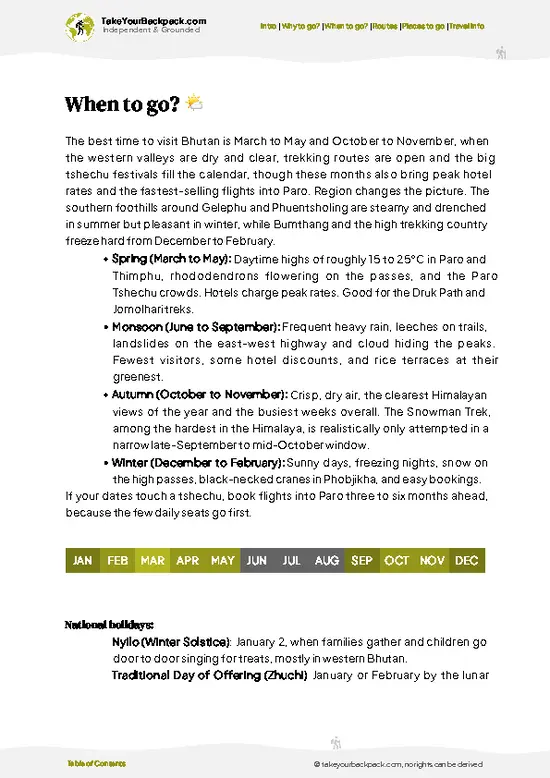
example page 0 from our offline Travel Guide for Bhutan
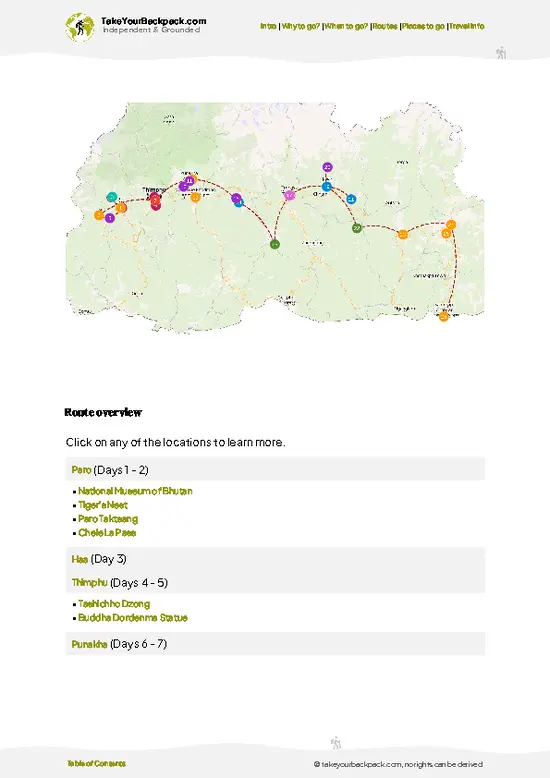
example page 1 from our offline Travel Guide for Bhutan
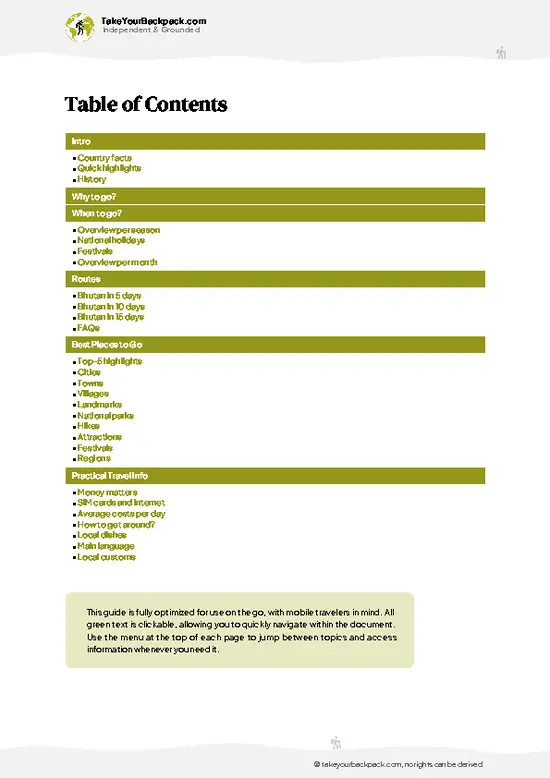
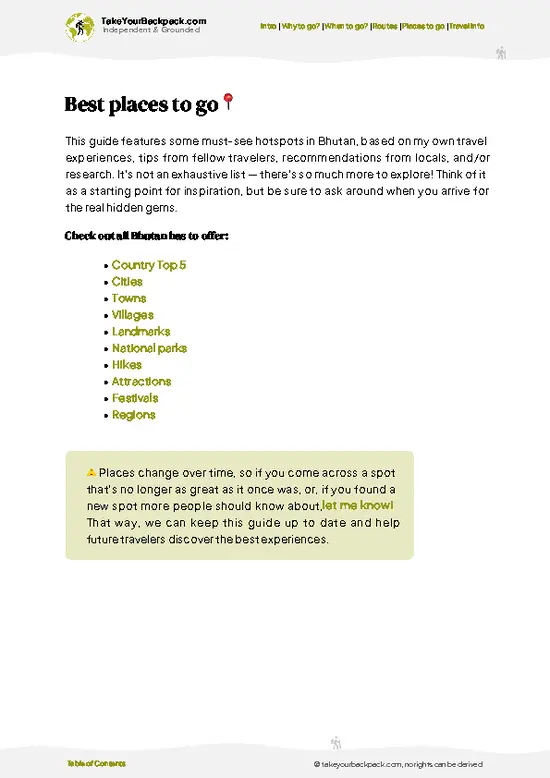
example page 2 from our offline Travel Guide for Bhutan
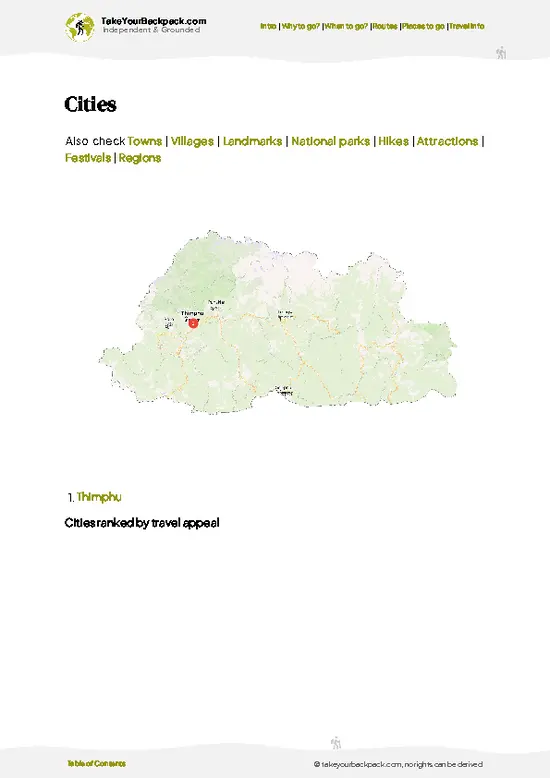
example page 3 from our offline Travel Guide for Bhutan
example page 4 from our offline Travel Guide for Bhutan
example page 5 from our offline Travel Guide for Bhutan
example page 6 from our offline Travel Guide for Bhutan
example page 7 from our offline Travel Guide for Bhutan
Loading the map 🌍
CLICK TO FILTER
cities
towns
villages
landmarks
national parks
hikes
attractions
festivals
regions
SHOW COUNTRY’S BESTSHOW ALL

✨ Why go?
Ranked #6 town in Bhutan
What sets this place apart

In Trashigang, backpackers find a strategic hub for exploring Bhutan’s eastern treasures. The town’s walkable streets make it easy to navigate, with small-scale guesthouses offering cozy, affordable stays. You’ll breathe in the aroma of local dishes wafting from street vendors, where you can savor Ema Datshi and freshly brewed tea.

This isn’t a party town; it’s a place for slow travelers and hikers who appreciate the journey as much as the destination. Many linger a few days, using Trashigang as a base for nearby hikes, like the stunning trails to Kharphu Monastery or the Dewathang area. The atmosphere is friendly, with fellow travelers sharing stories over a communal meal, making it perfect for solo adventurers or small groups seeking connection.

While some may stop briefly, those who … read more 👉
In Trashigang, backpackers find a strategic hub for exploring Bhutan’s eastern treasures. The town’s walkable streets make it easy to navigate, with small-scale guesthouses offering cozy, affordable stays. You’ll breathe in the aroma of local dishes wafting from street vendors, where you can savor Ema Datshi and freshly brewed tea.

This isn’t a party town; it’s a place for slow travelers and hikers who appreciate the journey as much as the destination. Many linger a few days, using Trashigang as a base for nearby hikes, like the stunning trails to Kharphu Monastery or the Dewathang area. The atmosphere is friendly, with fellow travelers sharing stories over a communal meal, making it perfect for solo adventurers or small groups seeking connection.

While some may stop briefly, those who stay longer unlock a deeper understanding of Bhutan’s culture and landscape, making the effort feel worthwhile.

💡 HighlightsThe experiences that define the visit

  1. Trashigang Dzong — The town’s fortress and spiritual-administrative heart perched above the valley; climb up for sweeping views, ancient temples, prayer wheels, and to feel the backbone of eastern Bhutanese life.
  2. Trashigang Market (Main Bazaar) — A lively everyday market where farmers, traders and textile sellers meet; great for fresh produce, local chilies, handmade garments and watching real town rhythms without the tourist gloss.
  3. Trashigang Tshechu (at the Dzong) — The annual masked-dance festival staged in the dzong courtyard; an intense, colorful cultural experience when it happens, with dances, blessings and packed local crowds.
  4. Drangme Chhu riverside and bridge — The riverfront area where you can watch boats, local laundry and river-based activity, get good photos of the dzong
… read more 👉
  1. Trashigang Dzong — The town’s fortress and spiritual-administrative heart perched above the valley; climb up for sweeping views, ancient temples, prayer wheels, and to feel the backbone of eastern Bhutanese life.
  2. Trashigang Market (Main Bazaar) — A lively everyday market where farmers, traders and textile sellers meet; great for fresh produce, local chilies, handmade garments and watching real town rhythms without the tourist gloss.
  3. Trashigang Tshechu (at the Dzong) — The annual masked-dance festival staged in the dzong courtyard; an intense, colorful cultural experience when it happens, with dances, blessings and packed local crowds.
  4. Drangme Chhu riverside and bridge — The riverfront area where you can watch boats, local laundry and river-based activity, get good photos of the dzong from below, and cross the main bridge that connects the town.
Nearby visit options easily done as day trips include Sherubtse College at Kanglung, the Rangjung temple and hot-spring area, and short village walks along the Drangme Chhu to nearby farming settlements.
Spotted a mistake or missing something? Contact us.

Things to do near Trashigang

Ratings based on Tripadvisor reviews. When you book through this link, you support our work at no extra cost to you.

🏘️ NeighborhoodsNeighborhood guide to Trashigang

Trashigang is a vibrant hub in eastern Bhutan, where the pulse of local life meets stunning landscapes. Each neighborhood offers a unique flavor, making it essential for backpackers to choose wisely.

Trashigang Town
This is the heart of the action. You’ll find a mix of budget guesthouses and local eateries. The vibe is lively, especially during market days when the air fills with the scent of spices and fresh produce. Walkability is high, with most attractions within a short stroll. Perfect for short stays, but if you linger, the local culture will draw you in deeper.

Yangnyer
A quieter area, Yangnyer is ideal for those seeking a peaceful retreat. It’s less touristy, with homestays that offer a more authentic experience. The atmosphere is serene, perfect for unwinding after a day of exploration. … read more 👉
Trashigang is a vibrant hub in eastern Bhutan, where the pulse of local life meets stunning landscapes. Each neighborhood offers a unique flavor, making it essential for backpackers to choose wisely.

Trashigang Town
This is the heart of the action. You’ll find a mix of budget guesthouses and local eateries. The vibe is lively, especially during market days when the air fills with the scent of spices and fresh produce. Walkability is high, with most attractions within a short stroll. Perfect for short stays, but if you linger, the local culture will draw you in deeper.

Yangnyer
A quieter area, Yangnyer is ideal for those seeking a peaceful retreat. It’s less touristy, with homestays that offer a more authentic experience. The atmosphere is serene, perfect for unwinding after a day of exploration. Transport access is limited, so plan your outings carefully. This is better suited for longer stays where you can soak in the local rhythm.

Chazam
Just a short drive from Trashigang Town, Chazam offers stunning views of the river. It’s a great spot for those who want a mix of nature and culture. The area is walkable, but you’ll need transport for longer excursions. Nightlife is minimal, making it a good choice for those who prefer quiet evenings. Ideal for both short and longer stays, especially if you want to explore nearby trails.

⌛️ 1 dayHow to make the most of one day

Trashigang, perched in the eastern reaches of Bhutan, is a vibrant tapestry of culture and nature. The town buzzes with life, where the scent of fresh momos wafts through the air and the sounds of laughter echo off the hills. It’s a place where you can feel the pulse of Bhutanese life, away from the usual tourist trails.

Start your morning at the local market, where vendors display colorful produce and handmade crafts. The early light casts a warm glow on the stalls, making it a perfect backdrop for your first cup of butter tea. Engage with the locals; their smiles are as inviting as the food. After soaking in the atmosphere, head to Trashigang Dzong, a fortress that stands sentinel over the valley. The climb is steep, but the view from the top is your reward—rolling hills and the meandering … read more 👉
Trashigang, perched in the eastern reaches of Bhutan, is a vibrant tapestry of culture and nature. The town buzzes with life, where the scent of fresh momos wafts through the air and the sounds of laughter echo off the hills. It’s a place where you can feel the pulse of Bhutanese life, away from the usual tourist trails.

Start your morning at the local market, where vendors display colorful produce and handmade crafts. The early light casts a warm glow on the stalls, making it a perfect backdrop for your first cup of butter tea. Engage with the locals; their smiles are as inviting as the food. After soaking in the atmosphere, head to Trashigang Dzong, a fortress that stands sentinel over the valley. The climb is steep, but the view from the top is your reward—rolling hills and the meandering Drangme Chhu river below.

In the afternoon, wander through the lesser-known neighborhood of Gyalpoizhing. Here, you’ll find traditional wooden houses and a quieter pace. Visit the local weaving center, where artisans create intricate textiles. The vibrant colors and patterns tell stories of the region’s heritage.

As evening approaches, return to the town center and find a cozy eatery. Try the ema datshi, a spicy cheese dish that’s a staple here. The sun sets behind the mountains, painting the sky in hues of orange and pink. Share stories with fellow travelers or locals, and let the warmth of the community wrap around you. In Trashigang, every moment is a chance to connect, explore, and savor the essence of Bhutan.

🌤️ When to go?Seasonal considerations and timing

  • Weather: Spring (March to May) and autumn (September to November) offer crisp, clear skies and mild temperatures, perfect for trekking without the oppressive humidity or monsoon mud. Winter nights can dip below freezing (0°C/32°F), while summers bring heavy rain, making trails slippery and less enjoyable.
  • Temperature: Daytime highs in spring and autumn hover around 15-20°C (59-68°F), ideal for layering. Nights cool down to 5-10°C (41-50°F), so pack a warm jacket. Summer can reach 25°C (77°F) but with high humidity, while winter days are chilly, around 5°C (41°F).
  • Daylight Hours: Longer days in spring and autumn—about 11 to 12 hours—give you ample daylight for exploring and photography. Winter days shorten to 9-10 hours, limiting hiking time and making early starts essential.
  • Crowds: Trashigang
… read more 👉
  • Weather: Spring (March to May) and autumn (September to November) offer crisp, clear skies and mild temperatures, perfect for trekking without the oppressive humidity or monsoon mud. Winter nights can dip below freezing (0°C/32°F), while summers bring heavy rain, making trails slippery and less enjoyable.
  • Temperature: Daytime highs in spring and autumn hover around 15-20°C (59-68°F), ideal for layering. Nights cool down to 5-10°C (41-50°F), so pack a warm jacket. Summer can reach 25°C (77°F) but with high humidity, while winter days are chilly, around 5°C (41°F).
  • Daylight Hours: Longer days in spring and autumn—about 11 to 12 hours—give you ample daylight for exploring and photography. Winter days shorten to 9-10 hours, limiting hiking time and making early starts essential.
  • Crowds: Trashigang remains relatively quiet year-round, but spring and autumn see a slight uptick from local festivals and trekking groups. This means more energy in town without overwhelming the peaceful vibe.
  • Seasonal Activities: Spring bursts with rhododendron blooms, painting the hillsides red and pink. Autumn hosts harvest festivals and traditional dances, offering rich cultural immersion. Summer’s monsoon dampens outdoor plans, while winter’s cold limits high-altitude trekking.
  • Price Fluctuations: Peak seasons in spring and autumn can push up accommodation prices slightly, but Trashigang’s remote charm keeps costs reasonable compared to Bhutan’s tourist hubs. Off-season rates drop but come with trade-offs in weather and accessibility.
Pro-tip: Aim for late April or early October to catch the best light, comfortable temps, and vibrant local life—Trashigang’s soul shines brightest when the air is clear and the trails are dry.


source: climatestotravel.comJANJanuary: fair for travelingFEBFebruary: good for travelingMARMarch: highly recommended for travelingAPRApril: excellent for travelingMAYMay: highly recommended for travelingJUNJune: fair for travelingJULJuly: below average for travelingAUGAugust: below average for travelingSEPSeptember: highly recommended for travelingOCTOctober: excellent for travelingNOVNovember: highly recommended for travelingDECDecember: fair for traveling
when-to-go

✈️ The backpacker research shortcutBhutan Travel Guide

An offline-friendly backpacking guide with optimized travel routes, ranked highlights, transport advice, and the best areas to stay.
example page 0 from our offline Travel Guide for Bhutan
example page 1 from our offline Travel Guide for Bhutan
example page 2 from our offline Travel Guide for Bhutan
example page 3 from our offline Travel Guide for Bhutan
example page 4 from our offline Travel Guide for Bhutan
example page 5 from our offline Travel Guide for Bhutan
example page 6 from our offline Travel Guide for Bhutan
example page 7 from our offline Travel Guide for Bhutan
The digital guide (210 pages) contains:
✅ 52 highlights, ranked by travel appeal
✅ Optimized 5, 10 & 15-day travel routes
✅ Cities, national parks, landmarks, beaches
✅ How to get around
✅ Offline-friendly for travel without Wi-Fi
👉 Click to see all 30+ guide features

📅 Plan smarter in minutes, not weeks
✅ Month by month travel advice
✅ Festivals & national holidays
✅ Budget expectations

🗺️ Go to the right places, skip the overrated ones
✅ Honest pros & cons of destinations
✅ Top hikes, parks & viewpoints
✅ Lesser-known places most travelers miss
✅ Clear “worth it vs skip it” guidance

🛏️ Travel smoothly without rookie mistakes
✅ Best areas to stay
✅ Transport systems explained simply
✅ Common scams & safety advice
✅ SIM cards, money & practical tips

🌍 Understand the country, not just visit it
✅ Culture & traditions
✅ 52 Essential phrases & customs
✅ Festivals worth planning around
✅ Traveler-friendly historical context
✅ Insights that make places more meaningful

📱 Built for real travel conditions
✅ Fully downloadable PDF
✅ Works completely offline
✅ Optimized for phone use
✅ Useful in remote areas & buses
✅ Everything in one place
Stop searching, start planning
Get instant access to your full guide. 30‑day money-back guarantee.
+ Add another guide for just

By proceeding you agree to our terms.
Sent to your inbox immediately after payment • 100% Secure Checkout
Best Backpacking Travel Advisor 2025 tourism awardBest Backpacking
Travel Advisor
2025
What others say about Take Your Backpack Guides:
⭐⭐⭐⭐⭐
Fantastic, amazing amount of information!
⭐⭐⭐⭐⭐
My goodness this is amazing, it's what I've been looking for hats off too you!
⭐⭐⭐⭐⭐
I think this is absolutely BRILLIANT
⭐⭐⭐⭐
Very complete and informative. It's still missing places, but I gotta to commend you
⭐⭐⭐⭐⭐
This is truly amazing, thank you, can't wait to explore it with my kids!
⭐⭐⭐⭐⭐
Awesome resource, thank you!
⭐⭐⭐⭐⭐
This is amazing! Can't wait to explore the ones I haven't seen
⭐⭐⭐⭐
I love this! Well done, great idea.
⭐⭐⭐⭐⭐
Thanks for taking the time to make this gem!
⭐⭐⭐⭐⭐
This might be the best website I've ever seen.
⭐⭐⭐⭐⭐
Congratulations, and thank you so much for your work; it's incredibly valuable.
⭐⭐⭐⭐
In all seriousness I think you did a great job pointing out the important spots
⭐⭐⭐⭐⭐
10/10 very good
⭐⭐⭐⭐⭐
As someone who's only just starting to visit regularly this is awesome, thank you.
⭐⭐⭐⭐
Thank you very much! I'm going to visit my dad, it's going to be very useful!
⭐⭐⭐⭐⭐
This is really cool! We'll be travelling for the first time and this definitely come in handy.
⭐⭐⭐⭐⭐
You are now our minister of culture, congratulations 👨‍💼
⭐⭐⭐⭐⭐
Just wanted to tell you that this is a pearl! Going to follow your recommendations.
⭐⭐⭐⭐⭐
This is so cool. I'll definitely be using the resource for my travels soon.
⭐⭐⭐⭐⭐
This is very impressive! Good work.
⭐⭐⭐⭐⭐
This is an amazing and informative site. Very well done!

🛏️ Where to stay?Best areas and accommodation options

Trashigang’s heart for backpackers pulses strongest near the town center, around the main market area. This is where the town breathes—early morning chatter, the scent of fresh chilies and butter tea mingling in the crisp mountain air. Staying here means you’re steps away from local eateries and the bus station, making it easy to dive into daily life or catch a ride to the next adventure without hassle. The streets are lively but safe, with a steady flow of fellow travelers and friendly locals, so you won’t feel isolated even if you’re solo.

Compared to the quieter outskirts, the center offers … read more 👉
Trashigang’s heart for backpackers pulses strongest near the town center, around the main market area. This is where the town breathes—early morning chatter, the scent of fresh chilies and butter tea mingling in the crisp mountain air. Staying here means you’re steps away from local eateries and the bus station, making it easy to dive into daily life or catch a ride to the next adventure without hassle. The streets are lively but safe, with a steady flow of fellow travelers and friendly locals, so you won’t feel isolated even if you’re solo.

Compared to the quieter outskirts, the center offers a social vibe that’s hard to beat. Hostels and guesthouses cluster here, catering to budget travelers who want to swap stories over a shared meal or plan hikes together. The light in this part of town shifts beautifully in the late afternoon, casting long shadows on the red-brick buildings—a perfect backdrop for winding down after a day on the trail. Venturing further out means more solitude but less connection, which can feel like missing the pulse that makes Trashigang memorable.

🚌 Getting aroundTransportation options and practical tips

Trashigang moves at its own pace—neither frantic nor sluggish, but a steady rhythm shaped by mountain air and local routines. The sun filters through pine needles, casting long shadows on narrow streets where vendors call out in measured tones. Here, time isn’t dictated by clocks but by the flow of daily life: school bells, prayer times, and the occasional honk of a passing truck. You won’t find rigid schedules or polished timetables; instead, you navigate by intuition, local cues, and a bit of patience. This is a place where the journey itself is part of the experience, and understanding the transit options means syncing with the town’s pulse rather than fighting it.
  • Walking: The most reliable and immersive way to get around Trashigang. The town’s compact layout and pedestrian-friendly lanes
… read more 👉
Trashigang moves at its own pace—neither frantic nor sluggish, but a steady rhythm shaped by mountain air and local routines. The sun filters through pine needles, casting long shadows on narrow streets where vendors call out in measured tones. Here, time isn’t dictated by clocks but by the flow of daily life: school bells, prayer times, and the occasional honk of a passing truck. You won’t find rigid schedules or polished timetables; instead, you navigate by intuition, local cues, and a bit of patience. This is a place where the journey itself is part of the experience, and understanding the transit options means syncing with the town’s pulse rather than fighting it.
  • Walking: The most reliable and immersive way to get around Trashigang. The town’s compact layout and pedestrian-friendly lanes make walking both practical and scenic. Expect uneven stone paths and occasional steep stretches, so sturdy shoes are a must. Walking lets you catch the scent of wood smoke and the chatter of locals, turning every stroll into a mini-adventure.
  • Local Buses: These are the backbone of regional travel, connecting Trashigang with nearby villages and towns. Buses don’t run on a strict timetable but generally start rolling around 7:00 AM and wind down by 6:00 PM. Tickets are cheap—often under $1 for short trips—but expect crowded conditions and basic seating. The slow pace means you’ll see the landscape unfold in real time, from terraced fields to distant mountain ridges.
  • Shared Taxis (Jeep Taxis): For quicker, more flexible travel, shared jeeps are your go-to. They leave when full, so timing depends on demand, typically between 8:00 AM and 5:00 PM. Prices hover around $2-$3 for common routes. The ride can be bumpy and noisy, but it’s a direct line to places buses don’t reach easily. Pro tip: grab a window seat for fresh mountain air and panoramic views.
  • Private Taxis: If you want control over your schedule and comfort, private taxis are available but pricier—expect to pay 4-5 times the shared taxi fare. Negotiation is key, and rides can be arranged through guesthouses or local contacts. This option suits those with tight itineraries or heavy gear, offering a smoother, faster ride through the winding mountain roads.

👛 Costs (as of 23 September 2026)Typical daily expenses

Backpacking in Trashigang, Bhutan, offers a unique blend of rugged charm and cultural depth, but it comes with a price tag that reflects the country’s controlled tourism model and remote location.
  • Dorm Accommodation: Options are limited and basic, often guesthouses rather than hostels. Expect to pay around $15 to $25 per night. These places are simple, with shared bathrooms and minimal amenities, but they put you right in the heart of town, close to markets and local life.
  • Meals: Eating local is both a necessity and a delight. A typical meal at a local eatery costs between $3 and $7. Bhutanese staples like ema datshi (chili cheese stew) and red rice are filling and flavorful. Western-style meals or imported goods will push your daily food budget higher, closer to $10 to $15.
  • Local Transport:
… read more 👉
Backpacking in Trashigang, Bhutan, offers a unique blend of rugged charm and cultural depth, but it comes with a price tag that reflects the country’s controlled tourism model and remote location.
  • Dorm Accommodation: Options are limited and basic, often guesthouses rather than hostels. Expect to pay around $15 to $25 per night. These places are simple, with shared bathrooms and minimal amenities, but they put you right in the heart of town, close to markets and local life.
  • Meals: Eating local is both a necessity and a delight. A typical meal at a local eatery costs between $3 and $7. Bhutanese staples like ema datshi (chili cheese stew) and red rice are filling and flavorful. Western-style meals or imported goods will push your daily food budget higher, closer to $10 to $15.
  • Local Transport: Trashigang is compact enough to explore mostly on foot, but for longer trips or to nearby villages, shared jeeps or minibuses run around $1 to $3 per ride. Hiring a private taxi for a day can cost $20 to $30, which is useful if you want to cover more ground efficiently.
  • Basic Activities/Entry Fees: Most cultural sites and monasteries have modest entry fees, typically $1 to $3. Guided treks or special tours will add to your costs, often starting around $20 per day, but independent exploration is very doable and rewarding if you’re comfortable navigating on your own.
  • Miscellaneous Expenses: This includes bottled water, snacks, phone credit, or small souvenirs. Budget around $3 to $7 daily. Keep in mind that imported goods and electronics are pricier due to Bhutan’s import taxes, so plan accordingly.

Trashigang’s daily backpacking costs hover between $25 and $50, depending on how much you lean into local simplicity versus occasional splurges on transport or guided experiences. The town’s quiet pace and authentic vibe make every dollar feel like an investment in a rare, off-the-beaten-path adventure.


source: bhutan.travel
⚠️ Prices can change and everyone travels differently, so take this as a rough guide. Hope it helps you plan your adventure!

🚌 Day tripsEasy escapes and nearby places

Trashigang, Bhutan, is your launchpad for unforgettable day trips that blend culture, nature, and adventure. The town’s vibrant atmosphere and welcoming locals set the stage for exploration. Here are some standout trips that will enrich your experience.

Drukgyel Dzong
A scenic drive takes you to the ruins of Drukgyel Dzong, about an hour from Trashigang. The fortress, once a stronghold against Tibetan invasions, offers sweeping views of the surrounding valleys. The hike up to the dzong is invigorating, with the scent of pine filling the air. Aim for early morning to catch the sunrise illuminating the ancient stones. Budget around 300-500 Ngultrum for transport and snacks. Many first-timers underestimate the chill at this altitude, so layer up!


Rangjung Monastery
Just a 30-minute ride … read more 👉
Trashigang, Bhutan, is your launchpad for unforgettable day trips that blend culture, nature, and adventure. The town’s vibrant atmosphere and welcoming locals set the stage for exploration. Here are some standout trips that will enrich your experience.

Drukgyel Dzong
A scenic drive takes you to the ruins of Drukgyel Dzong, about an hour from Trashigang. The fortress, once a stronghold against Tibetan invasions, offers sweeping views of the surrounding valleys. The hike up to the dzong is invigorating, with the scent of pine filling the air. Aim for early morning to catch the sunrise illuminating the ancient stones. Budget around 300-500 Ngultrum for transport and snacks. Many first-timers underestimate the chill at this altitude, so layer up!


Rangjung Monastery
Just a 30-minute ride from Trashigang, Rangjung Monastery is a serene spot where you can soak in the spiritual ambiance. The intricate murals and the sound of chanting monks create a meditative atmosphere. Spend a few hours wandering the grounds, and don’t miss the chance to chat with the resident monks; they often enjoy sharing their insights. A round trip will cost you about 200 Ngultrum. The best time to visit is during the morning when the light filters through the windows, casting a warm glow.


Kharphu Monastery
For a more challenging hike, head to Kharphu Monastery, roughly an hour away. The trail winds through lush forests, and the effort is rewarded with panoramic views of the valley below. This is a great spot for a picnic, so pack some local snacks. Expect to spend around 400 Ngultrum for transport. The trek is best done in the cooler months, as summer can bring heavy rains. Many newcomers underestimate the trail’s difficulty, so wear sturdy shoes!


Trashiyangtse
A bit further afield, Trashiyangtse is about a two-hour drive from Trashigang. Known for its traditional crafts, this town is a treasure trove of local artistry. Visit the Chorten Kora, a stupa that resembles the famous Boudhanath in Kathmandu. The journey costs around 600 Ngultrum, and the best time to go is during the annual festival when the atmosphere buzzes with energy. First-timers often miss the local workshops, so take the time to explore!

🛡️ SafetySafety Tips and Common Scams in Trashigang

Trashigang is generally safe, but a few practical tips can enhance your experience. Stay aware in crowded markets, especially around the bus station. Keep your belongings close; petty theft can happen, though it’s rare.

If you’re solo, avoid wandering too far after dark. The streets can be quiet, and it’s easy to lose your bearings. Stick to well-lit areas and consider asking locals for advice on safe routes.

Scams are minimal, but be cautious with overly friendly strangers offering unsolicited help. Politely decline and trust your instincts.

Annoyances might include occasional language barriers, but a smile and patience go a long way. Carry a phrasebook or use translation apps to bridge gaps. Embrace the quirks; they’re part of the journey.

FAQFrequently asked questions about Trashigang

Trashigang is worth visiting for its authentic Bhutanese culture and scenic beauty, not just a stopover. It offers a less touristy experience with attractions like Trashigang Dzong and nearby villages. The town provides a genuine glimpse into eastern Bhutan's lifestyle.
You need 2 to 3 days in Trashigang to explore the dzong, local markets, and nearby hiking trails comfortably. This allows time to visit the Trashigang Dzong, which dates back to the 17th century, and enjoy the surrounding natural landscapes without rushing.
Trashigang cannot be easily visited as a day trip from nearby cities due to its remote location and travel times. It is about 7-8 hours by road from Mongar or 10-12 hours from the capital, Thimphu, making overnight stays necessary for a proper visit.
⚠️ Things can change over time, so always validate details locally before you go.

Other Bhutanese towns near Trashigang

Explore more nearby:

  • Kanglung—college campus, hillside settlement, student life| 6 km away
  • Mongar—ridge-top dzong, hospital center, eastern gateway| 32 km away
  • Lhuentse—textile weaving, ancestral monasteries, eastern hills| 52 km away

💡 Not sure where to go next?
Create a personalized itinerary for Bhutan including Trashigang and the places that fit your trip.

Generate my itinerary

👉 Discover all towns

Or checkout all Bhutan has to offer (think cities, towns, villages, national parks, hikes, beaches, festivals)
Country photo of Bhutan

We 💚 feedbackKey takeaways before you go

Trashigang is a tapestry of vibrant culture and rugged beauty. The air is thick with the scent of incense and the distant sound of prayer flags flapping in the wind. Don’t miss the local market—it’s a sensory overload, bursting with colors and flavors. Just be ready for the altitude; it can sneak up on you. Embrace the slower pace, and you’ll find the real magic in the conversations with locals.

✍️ Help improve this page!
The information on this page is based on in-depth research, insights shared by experienced travelers, and feedback from the local travel community in Bhutan. While every effort is made to keep the information accurate and current, conditions can change — so if you spot anything incorrect or outdated, please get in touch.


🙋‍♂️ Give feedback

👋 Meet the founderWho’s Behind Take Your Backpack?

Johan, backpacker and founder of TakeYourBackpackHi, I’m Johan (Netherlands 🇳🇱), the creator of TakeYourBackpack. Over the past 3 decades, I’ve backpacked through 90+ countries across six continents, gaining extensive experience with independent travel, long-term trips, and overland routes.

This site is built on a combination of firsthand travel experience and carefully curated insights from other backpackers. Many guides are based on places I’ve personally visited, while others bring together tips, observations, and practical advice shared by trusted travelers I’ve met along the way.

The goal is to provide realistic, experience-driven guidance — not generic itineraries — so you can explore destinations with better context, clearer expectations, and more confidence.