
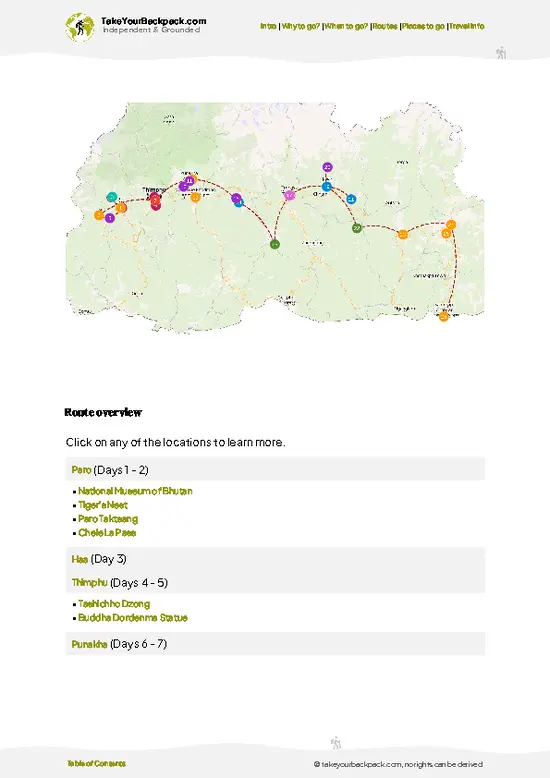
- Intimate village atmosphere — Ura Yakchoe is not a big-city spectacle; it’s a village festival where you can stand shoulder-to-shoulder with locals, get front-row views of the dances, and actually feel like you’re stepping into community life rather than watching a performance from afar.
- Distinctive local masked dances — The cham performances here carry local variations and costumes you won’t often see in larger tsechus, so the choreography and masks feel more “of this place” and less standardized, which makes each dance surprisingly fresh and authentic.
- Traditional dress and living culture — Nearly everyone turns up in full kira and gho, layered jewelry and regional hats; that sea of local dress, combined with villagers running stalls and chatting in the courtyard, creates a living scene
- Intimate village atmosphere — Ura Yakchoe is not a big-city spectacle; it’s a village festival where you can stand shoulder-to-shoulder with locals, get front-row views of the dances, and actually feel like you’re stepping into community life rather than watching a performance from afar.
- Distinctive local masked dances — The cham performances here carry local variations and costumes you won’t often see in larger tsechus, so the choreography and masks feel more “of this place” and less standardized, which makes each dance surprisingly fresh and authentic.
- Traditional dress and living culture — Nearly everyone turns up in full kira and gho, layered jewelry and regional hats; that sea of local dress, combined with villagers running stalls and chatting in the courtyard, creates a living scene of Bhutanese rural culture that’s great for observing and photographing.
- Beautiful upland setting and temple backdrop — The festival unfolds in and around Ura’s old lhakhang and stone houses, with panoramic hills on the edges of the valley. The landscape and simple architecture give the whole event a slow, scenic feel that’s different from the bustle of larger dzong-based festivals.
- Folk songs, local rituals and everyday craft displays — Beyond the masked cham there are folk dances, devotional songs and small rituals tied to local beliefs, plus villagers selling handmade snacks and crafts. It’s a good chance to taste regional food, see craftwork up close, and catch rituals that connect festival performance to village life.
Spotted a mistake or missing something? Contact us.

 Best Backpacking
 Hi, I’m Johan (Netherlands 🇳🇱), the creator of TakeYourBackpack. Over the past 3 decades, I’ve backpacked through 90+ countries across six continents, gaining extensive experience with independent travel, long-term trips, and overland routes.