×

Bhutan🇧🇹 | festivalsWangdue Phodrang Tshechuriver fortress, folk dances, bamboo crafts | things to do and best time to go

Explore Ura YakchoeExplore Bumthang Owl Trek

Backpacking in Wangdue Phodrang Tshechu
👍 Recommendedfestival ranked #5
By Johan Kruseman 🇳🇱 | Updated September 4, 2026

Here’s what most travelers only realize after the fact: Wangdue Phodrang Tshechu rewards the early riser. Arrive before the crowds and you’ll snag a front-row spot to the masked dances—no elbows, no camera arms in your face, just you and the swirl of color. Wangdue Phodrang Tshechu unfolds in central Bhutan, perched above the Punatsangchhu River, where the dzong’s stone walls catch the morning mist. This isn’t a festival for the selfie-chasing masses; it’s a local’s affair, pulsing with the thump of traditional drums and the sharp, metallic clash of cymbals. Expect three days of ritual, pageantry, and communal laughter, with villagers and monks mixing freely. The vibe is electric but grounded—nobody’s putting on a show for tourists. If you want to feel Bhutan’s spiritual heartbeat without the circus, this is where you spend your energy.

Discover everything you want to know in the 📖 Bhutan Travel Guide.


Get your Bhutan guide
54 ranked highlights, routes & tips, works offline (222 pages)
Loading the map 🌍
CLICK TO FILTER
cities
towns
villages
landmarks
national parks
hikes
attractions
festivals
regions
SHOW COUNTRY’S BESTSHOW ALL

✨ Why go?
Ranked #5 festival in Bhutan
Why visitors keep coming back

Backpackers flock to Wangdue Phodrang Tshechu for a burst of social energy that transforms the landscape into a vibrant tapestry of culture and connection. This festival isn’t just an event; it’s a temporary community where locals and travelers mingle, sharing stories and laughter. The cultural immersion is palpable as you witness traditional dances, colorful costumes, and the rhythmic beats of drums that echo through the valley.

Planning your route around this festival means you’re not just ticking boxes; you’re diving into an experience that’s both affordable and enriching compared to similar events worldwide. You’ll find that the costs here are often lower than at other festivals, allowing you to stretch your budget for those moments that matter.

Integrating the Tshechu into your travel … read more 👉
Backpackers flock to Wangdue Phodrang Tshechu for a burst of social energy that transforms the landscape into a vibrant tapestry of culture and connection. This festival isn’t just an event; it’s a temporary community where locals and travelers mingle, sharing stories and laughter. The cultural immersion is palpable as you witness traditional dances, colorful costumes, and the rhythmic beats of drums that echo through the valley.

Planning your route around this festival means you’re not just ticking boxes; you’re diving into an experience that’s both affordable and enriching compared to similar events worldwide. You’ll find that the costs here are often lower than at other festivals, allowing you to stretch your budget for those moments that matter.

Integrating the Tshechu into your travel plans adds a layer of excitement and spontaneity. It’s a chance to recharge your spirit, connect with the heart of Bhutan, and create memories that will fuel your journey long after the last dance.
Want to include Wangdue Phodrang Tshechu in your Bhutan route?
Create a personalized Bhutan itinerary that includes Wangdue Phodrang Tshechu and the places that fit your trip — based on your travel style, budget, and available time. Get your route in seconds.

Generate my trip

💡 HighlightsMust-see experiences and standout moments

  • Masked Cham dances — Massive masks, bright brocade costumes and tight, precise choreography performed by monks and trained lay dancers. Watching the chams is like seeing centuries of myth and morality acted out live: some dances are fierce and ritualistic, others slow and hypnotic, and they’re the backbone of the whole festival.
  • Unfurling of the Thongdrol (giant appliqué thangka) — A huge sacred painting is rolled out on a dzong wall at dawn, and the hush and color when it appears is spine-tingling. Locals treat it as a deep blessing; people line up to view it closely, to receive merit and take part in a rare, communal spiritual moment.
  • Local dress, market vibe and people-watching — Everyone turns up in gho and kira, stalls hawk snacks and handicrafts, and the whole town becomes a social
read more 👉
  • Masked Cham dances — Massive masks, bright brocade costumes and tight, precise choreography performed by monks and trained lay dancers. Watching the chams is like seeing centuries of myth and morality acted out live: some dances are fierce and ritualistic, others slow and hypnotic, and they’re the backbone of the whole festival.
  • Unfurling of the Thongdrol (giant appliqué thangka) — A huge sacred painting is rolled out on a dzong wall at dawn, and the hush and color when it appears is spine-tingling. Locals treat it as a deep blessing; people line up to view it closely, to receive merit and take part in a rare, communal spiritual moment.
  • Local dress, market vibe and people-watching — Everyone turns up in gho and kira, stalls hawk snacks and handicrafts, and the whole town becomes a social reunion. The sights, smells and chatter—kids running around, elders sharing butter tea—give you a real grassroots look at Bhutanese community life.
  • Comic and satirical dances — Not everything is solemn. Several chams are outright funny and poke fun at human foibles, local types and social pretensions. The laughter and applause you’ll hear are as culturally revealing as the prayers: it’s religion and social critique wrapped together.
  • Ritual music, chants and blessings — Long horns, cymbals, conches, low chanting and the monks’ ritual movements create a thick, immersive soundscape. Between performances you’ll see formal blessings, scarf offerings and small ritual practices that make the whole festival feel both celebratory and deeply devotional.
Spotted a mistake or missing something? Contact us.

Things to do near Wangdue Phodrang Tshechu

Ratings based on Tripadvisor reviews. When you book through this link, you support our work at no extra cost to you.

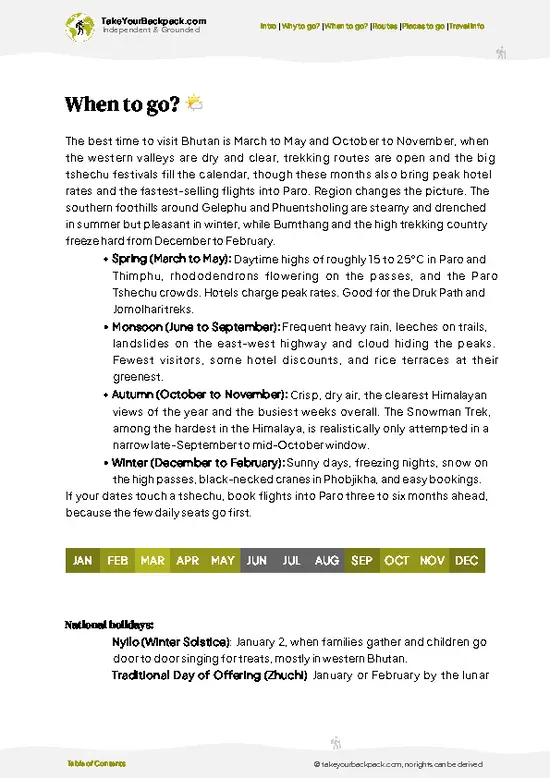
🌤️ When to go?When is the celebration of Wangdue Phodrang Tshechu?


  • Weather: The festival falls in late September or early October, right after Bhutan’s monsoon season. Expect crisp, clear skies perfect for trekking and outdoor events. Rain is rare, so pack light but prepare for sudden mountain chills.

  • Temperature: Days hover around 15-20°C (59-68°F), comfortable for hiking and festival-watching. Nights dip to 5-10°C (41-50°F), so layer up to avoid shivering through the dances.

  • Daylight Hours: With roughly 11-12 hours of daylight, you get ample time to explore beyond the festival grounds without rushing. Early sunsets mean you’ll want a headlamp or flashlight for late-night strolls.

  • Crowds: This is one of Bhutan’s major festivals, so expect a lively crowd. Arrive early to secure good viewing spots and accommodations. The buzz is part of the experience,
read more 👉

  • Weather: The festival falls in late September or early October, right after Bhutan’s monsoon season. Expect crisp, clear skies perfect for trekking and outdoor events. Rain is rare, so pack light but prepare for sudden mountain chills.

  • Temperature: Days hover around 15-20°C (59-68°F), comfortable for hiking and festival-watching. Nights dip to 5-10°C (41-50°F), so layer up to avoid shivering through the dances.

  • Daylight Hours: With roughly 11-12 hours of daylight, you get ample time to explore beyond the festival grounds without rushing. Early sunsets mean you’ll want a headlamp or flashlight for late-night strolls.

  • Crowds: This is one of Bhutan’s major festivals, so expect a lively crowd. Arrive early to secure good viewing spots and accommodations. The buzz is part of the experience, but latecomers risk missing prime moments.

  • Seasonal Activities: Post-monsoon trekking peaks now, with trails lush and rivers roaring. Combine the festival with hikes to nearby dzongs or villages for a full cultural and natural immersion.

  • Price Fluctuations: Festival season drives up prices on lodging and transport. Book well ahead to lock in rates and avoid last-minute surges that can drain your budget fast.


Pro-tip: Time your arrival a day early to acclimate and snag the best festival seats before the crowd swells—your energy and wallet will thank you.


source: climatestotravel.comJANJanuary: not recommended for travelingFEBFebruary: not recommended for travelingMARMarch: not recommended for travelingAPRApril: not recommended for travelingMAYMay: not recommended for travelingJUNJune: not recommended for travelingJULJuly: not recommended for travelingAUGAugust: not recommended for travelingSEPSeptember: excellent for travelingOCTOctober: excellent for travelingNOVNovember: not recommended for travelingDECDecember: not recommended for traveling

✈️ The backpacker research shortcutBhutan Travel Guide

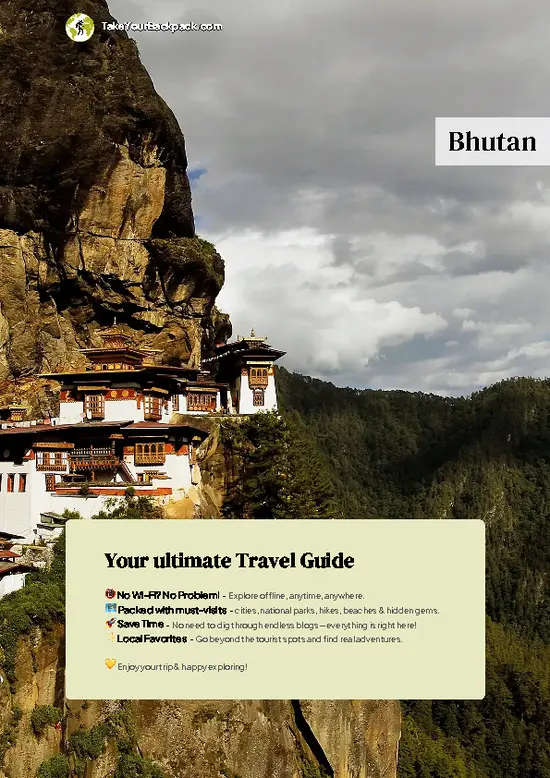
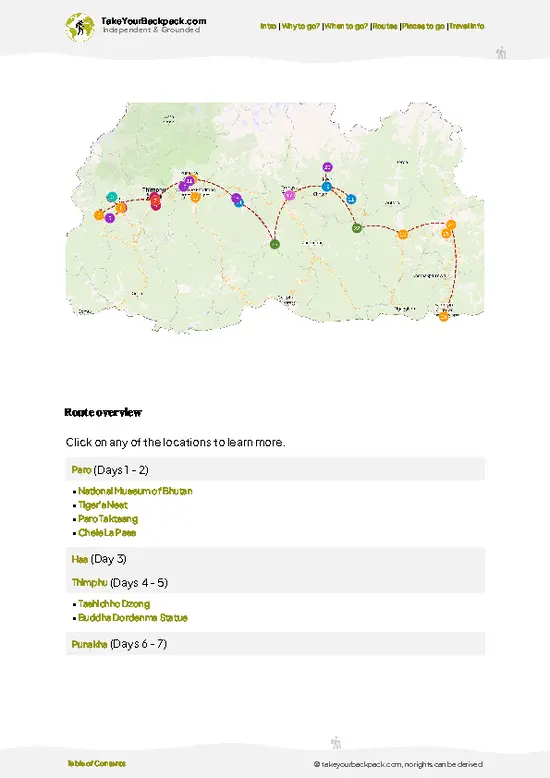
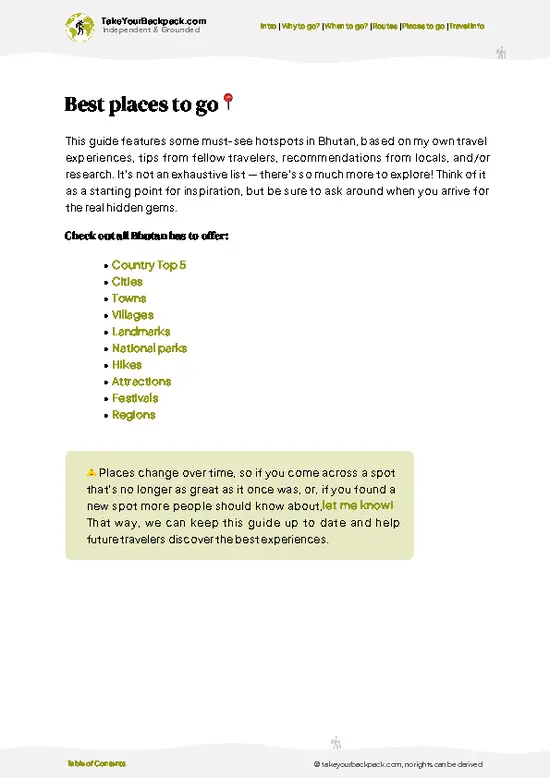
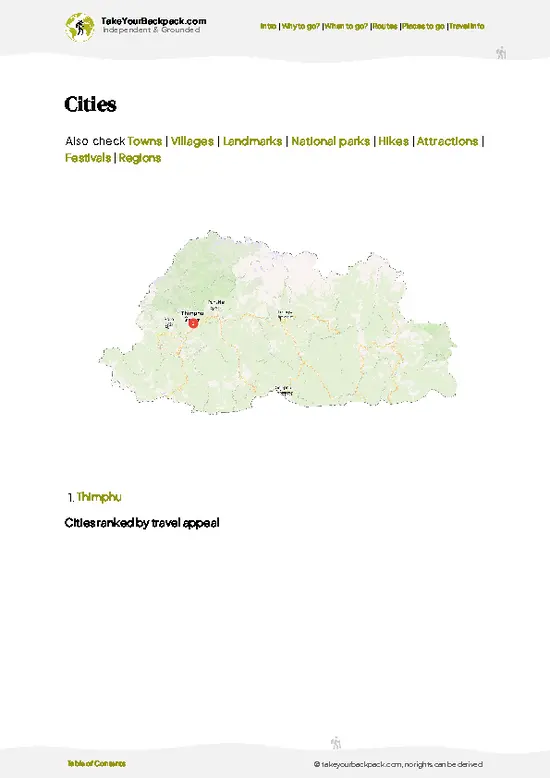
An offline-friendly backpacking guide with optimized travel routes, ranked highlights, transport advice, and the best areas to stay.
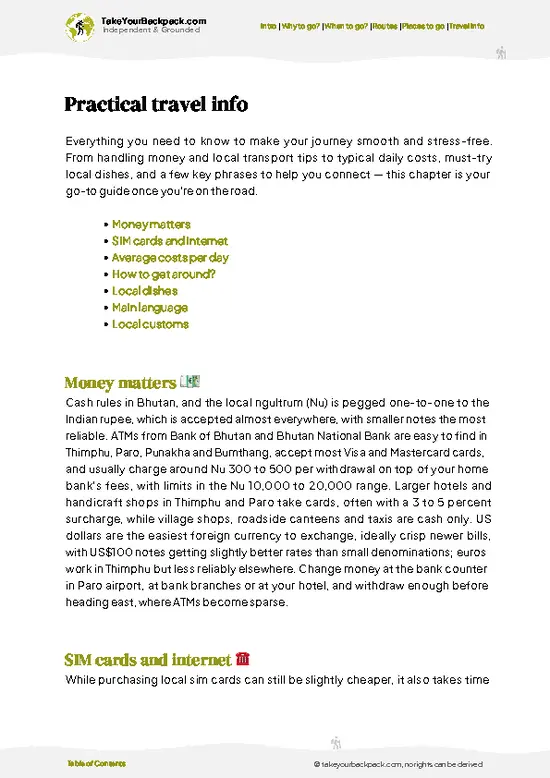
example page 0 from our offline Travel Guide for Bhutan
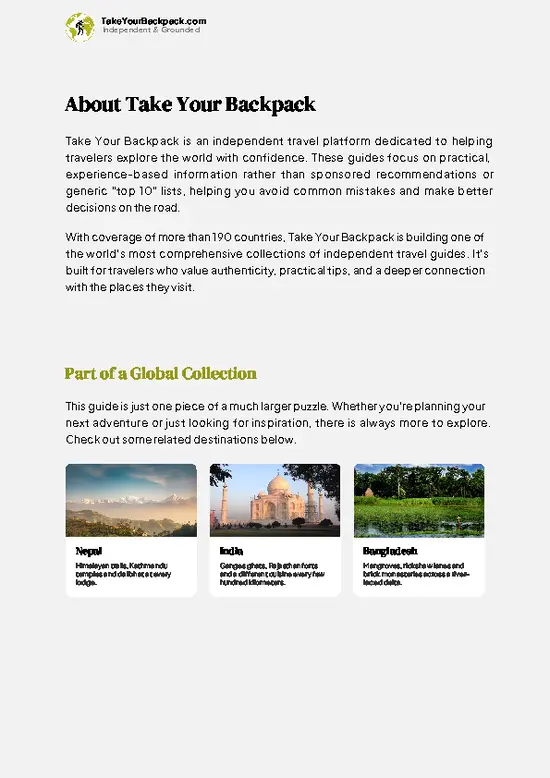
example page 1 from our offline Travel Guide for Bhutan
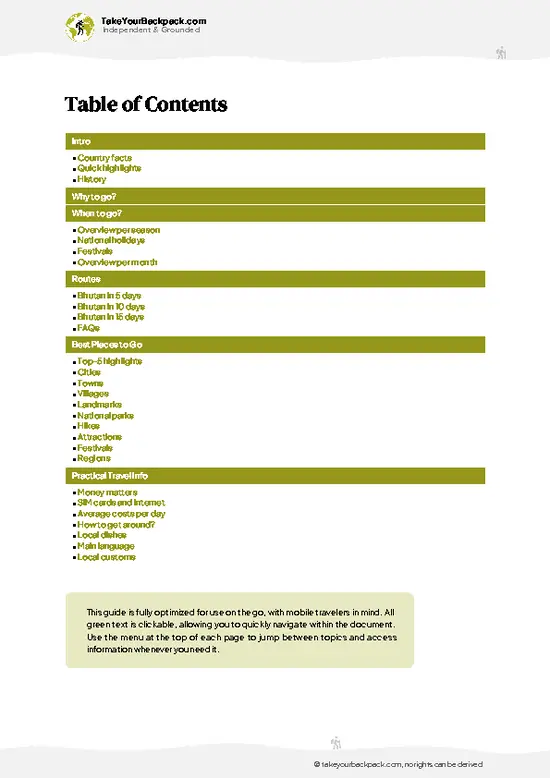
example page 2 from our offline Travel Guide for Bhutan
example page 3 from our offline Travel Guide for Bhutan
example page 4 from our offline Travel Guide for Bhutan
example page 5 from our offline Travel Guide for Bhutan
example page 6 from our offline Travel Guide for Bhutan
example page 7 from our offline Travel Guide for Bhutan
The digital guide (222 pages) contains:
54 highlights, ranked by travel appeal
Optimized 5, 10 & 15-day travel routes
Cities, national parks, landmarks, beaches
How to get around
Offline-friendly for travel without Wi-Fi
👉 Click to see all 30+ guide features

📅 Plan smarter in minutes, not weeks
Month by month travel advice
Festivals & national holidays
Budget expectations

🗺️ Go to the right places, skip the overrated ones
Honest pros & cons of destinations
Top hikes, parks & viewpoints
Lesser-known places most travelers miss
Clear “worth it vs skip it” guidance

🛏️ Travel smoothly without rookie mistakes
Best areas to stay
Transport systems explained simply
Common scams & safety advice
SIM cards, money & practical tips

🌍 Understand the country, not just visit it
Culture & traditions
52 Essential phrases & customs
Festivals worth planning around
Traveler-friendly historical context
Insights that make places more meaningful

📱 Built for real travel conditions
Fully downloadable PDF
Works completely offline
Optimized for phone use
Useful in remote areas & buses
Everything in one place
Save weeks of stressful planning
Get instant access to your full guide. 30‑day money-back guarantee.
+ Add another guide for just US$7.80

By proceeding you agree to our terms.
Sent to your inbox immediately after payment • 100% Secure Checkout
Best Backpacking Travel Advisor 2025 tourism awardBest Backpacking
Travel Advisor
2025
What others say about Take Your Backpack Guides:
⭐⭐⭐⭐⭐
Fantastic, amazing amount of information!
⭐⭐⭐⭐⭐
My goodness this is amazing, it's what I've been looking for hats off too you!
⭐⭐⭐⭐⭐
I think this is absolutely BRILLIANT
⭐⭐⭐⭐
Very complete and informative. It's still missing places, but I gotta to commend you
⭐⭐⭐⭐⭐
This is truly amazing, thank you, can't wait to explore it with my kids!
⭐⭐⭐⭐⭐
Awesome resource, thank you!
⭐⭐⭐⭐⭐
This is amazing! Can't wait to explore the ones I haven't seen
⭐⭐⭐⭐
I love this! Well done, great idea.
⭐⭐⭐⭐⭐
Thanks for taking the time to make this gem!
⭐⭐⭐⭐⭐
This might be the best website I've ever seen.
⭐⭐⭐⭐⭐
Congratulations, and thank you so much for your work; it's incredibly valuable.
⭐⭐⭐⭐
In all seriousness I think you did a great job pointing out the important spots
⭐⭐⭐⭐⭐
10/10 very good
⭐⭐⭐⭐⭐
As someone who's only just starting to visit regularly this is awesome, thank you.
⭐⭐⭐⭐
Thank you very much! I'm going to visit my dad, it's going to be very useful!
⭐⭐⭐⭐⭐
This is really cool! We'll be travelling for the first time and this definitely come in handy.
⭐⭐⭐⭐⭐
You are now our minister of culture, congratulations 👨‍💼
⭐⭐⭐⭐⭐
Just wanted to tell you that this is a pearl! Going to follow your recommendations.
⭐⭐⭐⭐⭐
This is so cool. I'll definitely be using the resource for my travels soon.
⭐⭐⭐⭐⭐
This is very impressive! Good work.
⭐⭐⭐⭐⭐
This is an amazing and informative site. Very well done!

🛏️ Where to stay?Best areas and accommodation options

When you’re gearing up for the Wangdue Phodrang Tshechu, your base matters. Aim for the heart of Wangdue Phodrang town. This area buzzes with energy, especially during the festival. You’ll find a mix of budget-friendly guesthouses and homestays that welcome solo travelers and backpackers alike. The vibe is social, making it easy to connect with fellow adventurers.

Stay close to the dzong. It’s not just a stunning backdrop; it’s where the festival unfolds. Being nearby means you can pop in and out, soaking up the festivities without the hassle of long treks. Plus, the local eateries serve up hearty … read more 👉
When you’re gearing up for the Wangdue Phodrang Tshechu, your base matters. Aim for the heart of Wangdue Phodrang town. This area buzzes with energy, especially during the festival. You’ll find a mix of budget-friendly guesthouses and homestays that welcome solo travelers and backpackers alike. The vibe is social, making it easy to connect with fellow adventurers.

Stay close to the dzong. It’s not just a stunning backdrop; it’s where the festival unfolds. Being nearby means you can pop in and out, soaking up the festivities without the hassle of long treks. Plus, the local eateries serve up hearty meals that fuel your exploration.

Consider the outskirts of town too. Here, you’ll find quieter spots that still keep you within a stone’s throw of the action. These areas often offer a more authentic experience, letting you mingle with locals and get a taste of daily life.

Avoid the tourist traps that inflate prices. Stick to places where the locals hang out. This way, you preserve your energy and budget for the moments that truly matter—like dancing in the streets and sharing stories under the stars.

👛 Costs (as of 4 September 2026)Money, prices, and spending tips

Wangdue Phodrang Tshechu is a vibrant celebration that draws travelers into Bhutan’s rich culture. Here’s how to navigate the costs effectively, ensuring you keep your energy and budget intact for the experiences that truly matter.
  • Festival Tickets: Entry to the festival typically costs around €5 to €10 ($5 to $12). This small fee grants you access to a whirlwind of traditional dances and rituals. Buy tickets on-site to avoid any online booking fees.
  • Accommodation: Expect to pay between €20 to €50 ($22 to $55) per night for guesthouses or budget hotels. Prices can spike during the festival, so book early. Look for places that offer a local touch; it’s worth the splurge for the experience.
  • Local Transport: Getting around Wangdue Phodrang can cost about €2 to €10 ($2 to $12) per day for local buses
read more 👉
Wangdue Phodrang Tshechu is a vibrant celebration that draws travelers into Bhutan’s rich culture. Here’s how to navigate the costs effectively, ensuring you keep your energy and budget intact for the experiences that truly matter.
  • Festival Tickets: Entry to the festival typically costs around €5 to €10 ($5 to $12). This small fee grants you access to a whirlwind of traditional dances and rituals. Buy tickets on-site to avoid any online booking fees.
  • Accommodation: Expect to pay between €20 to €50 ($22 to $55) per night for guesthouses or budget hotels. Prices can spike during the festival, so book early. Look for places that offer a local touch; it’s worth the splurge for the experience.
  • Local Transport: Getting around Wangdue Phodrang can cost about €2 to €10 ($2 to $12) per day for local buses or shared taxis. If you’re feeling adventurous, consider renting a bike for around €5 to €10 ($5 to $12) per day. This way, you can explore at your own pace.
  • Food & Drinks: Meals at local eateries range from €3 to €10 ($3 to $12). Try the traditional dishes; they’re not just filling but also a cultural experience. Budget for snacks and drinks, which can add another €5 to €10 ($5 to $12) daily.
  • Miscellaneous Expenses: Set aside around €10 to €30 ($12 to $35) for souvenirs, tips, or unexpected costs. This cushion allows you to indulge in a little extra without derailing your budget.

Planning ahead keeps your focus on the festival’s vibrant energy rather than on financial surprises. Embrace the experience fully, knowing you’ve got the essentials covered.


source: bhutan.travel
⚠️ Prices can change and everyone travels differently, so take this as a rough guide. Hope it helps you plan your adventure!

🍲 FoodLocal Cuisine & Drinks

At the Wangdue Phodrang Tshechu, food and drink are as vibrant as the festival itself. You’ll find stalls brimming with local specialties like ema datshi, a spicy cheese and chili dish that’s a must-try. The aroma of freshly steamed momos wafts through the air, inviting you to grab a plate and dive in. Don’t miss out on phaksha paa, a pork dish cooked with radish that packs a punch.

For drinks, butter tea is a staple, offering a creamy, salty warmth that’s perfect for the cool mountain air. If you’re feeling adventurous, try the local ara, a potent rice wine that will definitely add some zing to your experience.

When it comes to etiquette, be prepared to share. It’s common to swap bites with fellow festival-goers, creating a sense of community. Lines can get long, so patience is key. Cash … read more 👉
At the Wangdue Phodrang Tshechu, food and drink are as vibrant as the festival itself. You’ll find stalls brimming with local specialties like ema datshi, a spicy cheese and chili dish that’s a must-try. The aroma of freshly steamed momos wafts through the air, inviting you to grab a plate and dive in. Don’t miss out on phaksha paa, a pork dish cooked with radish that packs a punch.

For drinks, butter tea is a staple, offering a creamy, salty warmth that’s perfect for the cool mountain air. If you’re feeling adventurous, try the local ara, a potent rice wine that will definitely add some zing to your experience.

When it comes to etiquette, be prepared to share. It’s common to swap bites with fellow festival-goers, creating a sense of community. Lines can get long, so patience is key. Cash is king here; many stalls won’t accept cards, so stock up on local currency. Serving sizes are generous, so pace yourself—there’s plenty to savor! Embrace the chaos and let the flavors of Bhutan fuel your adventure.

FAQCommon questions from travelers

Wangdue Phodrang Tshechu takes place annually in the 5th lunar month of the Bhutanese calendar, usually falling in June or July. The festival lasts for about 3 days. Exact dates vary each year based on the lunar calendar.
There is no official entry fee to attend Wangdue Phodrang Tshechu. However, visitors may need to pay for transportation, accommodation, and guide services, which can vary widely. Donations or offerings during the festival are customary but not mandatory.
No, you do not need tickets in advance to attend Wangdue Phodrang Tshechu. The festival is open to the public, and visitors can simply arrive at the venue. It is advisable to plan accommodation early due to high demand during the festival period.
⚠️ Things can change over time, so always validate details locally before you go.

Other Bhutanese festivals near Wangdue Phodrang Tshechu

Explore more nearby:

  • Punakha Drubchen—warrior reenactment, river confluence, fortress pageantry| 10 km away
  • Thimphu Tshechu—capital city, elaborate costumes, public blessing| 10 km away
  • Paro Tsechu—giant thangka, dzong courtyard, spring gathering| 32 km away

💡 Not sure where to go next?
Create a personalized itinerary for Bhutan including Wangdue Phodrang Tshechu and the places that fit your trip.

Generate my itinerary

👉 Discover all festivals

Or checkout all Bhutan has to offer (think cities, towns, villages, national parks, hikes, beaches, festivals)
Country photo of Bhutan

We 💚 feedbackFinal thoughts on celebrating the Wangdue Phodrang Tshechu

Wangdue Phodrang Tshechu is a whirlwind of color and energy, where the air buzzes with laughter and the scent of fried dough fills the streets. Expect to be swept up in the dances, but don’t underestimate the altitude; it can zap your energy. The best surprise? The locals’ warmth. They’ll invite you into their world, sharing stories and smiles. Just remember, accommodations can be basic—plan ahead to keep your focus on the celebration, not logistics.

✍️ Help improve this page!
The information on this page is based on in-depth research, insights shared by experienced travelers, and feedback from the local travel community in Bhutan. While every effort is made to keep the information accurate and current, conditions can change — so if you spot anything incorrect or outdated, please get in touch.


🙋‍♂️ Give feedback

👋 Meet the founderWho’s Behind Take Your Backpack?

Johan, backpacker and founder of TakeYourBackpackHi, I’m Johan (Netherlands 🇳🇱), the creator of TakeYourBackpack. Over the past decade, I’ve backpacked through 80+ countries across six continents, gaining extensive experience with independent travel, long-term trips, and overland routes.

This site is built on a combination of firsthand travel experience and carefully curated insights from other backpackers. Many guides are based on places I’ve personally visited, while others bring together tips, observations, and practical advice shared by trusted travelers I’ve met along the way.

The goal is to provide realistic, experience-driven guidance — not generic itineraries — so you can explore destinations with better context, clearer expectations, and more confidence.

Get full Bhutan guide •
Instant download • 54 highlights • Full Offline guide