×

Bolivia🇧🇴 | regionsIsla del SolInca ruins, terraced hillsides, lake views | things to do and best time to go

Explore Tucavaca Valley Municipal ReserveExplore Lake Titicaca

Backpacking in Isla del Sol
🌟 Highlightregion ranked #2
By Johan Kruseman 🇳🇱 | Updated June 4, 2026

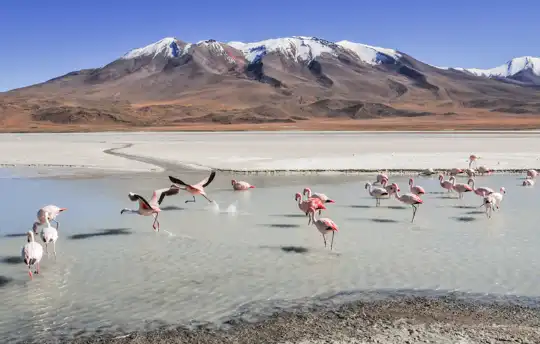
Most people only realize on the boat ride back that Isla del Sol quietly forces you to slow down in the best way: no cars, limited Wi‑Fi, and just enough infrastructure that you’re comfortable but not distracted. It sits on the Bolivian side of Lake Titicaca, a short hop from Copacabana, high in the altiplano near the Peruvian border. For backpackers, it’s a trade: you give up nightlife, hot showers on demand, and easy logistics, and you get big‑sky silence, Inca trails between tiny villages, and cliffside sunsets that feel wildly underpriced. Beds and food cost more than on the mainland, and boats between Copacabana and the island run on their own loose schedule, but once you’re up in Yumani or Challapampa, it feels far less performative than Uyuni tours or La Paz’s gringo circuit. Think simple stone paths, donkeys, cold nights, and that smug “I stayed on the island” glow.

Discover everything you want to know in the 📖 Bolivia Travel Guide.


Get your Bolivia guide
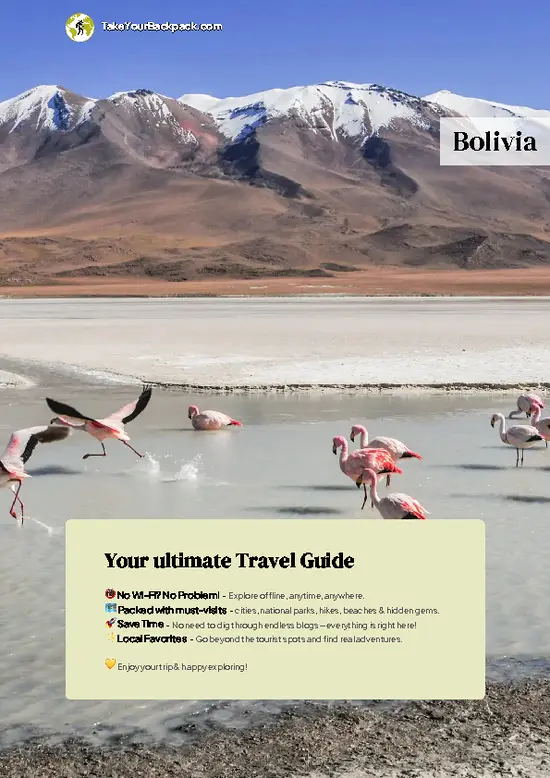
82 ranked highlights, routes & tips, works offline (350 pages)
Loading the map 🌍
CLICK TO FILTER
cities
towns
landmarks
national parks
hikes
beaches
attractions
festivals
regions
SHOW COUNTRY’S BESTSHOW ALL

✨ Why go?
Ranked #2 region in Bolivia
What makes it a must-see region

Isla del Sol in Bolivia is a backpacker’s playground, and here’s why you’ll want to linger. First off, the variety of landscapes is jaw-dropping. You’ve got everything from rugged mountains to serene beaches, all within a few hours of each other. This means you can soak in the views without the hassle of constant relocation.

Then there’s the transport flexibility. Ferries and local boats make it easy to hop around the island or even venture to nearby Isla de la Luna. You’re not tied down to rigid schedules, which is a game-changer for spontaneous explorers.

But the real magic lies in the mix of nature and culture. You can hike ancient Inca trails by day and chat with locals over a home-cooked meal by night. This slow travel approach lets you dive deep into the island’s rich history and vibrant … read more 👉
Isla del Sol in Bolivia is a backpacker’s playground, and here’s why you’ll want to linger. First off, the variety of landscapes is jaw-dropping. You’ve got everything from rugged mountains to serene beaches, all within a few hours of each other. This means you can soak in the views without the hassle of constant relocation.

Then there’s the transport flexibility. Ferries and local boats make it easy to hop around the island or even venture to nearby Isla de la Luna. You’re not tied down to rigid schedules, which is a game-changer for spontaneous explorers.

But the real magic lies in the mix of nature and culture. You can hike ancient Inca trails by day and chat with locals over a home-cooked meal by night. This slow travel approach lets you dive deep into the island’s rich history and vibrant traditions, making every moment feel authentic.

So, if you’re looking for a spot that balances comfort and adventure without breaking the bank, Isla del Sol is your ticket. It’s not just a destination; it’s an experience that sticks with you long after you leave.
Want to include Isla del Sol in your Bolivia route?
Create a personalized Bolivia itinerary that includes Isla del Sol and the places that fit your trip — based on your travel style, budget, and available time. Get your route in seconds.

Generate my trip

💡 HighlightsPlaces and moments you shouldn't skip

  1. Chincana (Chinkana) ruins — A real stone labyrinth of rooms, niches and low walls that feels like walking through an ancient puzzle. It’s an intimate, compact archaeological complex where the Inca (and pre-Inca) stonework sits right on the ridge above the lake — great for exploring without the crowds the bigger sites get.
  2. Pilkokaina (Pilcocaina) — the Inca palace & sun temple — Terraced platforms, finely cut stonework and small temple foundations that speak to the island’s role in Inca origin myths. The location looks straight out over Lake Titicaca, so the architecture + view combo is uniquely Isla del Sol.
  3. The Sacred Rock (Roca Sagrada) — A massive, myth-charged monolith tied to local creation stories; people have been coming here for centuries to look out, leave small offerings, and
read more 👉
  1. Chincana (Chinkana) ruins — A real stone labyrinth of rooms, niches and low walls that feels like walking through an ancient puzzle. It’s an intimate, compact archaeological complex where the Inca (and pre-Inca) stonework sits right on the ridge above the lake — great for exploring without the crowds the bigger sites get.
  2. Pilkokaina (Pilcocaina) — the Inca palace & sun temple — Terraced platforms, finely cut stonework and small temple foundations that speak to the island’s role in Inca origin myths. The location looks straight out over Lake Titicaca, so the architecture + view combo is uniquely Isla del Sol.
  3. The Sacred Rock (Roca Sagrada) — A massive, myth-charged monolith tied to local creation stories; people have been coming here for centuries to look out, leave small offerings, and connect ritual with landscape. It’s an atmospheric place to sit and watch the lake change color as the light shifts.
  4. Yumani village & the Inca Fountain (Fuente del Inca) — Yumani is the main southern settlement, famous for the carved stone fountain where water still flows through ancient channels. The steep stone stairway into the cove, small food stands and local vendors make it an easy place to feel the island’s day-to-day life.
  5. The Inca stairways & full-island hike (north-south trail) — Ancient steps and trails stitch the island together; hiking the route between the two villages takes you past terraces, tiny shrines and uninterrupted lake views. This is my personal favorite — you get archaeology, farming life and those perfect Titicaca panoramas all on one walk.
  6. Challapampa village and its quiet shoreline — Hidden gem: far quieter than Yumani, Challapampa has a small colonial church, pebble beaches and a slow, local rhythm that most day-trippers miss. It’s the best place to watch fishermen, sit on the rocks and see the island as locals live it.
  7. Terraced agriculture & native potato fields — The island’s stone terraces are still farmed in traditional ways, with dozens of native potato varieties and small quinoa plots. Visiting a farm plot and tasting tubers straight from the terrace is an experience you won’t get in the city markets.
  8. Totora reed beds & fishermen’s coves — Hidden gem: small coves where totora reed boats are built and moored feel timeless — you can watch reed-cutting, see local boat types and sometimes join fishermen for a short ride. These reed zones and the small beaches around them make a quietly distinctive lakeside scene.
  9. Homestays & weaving demonstrations with island families — Hidden gem: family-run homestays in Yumani or Challapampa often include backstrap-loom weaving, traditional cooking and storytelling. It’s hands-on, unpolished hospitality — a better way to learn local customs than a museum or staged demo.
  10. Sunrise and sunset miradores (viewpoints) — Whether you hop up before dawn or linger after dinner, the island’s lookout points frame Isla de la Luna, the Cordillera Real and a huge swath of Titicaca in a way that’s hard to reproduce elsewhere. Photographers and slow travelers love the changing light; bring a jacket and some snacks.
Spotted a mistake or missing something? Contact us.
⌛️ 5 daysSeeing the highlights in 5 days

Day 1: Copacabana
You kick off in Copacabana, the gateway to Isla del Sol. This town is your launchpad, where you can soak in the local vibe and grab a hearty breakfast. The transport system here is straightforward: catch a boat to Isla del Sol, which takes about an hour. The boats leave regularly, but aim for the morning to avoid the crowds. The first day is all about acclimatizing and setting the pace for your adventure.

Day 2: Isla del Sol (North)
Once you arrive, head straight to the northern part of the island. This is where the ancient Inca ruins lie, and the views are jaw-dropping. Spend your day hiking the trails that wind through the island, taking in the terraced hillsides and the shimmering lake. The transport options are limited here, so embrace the slower pace. You’ll find … read more 👉
Day 1: Copacabana
You kick off in Copacabana, the gateway to Isla del Sol. This town is your launchpad, where you can soak in the local vibe and grab a hearty breakfast. The transport system here is straightforward: catch a boat to Isla del Sol, which takes about an hour. The boats leave regularly, but aim for the morning to avoid the crowds. The first day is all about acclimatizing and setting the pace for your adventure.

Day 2: Isla del Sol (North)
Once you arrive, head straight to the northern part of the island. This is where the ancient Inca ruins lie, and the views are jaw-dropping. Spend your day hiking the trails that wind through the island, taking in the terraced hillsides and the shimmering lake. The transport options are limited here, so embrace the slower pace. You’ll find that walking is the best way to absorb the island’s essence.

Day 3: Isla del Sol (South)
Transition to the southern part of the island today. The boat ride is short, and you’ll find fewer tourists here. This area is more tranquil, perfect for reflection. Explore the local villages and interact with the residents. The slower pace allows you to appreciate the culture and traditions that thrive away from the tourist traps.

Day 4: Isla del Sol to La Paz
Head back to Copacabana and catch a bus to La Paz. This is where the transport system gets a bit chaotic, but it’s part of the adventure. The bus ride offers a glimpse into the Bolivian landscape, and you’ll want to keep your camera handy. Arriving in La Paz, you’ll feel the buzz of the city, a stark contrast to the serenity of Isla del Sol.

Day 5: La Paz
Spend your final day exploring La Paz. Visit the Witches’ Market for unique souvenirs and local crafts. The city’s energy is infectious, and you’ll want to soak it all in before heading home.

Off-Path Reward: On Day 2, take a detour to the small village of Challapampa. It’s a bit off the main trail, but the locals are welcoming, and you can learn about traditional weaving techniques.

The must-do day? Day 2 on Isla del Sol. The combination of history, stunning views, and the chance to connect with the land makes it the highlight of your trip. This is where you’ll truly feel the spirit of Bolivia.
Turn your Isla del Sol visit into an Bolivia adventure
Build a complete Bolivia route with Isla del Sol, hidden gems, must-see destinations, and realistic travel times included.

Generate my trip

🌤️ When to go?Weather, crowds, and seasonal trade-offs


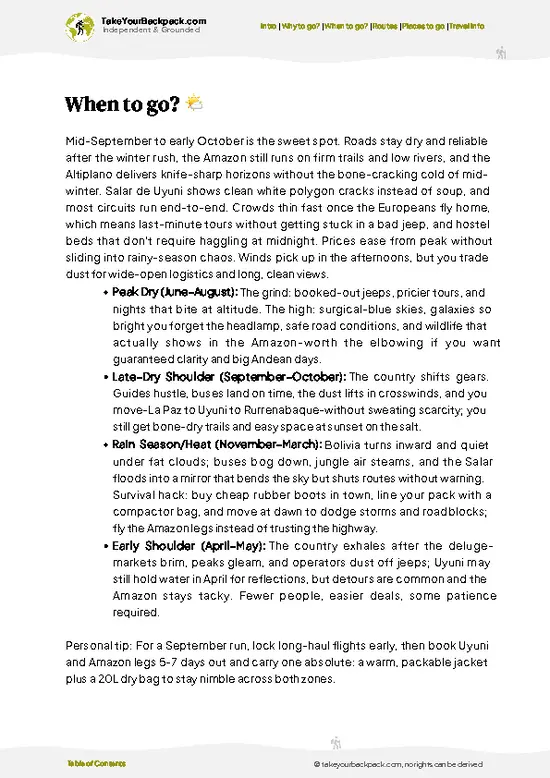
  • Topic: Weather – The dry season from May to October is your golden window. Clear skies dominate, making those lake views crisp and camera-ready. Wet season (November to March) brings rain and mud, which can turn trails into slip-and-slide challenges.

  • Topic: Temperature – Days hover around a comfortable 15-20°C (59-68°F), but nights can dip to near freezing, especially June through August. Pack layers; that chill sneaks up on you once the sun sets behind the Andes.

  • Topic: Daylight Hours – June and July offer the shortest days, roughly 10 hours of light. Plan your hikes early to squeeze every minute of daylight. December and January stretch daylight to about 13 hours, but remember, that’s also peak rain season.

  • Topic: Crowds – Peak dry season means more tourists, especially July and
read more 👉

  • Topic: Weather – The dry season from May to October is your golden window. Clear skies dominate, making those lake views crisp and camera-ready. Wet season (November to March) brings rain and mud, which can turn trails into slip-and-slide challenges.

  • Topic: Temperature – Days hover around a comfortable 15-20°C (59-68°F), but nights can dip to near freezing, especially June through August. Pack layers; that chill sneaks up on you once the sun sets behind the Andes.

  • Topic: Daylight Hours – June and July offer the shortest days, roughly 10 hours of light. Plan your hikes early to squeeze every minute of daylight. December and January stretch daylight to about 13 hours, but remember, that’s also peak rain season.

  • Topic: Crowds – Peak dry season means more tourists, especially July and August. If you want fewer people and still decent weather, aim for May or September. You’ll have the trails mostly to yourself and better deals.

  • Topic: Seasonal Activities – Dry months are perfect for trekking and exploring Inca ruins without the mud. The wet season can flood some paths but brings vibrant greenery and fewer visitors if you’re willing to brave the rain.

  • Topic: Price Fluctuations – Expect prices to spike during the dry season’s peak months. Hostels and tours jack up rates in July and August. Shoulder months like May and September offer the best bang for your buck without sacrificing much on weather.


Pro-tip: Arrive late April or early May—before the crowds and price hikes hit—and you’ll enjoy near-perfect weather, empty trails, and wallet-friendly stays. That’s the insider sweet spot.


source: climatestotravel.comJANJanuary: fair for travelingFEBFebruary: fair for travelingMARMarch: fair for travelingAPRApril: highly recommended for travelingMAYMay: excellent for travelingJUNJune: highly recommended for travelingJULJuly: good for travelingAUGAugust: good for travelingSEPSeptember: excellent for travelingOCTOctober: highly recommended for travelingNOVNovember: fair for travelingDECDecember: fair for traveling
when-to-go

✈️ The backpacker research shortcutBolivia Travel Guide

An offline-friendly backpacking guide with optimized travel routes, ranked highlights, transport advice, and the best areas to stay.
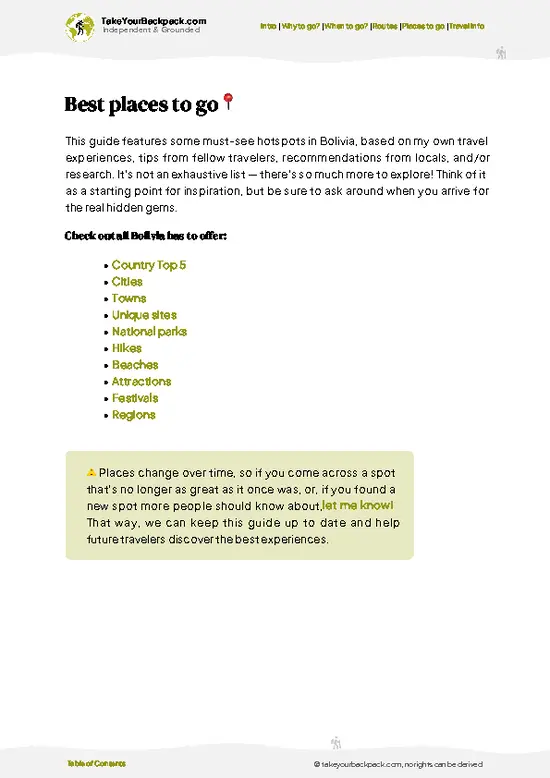
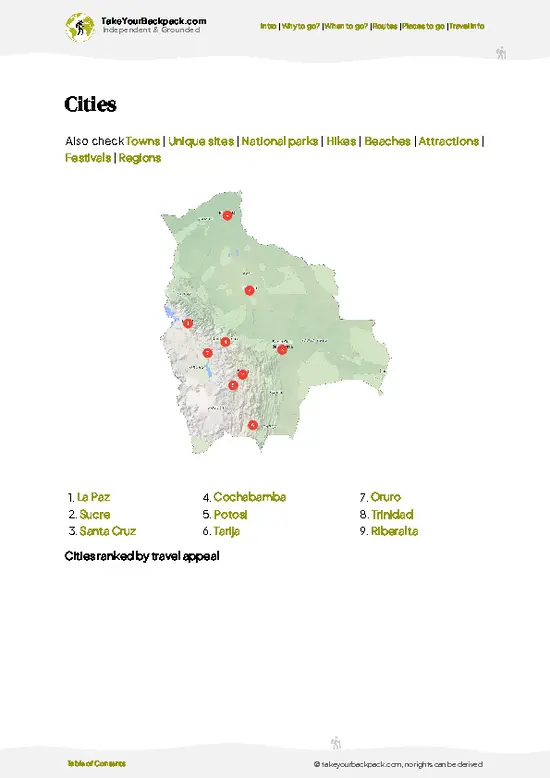
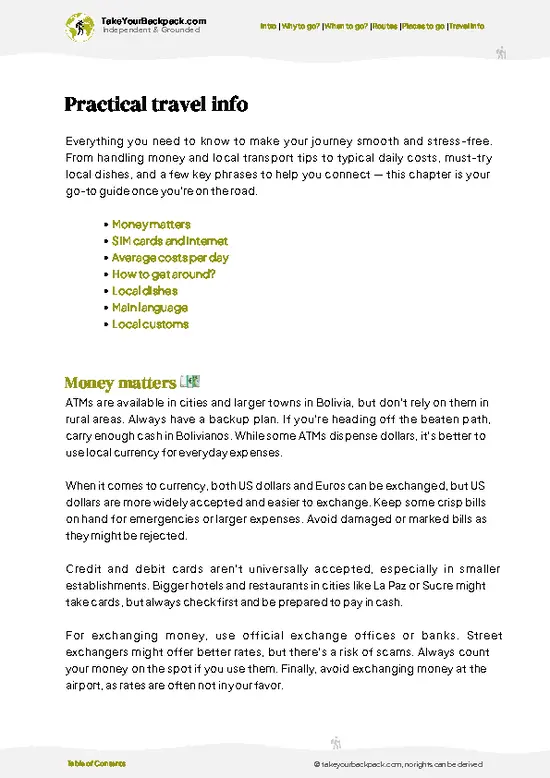
example page 0 from our offline Travel Guide for Bolivia
example page 1 from our offline Travel Guide for Bolivia
example page 2 from our offline Travel Guide for Bolivia
example page 3 from our offline Travel Guide for Bolivia
example page 4 from our offline Travel Guide for Bolivia
example page 5 from our offline Travel Guide for Bolivia
example page 6 from our offline Travel Guide for Bolivia
example page 7 from our offline Travel Guide for Bolivia
The digital guide (350 pages) contains:
82 highlights, ranked by travel appeal
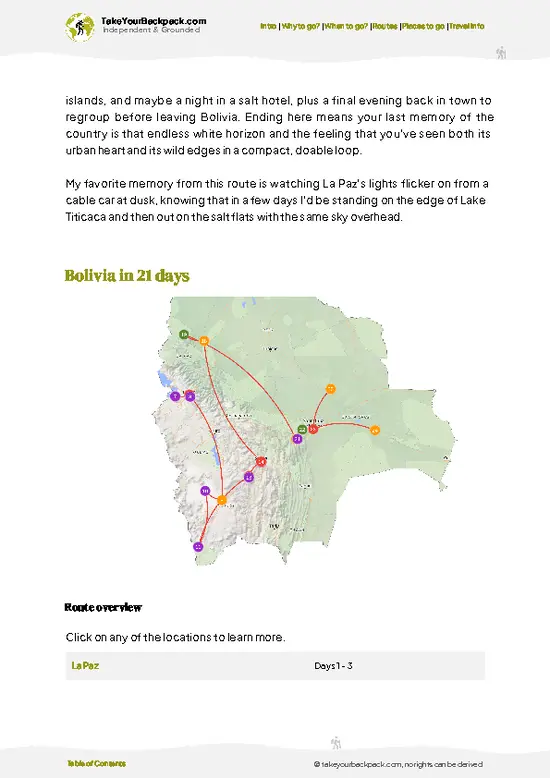
Optimized 7, 14 & 21-day travel routes
Cities, national parks, landmarks, beaches
How to get around
Offline-friendly for travel without Wi-Fi
👉 Click to see all 30+ guide features

📅 Plan smarter in minutes, not weeks
Month by month travel advice
Festivals & national holidays
Budget expectations

🗺️ Go to the right places, skip the overrated ones
Honest pros & cons of destinations
Top hikes, parks & viewpoints
Lesser-known places most travelers miss
Clear “worth it vs skip it” guidance

🛏️ Travel smoothly without rookie mistakes
Best areas to stay
Transport systems explained simply
Common scams & safety advice
SIM cards, money & practical tips

🌍 Understand the country, not just visit it
Culture & traditions
52 Essential phrases & customs
Festivals worth planning around
Traveler-friendly historical context
Insights that make places more meaningful

📱 Built for real travel conditions
Fully downloadable PDF
Works completely offline
Optimized for phone use
Useful in remote areas & buses
Everything in one place
Save weeks of stressful planning
Get instant access to your full guide. 30‑day money-back guarantee.


By proceeding you agree to our terms.
Sent to your inbox immediately after payment • 100% Secure Checkout
Best Backpacking Travel Advisor 2025 tourism awardBest Backpacking
Travel Advisor
2025
What others say about Take Your Backpack Guides:
⭐⭐⭐⭐⭐
Fantastic, amazing amount of information!
⭐⭐⭐⭐⭐
My goodness this is amazing, it's what I've been looking for hats off too you!
⭐⭐⭐⭐⭐
I think this is absolutely BRILLIANT
⭐⭐⭐⭐
Very complete and informative. It's still missing places, but I gotta to commend you
⭐⭐⭐⭐⭐
This is truly amazing, thank you, can't wait to explore it with my kids!
⭐⭐⭐⭐⭐
Awesome resource, thank you!
⭐⭐⭐⭐⭐
This is amazing! Can't wait to explore the ones I haven't seen
⭐⭐⭐⭐
I love this! Well done, great idea.
⭐⭐⭐⭐⭐
Thanks for taking the time to make this gem!
⭐⭐⭐⭐⭐
This might be the best website I've ever seen.
⭐⭐⭐⭐⭐
Congratulations, and thank you so much for your work; it's incredibly valuable.
⭐⭐⭐⭐
In all seriousness I think you did a great job pointing out the important spots
⭐⭐⭐⭐⭐
10/10 very good
⭐⭐⭐⭐⭐
As someone who's only just starting to visit regularly this is awesome, thank you.
⭐⭐⭐⭐
Thank you very much! I'm going to visit my dad, it's going to be very useful!
⭐⭐⭐⭐⭐
This is really cool! We'll be travelling for the first time and this definitely come in handy.
⭐⭐⭐⭐⭐
You are now our minister of culture, congratulations 👨‍💼
⭐⭐⭐⭐⭐
Just wanted to tell you that this is a pearl! Going to follow your recommendations.
⭐⭐⭐⭐⭐
This is so cool. I'll definitely be using the resource for my travels soon.
⭐⭐⭐⭐⭐
This is very impressive! Good work.
⭐⭐⭐⭐⭐
This is an amazing and informative site. Very well done!

🛏️ Where to stay?Where staying makes the most sense

When you hit Isla del Sol, you’re diving into a backpacker’s paradise. The island is small, but the vibe is rich.

Start in Challa, the main port town. It’s buzzing with fellow travelers. You’ll find a mix of local eateries and shops, plus easy access to the island’s trails. The sunsets here are a communal event; everyone gathers to watch the sky light up.

Next, consider Cala Cala. This spot is quieter, perfect for those who want a little peace after a day of hiking. The views are breathtaking, and you can often find locals sharing stories over a cup of coca tea. It’s a great place to connect … read more 👉
When you hit Isla del Sol, you’re diving into a backpacker’s paradise. The island is small, but the vibe is rich.

Start in Challa, the main port town. It’s buzzing with fellow travelers. You’ll find a mix of local eateries and shops, plus easy access to the island’s trails. The sunsets here are a communal event; everyone gathers to watch the sky light up.

Next, consider Cala Cala. This spot is quieter, perfect for those who want a little peace after a day of hiking. The views are breathtaking, and you can often find locals sharing stories over a cup of coca tea. It’s a great place to connect with the culture without the tourist rush.

Then there’s Yumani, known for its friendly atmosphere. It’s a bit more developed, but you’ll still feel that backpacker camaraderie. The hot springs nearby are a must-visit, especially after a long trek.

Each area has its charm, but remember: the earlier you rise, the better your chances of snagging a good spot for those stunning sunrises. Choose wisely, and you’ll be trading time, money, and comfort for experiences that linger long after you leave.

🚌 Getting aroundTransportation options and practical tips

Isla del Sol is a realm where time bends and schedules are mere suggestions. Picture this: the sun rises over the shimmering waters of Lake Titicaca, casting a golden hue on the ancient Incan trails. Here, the rhythm of life flows like the waves—sometimes chaotic, often intuitive. You’ll find locals and travelers alike navigating the island’s paths, where the only rigid schedule is the sun’s ascent and descent. Embrace the spontaneity; it’s part of the charm. But don’t worry, there are solid transport options to keep you moving without losing your mind.


  • Boat Transfers - Regularly scheduled boats connect Isla del Sol with Copacabana and other nearby islands. Expect to pay around 20-30 BOB ($3-4) for a one-way trip. Boats typically run from 8 AM to 5 PM, taking about 1-2 hours depending on
read more 👉
Isla del Sol is a realm where time bends and schedules are mere suggestions. Picture this: the sun rises over the shimmering waters of Lake Titicaca, casting a golden hue on the ancient Incan trails. Here, the rhythm of life flows like the waves—sometimes chaotic, often intuitive. You’ll find locals and travelers alike navigating the island’s paths, where the only rigid schedule is the sun’s ascent and descent. Embrace the spontaneity; it’s part of the charm. But don’t worry, there are solid transport options to keep you moving without losing your mind.


  • Boat Transfers - Regularly scheduled boats connect Isla del Sol with Copacabana and other nearby islands. Expect to pay around 20-30 BOB ($3-4) for a one-way trip. Boats typically run from 8 AM to 5 PM, taking about 1-2 hours depending on the route. Comfort varies, but you’ll enjoy the views.


  • Local Taxis - These are not your average taxis; they’re shared rides that can whisk you around the island. Prices hover around 10 BOB ($1.50) per person for short distances. They’re quick, but you might have to wait for a full load before departing. Think of it as a mini-adventure.


  • Walking - Yes, it’s not a transport option in the traditional sense, but walking is the best way to soak in the island’s beauty. Trails connect all major sites, and you can wander at your own pace. It’s free, and you’ll discover hidden spots that no boat can reach.


  • Horse Rentals - For a unique twist, consider renting a horse for about 50 BOB ($7) for a few hours. It’s a leisurely way to explore the island’s rugged terrain, and you’ll feel like a local cowboy. Just be sure to negotiate the price beforehand.


  • Guided Tours - If you want a structured experience, several companies offer guided tours that include transport. Prices vary widely, but expect to pay around 150 BOB ($22) for a full day. This option provides comfort and insight, but you’ll sacrifice some spontaneity.


For a tactical tip: always check the boat schedules the night before your planned travel. They can change based on weather or demand, and knowing the latest info will save you time and frustration. Embrace the flow, but be the savvy traveler who knows when to ride the waves and when to steer the ship.

🍲 FoodLocal Flavors for Backpackers

On Isla del Sol, food is a celebration of the land and its people. Dive into trucha (trout), freshly caught from Lake Titicaca. It’s often grilled to perfection, served with a squeeze of lime and a side of papas (potatoes) that are as comforting as a warm hug. Don’t miss out on quinoa soup, a hearty bowl that warms you from the inside out, packed with local veggies and spices.

For a true taste of the island, head to the local markets. The vibrant stalls overflow with fresh produce, and the air is thick with the aroma of grilled meats and spices. Street vendors serve up salteñas, savory pastries filled with meat or veggies, perfect for a quick bite while you explore. Grab one and enjoy it with a local chicha, a fermented corn drink that’s both refreshing and a bit of a rite of passage.

Dining … read more 👉
On Isla del Sol, food is a celebration of the land and its people. Dive into trucha (trout), freshly caught from Lake Titicaca. It’s often grilled to perfection, served with a squeeze of lime and a side of papas (potatoes) that are as comforting as a warm hug. Don’t miss out on quinoa soup, a hearty bowl that warms you from the inside out, packed with local veggies and spices.

For a true taste of the island, head to the local markets. The vibrant stalls overflow with fresh produce, and the air is thick with the aroma of grilled meats and spices. Street vendors serve up salteñas, savory pastries filled with meat or veggies, perfect for a quick bite while you explore. Grab one and enjoy it with a local chicha, a fermented corn drink that’s both refreshing and a bit of a rite of passage.

Dining here is relaxed. Expect to share tables and stories with locals. When you’re invited to try something, just say yes; it’s a sign of friendship. Remember, meals are often a communal affair, so don’t rush. Savor each bite and soak in the vibrant atmosphere. This isn’t just food; it’s a taste of life on Isla del Sol.

Other Bolivian regions near Isla del Sol

Explore more nearby:


💡 Not sure where to go next?
Create a personalized itinerary for Bolivia including Isla del Sol and the places that fit your trip.

Generate my itinerary

👉 Discover all regions

Or checkout all Bolivia has to offer (think cities, towns, villages, national parks, hikes, beaches, festivals)
Country photo of Bolivia

We 💚 feedbackKey takeaways before you go

Isla del Sol is a slice of Bolivian magic. The sunsets here? They’ll make you rethink your life choices. But let’s be real: the altitude can hit hard. If you’re not acclimated, you might find yourself gasping for breath instead of soaking in the views. Embrace the challenge, though. The reward is a spiritual connection to the land that’s hard to find elsewhere. Just take it slow, and you’ll be fine.

✈️ When did I visit Bolivia?
Bolivia I visited during my half year trip through South and Central America back in 2003

✍️ Help improve this page!
The information on this page is based on my own backpacking experience in Bolivia, supplemented with up-to-date research and feedback from other travelers. Travel details can change, so if you notice anything outdated or incomplete, feel free to let me know.


🙋‍♂️ Give feedback

👋 Meet the founderWho’s Behind Take Your Backpack?

Johan, backpacker and founder of TakeYourBackpackHi, I’m Johan (Netherlands 🇳🇱), the creator of TakeYourBackpack. Over the past decade, I’ve backpacked through 80+ countries across six continents, gaining extensive experience with independent travel, long-term trips, and overland routes.

This site is built on a combination of firsthand travel experience and carefully curated insights from other backpackers. Many guides are based on places I’ve personally visited, while others bring together tips, observations, and practical advice shared by trusted travelers I’ve met along the way.

The goal is to provide realistic, experience-driven guidance — not generic itineraries — so you can explore destinations with better context, clearer expectations, and more confidence.

Get full Bolivia guide •
Instant download • 82 highlights • Full Offline guide