v2.webp)
Bijambare Main Cave (Middle Cave)
Let’s get real: you’re not coming here for a quick selfie and a sprint back to Sarajevo. The main cave is the showstopper, and yes, you’ll share the path with families, school groups, and the occasional overzealous Instagrammer. But the payoff is pure, old-school adventure. You’ll walk through a series of chambers that feel like a set designer’s fever dream—cathedral-sized halls, stalactites that look like they’re melting, and a final chamber so vast and echoing that even the loudest tourist hushes up. The cave’s temperature is a brisk 8°C year-round, so bring a jacket unless you want to shiver through your “explorer” moment. The lighting is subtle, not circus-bright, which means you actually get to feel the mystery instead of squinting at neon bulbs. This … read more 👉
Let’s get real: you’re not coming here for a quick selfie and a sprint back to Sarajevo. The main cave is the showstopper, and yes, you’ll share the path with families, school groups, and the occasional overzealous Instagrammer. But the payoff is pure, old-school adventure. You’ll walk through a series of chambers that feel like a set designer’s fever dream—cathedral-sized halls, stalactites that look like they’re melting, and a final chamber so vast and echoing that even the loudest tourist hushes up. The cave’s temperature is a brisk 8°C year-round, so bring a jacket unless you want to shiver through your “explorer” moment. The lighting is subtle, not circus-bright, which means you actually get to feel the mystery instead of squinting at neon bulbs. This … read more 👉
Bijambare Main Cave (Middle Cave)
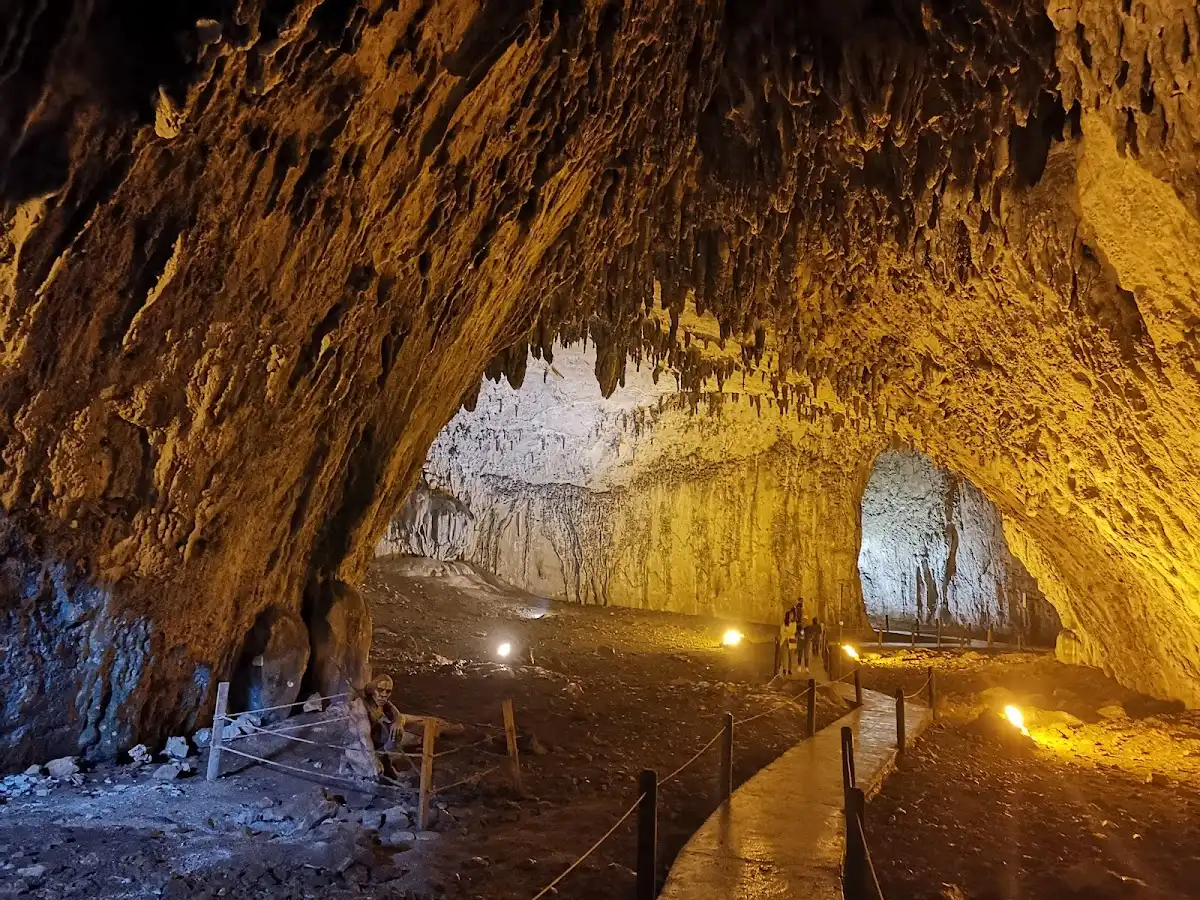
Let’s get real: you’re not coming here for a quick selfie and a sprint back to Sarajevo. The main cave is the showstopper, and yes, you’ll share the path with families, school groups, and the occasional overzealous Instagrammer. But the payoff is pure, old-school adventure. You’ll walk through a series of chambers that feel like a set designer’s fever dream—cathedral-sized halls, stalactites that look like they’re melting, and a final chamber so vast and echoing that even the loudest tourist hushes up. The cave’s temperature is a brisk 8°C year-round, so bring a jacket unless you want to shiver through your “explorer” moment. The lighting is subtle, not circus-bright, which means you actually get to feel the mystery instead of squinting at neon bulbs. This is the kind of cave that makes you forget about your phone for a minute and just stare.
Bijambare Forest Trails
Forget the manicured, paved “nature walks” you find at overhyped parks. The forest here is the real deal: pine and beech trees, mossy boulders, and a soundtrack of woodpeckers instead of car horns. The trails are well-marked but not overbuilt, so you get a genuine sense of being out there—without the risk of getting hopelessly lost. In spring, wildflowers explode along the paths; in autumn, the leaf crunch is almost cinematic. If you’re lucky, you’ll spot deer or foxes darting through the undergrowth. The air is so clean it almost feels medicinal.
Underground River
This isn’t some trickle you squint at from a distance. The underground river in the main cave is a living, breathing thing—sometimes roaring, sometimes whispering, always moving. It’s the reason the cave exists, and you can actually hear it echoing through the chambers. Guides will point out spots where the water disappears into blackness, and if you’re the curious type, you’ll find yourself wondering how far it goes. It’s a reminder that you’re standing inside a living system, not just a static tourist attraction.
Eco-Education Center
Most “visitor centers” are glorified gift shops. Not here. The Eco-Education Center is refreshingly earnest—think hands-on exhibits about karst landscapes, cave fauna, and local conservation efforts. It’s not flashy, but it’s packed with info you won’t get from a quick Google search. If you’ve got kids (or just a curious streak), you’ll leave knowing more about how caves actually work, and why this place is worth protecting.
Picnic Meadows and Outdoor Playgrounds
Here’s where the Bijambare complex throws a curveball. After the cool, dark drama of the caves, you step into open meadows dotted with picnic tables and playgrounds. Locals treat this place like their backyard—grilling, playing football, and stretching out in the sun. It’s not “Instagrammable” in the influencer sense, but it’s real, and it’s fun. If you want to see how Bosnians actually relax, skip the overpriced café and bring your own snacks. You’ll get a slice of everyday life, not just a tourist highlight reel.
Let’s get real: you’re not coming here for a quick selfie and a sprint back to Sarajevo. The main cave is the showstopper, and yes, you’ll share the path with families, school groups, and the occasional overzealous Instagrammer. But the payoff is pure, old-school adventure. You’ll walk through a series of chambers that feel like a set designer’s fever dream—cathedral-sized halls, stalactites that look like they’re melting, and a final chamber so vast and echoing that even the loudest tourist hushes up. The cave’s temperature is a brisk 8°C year-round, so bring a jacket unless you want to shiver through your “explorer” moment. The lighting is subtle, not circus-bright, which means you actually get to feel the mystery instead of squinting at neon bulbs. This is the kind of cave that makes you forget about your phone for a minute and just stare.
Bijambare Forest Trails
Forget the manicured, paved “nature walks” you find at overhyped parks. The forest here is the real deal: pine and beech trees, mossy boulders, and a soundtrack of woodpeckers instead of car horns. The trails are well-marked but not overbuilt, so you get a genuine sense of being out there—without the risk of getting hopelessly lost. In spring, wildflowers explode along the paths; in autumn, the leaf crunch is almost cinematic. If you’re lucky, you’ll spot deer or foxes darting through the undergrowth. The air is so clean it almost feels medicinal.
Underground River
This isn’t some trickle you squint at from a distance. The underground river in the main cave is a living, breathing thing—sometimes roaring, sometimes whispering, always moving. It’s the reason the cave exists, and you can actually hear it echoing through the chambers. Guides will point out spots where the water disappears into blackness, and if you’re the curious type, you’ll find yourself wondering how far it goes. It’s a reminder that you’re standing inside a living system, not just a static tourist attraction.
Eco-Education Center
Most “visitor centers” are glorified gift shops. Not here. The Eco-Education Center is refreshingly earnest—think hands-on exhibits about karst landscapes, cave fauna, and local conservation efforts. It’s not flashy, but it’s packed with info you won’t get from a quick Google search. If you’ve got kids (or just a curious streak), you’ll leave knowing more about how caves actually work, and why this place is worth protecting.
Picnic Meadows and Outdoor Playgrounds
Here’s where the Bijambare complex throws a curveball. After the cool, dark drama of the caves, you step into open meadows dotted with picnic tables and playgrounds. Locals treat this place like their backyard—grilling, playing football, and stretching out in the sun. It’s not “Instagrammable” in the influencer sense, but it’s real, and it’s fun. If you want to see how Bosnians actually relax, skip the overpriced café and bring your own snacks. You’ll get a slice of everyday life, not just a tourist highlight reel.
Spotted a mistake or missing something? Contact us.

Lukomir Highland Village Hike
✓ Free cancellation

War Times Experience in Sarajevo - Half Day Tour
✓ Free cancellation

Utopia of Tito’s Yugoslavia, Tito’s Bunker & Siege of Sarajevo
✓ Free cancellation

Sarajevo to Dubrovnik: Transfer With Herzegovina Tour
✓ Free cancellation

Tandem Paragliding Experience in Sarajevo, Bosnia and Herzegovina
✓ Free cancellation

Hiking between Bosnia and Herzegovina

Sarajevo Under Siege War Half Day Tour
✓ Free cancellation

PROFESSIONAL SARAJEVO WALKING TOUR - With guide who guided STING!
✓ Free cancellation

Climb Via Ferrata in Sarajevo
✓ Free cancellation

Sarajevo: Day Trip to Bosnian Castles Vranduk, Tešanj & Srebrenik
✓ Free cancellation





 Best Backpacking
.jpg) Hi, I’m Johan (Netherlands 🇳🇱), the creator of TakeYourBackpack. Over the past decade, I’ve backpacked through 80+ countries across six continents, gaining extensive experience with independent travel, long-term trips, and overland routes.
Hi, I’m Johan (Netherlands 🇳🇱), the creator of TakeYourBackpack. Over the past decade, I’ve backpacked through 80+ countries across six continents, gaining extensive experience with independent travel, long-term trips, and overland routes.