v2.webp)
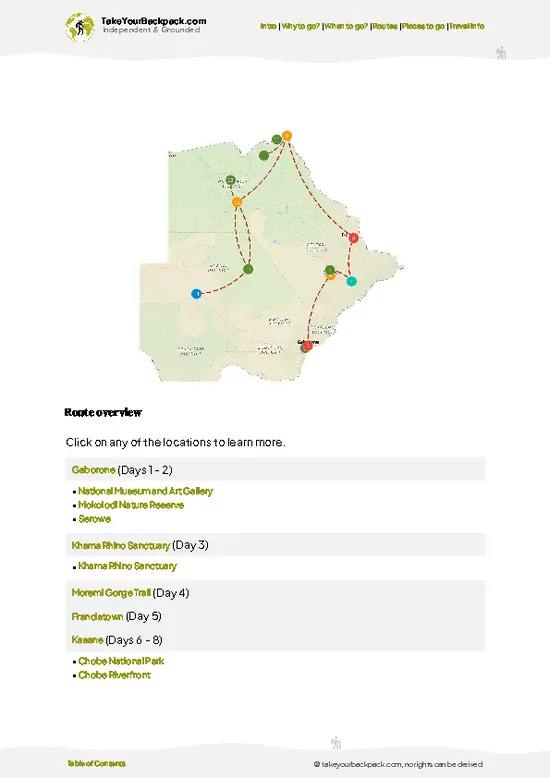
1. Elephant Parade at Water’s Edge
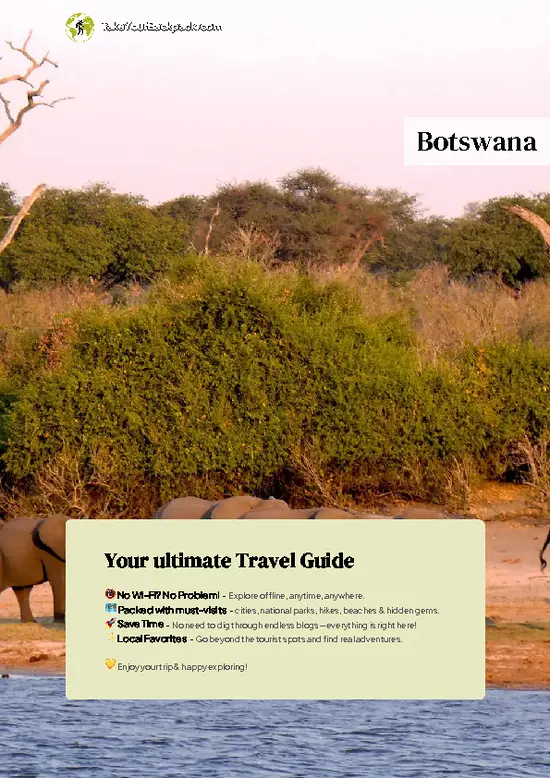
Forget the brochure shot of a lone elephant silhouetted against the sunset. On the Chobe River, you get the real deal: entire herds—sometimes 50, sometimes 200—wading in, trunks swinging, calves bumbling through the reeds. You’re not craning your neck for a glimpse; you’re floating eye-level as they splash, drink, and occasionally squabble over the best mud. This is the world’s densest elephant population, and the river is their evening hangout. It’s not just a photo op; it’s a front-row seat to pachyderm social hour.
2. Predator and Prey in Real Time
Chobe isn’t a sanitized wildlife park. You might spot a pride of lions lounging on the banks, jaws still red from a recent kill, or a crocodile gliding so close you can count its teeth. The river is a stage for … read more 👉
Forget the brochure shot of a lone elephant silhouetted against the sunset. On the Chobe River, you get the real deal: entire herds—sometimes 50, sometimes 200—wading in, trunks swinging, calves bumbling through the reeds. You’re not craning your neck for a glimpse; you’re floating eye-level as they splash, drink, and occasionally squabble over the best mud. This is the world’s densest elephant population, and the river is their evening hangout. It’s not just a photo op; it’s a front-row seat to pachyderm social hour.
2. Predator and Prey in Real Time
Chobe isn’t a sanitized wildlife park. You might spot a pride of lions lounging on the banks, jaws still red from a recent kill, or a crocodile gliding so close you can count its teeth. The river is a stage for … read more 👉
1. Elephant Parade at Water’s Edge
Forget the brochure shot of a lone elephant silhouetted against the sunset. On the Chobe River, you get the real deal: entire herds—sometimes 50, sometimes 200—wading in, trunks swinging, calves bumbling through the reeds. You’re not craning your neck for a glimpse; you’re floating eye-level as they splash, drink, and occasionally squabble over the best mud. This is the world’s densest elephant population, and the river is their evening hangout. It’s not just a photo op; it’s a front-row seat to pachyderm social hour.
2. Predator and Prey in Real Time
Chobe isn’t a sanitized wildlife park. You might spot a pride of lions lounging on the banks, jaws still red from a recent kill, or a crocodile gliding so close you can count its teeth. The river is a stage for drama—impala nervously sipping, baboons shrieking warnings, buffalo staring you down with that “don’t mess with me” glare. If you’re lucky (or unlucky, depending on your stomach), you’ll witness a hunt or a standoff. This is nature, unscripted and unfiltered.
3. Sundowner Rituals—Botswana Style
Yes, every safari promises a “sundowner,” but Chobe’s version is the gold standard. Picture this: the sky goes molten orange, hippos grunt in the shallows, and your guide hands you a gin and tonic with ice that somehow survived the African heat. The air cools, the light turns syrupy, and for a few minutes, the world feels both ancient and brand new. It’s not about the drink—it’s about the ritual, the hush, and the sense that you’re exactly where you’re supposed to be.
4. Birdlife Overload
If you think birdwatching is for retirees, Chobe will change your mind. Over 450 species call this river home, and the action is relentless: African fish eagles snatching dinner mid-flight, kingfishers hovering like tiny helicopters, bee-eaters flashing neon colors as they dart after insects. Even the most hardened non-birder ends up gawking. The sheer density and variety are off the charts—bring binoculars, or just let the spectacle come to you.
5. Hippo and Croc Close-Ups
You’ll hear hippos before you see them—grunting, snorting, sometimes bellowing loud enough to rattle your ribcage. Then you spot the nostrils, the bulk, the occasional yawn that shows off teeth the size of your hand. Crocodiles, meanwhile, lurk like prehistoric logs, jaws agape, waiting for an unlucky fish or bird. The boat’s low profile means you’re close—sometimes uncomfortably so. It’s thrilling, a little unnerving, and absolutely unforgettable for all the right reasons.
6. The Human Element—Guides Who Know Their Stuff
Botswana’s river guides are the unsung heroes of the Chobe cruise. These aren’t bored script-readers—they’re sharp-eyed, quick-witted, and often hilarious. They’ll spot a camouflaged leopard before you’ve even noticed the tree, and they’re not shy about sharing the gritty details of river life. Their stories—about floods, feuds, and the odd tourist mishap—add a layer of authenticity you won’t get from any Instagram highlight reel.
Forget the brochure shot of a lone elephant silhouetted against the sunset. On the Chobe River, you get the real deal: entire herds—sometimes 50, sometimes 200—wading in, trunks swinging, calves bumbling through the reeds. You’re not craning your neck for a glimpse; you’re floating eye-level as they splash, drink, and occasionally squabble over the best mud. This is the world’s densest elephant population, and the river is their evening hangout. It’s not just a photo op; it’s a front-row seat to pachyderm social hour.
2. Predator and Prey in Real Time
Chobe isn’t a sanitized wildlife park. You might spot a pride of lions lounging on the banks, jaws still red from a recent kill, or a crocodile gliding so close you can count its teeth. The river is a stage for drama—impala nervously sipping, baboons shrieking warnings, buffalo staring you down with that “don’t mess with me” glare. If you’re lucky (or unlucky, depending on your stomach), you’ll witness a hunt or a standoff. This is nature, unscripted and unfiltered.
3. Sundowner Rituals—Botswana Style
Yes, every safari promises a “sundowner,” but Chobe’s version is the gold standard. Picture this: the sky goes molten orange, hippos grunt in the shallows, and your guide hands you a gin and tonic with ice that somehow survived the African heat. The air cools, the light turns syrupy, and for a few minutes, the world feels both ancient and brand new. It’s not about the drink—it’s about the ritual, the hush, and the sense that you’re exactly where you’re supposed to be.
4. Birdlife Overload
If you think birdwatching is for retirees, Chobe will change your mind. Over 450 species call this river home, and the action is relentless: African fish eagles snatching dinner mid-flight, kingfishers hovering like tiny helicopters, bee-eaters flashing neon colors as they dart after insects. Even the most hardened non-birder ends up gawking. The sheer density and variety are off the charts—bring binoculars, or just let the spectacle come to you.
5. Hippo and Croc Close-Ups
You’ll hear hippos before you see them—grunting, snorting, sometimes bellowing loud enough to rattle your ribcage. Then you spot the nostrils, the bulk, the occasional yawn that shows off teeth the size of your hand. Crocodiles, meanwhile, lurk like prehistoric logs, jaws agape, waiting for an unlucky fish or bird. The boat’s low profile means you’re close—sometimes uncomfortably so. It’s thrilling, a little unnerving, and absolutely unforgettable for all the right reasons.
6. The Human Element—Guides Who Know Their Stuff
Botswana’s river guides are the unsung heroes of the Chobe cruise. These aren’t bored script-readers—they’re sharp-eyed, quick-witted, and often hilarious. They’ll spot a camouflaged leopard before you’ve even noticed the tree, and they’re not shy about sharing the gritty details of river life. Their stories—about floods, feuds, and the odd tourist mishap—add a layer of authenticity you won’t get from any Instagram highlight reel.
Spotted a mistake or missing something? Contact us.

2 Nights 3 Days Chobe Safari ex Livingstone/ Victoria Falls

Chobe Day Trip, Botswana Ex Victoria falls or Livingstone

2 Day 1 Night Chobe Safari ex Livingstone/Victoria Falls

Chobe National Park Game Drive, Botswana

Chobe Full Day Safari in Chobe

Chobe Full day Safari: Game Drive & Boat Safari with Lunch

Chobe Full Day Trip from Victoria Falls

chobe 3hr sunset boat cruise

Victoria Falls Dual-Side Day Trip from Kasane Zimbabwe & Zambia


 Best Backpacking
.jpg) Hi, I’m Johan (Netherlands 🇳🇱), the creator of TakeYourBackpack. Over the past 3 decades, I’ve backpacked through 90+ countries across six continents, gaining extensive experience with independent travel, long-term trips, and overland routes.
Hi, I’m Johan (Netherlands 🇳🇱), the creator of TakeYourBackpack. Over the past 3 decades, I’ve backpacked through 90+ countries across six continents, gaining extensive experience with independent travel, long-term trips, and overland routes.