v2.webp)
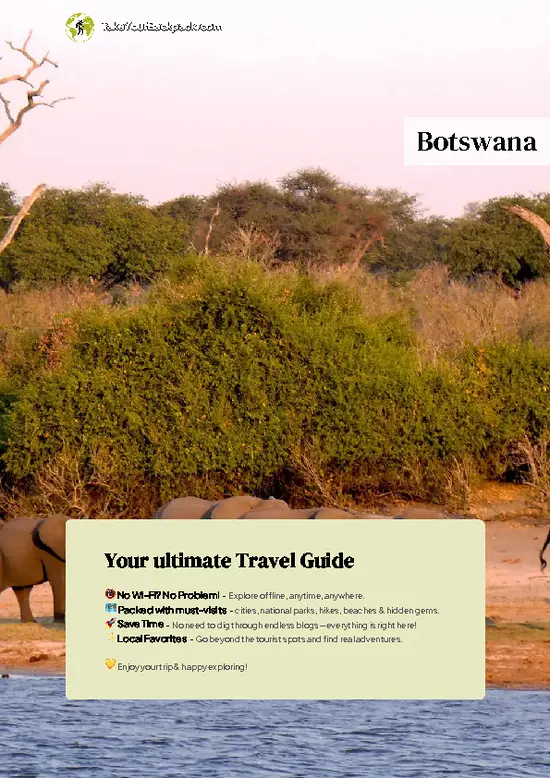
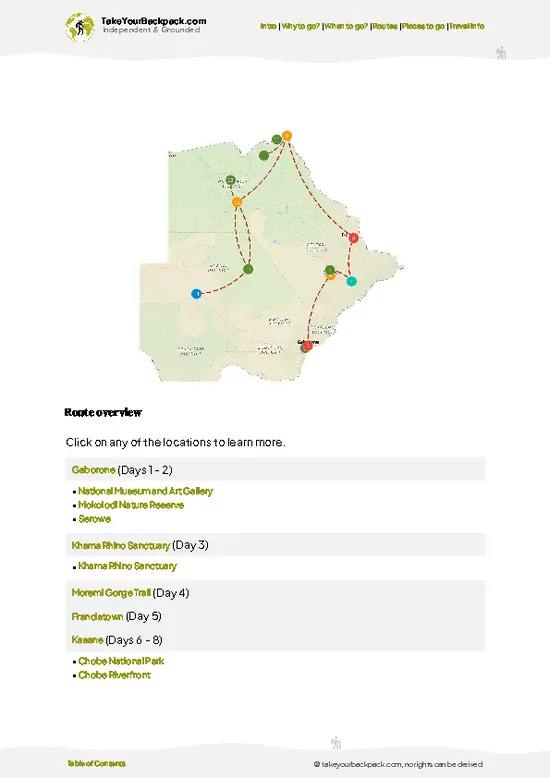
1. Gliding Through the Papyrus: The Mokoro Ride Itself
Forget the Instagram fantasy of a solo canoe slicing through glassy water at sunset. The reality? You’ll be in a dugout canoe (mokoro), inches from the waterline, with a poler who knows these channels better than you know your own neighborhood. There’s no engine, no rush—just the soft slap of water, the hiss of reeds, and the occasional grunt of a hippo somewhere nearby. This isn’t a theme park ride. It’s a slow, immersive drift through a living, breathing wetland. The silence is real, and it’s a rare kind of peace you can’t fake for social media.
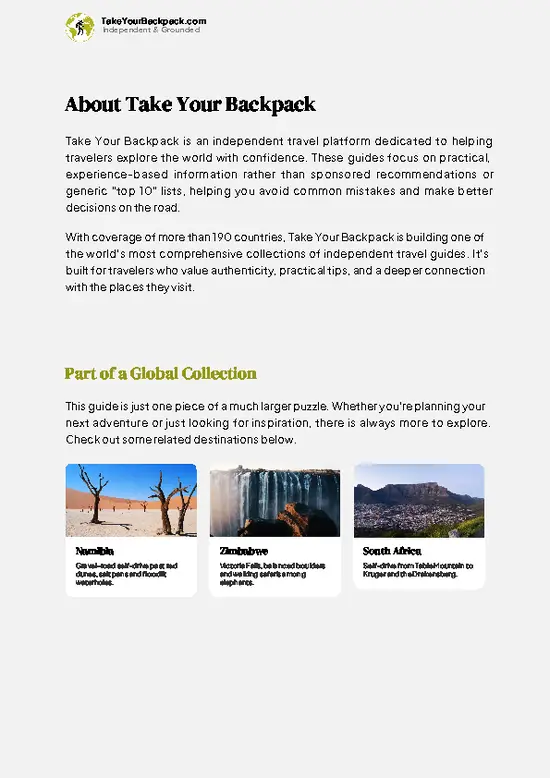
2. Eye-Level Wildlife Encounters
You’re not peering down from a safari truck here. In a mokoro, you’re at eye-level with the delta’s residents. Elephants wade past, sometimes close enough to … read more 👉
Forget the Instagram fantasy of a solo canoe slicing through glassy water at sunset. The reality? You’ll be in a dugout canoe (mokoro), inches from the waterline, with a poler who knows these channels better than you know your own neighborhood. There’s no engine, no rush—just the soft slap of water, the hiss of reeds, and the occasional grunt of a hippo somewhere nearby. This isn’t a theme park ride. It’s a slow, immersive drift through a living, breathing wetland. The silence is real, and it’s a rare kind of peace you can’t fake for social media.
2. Eye-Level Wildlife Encounters
You’re not peering down from a safari truck here. In a mokoro, you’re at eye-level with the delta’s residents. Elephants wade past, sometimes close enough to … read more 👉
1. Gliding Through the Papyrus: The Mokoro Ride Itself
Forget the Instagram fantasy of a solo canoe slicing through glassy water at sunset. The reality? You’ll be in a dugout canoe (mokoro), inches from the waterline, with a poler who knows these channels better than you know your own neighborhood. There’s no engine, no rush—just the soft slap of water, the hiss of reeds, and the occasional grunt of a hippo somewhere nearby. This isn’t a theme park ride. It’s a slow, immersive drift through a living, breathing wetland. The silence is real, and it’s a rare kind of peace you can’t fake for social media.
2. Eye-Level Wildlife Encounters
You’re not peering down from a safari truck here. In a mokoro, you’re at eye-level with the delta’s residents. Elephants wade past, sometimes close enough to hear their stomachs rumble. Tiny reed frogs cling to papyrus stalks. You might spot a malachite kingfisher flash by, or a herd of red lechwe bounding through the shallows. There’s a rawness to this proximity—no fences, no glass, just you and the wild, separated by a few inches of carved wood. It’s thrilling, sometimes a little nerve-wracking, and absolutely unforgettable in the truest sense.
3. The Polers: Delta Storytellers
The mokoro polers aren’t just boatmen; they’re the keepers of the delta’s oral history. Most grew up here, learning to read the water and the sky before they could read a book. They’ll point out animal tracks, explain the medicinal uses of water lilies, and share stories that don’t make it into glossy brochures. If you want to understand the Okavango, listen to your poler. Their knowledge is the real luxury here, not the thread count of your tent.
4. Island Walks: Tracking on Foot
This isn’t a sanitized stroll. When the water’s low, you’ll hop out and walk on the delta’s islands, tracking animals with your guide. There’s no guarantee you’ll see lions or leopards, but you’ll learn to read the bush—fresh dung, broken branches, the hush that falls when something big is near. It’s a crash course in humility and awareness. You’re a guest here, and the delta makes sure you remember it.
5. The Night Sky: Celestial Overload
After sunset, the delta goes dark—really dark. No light pollution, just a sky so dense with stars it feels like you could scoop them up. The Southern Cross, the Milky Way, satellites crawling across the black. If you’ve only ever seen the night sky from a city, this will reset your sense of scale. It’s not a sideshow; it’s the closing act, and it’s worth every mosquito bite.
Forget the Instagram fantasy of a solo canoe slicing through glassy water at sunset. The reality? You’ll be in a dugout canoe (mokoro), inches from the waterline, with a poler who knows these channels better than you know your own neighborhood. There’s no engine, no rush—just the soft slap of water, the hiss of reeds, and the occasional grunt of a hippo somewhere nearby. This isn’t a theme park ride. It’s a slow, immersive drift through a living, breathing wetland. The silence is real, and it’s a rare kind of peace you can’t fake for social media.
2. Eye-Level Wildlife Encounters
You’re not peering down from a safari truck here. In a mokoro, you’re at eye-level with the delta’s residents. Elephants wade past, sometimes close enough to hear their stomachs rumble. Tiny reed frogs cling to papyrus stalks. You might spot a malachite kingfisher flash by, or a herd of red lechwe bounding through the shallows. There’s a rawness to this proximity—no fences, no glass, just you and the wild, separated by a few inches of carved wood. It’s thrilling, sometimes a little nerve-wracking, and absolutely unforgettable in the truest sense.
3. The Polers: Delta Storytellers
The mokoro polers aren’t just boatmen; they’re the keepers of the delta’s oral history. Most grew up here, learning to read the water and the sky before they could read a book. They’ll point out animal tracks, explain the medicinal uses of water lilies, and share stories that don’t make it into glossy brochures. If you want to understand the Okavango, listen to your poler. Their knowledge is the real luxury here, not the thread count of your tent.
4. Island Walks: Tracking on Foot
This isn’t a sanitized stroll. When the water’s low, you’ll hop out and walk on the delta’s islands, tracking animals with your guide. There’s no guarantee you’ll see lions or leopards, but you’ll learn to read the bush—fresh dung, broken branches, the hush that falls when something big is near. It’s a crash course in humility and awareness. You’re a guest here, and the delta makes sure you remember it.
5. The Night Sky: Celestial Overload
After sunset, the delta goes dark—really dark. No light pollution, just a sky so dense with stars it feels like you could scoop them up. The Southern Cross, the Milky Way, satellites crawling across the black. If you’ve only ever seen the night sky from a city, this will reset your sense of scale. It’s not a sideshow; it’s the closing act, and it’s worth every mosquito bite.
Spotted a mistake or missing something? Contact us.

 Best Backpacking
.jpg) Hi, I’m Johan (Netherlands 🇳🇱), the creator of TakeYourBackpack. Over the past 3 decades, I’ve backpacked through 90+ countries across six continents, gaining extensive experience with independent travel, long-term trips, and overland routes.
Hi, I’m Johan (Netherlands 🇳🇱), the creator of TakeYourBackpack. Over the past 3 decades, I’ve backpacked through 90+ countries across six continents, gaining extensive experience with independent travel, long-term trips, and overland routes.