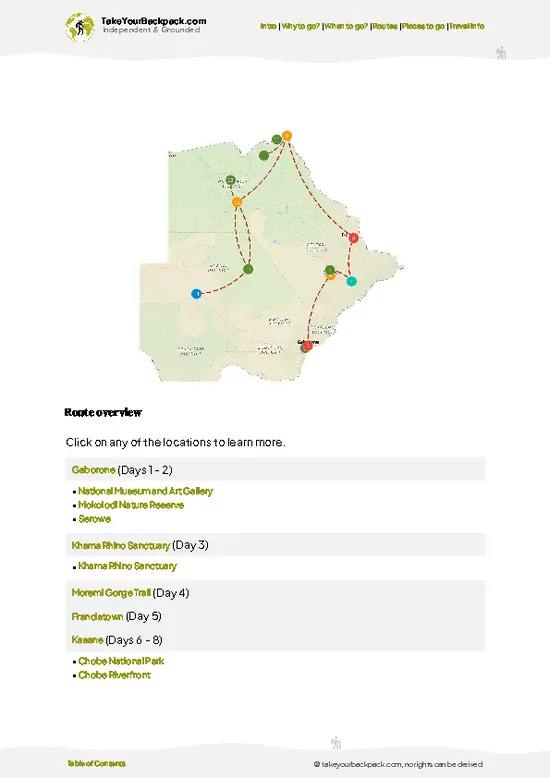
1. The Tsodilo Hills Rock Art Exhibit
Forget the Instagrammed murals and curated selfie walls. The real showstopper here is the Tsodilo Hills Rock Art collection. These are not just pretty pictures—they’re a direct line to the spiritual and artistic lives of people who lived thousands of years ago. The museum’s display doesn’t just show you the art; it gives you the context. You’ll see photographs, rubbings, and even 3D models that let you get close to the details without damaging the originals. If you want to understand why UNESCO calls Tsodilo the “Louvre of the Desert,” this is your crash course. It’s not flashy, but it’s the kind of quiet, goosebump-inducing magic that sticks with you long after you leave.
2. The Ethnographic Gallery
Botswana isn’t a monolith, and this gallery proves … read more 👉
Forget the Instagrammed murals and curated selfie walls. The real showstopper here is the Tsodilo Hills Rock Art collection. These are not just pretty pictures—they’re a direct line to the spiritual and artistic lives of people who lived thousands of years ago. The museum’s display doesn’t just show you the art; it gives you the context. You’ll see photographs, rubbings, and even 3D models that let you get close to the details without damaging the originals. If you want to understand why UNESCO calls Tsodilo the “Louvre of the Desert,” this is your crash course. It’s not flashy, but it’s the kind of quiet, goosebump-inducing magic that sticks with you long after you leave.
2. The Ethnographic Gallery
Botswana isn’t a monolith, and this gallery proves … read more 👉
1. The Tsodilo Hills Rock Art Exhibit
Forget the Instagrammed murals and curated selfie walls. The real showstopper here is the Tsodilo Hills Rock Art collection. These are not just pretty pictures—they’re a direct line to the spiritual and artistic lives of people who lived thousands of years ago. The museum’s display doesn’t just show you the art; it gives you the context. You’ll see photographs, rubbings, and even 3D models that let you get close to the details without damaging the originals. If you want to understand why UNESCO calls Tsodilo the “Louvre of the Desert,” this is your crash course. It’s not flashy, but it’s the kind of quiet, goosebump-inducing magic that sticks with you long after you leave.
2. The Ethnographic Gallery
Botswana isn’t a monolith, and this gallery proves it. Here, you get a crash course in the country’s many cultures—San, Tswana, Kalanga, and more—through objects that people actually used. We’re talking handwoven baskets, musical instruments, ceremonial attire, and tools that have seen real action. No glassed-in, sanitized replicas. The gallery’s layout is refreshingly unpretentious, and the labels are written for humans, not academics. You’ll walk away with a sense of how people actually live, celebrate, and solve problems in Botswana. It’s anthropology with a pulse.
3. The Natural History Section
This isn’t your average “dead animals in glass boxes” situation. The museum’s natural history wing is a compact but surprisingly engaging look at Botswana’s wild side. You’ll find dioramas that actually try to tell a story—think predator-prey scenes, not just taxidermy for taxidermy’s sake. The displays cover everything from Okavango Delta birds to Kalahari mammals. If you’re traveling with kids, or you’re just a grown-up who still gets a kick out of seeing a lion up close (without the risk of being lunch), this is your spot.
4. The Temporary Exhibition Space
Here’s where the museum shakes off any “dusty institution” vibes. The temporary exhibitions are where Botswana’s contemporary artists, photographers, and thinkers get to play. You might catch a show on urban street art, a photo essay on climate change, or a showcase of up-and-coming local painters. The content rotates, so you never know exactly what you’ll get, but it’s always a window into what’s on Botswana’s mind right now. If you want to see the country as it is, not just as it was, don’t skip this room.
5. The Outdoor Sculpture Garden
Step outside and you’ll find a small but mighty collection of sculptures that are anything but background decoration. These pieces—often made from local materials like wood, stone, and scrap metal—are bold, tactile, and sometimes a little weird (in the best way). They’re not roped off, so you can get up close and see the tool marks, the weathering, the fingerprints of the artists. It’s a reminder that Botswana’s creativity isn’t locked behind glass. The garden is a perfect breather between galleries, and a great spot to let your brain process everything you’ve just seen.
Forget the Instagrammed murals and curated selfie walls. The real showstopper here is the Tsodilo Hills Rock Art collection. These are not just pretty pictures—they’re a direct line to the spiritual and artistic lives of people who lived thousands of years ago. The museum’s display doesn’t just show you the art; it gives you the context. You’ll see photographs, rubbings, and even 3D models that let you get close to the details without damaging the originals. If you want to understand why UNESCO calls Tsodilo the “Louvre of the Desert,” this is your crash course. It’s not flashy, but it’s the kind of quiet, goosebump-inducing magic that sticks with you long after you leave.
2. The Ethnographic Gallery
Botswana isn’t a monolith, and this gallery proves it. Here, you get a crash course in the country’s many cultures—San, Tswana, Kalanga, and more—through objects that people actually used. We’re talking handwoven baskets, musical instruments, ceremonial attire, and tools that have seen real action. No glassed-in, sanitized replicas. The gallery’s layout is refreshingly unpretentious, and the labels are written for humans, not academics. You’ll walk away with a sense of how people actually live, celebrate, and solve problems in Botswana. It’s anthropology with a pulse.
3. The Natural History Section
This isn’t your average “dead animals in glass boxes” situation. The museum’s natural history wing is a compact but surprisingly engaging look at Botswana’s wild side. You’ll find dioramas that actually try to tell a story—think predator-prey scenes, not just taxidermy for taxidermy’s sake. The displays cover everything from Okavango Delta birds to Kalahari mammals. If you’re traveling with kids, or you’re just a grown-up who still gets a kick out of seeing a lion up close (without the risk of being lunch), this is your spot.
4. The Temporary Exhibition Space
Here’s where the museum shakes off any “dusty institution” vibes. The temporary exhibitions are where Botswana’s contemporary artists, photographers, and thinkers get to play. You might catch a show on urban street art, a photo essay on climate change, or a showcase of up-and-coming local painters. The content rotates, so you never know exactly what you’ll get, but it’s always a window into what’s on Botswana’s mind right now. If you want to see the country as it is, not just as it was, don’t skip this room.
5. The Outdoor Sculpture Garden
Step outside and you’ll find a small but mighty collection of sculptures that are anything but background decoration. These pieces—often made from local materials like wood, stone, and scrap metal—are bold, tactile, and sometimes a little weird (in the best way). They’re not roped off, so you can get up close and see the tool marks, the weathering, the fingerprints of the artists. It’s a reminder that Botswana’s creativity isn’t locked behind glass. The garden is a perfect breather between galleries, and a great spot to let your brain process everything you’ve just seen.
Spotted a mistake or missing something? Contact us.
v2.webp)


Best Backpacking
Hi, I’m Johan (Netherlands 🇳🇱), the creator of TakeYourBackpack. Over the past decade, I’ve backpacked through 80+ countries across six continents, gaining extensive experience with independent travel, long-term trips, and overland routes.