×

Brazil🇧🇷 | citiesRecifecanals, modern skyline, cultural districts | things to do and best time to go

Explore PetrópolisExplore Rio de Janeiro

Backpacking in Recife
🏆 Top pickcity ranked #5
By Johan Kruseman 🇳🇱 | Updated June 8, 2026

You land in Recife and hit your first real fork: do you base yourself in gritty, chaotic Boa Vista for cheap buses and street food, or pay more to stay by the beach in Boa Viagem and trade authenticity for comfort and safety after dark. That choice shapes your whole stay. Recife sits on Brazil’s northeast coast in Pernambuco, a few hours north of Maceió and south of Natal, and it feels like a big, messy port city with brains and history. You get colonial Recife Antigo, the Brennand art complexes, sweaty forró clubs, and easy day trips to Olinda’s hilltop churches. It’s cheaper and rougher than Rio, less charming than Olinda, but more “real life” than both. Meeting other backpackers is doable but not automatic. Buses are decent, crime is a real factor, and nights demand street smarts, not paranoia.

Discover everything you want to know in the 📖 Brazil Travel Guide.


Get your Brazil guide
152 ranked highlights, routes & tips, works offline (515 pages)
Loading the map 🌍
CLICK TO FILTER
cities
towns
villages
landmarks
national parks
hikes
beaches
attractions
festivals
regions
SHOW COUNTRY’S BESTSHOW ALL

✨ Why go?
Ranked #5 city in Brazil
What makes this city worth visiting

Recife is a strategic hub for backpackers navigating Brazil’s northeastern coast. It offers a rich blend of culture and convenience, making it a solid base for day trips while also packing enough punch to keep you entertained. The walkability of the city allows you to explore vibrant neighborhoods, street art, and local markets without breaking a sweat.

When it comes to accommodation, hostels here are not just budget-friendly; they often foster a community vibe, perfect for meeting fellow travelers. The food scene is a delightful mix of street vendors and cozy eateries, serving up local flavors that won’t drain your wallet.

As for nightlife, Recife has a pulse that keeps going, with bars and live music venues that cater to all tastes. Plus, the ease of onward travel means you can hop on … read more 👉
Recife is a strategic hub for backpackers navigating Brazil’s northeastern coast. It offers a rich blend of culture and convenience, making it a solid base for day trips while also packing enough punch to keep you entertained. The walkability of the city allows you to explore vibrant neighborhoods, street art, and local markets without breaking a sweat.

When it comes to accommodation, hostels here are not just budget-friendly; they often foster a community vibe, perfect for meeting fellow travelers. The food scene is a delightful mix of street vendors and cozy eateries, serving up local flavors that won’t drain your wallet.

As for nightlife, Recife has a pulse that keeps going, with bars and live music venues that cater to all tastes. Plus, the ease of onward travel means you can hop on a bus or flight to your next destination without hassle. Whether you linger or just stop by, Recife offers a high-value experience that fits seamlessly into your backpacking route.
Want to include Recife in your Brazil route?
Create a personalized Brazil itinerary that includes Recife and the places that fit your trip — based on your travel style, budget, and available time. Get your route in seconds.

Generate my trip

💡 HighlightsWhat this place is best known for

  • Marco Zero (Praça Rio Branco) — The literal center of Recife where the rivers meet the sea; great for sunrise, watching boats, and the often-lively street performances. It’s also where Carnaval and many cultural events launch, so you really feel the city’s pulse standing on the square.
  • Paço do Frevo — A small, hands-on museum dedicated to frevo, Recife’s frantic dance and musical tradition. Expect interactive exhibits, short performances, and a clear sense of why this UNESCO-listed rhythm is essential to Pernambuco identity.
  • Kahal Zur Israel / Rua do Bom Jesus area — The archaeological remains and museum telling the story of one of the oldest Jewish communities in the Americas, set in Recife Antigo’s narrow streets. It’s intimate, historic, and gives a layered view of the city’s early
read more 👉
  • Marco Zero (Praça Rio Branco) — The literal center of Recife where the rivers meet the sea; great for sunrise, watching boats, and the often-lively street performances. It’s also where Carnaval and many cultural events launch, so you really feel the city’s pulse standing on the square.
  • Paço do Frevo — A small, hands-on museum dedicated to frevo, Recife’s frantic dance and musical tradition. Expect interactive exhibits, short performances, and a clear sense of why this UNESCO-listed rhythm is essential to Pernambuco identity.
  • Kahal Zur Israel / Rua do Bom Jesus area — The archaeological remains and museum telling the story of one of the oldest Jewish communities in the Americas, set in Recife Antigo’s narrow streets. It’s intimate, historic, and gives a layered view of the city’s early multicultural trade history.
  • Parque das Esculturas Francisco Brennand — An open-air island of bronze and stone sculptures by Brennand, right on the waterfront near Marco Zero. Sculptural drama + water views = one of the best places to see how Recife mixes art with its maritime landscape.
  • Oficina Cerâmica Francisco Brennand — The artist’s ceramic workshop and park in Várzea feels like a weird, beautiful maze of mythic figures and tiled courtyards. You’re not just looking at art; you’re walking through the maker’s world — eerie, fascinating, and photo-friendly.
  • Instituto Ricardo Brennand — A castle-like museum complex with one of Brazil’s most impressive arms and armor collections, plus paintings and sculpture in park-like grounds. It’s calm, unexpectedly cool architecturally, and worth the half-day it needs to explore properly.
  • Mercado de São José — The old municipal market where fishermen, vendors, and small eateries keep it real: fresh seafood, local snacks, and cheap, authentic crafts. Good place to sample regional food without the tourist gloss.
  • Casa da Cultura — A former prison converted into a crafts market: local artisans sell everything from leather to lace inside the old cells. It’s tourist-friendly but genuinely useful for buying locally made Pernambuco souvenirs and seeing a creative reuse of space.
  • Cais do Sertão — A modern, interactive museum dedicated to the culture of the Brazilian Northeast and to Luiz Gonzaga, the king of forró. The sound design and immersive exhibits do a great job of connecting the city to the inland sertão traditions.
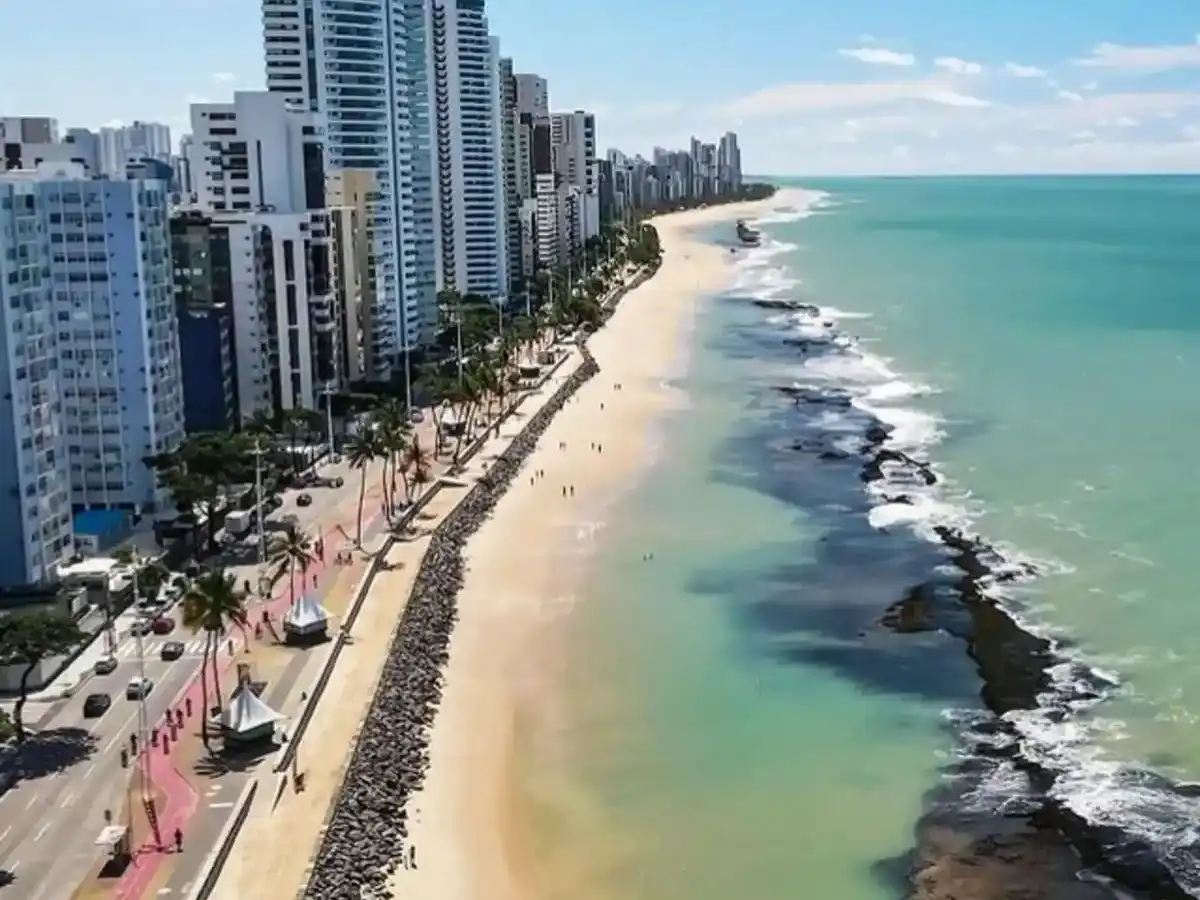
  • Praia de Boa Viagem — Recife’s main urban beach: a long sand strip with natural reef pools at low tide, lively kiosks, and a buzzing promenade. Swim in the tidal pools, walk the boardwalk, and keep an eye on posted safety info about sharks — the pools are the real draw.
If you have time for day trips: Olinda’s colorful historic center (my personal favorite), the clear reefs and beaches of Porto de Galinhas, and the historic Forte Orange and beaches on Ilha de Itamaracá are all easy, visitable options nearby.
Spotted a mistake or missing something? Contact us.

Things to do near Recife

Ratings based on Tripadvisor reviews. When you book through this link, you support our work at no extra cost to you.

🏘️ NeighborhoodsUnderstanding the local layout

Recife is a vibrant city where the rhythm of life pulses through its neighborhoods. Each area offers unique experiences, so let’s break down what you can expect.

Boa Viagem: This beachside neighborhood is a backpacker favorite. It’s lively, with a mix of budget hostels and mid-range hotels. The beach is a major draw, perfect for sunbathing or a quick dip. Walkability is high, and you’ll find plenty of restaurants and bars. Nightlife thrives here, but it can get noisy. Ideal for short stays, especially if you want the beach vibe.

Olinda: Just a short ride from Recife, Olinda is a UNESCO World Heritage site. Its colonial architecture and artistic vibe are captivating. It’s quieter than Boa Viagem, making it great for longer stays if you want to soak in the culture. Walkable cobblestone streets … read more 👉
Recife is a vibrant city where the rhythm of life pulses through its neighborhoods. Each area offers unique experiences, so let’s break down what you can expect.

Boa Viagem: This beachside neighborhood is a backpacker favorite. It’s lively, with a mix of budget hostels and mid-range hotels. The beach is a major draw, perfect for sunbathing or a quick dip. Walkability is high, and you’ll find plenty of restaurants and bars. Nightlife thrives here, but it can get noisy. Ideal for short stays, especially if you want the beach vibe.

Olinda: Just a short ride from Recife, Olinda is a UNESCO World Heritage site. Its colonial architecture and artistic vibe are captivating. It’s quieter than Boa Viagem, making it great for longer stays if you want to soak in the culture. Walkable cobblestone streets lead to stunning views and local artisan shops. Nightlife is more laid-back, with cozy bars and cultural events.

Recife Antigo: The historic heart of the city, this area is packed with charm. It’s a hub for nightlife, especially on weekends, with bars and live music. While it’s walkable, be prepared for some uneven streets. Great for short stays if you want to dive into local culture and nightlife, but it can be pricier due to its popularity.

Pina: A quieter alternative, Pina offers a more local feel. It’s close to the beach but less touristy. Affordable accommodations are available, and it’s walkable with a few local eateries. Ideal for longer stays if you want to escape the hustle while still being near the action.

⌛️ 1 dayA smart one-day plan

Recife, Brazil, is a vibrant blend of history, culture, and coastal charm. Known for its rich colonial architecture and lively arts scene, it’s a city that invites exploration. Start your day in the historic neighborhood of Recife Antigo. Stroll along the cobblestone streets, where colorful buildings whisper stories of the past. Don’t miss the iconic Praça do Marco Zero, the city’s heart, where you can soak in the atmosphere and maybe grab a fresh juice from a nearby vendor.

As the morning unfolds, head to the Museu do Frevo. This small but engaging museum celebrates the local dance and music style, frevo, with interactive exhibits that will get your feet tapping. It’s a great way to connect with the local culture without the tourist crowds. Afterward, wander over to the nearby Rua do Bom … read more 👉
Recife, Brazil, is a vibrant blend of history, culture, and coastal charm. Known for its rich colonial architecture and lively arts scene, it’s a city that invites exploration. Start your day in the historic neighborhood of Recife Antigo. Stroll along the cobblestone streets, where colorful buildings whisper stories of the past. Don’t miss the iconic Praça do Marco Zero, the city’s heart, where you can soak in the atmosphere and maybe grab a fresh juice from a nearby vendor.

As the morning unfolds, head to the Museu do Frevo. This small but engaging museum celebrates the local dance and music style, frevo, with interactive exhibits that will get your feet tapping. It’s a great way to connect with the local culture without the tourist crowds. Afterward, wander over to the nearby Rua do Bom Jesus, lined with charming shops and cafés. Grab a pastel de nata from a local bakery—trust me, it’s a must.

In the afternoon, make your way to the neighborhood of Boa Viagem. The beach here is stunning, but what’s even better is the chance to explore the less-traveled side streets. Look for the local artisans selling handmade crafts. You’ll find unique souvenirs that tell a story, unlike the mass-produced trinkets found in tourist shops.

As evening approaches, return to Recife Antigo for dinner. Try a local restaurant like Leite, where you can savor traditional dishes like carne de sol. The ambiance is warm, and the food is a celebration of local flavors. After dinner, take a leisurely walk along the waterfront. The city lights reflecting on the water create a magical atmosphere, perfect for wrapping up your day.

Recife is a city that rewards curiosity, so embrace the unexpected and let the rhythm of the streets guide you.
Turn your Recife visit into an Brazil adventure
Build a complete Brazil route with Recife, hidden gems, must-see destinations, and realistic travel times included.

Generate my trip

🌤️ When to go?Seasonal considerations and timing


  • Weather: Recife’s tropical climate means it’s hot and humid year-round, but from September to February, rainfall drops significantly, making outdoor activities more enjoyable. The wettest months, March through August, bring heavy showers that can disrupt plans.

  • Temperature: Expect highs around 29–31°C (84–88°F) during the dry season, with nights cooling to 22–24°C (72–75°F). The rainy season sees similar highs but with more humidity, which can feel oppressive if you’re trekking or exploring on foot.

  • Daylight Hours: Recife enjoys roughly 11 to 12 hours of daylight year-round, with slight variation. This consistency means you can plan your days without worrying about early sunsets cutting your adventures short.

  • Crowds: Peak tourist season aligns with Brazil’s summer holidays (December
read more 👉

  • Weather: Recife’s tropical climate means it’s hot and humid year-round, but from September to February, rainfall drops significantly, making outdoor activities more enjoyable. The wettest months, March through August, bring heavy showers that can disrupt plans.

  • Temperature: Expect highs around 29–31°C (84–88°F) during the dry season, with nights cooling to 22–24°C (72–75°F). The rainy season sees similar highs but with more humidity, which can feel oppressive if you’re trekking or exploring on foot.

  • Daylight Hours: Recife enjoys roughly 11 to 12 hours of daylight year-round, with slight variation. This consistency means you can plan your days without worrying about early sunsets cutting your adventures short.

  • Crowds: Peak tourist season aligns with Brazil’s summer holidays (December to February), especially around Carnival. Expect higher prices and busier beaches. The shoulder months, September to November, offer a quieter experience with fewer tourists.

  • Seasonal Activities: Carnival in February is a cultural spectacle worth timing your visit for if you want to dive into local energy and music. Otherwise, the dry season supports beach days, city tours, and outdoor markets without weather interruptions.

  • Price Fluctuations: Accommodation and flights spike during Carnival and summer holidays. Booking outside these windows, particularly in the shoulder months, can save you a significant chunk of your budget without sacrificing comfort.


Pro-tip: Aim for late September to November—less rain, manageable crowds, and better prices—so you get Recife’s vibe without the chaos or soggy days.


source: climatestotravel.comJANJanuary: highly recommended for travelingFEBFebruary: highly recommended for travelingMARMarch: fair for travelingAPRApril: fair for travelingMAYMay: fair for travelingJUNJune: fair for travelingJULJuly: fair for travelingAUGAugust: fair for travelingSEPSeptember: excellent for travelingOCTOctober: excellent for travelingNOVNovember: excellent for travelingDECDecember: highly recommended for traveling
brazil-city-recife
© Google | Aldenor Filho

✈️ The backpacker research shortcutBrazil Travel Guide

An offline-friendly backpacking guide with optimized travel routes, ranked highlights, transport advice, and the best areas to stay.
example page 0 from our offline Travel Guide for Brazil
example page 1 from our offline Travel Guide for Brazil
example page 2 from our offline Travel Guide for Brazil
example page 3 from our offline Travel Guide for Brazil
example page 4 from our offline Travel Guide for Brazil
example page 5 from our offline Travel Guide for Brazil
example page 6 from our offline Travel Guide for Brazil
example page 7 from our offline Travel Guide for Brazil
The digital guide (515 pages) contains:
152 highlights, ranked by travel appeal
Optimized 14, 21 & 30-day travel routes
Cities, national parks, landmarks, beaches
How to get around
Offline-friendly for travel without Wi-Fi
👉 Click to see all 30+ guide features

📅 Plan smarter in minutes, not weeks
Month by month travel advice
Festivals & national holidays
Budget expectations

🗺️ Go to the right places, skip the overrated ones
Honest pros & cons of destinations
Top hikes, parks & viewpoints
Lesser-known places most travelers miss
Clear “worth it vs skip it” guidance

🛏️ Travel smoothly without rookie mistakes
Best areas to stay
Transport systems explained simply
Common scams & safety advice
SIM cards, money & practical tips

🌍 Understand the country, not just visit it
Culture & traditions
52 Essential phrases & customs
Festivals worth planning around
Traveler-friendly historical context
Insights that make places more meaningful

📱 Built for real travel conditions
Fully downloadable PDF
Works completely offline
Optimized for phone use
Useful in remote areas & buses
Everything in one place
Save weeks of stressful planning
Get instant access to your full guide. 30‑day money-back guarantee.


By proceeding you agree to our terms.
Sent to your inbox immediately after payment • 100% Secure Checkout
Best Backpacking Travel Advisor 2025 tourism awardBest Backpacking
Travel Advisor
2025
What others say about Take Your Backpack Guides:
⭐⭐⭐⭐⭐
Fantastic, amazing amount of information!
⭐⭐⭐⭐⭐
My goodness this is amazing, it's what I've been looking for hats off too you!
⭐⭐⭐⭐⭐
I think this is absolutely BRILLIANT
⭐⭐⭐⭐
Very complete and informative. It's still missing places, but I gotta to commend you
⭐⭐⭐⭐⭐
This is truly amazing, thank you, can't wait to explore it with my kids!
⭐⭐⭐⭐⭐
Awesome resource, thank you!
⭐⭐⭐⭐⭐
This is amazing! Can't wait to explore the ones I haven't seen
⭐⭐⭐⭐
I love this! Well done, great idea.
⭐⭐⭐⭐⭐
Thanks for taking the time to make this gem!
⭐⭐⭐⭐⭐
This might be the best website I've ever seen.
⭐⭐⭐⭐⭐
Congratulations, and thank you so much for your work; it's incredibly valuable.
⭐⭐⭐⭐
In all seriousness I think you did a great job pointing out the important spots
⭐⭐⭐⭐⭐
10/10 very good
⭐⭐⭐⭐⭐
As someone who's only just starting to visit regularly this is awesome, thank you.
⭐⭐⭐⭐
Thank you very much! I'm going to visit my dad, it's going to be very useful!
⭐⭐⭐⭐⭐
This is really cool! We'll be travelling for the first time and this definitely come in handy.
⭐⭐⭐⭐⭐
You are now our minister of culture, congratulations 👨‍💼
⭐⭐⭐⭐⭐
Just wanted to tell you that this is a pearl! Going to follow your recommendations.
⭐⭐⭐⭐⭐
This is so cool. I'll definitely be using the resource for my travels soon.
⭐⭐⭐⭐⭐
This is very impressive! Good work.
⭐⭐⭐⭐⭐
This is an amazing and informative site. Very well done!

🛏️ Where to stay?Choosing the right base

Recife’s best backpacker zones revolve around two neighborhoods: Boa Viagem and Recife Antigo. Boa Viagem is the go-to for those who want a blend of safety, social buzz, and beach access. It’s a polished, modern stretch with a long, sandy coastline where you can unwind after a day of exploring. Hostels here tend to be lively hubs, drawing solo travelers and groups alike, making it easy to meet people without sacrificing comfort or security. The vibe is relaxed but urban, with plenty of bars and eateries that cater to a younger crowd.

Recife Antigo, the historic downtown, offers a different flavor—more … read more 👉
Recife’s best backpacker zones revolve around two neighborhoods: Boa Viagem and Recife Antigo. Boa Viagem is the go-to for those who want a blend of safety, social buzz, and beach access. It’s a polished, modern stretch with a long, sandy coastline where you can unwind after a day of exploring. Hostels here tend to be lively hubs, drawing solo travelers and groups alike, making it easy to meet people without sacrificing comfort or security. The vibe is relaxed but urban, with plenty of bars and eateries that cater to a younger crowd.

Recife Antigo, the historic downtown, offers a different flavor—more gritty, artsy, and culturally rich. It’s where you’ll find a cluster of budget hostels packed with travelers who want to dive into Recife’s music, street art, and nightlife. The area is smaller and more walkable, which means you trade some comfort and modern amenities for a raw, authentic experience. Safety can be a bit patchy after dark, so it’s smart to stay alert and stick to well-trafficked spots.

Compared to other parts of Recife, these two neighborhoods strike the best balance between cost, social opportunities, and safety. You’re choosing between beachside ease and cultural immersion, but either way, you’re plugged into the city’s pulse without blowing your budget or risking your peace of mind.

🚌 Getting aroundTransportation options and practical tips

Recife moves with a pulse that’s part samba rhythm, part clockwork precision. It’s a city where the old colonial streets meet the relentless buzz of modern life, and the flow of people and vehicles reflects that duality. You’ll find moments where everything clicks into place—buses arriving just as you reach the stop, ferries gliding on schedule—and others where you’re riding the wave of local intuition, adapting on the fly to traffic jams or sudden downpours. Understanding this flow is your secret weapon: it’s not just about getting from A to B, but about choosing how much time, money, and comfort you’re willing to trade for the experience itself.


  • Walking: Recife’s historic center and beachfront neighborhoods are compact enough to explore on foot, saving money and letting you soak in the
read more 👉
Recife moves with a pulse that’s part samba rhythm, part clockwork precision. It’s a city where the old colonial streets meet the relentless buzz of modern life, and the flow of people and vehicles reflects that duality. You’ll find moments where everything clicks into place—buses arriving just as you reach the stop, ferries gliding on schedule—and others where you’re riding the wave of local intuition, adapting on the fly to traffic jams or sudden downpours. Understanding this flow is your secret weapon: it’s not just about getting from A to B, but about choosing how much time, money, and comfort you’re willing to trade for the experience itself.


  • Walking: Recife’s historic center and beachfront neighborhoods are compact enough to explore on foot, saving money and letting you soak in the city’s textures up close. It’s free, obviously, and the pace is yours, but be ready for uneven sidewalks and the tropical heat that can slow you down in the afternoon.


  • Bus: The backbone of Recife’s budget transit, buses run roughly from 5:00 AM to 11:00 PM. Fares hover around R$4 (about $0.80), making it the cheapest option. Buses can be slow during rush hour, and comfort varies wildly—some are air-conditioned, many are not, and crowding is common. Still, they cover the entire metro area, so they’re indispensable for reaching spots beyond the tourist core.


  • Metro: Recife’s metro system is a game-changer for speed and reliability, running from 5:00 AM to midnight. Tickets cost about R$4.30 ($0.85). It’s clean, air-conditioned, and avoids traffic snarls, but the network is limited to a few key corridors. If your itinerary aligns with metro stops, it’s a solid time-saving investment.


  • Taxi and Ride-Hailing (Uber/99): These offer door-to-door comfort and flexibility, especially late at night when buses and metro shut down. Prices start around R$10 ($2) for short trips but can spike during peak hours or bad weather. They’re the comfort option when time is tight or you’re hauling gear, but they’ll eat into your budget fast if overused.


  • Ferry: For crossing the Capibaribe River or reaching nearby islands, ferries run from early morning until about 8:00 PM. Tickets are cheap, around R$3 ($0.60), and the ride offers a refreshing break from city traffic. It’s slower than land transit but adds a scenic, local flavor to your journey.


Mastering Recife’s transit means balancing these options like a chess player. Walk when you want to absorb the city’s soul, bus or metro when you need to stretch your budget and time, and save taxis for moments when comfort or speed is non-negotiable. Each choice is a trade-off—your job is to pick the moves that maximize your experience without blowing your plan.

👛 Costs (as of 31 May 2026)Money, prices, and spending tips

Backpacking in Recife, Brazil, is a balancing act between affordability and the occasional splurge for comfort or convenience. Here’s how the daily costs typically break down for an independent traveler navigating this vibrant city.
  • Dorm Accommodation (High Season): Expect to pay around $10 to $15 per night in popular hostels during peak tourist months. These spots fill up fast, so prices reflect demand and often include basic amenities like Wi-Fi and communal kitchens.
  • Dorm Accommodation (Off-Season): Drop to about $7 to $10 per night when the crowds thin out. You might find quieter hostels or better deals, but the quality remains consistent.
  • Meals: Street food and local eateries offer meals for $3 to $6. A typical dish like tapioca or a hearty plate of regional specialties won’t break
read more 👉
Backpacking in Recife, Brazil, is a balancing act between affordability and the occasional splurge for comfort or convenience. Here’s how the daily costs typically break down for an independent traveler navigating this vibrant city.
  • Dorm Accommodation (High Season): Expect to pay around $10 to $15 per night in popular hostels during peak tourist months. These spots fill up fast, so prices reflect demand and often include basic amenities like Wi-Fi and communal kitchens.
  • Dorm Accommodation (Off-Season): Drop to about $7 to $10 per night when the crowds thin out. You might find quieter hostels or better deals, but the quality remains consistent.
  • Meals: Street food and local eateries offer meals for $3 to $6. A typical dish like tapioca or a hearty plate of regional specialties won’t break the bank. If you opt for mid-range restaurants, budget $8 to $12 per meal.
  • Local Transport: Single bus rides cost roughly $0.70 to $1.00. Recife’s buses cover most tourist areas, but expect some waiting and occasional crowding.
  • City Transport Pass: A daily transport card, if you plan to move around a lot, costs about $3 to $4. It’s a smart buy for hopping between neighborhoods without fussing over exact change.
  • Basic Activities/Entry Fees: Museums and cultural sites typically charge between $2 and $5. Some popular attractions might be free on certain days, so timing your visits can save a few bucks.
  • Miscellaneous Expenses: This covers bottled water, snacks, occasional tips, or small souvenirs. Budget around $2 to $5 daily to stay covered without surprises.

Add it all up, and you’re looking at a daily budget ranging from roughly $25 on the leanest days to about $45 if you lean into comfort and convenience. Recife rewards those who know where to save and where to spend, turning the city’s logistics into a strategic game rather than a budget headache.
⚠️ Prices can change and everyone travels differently, so take this as a rough guide. Hope it helps you plan your adventure!

🚌 Day tripsEasy escapes and nearby places

Recife is a fantastic launchpad for day trips that blend culture, nature, and adventure. Here are some top picks that make the most of your time, money, and comfort.

Olinda
Just a quick 30-minute bus ride from Recife, Olinda is a UNESCO World Heritage site that feels like stepping into a living postcard. The colonial architecture, vibrant street art, and lively atmosphere are a feast for the senses. Spend your day wandering the cobblestone streets, visiting local artisan shops, and sampling the famous tapioca. The best time to visit is during the cooler months from May to September, when the weather is more pleasant. A common mistake? Skipping the climb up to the Alto da Sé for a panoramic view of the coastline.
👉 Explore Olinda

Praia dos Carneiros
About two hours south of Recife, … read more 👉
Recife is a fantastic launchpad for day trips that blend culture, nature, and adventure. Here are some top picks that make the most of your time, money, and comfort.

Olinda
Just a quick 30-minute bus ride from Recife, Olinda is a UNESCO World Heritage site that feels like stepping into a living postcard. The colonial architecture, vibrant street art, and lively atmosphere are a feast for the senses. Spend your day wandering the cobblestone streets, visiting local artisan shops, and sampling the famous tapioca. The best time to visit is during the cooler months from May to September, when the weather is more pleasant. A common mistake? Skipping the climb up to the Alto da Sé for a panoramic view of the coastline.
👉 Explore Olinda

Praia dos Carneiros
About two hours south of Recife, this beach is worth every minute of the journey. Known for its crystal-clear waters and stunning natural pools, it’s a paradise for sun-seekers and swimmers alike. You can rent a kayak or simply lounge on the beach, soaking in the sun. Expect to spend around R$50 on transport and a bit more for food and drinks. The best time to go is during the week to avoid the crowds. Many first-timers miss the chance to explore the nearby mangroves—don’t be one of them!


Porto de Galinhas
Roughly an hour and a half from Recife, Porto de Galinhas is famous for its natural tide pools and vibrant marine life. Snorkeling here is a must; you’ll see colorful fish and maybe even a sea turtle. The vibe is laid-back, with plenty of beach bars to grab a caipirinha. Budget around R$60 for transport and a few drinks. The best time to visit is during the dry season, from September to March. A common pitfall? Not checking the tide schedule, which can affect your snorkeling experience.
👉 Explore Porto de Galinhas

Caruaru
For a taste of local culture, head to Caruaru, about two hours away. Known for its bustling markets and rich traditions, this town offers a glimpse into the heart of Pernambuco. You can explore the famous Feira de Caruaru, where you’ll find everything from handmade crafts to local food. Budget around R$40 for transport and snacks. The best time to visit is during the June festivals for an authentic experience. Many newcomers overlook the importance of bargaining—don’t be shy!
👉 Explore Caruaru
Want to know what more Brazil offers?
The Brazil Travel Guide describes 152 highlights, from cities to national parks, from beaches to hikes

Get the Travel Guide -

🍲 FoodWhat to Eat & Drink

In Recife, food is a vibrant tapestry of flavors that tells the story of its coastal roots. You can’t miss trying acarajé, a deep-fried ball of black-eyed pea dough filled with shrimp and spices. The caldinho de feijão, a hearty black bean soup, is perfect for warming up after a day of exploring.

Street food stalls are your best bet for authentic bites. The Mercado de São José buzzes with vendors serving tapioca, a versatile dish made from cassava flour, filled with everything from cheese to sweet coconut. Grab a cachaça—the local sugarcane spirit—at a nearby bar, and you’ll feel the pulse of Recife’s nightlife.

Dining here is often communal. Expect to share tables and engage in lively conversations. Don’t be surprised if you’re offered a taste of someone else’s dish; it’s all part of … read more 👉
In Recife, food is a vibrant tapestry of flavors that tells the story of its coastal roots. You can’t miss trying acarajé, a deep-fried ball of black-eyed pea dough filled with shrimp and spices. The caldinho de feijão, a hearty black bean soup, is perfect for warming up after a day of exploring.

Street food stalls are your best bet for authentic bites. The Mercado de São José buzzes with vendors serving tapioca, a versatile dish made from cassava flour, filled with everything from cheese to sweet coconut. Grab a cachaça—the local sugarcane spirit—at a nearby bar, and you’ll feel the pulse of Recife’s nightlife.

Dining here is often communal. Expect to share tables and engage in lively conversations. Don’t be surprised if you’re offered a taste of someone else’s dish; it’s all part of the experience.

Remember, meals can stretch into the evening, so take your time. Savor the flavors and the company. In Recife, every bite is an invitation to connect, making your culinary journey as rich as the city itself.

🛡️ SafetyTraveler Safety Guide

Recife is generally safe for backpackers, but like any city, it has its quirks. Stay alert in crowded areas like markets or bus stations, where pickpockets might lurk. If you’re wandering solo at night, stick to well-lit streets and avoid quieter neighborhoods like Boa Viagem after dark.

Common scams include overly friendly locals offering unsolicited help, which can lead to inflated prices or unwanted detours. Politely decline and keep your plans close to your chest.

Annoyances can pop up, like aggressive street vendors or persistent taxi drivers. A firm “no, obrigado” usually does the trick.

Carry your belongings securely and maintain a confident posture. Being aware of your surroundings goes a long way. With a little vigilance, you can enjoy Recife’s vibrant culture without a hitch.

Other Brazilian cities near Recife

Explore more nearby:

  • Olinda—steep hills, colonial facades, carnival parades| 7 km away
  • João Pessoa—easternmost point, quiet beaches, colonial core| 103 km away
  • Caruaru—forró festivals, craft markets, rural fairs| 123 km away

💡 Not sure where to go next?
Create a personalized itinerary for Brazil including Recife and the places that fit your trip.

Generate my itinerary

👉 Discover all cities

Or checkout all Brazil has to offer (think cities, towns, villages, national parks, hikes, beaches, festivals)
Country photo of Brazil

We 💚 feedbackFinal thoughts on visiting Recife

Recife is a vibrant mix of culture and history, with its stunning colonial architecture and lively street art. You’ll feel the pulse of Brazil here. But be prepared for the heat and humidity; it can be relentless. If you’re not a fan of sweating through your shirt, plan your outdoor adventures for early mornings or late afternoons. Embrace the rhythm, and you’ll find it’s worth every bead of sweat.

✈️ When did I visit Brazil?
Call it good timing or luck, but I was able to celebrate Carnaval in Rio de Janeiro in February 2022, after a round trip in the north and east coast.

✍️ Help improve this page!
The information on this page is based on my own backpacking experience in Brazil, supplemented with up-to-date research and feedback from other travelers. Travel details can change, so if you notice anything outdated or incomplete, feel free to let me know.


🙋‍♂️ Give feedback

👋 Meet the founderWho’s Behind Take Your Backpack?

Johan, backpacker and founder of TakeYourBackpackHi, I’m Johan (Netherlands 🇳🇱), the creator of TakeYourBackpack. Over the past decade, I’ve backpacked through 80+ countries across six continents, gaining extensive experience with independent travel, long-term trips, and overland routes.

This site is built on a combination of firsthand travel experience and carefully curated insights from other backpackers. Many guides are based on places I’ve personally visited, while others bring together tips, observations, and practical advice shared by trusted travelers I’ve met along the way.

The goal is to provide realistic, experience-driven guidance — not generic itineraries — so you can explore destinations with better context, clearer expectations, and more confidence.

Get full Brazil guide •
Instant download • 152 highlights • Full Offline guide