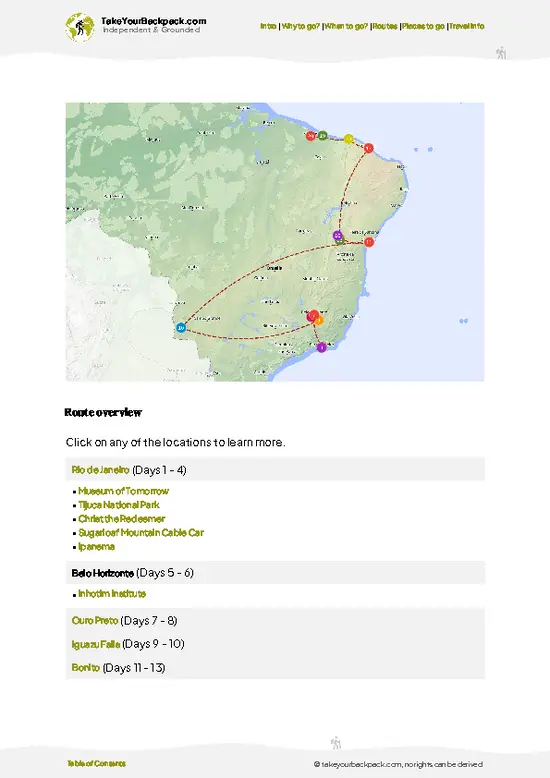
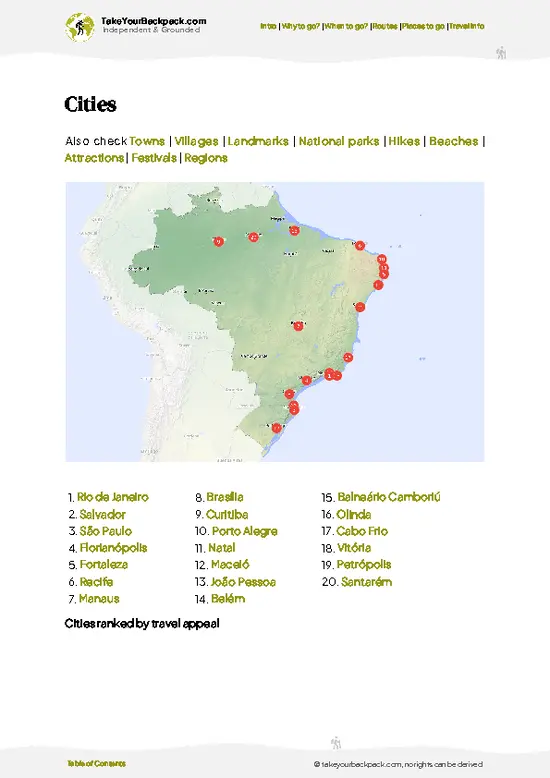
How many cities to plan: Plan on three or four cities for two to three weeks, and two for anything under ten days. The reason is arithmetic. Each move between regions costs half a day once you add the airport ride, check-in, a flight of 1.5 to 3 hours and the transfer into town, and Brazilian cities need at least three nights before the heat, the language and the orientation stop eating your energy. Five or more stops puts a third of the trip in transit and charges you twice, in fares and in lost days. A sixth or seventh city adds a name to the list, not an experience.
Choosing between kinds of city: Brazil offers a handful of distinct types, and the right mix depends on how you travel.
Megacities suit travelers who want food, nightlife, museums and live music, and they are the most expensive …
read more 👉 How many cities to plan: Plan on three or four cities for two to three weeks, and two for anything under ten days. The reason is arithmetic. Each move between regions costs half a day once you add the airport ride, check-in, a flight of 1.5 to 3 hours and the transfer into town, and Brazilian cities need at least three nights before the heat, the language and the orientation stop eating your energy. Five or more stops puts a third of the trip in transit and charges you twice, in fares and in lost days. A sixth or seventh city adds a name to the list, not an experience.
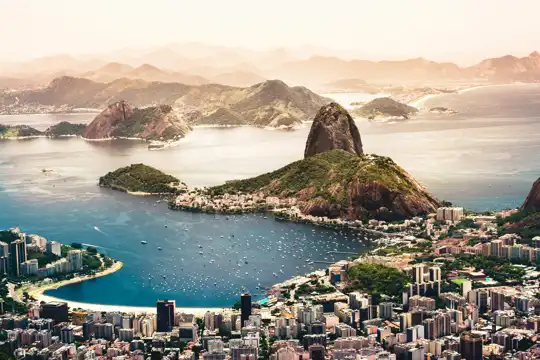
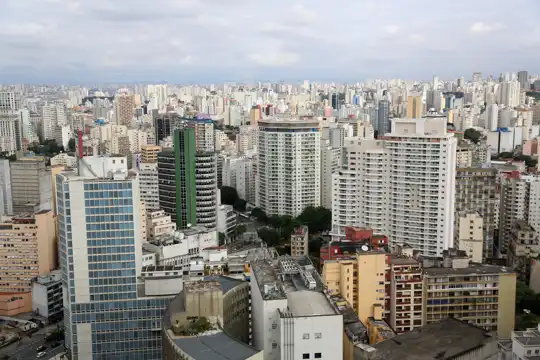
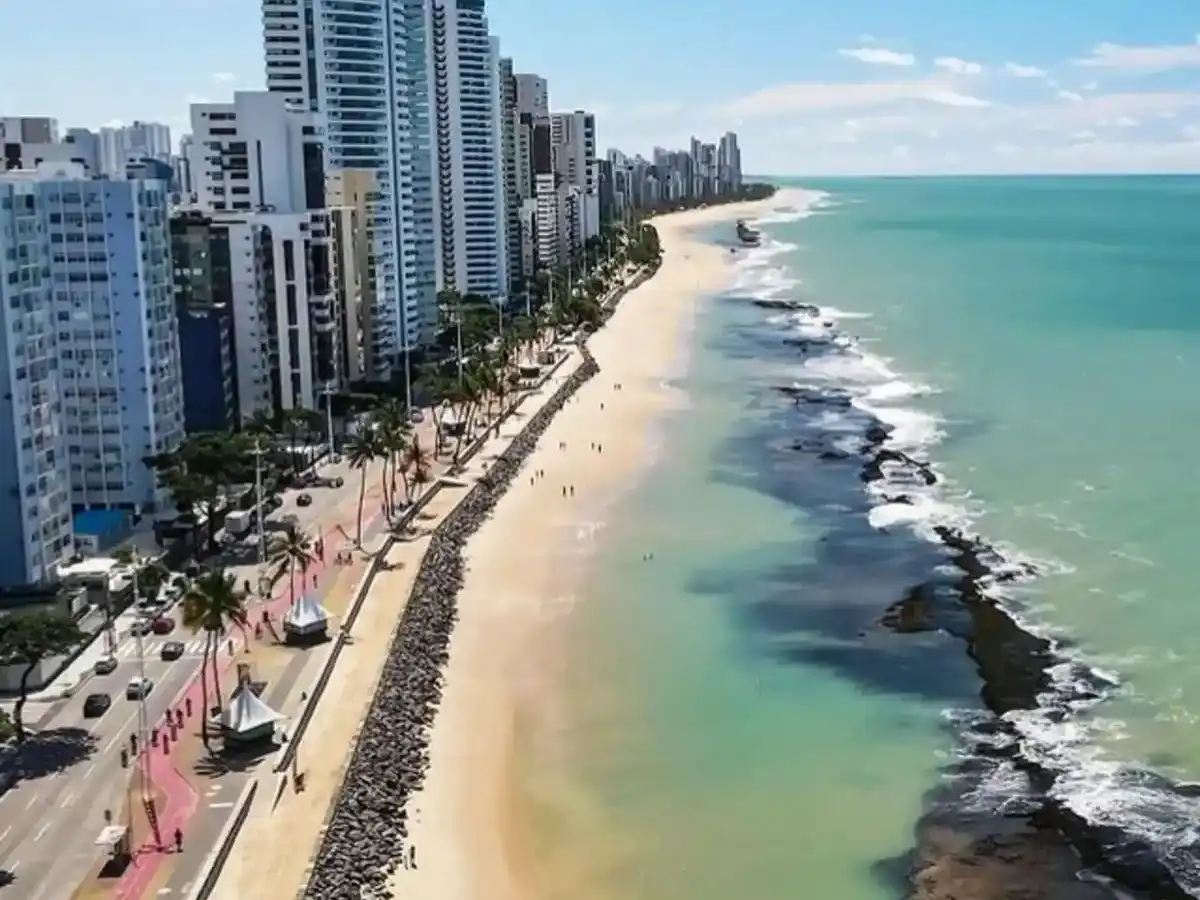
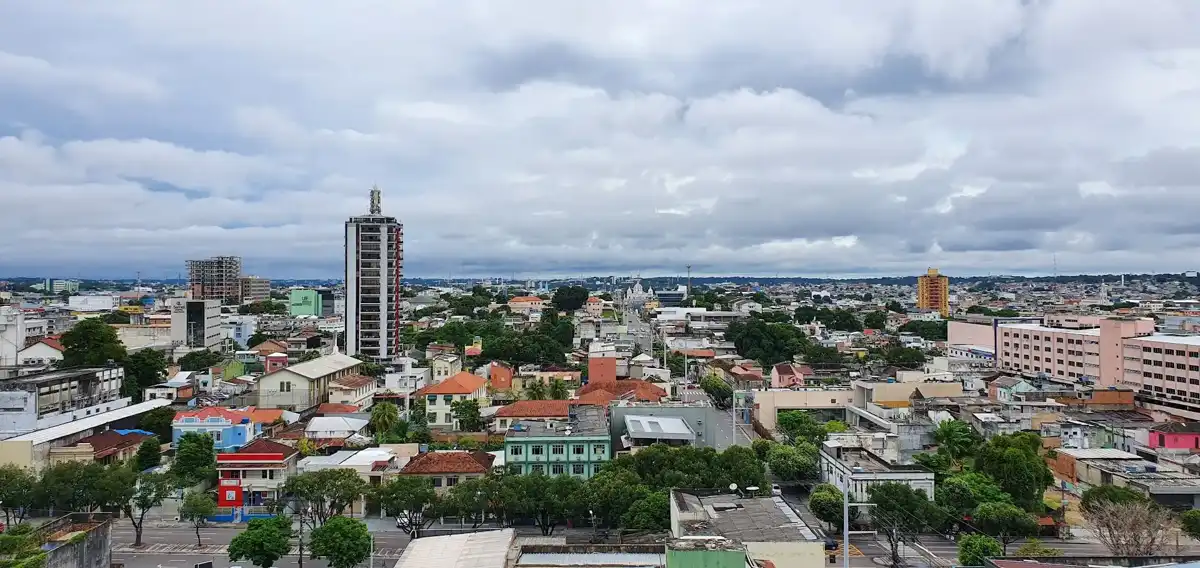
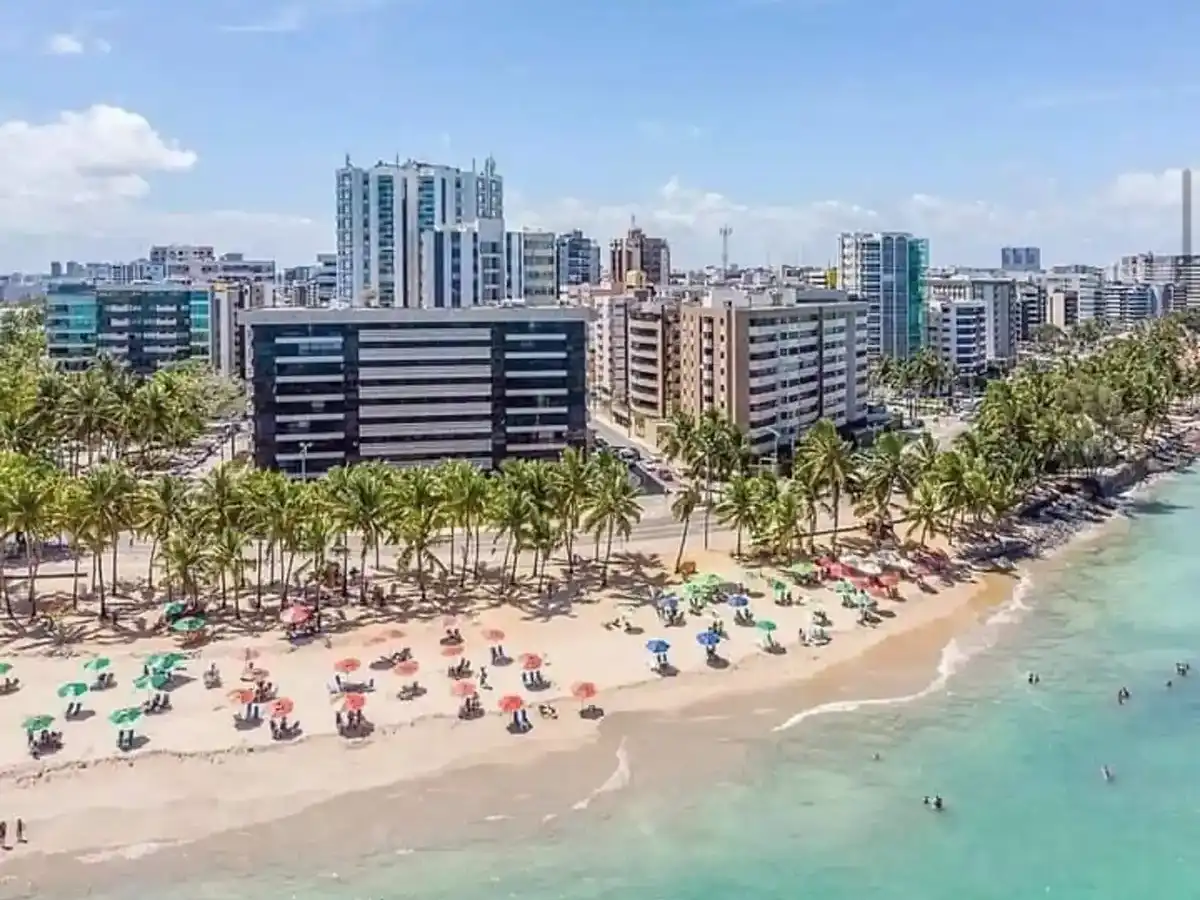
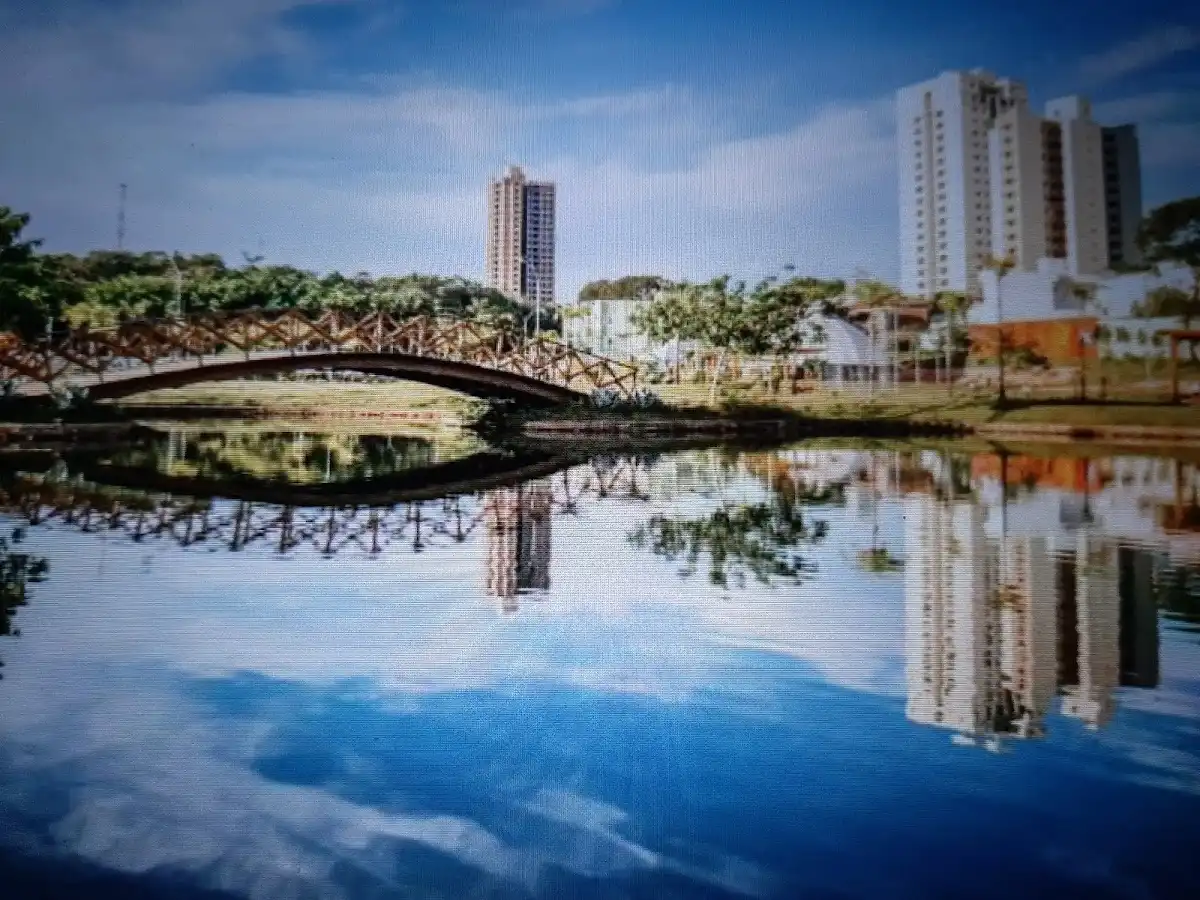
Choosing between kinds of city: Brazil offers a handful of distinct types, and the right mix depends on how you travel. Megacities suit travelers who want food, nightlife, museums and live music, and they are the most expensive and tiring. Coastal culture cities suit first-timers and social travelers, since beaches, walkable old centers and busy hostels share the same neighborhood. Historic inland towns suit slower travelers and tight budgets, but nightlife is quiet and many places shut early. Purpose-built and industrial cities are not worth a backpacker’s time unless architecture is your reason, because sights sit far apart, taxis eat the budget and street life is thin. Amazon river cities make sense only as a launch point for a jungle or river trip, and the airfare to reach them is high.
For a first trip, I would pick one megacity and one coastal culture city, then add a historic town if time allows. On a budget, lean toward the Northeast and smaller inland places, where lodging and meals run 20 to 40 percent cheaper. Experienced travelers get the most from second-tier cities in the Northeast and South, which see far fewer foreign visitors.
What it costs: A backpacker spends about US$40 to 70 a day (R$220 to 380), mid-range travelers US$80 to 130 (R$440 to 715). Dorm beds run R$70 to 140 (US$12 to 25) and private hostel rooms R$200 to 400 (US$35 to 70). A per-kilo lunch costs R$40 to 80 (US$7 to 14), street snacks R$10 to 25 (US$2 to 4.50), a beer in a bar R$8 to 15 (US$1.50 to 2.70). Metro and city bus rides are R$5 to 7.50 (US$1 to 1.35), and a typical ride-hailing trip is R$15 to 40 (US$3 to 7).
Per visit, count on R$900 to 1,600 (US$165 to 290) for three nights in a city, including a dorm, meals, local transport and one paid activity. Museum entry is usually R$10 to 60 (US$2 to 11). Paid guided walks cost R$150 to 300 (US$27 to 55), and free walking tours run on tips of R$30 to 60 (US$5.50 to 11). Licensed community or favela visits cost R$100 to 250 (US$18 to 45). Airport transfers by app are R$60 to 150 (US$11 to 27). Domestic flights cost R$250 to 800 (US$45 to 145), and long-distance buses R$80 to 250 (US$15 to 45) for 6 to 10 hours.
Costs and delays that catch travelers out: Booking flights late is the biggest budget leak, since fares can double inside two weeks. Book three to six weeks ahead, and check the baggage allowance, because low-cost carriers charge R$80 to 200 (US$15 to 36) per checked bag. Some cities have two airports, so check the airport code before paying.
Restaurant bills include a 10 percent service charge by default, which is not a scam and means no extra tip is needed. Watch instead for a couvert (a fee for bread, appetizers or live music) that appears on the bill if you did not refuse it. Ask when seated. Beach vendors rarely post prices, so agree the price before eating or drinking.
Withdrawals at ATMs are often capped at R$1,000 (US$180) with a foreign-card fee, so take out larger sums less often, only inside banks or malls during the day. Cards are accepted nearly everywhere, including small shops, so carry just R$100 to 300 in cash. Avoid street money changers entirely.
Summer storms and congested airports cause delays, so keep a buffer of 3 hours before any onward flight and never plan a long bus ride on the day you fly home. Public holidays and Carnival remove transport capacity, and prices rise sharply on the nearest days.
Unlicensed tours are another trap. Favela visits, boat trips and jungle excursions sold on the street are cheaper but less safe and often poorly run. Book through a hostel, a registered agency or a community organization.
Safety and cultural considerations: The main risk in Brazilian cities is opportunistic theft, especially phone snatching. Keep your phone in a front pocket or zipped bag, and avoid using it at street corners, on beaches and at bus stops. Carry one card and a small amount of cash, leave jewelry at the hostel, and consider a cheap backup phone for navigation. After dark, take a ride-hailing app even for short trips, and avoid empty downtown commercial districts after business hours and on Sundays. On beaches, bring only what you need and never leave belongings unattended while you swim.
Health matters too. Dengue spreads through the cities in the wet season, so use repellent with 20 to 30 percent DEET, especially at dawn and dusk. Yellow fever vaccination is recommended for many regions, and it should be done at least ten days before arrival. Drink bottled or filtered water.
Culturally, Brazilians greet with a kiss on the cheek or a handshake and are warm and talkative. Start with “bom dia” or “boa tarde.” Speaking Spanish and expecting to be understood usually fails, while a few Portuguese phrases and a translation app win goodwill quickly. Beachwear stays at the beach, so put on a shirt and shoes before entering shops or restaurants. Social events start late and run long, but flights and tours leave on time. At Afro-Brazilian religious ceremonies, ask before taking photos and dress modestly. On Sundays, many smaller shops close and families fill restaurants at lunch, so plan accordingly.
v2.webp)





 Best Backpacking
.jpg) Hi, I’m Johan (Netherlands 🇳🇱), the creator of TakeYourBackpack. Over the past 3 decades, I’ve backpacked through 90+ countries across six continents, gaining extensive experience with independent travel, long-term trips, and overland routes.
Hi, I’m Johan (Netherlands 🇳🇱), the creator of TakeYourBackpack. Over the past 3 decades, I’ve backpacked through 90+ countries across six continents, gaining extensive experience with independent travel, long-term trips, and overland routes.