v2.webp)



Poda Protected Area
This isn’t your average birdwatching stop. Poda is a wild, marshy patchwork where you’ll spot pelicans, glossy ibises, and herons from rickety wooden hides. The real trick? Go at sunrise, when the air is thick with birdsong and you’ll share the trails with local conservationists, not busloads of tourists. Bring binoculars and a sense of patience—this is the kind of place that rewards those who linger.
Atanasovsko Lake Salt Pans
You’ll know you’re close when the air gets tangy and the landscape turns pink. These salt pans are a working landscape, not a museum piece. In late summer, you can float in the mineral-rich pools (think: Bulgaria’s answer to the Dead Sea) and slather yourself in black healing mud, right alongside locals. The salt harvest is a spectacle—timing your … read more 👉
This isn’t your average birdwatching stop. Poda is a wild, marshy patchwork where you’ll spot pelicans, glossy ibises, and herons from rickety wooden hides. The real trick? Go at sunrise, when the air is thick with birdsong and you’ll share the trails with local conservationists, not busloads of tourists. Bring binoculars and a sense of patience—this is the kind of place that rewards those who linger.
Atanasovsko Lake Salt Pans
You’ll know you’re close when the air gets tangy and the landscape turns pink. These salt pans are a working landscape, not a museum piece. In late summer, you can float in the mineral-rich pools (think: Bulgaria’s answer to the Dead Sea) and slather yourself in black healing mud, right alongside locals. The salt harvest is a spectacle—timing your … read more 👉
Poda Protected Area
This isn’t your average birdwatching stop. Poda is a wild, marshy patchwork where you’ll spot pelicans, glossy ibises, and herons from rickety wooden hides. The real trick? Go at sunrise, when the air is thick with birdsong and you’ll share the trails with local conservationists, not busloads of tourists. Bring binoculars and a sense of patience—this is the kind of place that rewards those who linger.
Atanasovsko Lake Salt Pans
You’ll know you’re close when the air gets tangy and the landscape turns pink. These salt pans are a working landscape, not a museum piece. In late summer, you can float in the mineral-rich pools (think: Bulgaria’s answer to the Dead Sea) and slather yourself in black healing mud, right alongside locals. The salt harvest is a spectacle—timing your visit for August means you can watch the workers rake and pile the salt by hand.
Burgas Sea Garden (Morska gradina)
Every city has a park, but Burgas’ Sea Garden is a living, breathing social hub. Locals stroll, flirt, and snack on sunflower seeds under the shade of ancient trees. The real move? Grab a beer from a kiosk and find a bench overlooking the Black Sea. If you’re lucky, you’ll catch an impromptu folk dance or a street musician who actually knows what they’re doing.
Lake Vaya (Burgas Lake)
This is Bulgaria’s largest natural lake, but it’s the shifting light and the chorus of frogs that make it memorable. Rent a kayak from the ramshackle dock on the western shore and paddle out at dusk. You’ll glide past fishermen casting nets from battered rowboats and, if you’re quiet, spot wild horses grazing on the banks.
St. Anastasia Island
A boat ride from Burgas port lands you on this tiny island, once a pirate hideout and later a prison. Now, it’s a quirky microcosm: a lighthouse, a tiny church, and a café serving fish soup with a view. The real insider tip? Stay for sunset—the last boat back is usually packed with locals who know the golden hour here is pure magic.
Chengene Skele Fishermen’s Village
This is the anti-tourist-trap. A working fishing village where you can watch the catch come in, chat with weathered old-timers mending nets, and eat grilled sprats so fresh they’re still twitching. The painted boats and ramshackle shacks are Instagram gold, but the real value is in the stories you’ll hear if you linger over a rakiya.
Mandrensko Lake South Shore
Skip the main road and take the dirt track south of Mandrensko Lake. Here, the reed beds are thick, the air is heavy with the scent of wild mint, and you’re more likely to see a water buffalo than another tourist. Bring a picnic and watch the clouds roll in over the water—this is where Burgas locals go to disappear for a few hours.
Poroy Reservoir
A favorite with local anglers and wild swimmers, Poroy is off the radar for most visitors. The water is clean, the banks are quiet, and there’s a tiny lakeside bar that serves cold beer and fried carp. If you want to see how Bulgarians unwind on a hot afternoon, this is your spot.
Pomorie Lake and Salt Museum
Yes, it’s a museum, but it’s run by the same families who’ve harvested salt here for generations. Walk the dikes, watch flamingos stalk the shallows, and try the salt-cured fish at the tiny café. The museum’s hands-on demos are worth the detour—especially if you time your visit for the late summer salt festival.
Lake Uzungeren
A true local secret. This shallow, reed-choked lake is a magnet for rare birds and amateur botanists. There’s no visitor center, no marked trails—just a few footpaths used by fishermen and foragers. If you want to feel like you’ve stumbled into a lost world, this is the place. Bring bug spray and a sense of adventure.
This isn’t your average birdwatching stop. Poda is a wild, marshy patchwork where you’ll spot pelicans, glossy ibises, and herons from rickety wooden hides. The real trick? Go at sunrise, when the air is thick with birdsong and you’ll share the trails with local conservationists, not busloads of tourists. Bring binoculars and a sense of patience—this is the kind of place that rewards those who linger.
Atanasovsko Lake Salt Pans
You’ll know you’re close when the air gets tangy and the landscape turns pink. These salt pans are a working landscape, not a museum piece. In late summer, you can float in the mineral-rich pools (think: Bulgaria’s answer to the Dead Sea) and slather yourself in black healing mud, right alongside locals. The salt harvest is a spectacle—timing your visit for August means you can watch the workers rake and pile the salt by hand.
Burgas Sea Garden (Morska gradina)
Every city has a park, but Burgas’ Sea Garden is a living, breathing social hub. Locals stroll, flirt, and snack on sunflower seeds under the shade of ancient trees. The real move? Grab a beer from a kiosk and find a bench overlooking the Black Sea. If you’re lucky, you’ll catch an impromptu folk dance or a street musician who actually knows what they’re doing.
Lake Vaya (Burgas Lake)
This is Bulgaria’s largest natural lake, but it’s the shifting light and the chorus of frogs that make it memorable. Rent a kayak from the ramshackle dock on the western shore and paddle out at dusk. You’ll glide past fishermen casting nets from battered rowboats and, if you’re quiet, spot wild horses grazing on the banks.
St. Anastasia Island
A boat ride from Burgas port lands you on this tiny island, once a pirate hideout and later a prison. Now, it’s a quirky microcosm: a lighthouse, a tiny church, and a café serving fish soup with a view. The real insider tip? Stay for sunset—the last boat back is usually packed with locals who know the golden hour here is pure magic.
Chengene Skele Fishermen’s Village
This is the anti-tourist-trap. A working fishing village where you can watch the catch come in, chat with weathered old-timers mending nets, and eat grilled sprats so fresh they’re still twitching. The painted boats and ramshackle shacks are Instagram gold, but the real value is in the stories you’ll hear if you linger over a rakiya.
Mandrensko Lake South Shore
Skip the main road and take the dirt track south of Mandrensko Lake. Here, the reed beds are thick, the air is heavy with the scent of wild mint, and you’re more likely to see a water buffalo than another tourist. Bring a picnic and watch the clouds roll in over the water—this is where Burgas locals go to disappear for a few hours.
Poroy Reservoir
A favorite with local anglers and wild swimmers, Poroy is off the radar for most visitors. The water is clean, the banks are quiet, and there’s a tiny lakeside bar that serves cold beer and fried carp. If you want to see how Bulgarians unwind on a hot afternoon, this is your spot.
Pomorie Lake and Salt Museum
Yes, it’s a museum, but it’s run by the same families who’ve harvested salt here for generations. Walk the dikes, watch flamingos stalk the shallows, and try the salt-cured fish at the tiny café. The museum’s hands-on demos are worth the detour—especially if you time your visit for the late summer salt festival.
Lake Uzungeren
A true local secret. This shallow, reed-choked lake is a magnet for rare birds and amateur botanists. There’s no visitor center, no marked trails—just a few footpaths used by fishermen and foragers. If you want to feel like you’ve stumbled into a lost world, this is the place. Bring bug spray and a sense of adventure.
Spotted a mistake or missing something? Contact us.

Transfer services

Visit the Unique & Only Bulgarian Black Sea Island Saint Anastasia

Private One-way Transfer Bourgas Airport to Hotel or vice versa

Burgas Exquisite Wine Tasting

Self-Guided Sand Festival in Burgas

Bourgas Airport - Sunny Beach | Airport Transfer,Taxi, Bus Service | Book Now
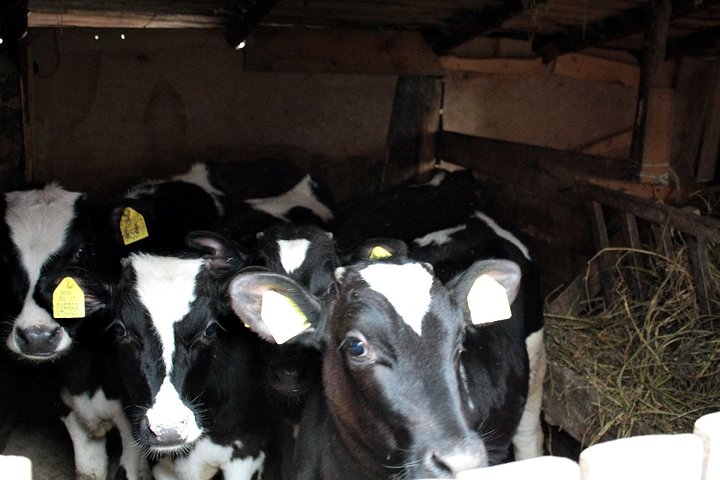
Help the hosts: Breadmaking, Yoghurt making and Cattle Keeping

Two-day Private Birding Trip: The Eastern Rhodopes & Sakar

Private Transfer from Burgas (BOJ) Airport to Nesebar

 Best Backpacking
.jpg) Hi, I’m Johan (Netherlands 🇳🇱), the creator of TakeYourBackpack. Over the past 3 decades, I’ve backpacked through 90+ countries across six continents, gaining extensive experience with independent travel, long-term trips, and overland routes.
Hi, I’m Johan (Netherlands 🇳🇱), the creator of TakeYourBackpack. Over the past 3 decades, I’ve backpacked through 90+ countries across six continents, gaining extensive experience with independent travel, long-term trips, and overland routes.