×

Burkina Faso🇧🇫 | villagesKankalabéremote villages, subsistence farming, hilly terrain | things to do and best time to go

Explore Royal Court of TiébéléExplore Kordié

Backpacking in Kankalabé
By Johan Kruseman 🇳🇱 | Updated September 3, 2026

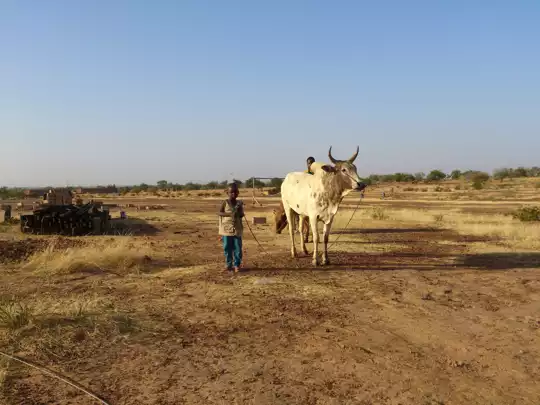
You’re standing in the shade of a neem tree, dust swirling at your ankles, the air thick with the scent of woodsmoke and fried millet cakes. Kankalabé sits in western Burkina Faso, a few hours’ jostling bush taxi from Bobo-Dioulasso. This is a town where time slows: the market is small but lively, and the real draw is the easy access to rolling savanna and quiet villages nearby. Kankalabé isn’t a destination for nightlife or grand monuments—it’s a pause, a place to catch your breath between bigger towns, swap stories with locals over sweet tea, and maybe join a passing traveler for a hike. You’ll need patience for transport, but costs are low and the vibe is relaxed—more genuine than touristy Banfora, less hectic than Bobo. If you want a taste of rural Burkina Faso, this is the real thing.

Discover everything you want to know in the 📖 Burkina Faso Travel Guide.
Safety warning

The current risk level for Burkina Faso is high. Check the advice before going.


Get your Burkina Faso guide
65 ranked highlights, routes & tips, works offline (280 pages)
Loading the map 🌍
CLICK TO FILTER
cities
towns
villages
landmarks
national parks
hikes
attractions
festivals
regions
SHOW COUNTRY’S BESTSHOW ALL

✨ Why go?
Ranked #99 village in Burkina Faso
The unique appeal for travelers

Kankalabé serves as a gateway for backpackers seeking authentic experiences in Burkina Faso. Its walkable streets invite you to explore local markets, where the scent of grilled fish mingles with spices. This town is a convenient base for nearby hikes and cultural sites, making it ideal for slow travelers and hikers. Small-scale guesthouses foster a friendly atmosphere, encouraging connections among solo and small-group travelers. Most stay a few days, soaking in the laid-back vibe before heading to the stunning beaches or deeper into the countryside. Kankalabé isn’t just a stop; it’s a chance to immerse yourself in the local rhythm.
Want to include Kankalabé in your Burkina Faso route?
Create a personalized Burkina Faso itinerary that includes Kankalabé and the places that fit your trip — based on your travel style, budget, and available time. Get your route in seconds.

Generate my trip

💡 HighlightsDon't-miss highlights and experiences

  • Village chief’s compound (cour palabre) — The social and administrative heart of the village where locals settle disputes, hold ceremonies, and welcome visitors; an authentic place to observe traditional leadership, spoken history, and daily community rhythms.
  • Weekly market square — The lively market day is where you see the village’s economic and social life: food stalls, craft sellers, bargaining, and a real chance to taste local street foods and buy hand-made goods from residents.
  • Village mosque — A focal point for daily life and architecture; visiting outside prayer times lets you appreciate community patterns, local religious practices, and simple, often locally built religious architecture.
  • Communal well or water point — More than a utility, the well is a daily meeting place for
read more 👉
  • Village chief’s compound (cour palabre) — The social and administrative heart of the village where locals settle disputes, hold ceremonies, and welcome visitors; an authentic place to observe traditional leadership, spoken history, and daily community rhythms.
  • Weekly market square — The lively market day is where you see the village’s economic and social life: food stalls, craft sellers, bargaining, and a real chance to taste local street foods and buy hand-made goods from residents.
  • Village mosque — A focal point for daily life and architecture; visiting outside prayer times lets you appreciate community patterns, local religious practices, and simple, often locally built religious architecture.
  • Communal well or water point — More than a utility, the well is a daily meeting place for women and families; watching water collection and hearing local conversation gives a direct window into practical village life.
  • Large baobab or landmark tree — Big trees in Sahelian villages function as shade, meeting spot, storytelling site and informal landmark; they’re great places to sit, chat with locals, and learn oral histories.
  • Traditional granaries and compound architecture — Clustered mud-brick houses and round granaries demonstrate local building techniques and food-storage traditions; they tell you how families live, cook, and preserve harvests.
  • Local primary school — Visiting (respectfully, when allowed) shows everyday community investment in the next generation; meeting teachers or seeing lessons in session offers insight into local priorities and routines.
A few real, visitable highlights you can day-trip to from the village include nearby regional markets in the closest town and the larger provincial centers where you’ll find more shops and transport links, plus any regional protected areas or cultural sites in the province that are typically reached by a half-day drive.
Spotted a mistake or missing something? Contact us.

⌛️ 1 dayWhat you can realistically do in a day

Kankalabé, a vibrant town in Burkina Faso, pulses with life and culture, offering a glimpse into the daily rhythms of its people. Start your morning at the bustling local market, where the air is thick with the scent of spices and fresh produce. Engage with vendors selling colorful fabrics and handmade crafts; this is where you’ll find the heart of Kankalabé.

As the sun climbs higher, stroll through the nearby neighborhoods, taking in the clay houses adorned with intricate designs. Visit the lesser-known Musée de Kankalabé, a small but rich repository of local history and art that often flies under the radar. It’s a chance to connect with the town’s heritage in a way that feels intimate and genuine.

In the afternoon, head to the banks of the nearby river. The gentle sound of flowing water … read more 👉
Kankalabé, a vibrant town in Burkina Faso, pulses with life and culture, offering a glimpse into the daily rhythms of its people. Start your morning at the bustling local market, where the air is thick with the scent of spices and fresh produce. Engage with vendors selling colorful fabrics and handmade crafts; this is where you’ll find the heart of Kankalabé.

As the sun climbs higher, stroll through the nearby neighborhoods, taking in the clay houses adorned with intricate designs. Visit the lesser-known Musée de Kankalabé, a small but rich repository of local history and art that often flies under the radar. It’s a chance to connect with the town’s heritage in a way that feels intimate and genuine.

In the afternoon, head to the banks of the nearby river. The gentle sound of flowing water creates a serene backdrop for a picnic. As evening approaches, find a local eatery where you can savor traditional dishes like tô or grilled fish, surrounded by laughter and conversation. The day wraps up with the warm glow of sunset, casting a golden hue over Kankalabé, leaving you with a sense of connection to this remarkable place.
Turn your Kankalabé visit into an Burkina Faso adventure
Build a complete Burkina Faso route with Kankalabé, hidden gems, must-see destinations, and realistic travel times included.

Generate my trip

🌤️ When to go?Seasonal considerations and timing


  • Weather: The dry season from November to February offers clear skies and minimal dust, making trekking and exploring more comfortable. Avoid the rainy season (June to September) when heavy downpours turn paths to mud and limit access.

  • Temperature: Daytime highs hover around 30-35°C (86-95°F) in the dry season, dropping to a pleasant 15-20°C (59-68°F) at night. The wet season is hotter and more humid, which can sap your energy fast.

  • Daylight Hours: Expect roughly 11 to 12 hours of daylight year-round, but the dry season’s clearer skies mean you’ll get more usable light for early starts and late finishes.

  • Crowds: Kankalabé is off the beaten path, so crowds are minimal year-round. However, local festivals in December can bring a lively buzz, offering a rare chance to dive into authentic
read more 👉

  • Weather: The dry season from November to February offers clear skies and minimal dust, making trekking and exploring more comfortable. Avoid the rainy season (June to September) when heavy downpours turn paths to mud and limit access.

  • Temperature: Daytime highs hover around 30-35°C (86-95°F) in the dry season, dropping to a pleasant 15-20°C (59-68°F) at night. The wet season is hotter and more humid, which can sap your energy fast.

  • Daylight Hours: Expect roughly 11 to 12 hours of daylight year-round, but the dry season’s clearer skies mean you’ll get more usable light for early starts and late finishes.

  • Crowds: Kankalabé is off the beaten path, so crowds are minimal year-round. However, local festivals in December can bring a lively buzz, offering a rare chance to dive into authentic culture.

  • Seasonal Activities: The dry season is prime for hiking and village visits, while the rainy season brings lush landscapes but limits outdoor activities due to slippery trails and flooded areas.

  • Price Fluctuations: Accommodation and transport costs rise slightly during the dry season’s peak months (December-January) due to increased demand, but the premium is worth the ease of travel and clearer conditions.


Pro-tip: Aim for late November or early February to catch the sweet spot—dry, cool, and quiet—so you can savor Kankalabé’s raw landscapes without the hassle of crowds or mud.


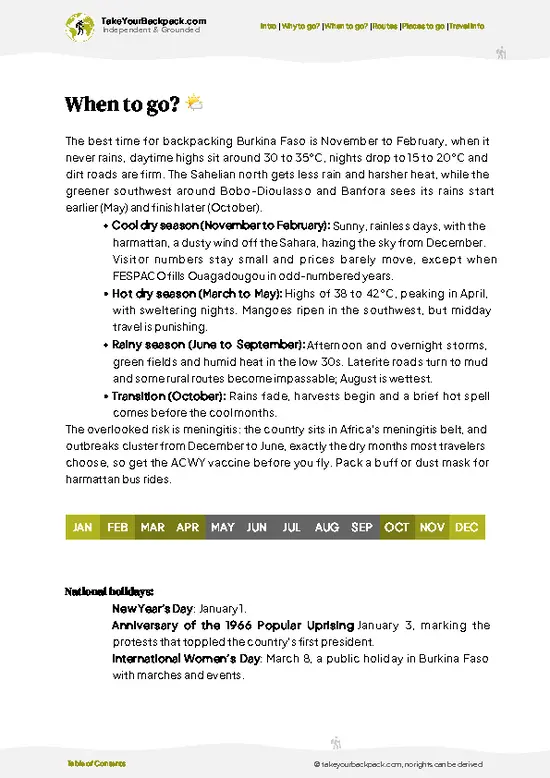
source: climatestotravel.comJANJanuary: highly recommended for travelingFEBFebruary: excellent for travelingMARMarch: good for travelingAPRApril: fair for travelingMAYMay: fair for travelingJUNJune: below average for travelingJULJuly: below average for travelingAUGAugust: below average for travelingSEPSeptember: below average for travelingOCTOctober: good for travelingNOVNovember: excellent for travelingDECDecember: highly recommended for traveling
when-to-go

✈️ The backpacker research shortcutBurkina Faso Travel Guide

An offline-friendly backpacking guide with optimized travel routes, ranked highlights, transport advice, and the best areas to stay.
example page 0 from our offline Travel Guide for Burkina Faso
example page 1 from our offline Travel Guide for Burkina Faso
example page 2 from our offline Travel Guide for Burkina Faso
example page 3 from our offline Travel Guide for Burkina Faso
example page 4 from our offline Travel Guide for Burkina Faso
example page 5 from our offline Travel Guide for Burkina Faso
example page 6 from our offline Travel Guide for Burkina Faso
example page 7 from our offline Travel Guide for Burkina Faso
The digital guide (280 pages) contains:
65 highlights, ranked by travel appeal
Optimized 5, 10 & 15-day travel routes
Cities, national parks, landmarks, beaches
How to get around
Offline-friendly for travel without Wi-Fi
👉 Click to see all 30+ guide features

📅 Plan smarter in minutes, not weeks
Month by month travel advice
Festivals & national holidays
Budget expectations

🗺️ Go to the right places, skip the overrated ones
Honest pros & cons of destinations
Top hikes, parks & viewpoints
Lesser-known places most travelers miss
Clear “worth it vs skip it” guidance

🛏️ Travel smoothly without rookie mistakes
Best areas to stay
Transport systems explained simply
Common scams & safety advice
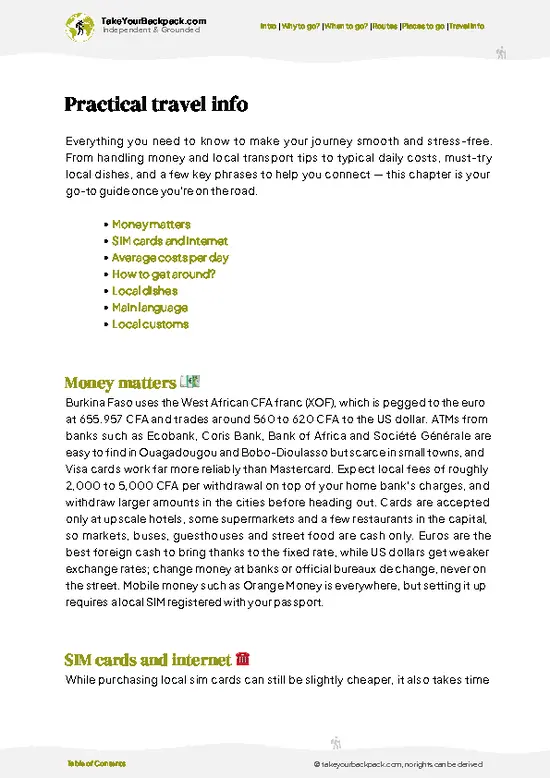
SIM cards, money & practical tips

🌍 Understand the country, not just visit it
Culture & traditions
52 Essential phrases & customs
Festivals worth planning around
Traveler-friendly historical context
Insights that make places more meaningful

📱 Built for real travel conditions
Fully downloadable PDF
Works completely offline
Optimized for phone use
Useful in remote areas & buses
Everything in one place
Save weeks of stressful planning
Get instant access to your full guide. 30‑day money-back guarantee.
+ Add another guide for just US$7.80

By proceeding you agree to our terms.
Sent to your inbox immediately after payment • 100% Secure Checkout
Best Backpacking Travel Advisor 2025 tourism awardBest Backpacking
Travel Advisor
2025
What others say about Take Your Backpack Guides:
⭐⭐⭐⭐⭐
Fantastic, amazing amount of information!
⭐⭐⭐⭐⭐
My goodness this is amazing, it's what I've been looking for hats off too you!
⭐⭐⭐⭐⭐
I think this is absolutely BRILLIANT
⭐⭐⭐⭐
Very complete and informative. It's still missing places, but I gotta to commend you
⭐⭐⭐⭐⭐
This is truly amazing, thank you, can't wait to explore it with my kids!
⭐⭐⭐⭐⭐
Awesome resource, thank you!
⭐⭐⭐⭐⭐
This is amazing! Can't wait to explore the ones I haven't seen
⭐⭐⭐⭐
I love this! Well done, great idea.
⭐⭐⭐⭐⭐
Thanks for taking the time to make this gem!
⭐⭐⭐⭐⭐
This might be the best website I've ever seen.
⭐⭐⭐⭐⭐
Congratulations, and thank you so much for your work; it's incredibly valuable.
⭐⭐⭐⭐
In all seriousness I think you did a great job pointing out the important spots
⭐⭐⭐⭐⭐
10/10 very good
⭐⭐⭐⭐⭐
As someone who's only just starting to visit regularly this is awesome, thank you.
⭐⭐⭐⭐
Thank you very much! I'm going to visit my dad, it's going to be very useful!
⭐⭐⭐⭐⭐
This is really cool! We'll be travelling for the first time and this definitely come in handy.
⭐⭐⭐⭐⭐
You are now our minister of culture, congratulations 👨‍💼
⭐⭐⭐⭐⭐
Just wanted to tell you that this is a pearl! Going to follow your recommendations.
⭐⭐⭐⭐⭐
This is so cool. I'll definitely be using the resource for my travels soon.
⭐⭐⭐⭐⭐
This is very impressive! Good work.
⭐⭐⭐⭐⭐
This is an amazing and informative site. Very well done!

🛏️ Where to stay?Where staying makes the most sense

In Kankalabé, the best spot for backpackers is the central quarter around the main market and the town square. This area hums with life from dawn to dusk—vendors calling out, the scent of grilled meat mingling with fresh spices, and locals gathering under the shade of baobab trees. It’s where you’ll find the few budget hostels clustered, offering a chance to meet other travelers without the sterile feel of a big city. Compared to the quieter, more residential outskirts, this neighborhood pulses with social energy and feels safer thanks to the steady flow of people. Staying here means you’re plugged … read more 👉
In Kankalabé, the best spot for backpackers is the central quarter around the main market and the town square. This area hums with life from dawn to dusk—vendors calling out, the scent of grilled meat mingling with fresh spices, and locals gathering under the shade of baobab trees. It’s where you’ll find the few budget hostels clustered, offering a chance to meet other travelers without the sterile feel of a big city. Compared to the quieter, more residential outskirts, this neighborhood pulses with social energy and feels safer thanks to the steady flow of people. Staying here means you’re plugged into the town’s rhythm, making every step outside your door an invitation to connect.

🚌 Getting aroundGetting around like a local

Kankalabé moves at its own rhythm—less clockwork, more pulse. The sun hits the dusty streets with a sharp, dry heat by mid-morning, and locals drift between errands and social stops with a relaxed, almost improvisational flow. You won’t find strict timetables here; instead, transit feels like a dance of intuition and patience. The scent of earth and cooking fires hangs in the air, and the occasional honk or shout punctuates the hum of daily life. To navigate this town like a pro, you’ll want to embrace its organic tempo while knowing your best options for getting around without wasting time or cash.


  • Walking: The heart of Kankalabé is compact enough to explore on foot. Expect uneven, dusty paths and occasional stray dogs, but walking lets you soak in the street sounds, smells, and spontaneous
read more 👉
Kankalabé moves at its own rhythm—less clockwork, more pulse. The sun hits the dusty streets with a sharp, dry heat by mid-morning, and locals drift between errands and social stops with a relaxed, almost improvisational flow. You won’t find strict timetables here; instead, transit feels like a dance of intuition and patience. The scent of earth and cooking fires hangs in the air, and the occasional honk or shout punctuates the hum of daily life. To navigate this town like a pro, you’ll want to embrace its organic tempo while knowing your best options for getting around without wasting time or cash.


  • Walking: The heart of Kankalabé is compact enough to explore on foot. Expect uneven, dusty paths and occasional stray dogs, but walking lets you soak in the street sounds, smells, and spontaneous market scenes. It’s free and often faster than waiting for a ride.

  • Shared Minibuses: These are the backbone of local transit, running roughly from 6 a.m. to 7 p.m. Fares hover around a dollar, but don’t expect comfort—packed and bumpy is the norm. They follow main routes but leave when full, so timing is flexible but unpredictable.

  • Motorcycle Taxis (Zémidjans): Quick and nimble, these dart through traffic and cost about $1.50 for short hops. They start early and run late, but always negotiate the price upfront. The wind, dust, and noise are part of the ride’s gritty charm.

  • Bicycle Rentals: If you want more control and speed without breaking the bank, renting a bike is a solid choice. Prices are around $5 per day. The terrain is mostly flat but watch for potholes and loose gravel.

👛 Costs (as of 3 September 2026)What things cost and how to budget

Backpacking in Kankalabé, Burkina Faso, is a raw, grounded experience where every dollar stretches and every local interaction counts. Here’s what you’re looking at for daily costs, broken down so you can plan smart and move smooth.
  • Dorm Accommodation: Expect basic, no-frills dorm beds in local guesthouses or small hostels to run about €5 to €10 per night. These places often have simple mosquito nets and shared bathrooms, but the vibe is authentic and the locals welcoming.
  • Meals: Street food and small local eateries dominate here. A filling meal of grilled meat, rice, or millet with vegetables will cost around €1.50 to €3. Fresh fruit and snacks add a few cents more. Cooking your own food is rare but possible if you find a place with a kitchen.
  • Local Transport: Transport is mostly by bush
read more 👉
Backpacking in Kankalabé, Burkina Faso, is a raw, grounded experience where every dollar stretches and every local interaction counts. Here’s what you’re looking at for daily costs, broken down so you can plan smart and move smooth.
  • Dorm Accommodation: Expect basic, no-frills dorm beds in local guesthouses or small hostels to run about €5 to €10 per night. These places often have simple mosquito nets and shared bathrooms, but the vibe is authentic and the locals welcoming.
  • Meals: Street food and small local eateries dominate here. A filling meal of grilled meat, rice, or millet with vegetables will cost around €1.50 to €3. Fresh fruit and snacks add a few cents more. Cooking your own food is rare but possible if you find a place with a kitchen.
  • Local Transport: Transport is mostly by bush taxis or shared minivans. Short rides within town or to nearby villages typically cost between €0.50 and €1.50. Walking is often the best way to soak in the atmosphere and save cash.
  • Basic Activities/Entry Fees: Kankalabé’s attractions are mostly natural or cultural, with minimal or no entry fees. If you visit local markets or cultural sites, budget around €1 to €3 for small donations or guide fees.
  • Miscellaneous Expenses: This covers bottled water (around €0.30), phone credit, and occasional treats like coffee or snacks. Plan for about €1 to €2 daily here to stay comfortable and connected.

All told, you’re looking at roughly €9 to €20 per day to cover the essentials in Kankalabé. It’s a modest sum, but one that buys you a genuine slice of life in a place where the pace is slow, the air carries the scent of earth and smoke, and every moment feels earned.
⚠️ Prices can change and everyone travels differently, so take this as a rough guide. Hope it helps you plan your adventure!

🚌 Day tripsExploring the surroundings

Kankalabé is a fantastic base for exploring the rich tapestry of Burkina Faso. Each day trip offers a unique glimpse into the culture and landscapes that define this vibrant country.

Day Trip to Banfora
Just a couple of hours from Kankalabé, Banfora is a must-see for its stunning waterfalls and lush greenery. The drive is filled with the scent of earth after rain, and the sound of local music wafts through the air. Spend your day hiking to the Cascades de Karfiguéla, where you can cool off in the pools below. Budget around 5,000 CFA for transport and entry fees. The best time to visit is during the rainy season, when the waterfalls are at their most powerful. A common mistake? Not bringing a swimsuit—you’ll want to dive in!
👉 Explore Banfora

Day Trip to Laongo Sculpture Park
A short … read more 👉
Kankalabé is a fantastic base for exploring the rich tapestry of Burkina Faso. Each day trip offers a unique glimpse into the culture and landscapes that define this vibrant country.

Day Trip to Banfora
Just a couple of hours from Kankalabé, Banfora is a must-see for its stunning waterfalls and lush greenery. The drive is filled with the scent of earth after rain, and the sound of local music wafts through the air. Spend your day hiking to the Cascades de Karfiguéla, where you can cool off in the pools below. Budget around 5,000 CFA for transport and entry fees. The best time to visit is during the rainy season, when the waterfalls are at their most powerful. A common mistake? Not bringing a swimsuit—you’ll want to dive in!
👉 Explore Banfora

Day Trip to Laongo Sculpture Park
A short ride from Kankalabé, Laongo is an open-air gallery showcasing impressive stone sculptures. The atmosphere is serene, with the sun filtering through the trees, casting playful shadows on the art. It’s a great spot for a picnic, so pack some local snacks. Expect to spend about 3,000 CFA for transport and entry. Early morning is ideal to avoid the heat and crowds. Many first-timers overlook the chance to interact with local artists—don’t miss it!


Day Trip to Bobo-Dioulasso
This vibrant city is just a bus ride away and offers a taste of urban life in Burkina Faso. Explore the bustling markets, where the aroma of spices fills the air, and the sounds of bargaining create an electric atmosphere. Allocate around 10,000 CFA for transport and food. Visit during the cooler months, from November to February, for a more pleasant experience. A common pitfall? Skipping the local street food—try the brochettes for an authentic taste!
👉 Explore Bobo-Dioulasso
Want to know what more Burkina Faso offers?
The Burkina Faso Travel Guide describes 65 highlights, from cities to national parks, from beaches to hikes

Get the Travel Guide -

🛡️ SafetyScams, Hazards, and Annoyances

Kankalabé is generally safe, but staying aware enhances your experience. Stick to well-lit areas after dark; the streets can feel deserted, and a little caution goes a long way. Solo travelers should blend in—dress modestly and engage with locals to build rapport.

Watch for common scams, like overly friendly strangers offering unsolicited help; a polite but firm “no, thank you” usually suffices. Street vendors can be persistent, but a friendly smile and a clear “not today” can keep the atmosphere light. Enjoy the vibrant life around you, but stay grounded in your surroundings.

FAQTraveler FAQ

Kankalabé is accessible by road from Ouagadougou, the capital of Burkina Faso, approximately 150 kilometers away. The journey typically takes around 3 to 4 hours by bush taxi or private car on mostly unpaved roads. Public transport options are limited, so arranging a private vehicle is recommended for convenience.
Yes, Kankalabé is worth the trip for travelers interested in authentic rural Burkinabé culture and traditional village life. The village offers a unique glimpse into local customs and crafts, especially during market days or cultural festivals held mainly between November and February. However, amenities are basic, so prepare accordingly.
No, Kankalabé is not ideal for a day trip due to travel time and limited transport options. Spending at least one night in or near the village allows for a more relaxed experience and the chance to engage with the community. Plan for a minimum two-day trip to make the most of the visit.
⚠️ Things can change over time, so always validate details locally before you go.

More places to explore across Burkina Faso

Kankalabé isn’t the only highlight in Burkina Faso. Explore all what Burkina Faso has to offer.
Country photo of Burkina Faso

We 💚 feedbackIs it worth it?

Kankalabé pulses with life, especially at dusk when the air fills with the scent of grilled fish and laughter. Don’t miss the local market; it’s chaotic but vibrant. Just be ready to haggle—it’s part of the charm, but can catch you off guard!

✍️ Help improve this page!
The information on this page is based on in-depth research, insights shared by experienced travelers, and feedback from the local travel community in Burkina Faso. While every effort is made to keep the information accurate and current, conditions can change — so if you spot anything incorrect or outdated, please get in touch.


🙋‍♂️ Give feedback

👋 Meet the founderWho’s Behind Take Your Backpack?

Johan, backpacker and founder of TakeYourBackpackHi, I’m Johan (Netherlands 🇳🇱), the creator of TakeYourBackpack. Over the past decade, I’ve backpacked through 80+ countries across six continents, gaining extensive experience with independent travel, long-term trips, and overland routes.

This site is built on a combination of firsthand travel experience and carefully curated insights from other backpackers. Many guides are based on places I’ve personally visited, while others bring together tips, observations, and practical advice shared by trusted travelers I’ve met along the way.

The goal is to provide realistic, experience-driven guidance — not generic itineraries — so you can explore destinations with better context, clearer expectations, and more confidence.

Get full country guide •
Instant download • 65 highlights • Full Offline guide