

1. The Living Workshop: Traditional Blacksmithing in Action
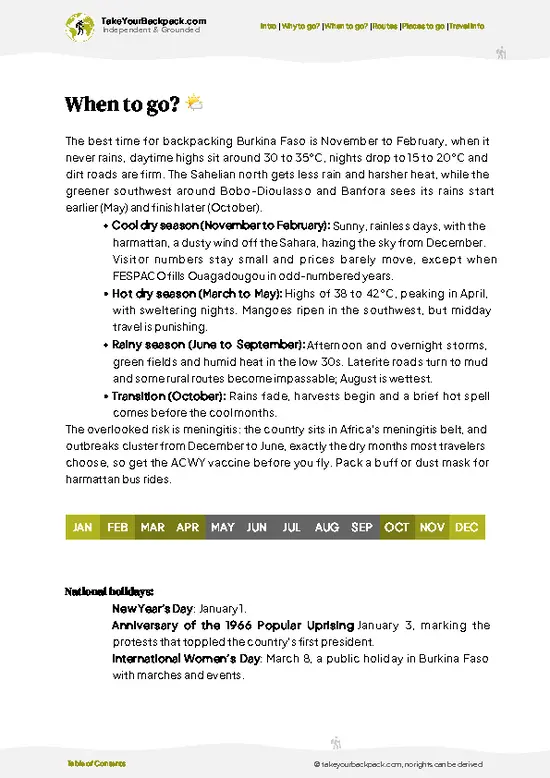
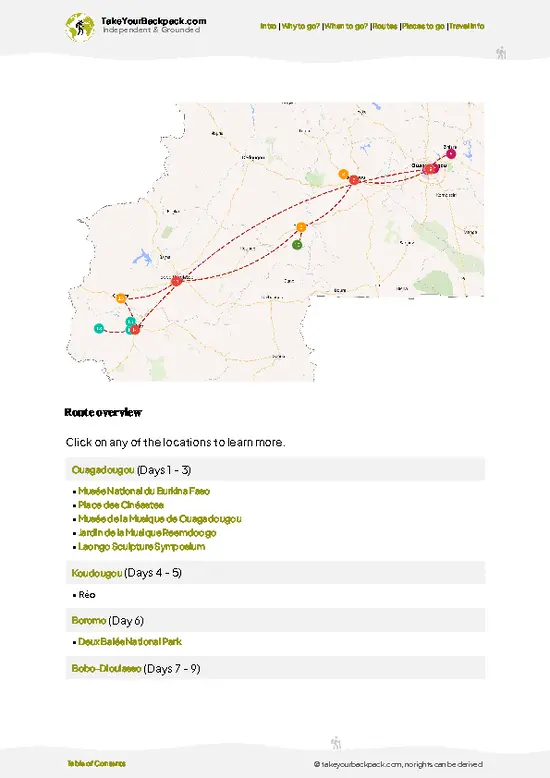
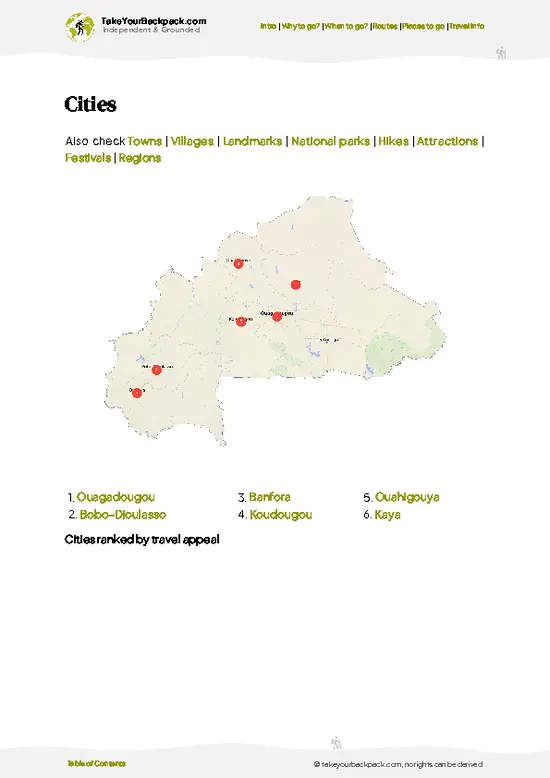
Forget the glass cases and velvet ropes. The Musée Sogossira Sanon isn’t a mausoleum for dead crafts—it’s a living, breathing forge. The real draw is watching blacksmiths at work, hammering red-hot iron into tools, jewelry, and ritual objects right in front of you. The clang of metal, the hiss of water, the smell of charcoal—this is the soundtrack of Bobo-Dioulasso’s soul. You’re not just looking at artifacts; you’re witnessing a centuries-old tradition that still powers daily life. No staged performances, no touristy gloss—just raw skill and sweat, as real as it gets.
2. The Griot’s Corner: Oral History, Unfiltered
If you’re lucky enough to catch a griot in full flow, cancel your next plan. These storytellers are the keepers of … read more 👉
Forget the glass cases and velvet ropes. The Musée Sogossira Sanon isn’t a mausoleum for dead crafts—it’s a living, breathing forge. The real draw is watching blacksmiths at work, hammering red-hot iron into tools, jewelry, and ritual objects right in front of you. The clang of metal, the hiss of water, the smell of charcoal—this is the soundtrack of Bobo-Dioulasso’s soul. You’re not just looking at artifacts; you’re witnessing a centuries-old tradition that still powers daily life. No staged performances, no touristy gloss—just raw skill and sweat, as real as it gets.
2. The Griot’s Corner: Oral History, Unfiltered
If you’re lucky enough to catch a griot in full flow, cancel your next plan. These storytellers are the keepers of … read more 👉
1. The Living Workshop: Traditional Blacksmithing in Action
Forget the glass cases and velvet ropes. The Musée Sogossira Sanon isn’t a mausoleum for dead crafts—it’s a living, breathing forge. The real draw is watching blacksmiths at work, hammering red-hot iron into tools, jewelry, and ritual objects right in front of you. The clang of metal, the hiss of water, the smell of charcoal—this is the soundtrack of Bobo-Dioulasso’s soul. You’re not just looking at artifacts; you’re witnessing a centuries-old tradition that still powers daily life. No staged performances, no touristy gloss—just raw skill and sweat, as real as it gets.
2. The Griot’s Corner: Oral History, Unfiltered
If you’re lucky enough to catch a griot in full flow, cancel your next plan. These storytellers are the keepers of Bobo memory, spinning tales of ancestors, spirits, and the city’s tangled past. It’s not a rehearsed show for outsiders; it’s a living archive, delivered with sly humor and the kind of detail you’ll never find in a guidebook. The griot’s voice, rising and falling, is the museum’s heartbeat. This is history as performance art—messy, human, and impossible to fake.
3. Ritual Objects with Real Power
Most museums display masks and fetishes behind glass, stripped of context. Here, you’ll see ritual objects that still matter—used in ceremonies, respected by the community, and sometimes off-limits to outsiders. The staff won’t sugarcoat it: some things are sacred, and you’ll be told, bluntly, if you can’t touch or photograph. That’s not gatekeeping; it’s respect. The energy in these rooms is palpable, and the stories behind each object are delivered with the kind of candor that makes you rethink the line between art and life.
4. The Courtyard: Community in Motion
The museum’s open-air courtyard isn’t just a pretty backdrop. It’s a crossroads where elders debate, kids play, and visiting artists set up impromptu workshops. If you want to see how tradition adapts to the present, hang out here. You might stumble into a drum circle, a heated political discussion, or a crafts market that feels more like a family reunion than a sales pitch. The courtyard is where the museum’s mission—preserving culture by living it—actually happens.
5. The Architecture: Mud, Wood, and Meaning
Don’t sleep on the building itself. The Musée Sogossira Sanon is a masterclass in Sudano-Sahelian architecture—thick mud walls, timber beams, and a layout that channels cool air even in the midday furnace. Every detail, from the carved doors to the shaded verandas, tells a story about adaptation and survival in West Africa’s climate. This isn’t a Disney-fied version of “Africa”; it’s functional beauty, built by and for the people who live here. If you want to understand Bobo-Dioulasso, start with the walls around you.
Forget the glass cases and velvet ropes. The Musée Sogossira Sanon isn’t a mausoleum for dead crafts—it’s a living, breathing forge. The real draw is watching blacksmiths at work, hammering red-hot iron into tools, jewelry, and ritual objects right in front of you. The clang of metal, the hiss of water, the smell of charcoal—this is the soundtrack of Bobo-Dioulasso’s soul. You’re not just looking at artifacts; you’re witnessing a centuries-old tradition that still powers daily life. No staged performances, no touristy gloss—just raw skill and sweat, as real as it gets.
2. The Griot’s Corner: Oral History, Unfiltered
If you’re lucky enough to catch a griot in full flow, cancel your next plan. These storytellers are the keepers of Bobo memory, spinning tales of ancestors, spirits, and the city’s tangled past. It’s not a rehearsed show for outsiders; it’s a living archive, delivered with sly humor and the kind of detail you’ll never find in a guidebook. The griot’s voice, rising and falling, is the museum’s heartbeat. This is history as performance art—messy, human, and impossible to fake.
3. Ritual Objects with Real Power
Most museums display masks and fetishes behind glass, stripped of context. Here, you’ll see ritual objects that still matter—used in ceremonies, respected by the community, and sometimes off-limits to outsiders. The staff won’t sugarcoat it: some things are sacred, and you’ll be told, bluntly, if you can’t touch or photograph. That’s not gatekeeping; it’s respect. The energy in these rooms is palpable, and the stories behind each object are delivered with the kind of candor that makes you rethink the line between art and life.
4. The Courtyard: Community in Motion
The museum’s open-air courtyard isn’t just a pretty backdrop. It’s a crossroads where elders debate, kids play, and visiting artists set up impromptu workshops. If you want to see how tradition adapts to the present, hang out here. You might stumble into a drum circle, a heated political discussion, or a crafts market that feels more like a family reunion than a sales pitch. The courtyard is where the museum’s mission—preserving culture by living it—actually happens.
5. The Architecture: Mud, Wood, and Meaning
Don’t sleep on the building itself. The Musée Sogossira Sanon is a masterclass in Sudano-Sahelian architecture—thick mud walls, timber beams, and a layout that channels cool air even in the midday furnace. Every detail, from the carved doors to the shaded verandas, tells a story about adaptation and survival in West Africa’s climate. This isn’t a Disney-fied version of “Africa”; it’s functional beauty, built by and for the people who live here. If you want to understand Bobo-Dioulasso, start with the walls around you.
Spotted a mistake or missing something? Contact us.
v2.webp)

Best Backpacking
Hi, I’m Johan (Netherlands 🇳🇱), the creator of TakeYourBackpack. Over the past decade, I’ve backpacked through 80+ countries across six continents, gaining extensive experience with independent travel, long-term trips, and overland routes.