×

Burundi🇧🇮 | landmarksGishoraroyal drum sanctuary, sacred hilltop, ceremonial drums | things to do and best time to go

Explore GisoziExplore Mikeno

Backpacking in Gishora
🏆 Top pickunique site ranked #1
By Johan Kruseman 🇳🇱 | Updated June 10, 2026

Here’s what nobody tells you: Gishora’s legendary drum sanctuary isn’t some remote, untouched relic—it’s a living, breathing community hub, and yes, you’ll hear the drums, but you’ll also hear the laughter of local kids and the chatter of elders. Set just outside Gitega, smack in the heart of Burundi, Gishora is not the Instagram fantasy of misty isolation. You won’t be alone—expect a handful of other travelers, plus plenty of locals who treat the site as a proud, working piece of their heritage, not a museum. The entry fee is real money by Burundian standards, but it’s not a tourist gouge; it goes straight to the drummers and the site’s upkeep. The wow-factor isn’t in the architecture or the photo ops (though the royal drums lined up in the grass are undeniably photogenic), but in the raw, chest-thumping energy when the drummers perform. Gishora is for travelers who want to feel the pulse of Burundi, not just collect another postcard.

Discover everything you want to know in the 📖 Burundi Travel Guide.
Safety warning

The current risk level for Burundi is high. Check the advice before going.


Get your Burundi guide
60 ranked highlights, routes & tips, works offline (250 pages)
Loading the map 🌍
CLICK TO FILTER
cities
towns
landmarks
national parks
hikes
beaches
attractions
festivals
SHOW COUNTRY’S BESTSHOW ALL

✨ Why go?
Ranked #1 unique site in Burundi
Reasons people choose to visit here

Gishora is not just another stop; it’s a cultural heartbeat of Burundi. Yes, the crowds can be overwhelming, especially during peak tourist season, but that’s part of the experience. You’ll find yourself surrounded by locals who are genuinely excited to share their traditions. The cost? Minimal. Entry fees are low, and you can support local artisans by purchasing handmade crafts.

What sets Gishora apart is its authenticity. The site is home to the Royal Drummers, whose performances resonate with the spirit of the nation. This isn’t a staged show; it’s a celebration of heritage that you can feel in your bones.

Gishora fits seamlessly into a broader route through Burundi. Pair it with a trek to Kibira National Park or a visit to Lake Tanganyika. This way, you’re not just ticking off a box; … read more 👉
Gishora is not just another stop; it’s a cultural heartbeat of Burundi. Yes, the crowds can be overwhelming, especially during peak tourist season, but that’s part of the experience. You’ll find yourself surrounded by locals who are genuinely excited to share their traditions. The cost? Minimal. Entry fees are low, and you can support local artisans by purchasing handmade crafts.

What sets Gishora apart is its authenticity. The site is home to the Royal Drummers, whose performances resonate with the spirit of the nation. This isn’t a staged show; it’s a celebration of heritage that you can feel in your bones.

Gishora fits seamlessly into a broader route through Burundi. Pair it with a trek to Kibira National Park or a visit to Lake Tanganyika. This way, you’re not just ticking off a box; you’re weaving a rich tapestry of experiences.

The real magic lies in the connections you make. Engage with the locals, learn their stories, and you’ll leave with more than just photos—you’ll carry a piece of Burundi in your heart.
Want to include Gishora in your Burundi route?
Create a personalized Burundi itinerary that includes Gishora and the places that fit your trip — based on your travel style, budget, and available time. Get your route in seconds.

Generate my trip

💡 HighlightsPlaces and moments you shouldn't skip

  • Royal Drum Sanctuary (Karyenda) — The heart of Gishora: the sacred royal drums and the platform where they’re kept and played. These drums aren’t just instruments, they’re national symbols with rituals attached; seeing a live drumming is powerful and loud in the best way.
  • Intore dancers and drumming performances — Tight, energetic ceremonial dances performed by trained intore warriors, usually alongside the drummers. It’s a rare chance to see choreography, dress, and rhythm that have been passed down through generations.
  • Royal Court compound and traditional architecture — A compact cluster of royal buildings and courtyards that show how Burundian court life used to be organized. The layout and rooflines are simple but full of meaning; feel free to study the details of doors, beams, and
read more 👉
  • Royal Drum Sanctuary (Karyenda) — The heart of Gishora: the sacred royal drums and the platform where they’re kept and played. These drums aren’t just instruments, they’re national symbols with rituals attached; seeing a live drumming is powerful and loud in the best way.
  • Intore dancers and drumming performances — Tight, energetic ceremonial dances performed by trained intore warriors, usually alongside the drummers. It’s a rare chance to see choreography, dress, and rhythm that have been passed down through generations.
  • Royal Court compound and traditional architecture — A compact cluster of royal buildings and courtyards that show how Burundian court life used to be organized. The layout and rooflines are simple but full of meaning; feel free to study the details of doors, beams, and verandas.
  • Sacred courtyards and ritual sites — Small shrines, altars, and ceremony spots scattered around the site where offerings and rites took place. These corners give the place a solemn, lived-in spirituality you won’t get from a regular museum.
  • On-site collection of royal regalia and artifacts — A modest but revealing display of objects linked to the monarchy: drum sticks, ceremonial items, and household objects. It’s a hands-off glimpse into the material culture that supported royal power.
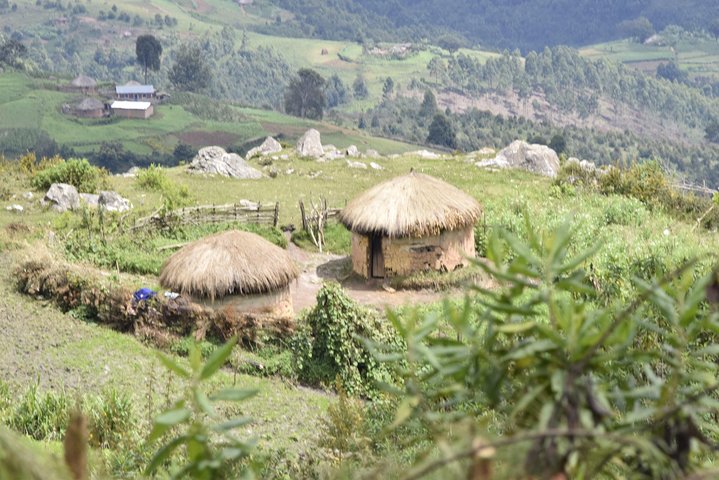
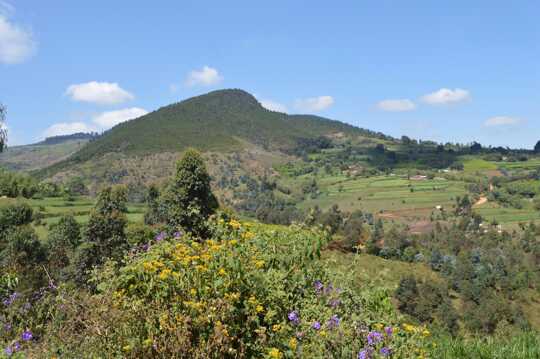
  • Stone terraces and surrounding landscape views — Gishora sits on terraces and offers views over the rolling countryside around Gitega. The terraces are photogenic and good for a slow wander — especially at golden hour.
  • Living cultural context and oral histories — Locals, guides, and elders still tell the stories of the kings, the drums, and the rituals. Listening to those narratives is the fastest way to understand why Gishora matters beyond the buildings and objects.
Spotted a mistake or missing something? Contact us.

Things to do near Gishora

Ratings based on Tripadvisor reviews. When you book through this link, you support our work at no extra cost to you.

🌤️ When to go?Best time to visit Gishora


  • Weather: Gishora’s best window is during the dry seasons, roughly June to September and December to February. Expect less mud and more reliable trails. The rainy seasons, especially March to May, turn paths into slippery messes and can wash out some access points.

  • Temperature: Daytime temps hover around 20-25°C (68-77°F) during the dry months—perfect for hiking without overheating. Nights can dip to 10-15°C (50-59°F), so pack a warm layer. The rainy season brings cooler, damp conditions that can chill you to the bone if unprepared.

  • Daylight Hours: Near the equator, daylight stays steady year-round—about 12 hours daily. This means no drastic shifts in hiking time, but starting early is key to avoid afternoon heat or sudden showers.

  • Crowds: Gishora isn’t a tourist magnet, but dry season
read more 👉

  • Weather: Gishora’s best window is during the dry seasons, roughly June to September and December to February. Expect less mud and more reliable trails. The rainy seasons, especially March to May, turn paths into slippery messes and can wash out some access points.

  • Temperature: Daytime temps hover around 20-25°C (68-77°F) during the dry months—perfect for hiking without overheating. Nights can dip to 10-15°C (50-59°F), so pack a warm layer. The rainy season brings cooler, damp conditions that can chill you to the bone if unprepared.

  • Daylight Hours: Near the equator, daylight stays steady year-round—about 12 hours daily. This means no drastic shifts in hiking time, but starting early is key to avoid afternoon heat or sudden showers.

  • Crowds: Gishora isn’t a tourist magnet, but dry season sees a modest uptick in visitors. You won’t find crowds like in major hotspots, but expect more local groups and guided tours then.

  • Seasonal Activities: Dry months align with traditional ceremonies and cultural events around Gishora, adding depth to your visit. Rainy season limits outdoor activities but offers lush, green landscapes if you don’t mind the mud.

  • Price Fluctuations: Accommodation and guide fees rise slightly in dry season due to demand. Off-season bargains exist but come with trade-offs in accessibility and comfort.


Pro-tip: Aim for early dry season—June or December—to catch good weather, fewer visitors, and authentic cultural moments without the premium price spike.


source: climatestotravel.comJANJanuary: excellent for travelingFEBFebruary: excellent for travelingMARMarch: fair for travelingAPRApril: fair for travelingMAYMay: fair for travelingJUNJune: excellent for travelingJULJuly: highly recommended for travelingAUGAugust: highly recommended for travelingSEPSeptember: highly recommended for travelingOCTOctober: good for travelingNOVNovember: good for travelingDECDecember: excellent for traveling
when-to-go

✈️ The backpacker research shortcutBurundi Travel Guide

An offline-friendly backpacking guide with optimized travel routes, ranked highlights, transport advice, and the best areas to stay.
example page 0 from our offline Travel Guide for Burundi
example page 1 from our offline Travel Guide for Burundi
example page 2 from our offline Travel Guide for Burundi
example page 3 from our offline Travel Guide for Burundi
example page 4 from our offline Travel Guide for Burundi
example page 5 from our offline Travel Guide for Burundi
example page 6 from our offline Travel Guide for Burundi
example page 7 from our offline Travel Guide for Burundi
The digital guide (250 pages) contains:
60 highlights, ranked by travel appeal
Optimized 2, 3 & 5-day travel routes
Cities, national parks, landmarks, beaches
How to get around
Offline-friendly for travel without Wi-Fi
👉 Click to see all 30+ guide features

📅 Plan smarter in minutes, not weeks
Month by month travel advice
Festivals & national holidays
Budget expectations

🗺️ Go to the right places, skip the overrated ones
Honest pros & cons of destinations
Top hikes, parks & viewpoints
Lesser-known places most travelers miss
Clear “worth it vs skip it” guidance

🛏️ Travel smoothly without rookie mistakes
Best areas to stay
Transport systems explained simply
Common scams & safety advice
SIM cards, money & practical tips

🌍 Understand the country, not just visit it
Culture & traditions
52 Essential phrases & customs
Festivals worth planning around
Traveler-friendly historical context
Insights that make places more meaningful

📱 Built for real travel conditions
Fully downloadable PDF
Works completely offline
Optimized for phone use
Useful in remote areas & buses
Everything in one place
Save weeks of stressful planning
Get instant access to your full guide. 30‑day money-back guarantee.


By proceeding you agree to our terms.
Sent to your inbox immediately after payment • 100% Secure Checkout
Best Backpacking Travel Advisor 2025 tourism awardBest Backpacking
Travel Advisor
2025
What others say about Take Your Backpack Guides:
⭐⭐⭐⭐⭐
Fantastic, amazing amount of information!
⭐⭐⭐⭐⭐
My goodness this is amazing, it's what I've been looking for hats off too you!
⭐⭐⭐⭐⭐
I think this is absolutely BRILLIANT
⭐⭐⭐⭐
Very complete and informative. It's still missing places, but I gotta to commend you
⭐⭐⭐⭐⭐
This is truly amazing, thank you, can't wait to explore it with my kids!
⭐⭐⭐⭐⭐
Awesome resource, thank you!
⭐⭐⭐⭐⭐
This is amazing! Can't wait to explore the ones I haven't seen
⭐⭐⭐⭐
I love this! Well done, great idea.
⭐⭐⭐⭐⭐
Thanks for taking the time to make this gem!
⭐⭐⭐⭐⭐
This might be the best website I've ever seen.
⭐⭐⭐⭐⭐
Congratulations, and thank you so much for your work; it's incredibly valuable.
⭐⭐⭐⭐
In all seriousness I think you did a great job pointing out the important spots
⭐⭐⭐⭐⭐
10/10 very good
⭐⭐⭐⭐⭐
As someone who's only just starting to visit regularly this is awesome, thank you.
⭐⭐⭐⭐
Thank you very much! I'm going to visit my dad, it's going to be very useful!
⭐⭐⭐⭐⭐
This is really cool! We'll be travelling for the first time and this definitely come in handy.
⭐⭐⭐⭐⭐
You are now our minister of culture, congratulations 👨‍💼
⭐⭐⭐⭐⭐
Just wanted to tell you that this is a pearl! Going to follow your recommendations.
⭐⭐⭐⭐⭐
This is so cool. I'll definitely be using the resource for my travels soon.
⭐⭐⭐⭐⭐
This is very impressive! Good work.
⭐⭐⭐⭐⭐
This is an amazing and informative site. Very well done!

🛏️ Where to stay?How to pick the right area

Gishora, with its vibrant drum culture and stunning landscapes, is a backpacker’s dream. But let’s cut through the Instagram gloss. The crowds can be overwhelming, especially during festivals. Prices can spike, too. So, where should you stay to soak in the real magic without breaking the bank?

Head to the nearby town of Gitega. It’s a hub for backpackers, offering a mix of budget-friendly accommodations. The vibe here is relaxed, and you’ll find plenty of fellow travelers to share stories with. The local markets are a feast for the senses, and you can snag some authentic Burundian snacks without … read more 👉
Gishora, with its vibrant drum culture and stunning landscapes, is a backpacker’s dream. But let’s cut through the Instagram gloss. The crowds can be overwhelming, especially during festivals. Prices can spike, too. So, where should you stay to soak in the real magic without breaking the bank?

Head to the nearby town of Gitega. It’s a hub for backpackers, offering a mix of budget-friendly accommodations. The vibe here is relaxed, and you’ll find plenty of fellow travelers to share stories with. The local markets are a feast for the senses, and you can snag some authentic Burundian snacks without emptying your wallet.

Another option is to camp near Gishora itself. It’s a bit more rugged but offers a unique experience. You’ll wake up to the sounds of nature and the distant beat of drums. Just make sure to connect with locals for safety tips and to find the best spots.

Finally, consider staying in a homestay. This isn’t just about a bed; it’s about immersing yourself in Burundian culture. You’ll get a taste of daily life and maybe even learn a few drum rhythms yourself. Embrace the chaos, and you’ll find the real heart of Burundi waiting for you.

👛 Costs (as of 6 February 2026)Travel costs and budget guide for Gishora

Visiting Gishora in Burundi is a unique experience, but it comes with its own set of costs that you should be aware of.
  • Entrance Fee: Expect to pay around €5 to €10. This fee grants you access to the site and its cultural performances. It’s a small price for a peek into the heart of Burundian culture.
  • Transportation: Getting to Gishora can vary. A local taxi might cost you between €10 and €20, depending on your starting point. If you’re feeling adventurous, public transport is cheaper, around €1 to €3, but it’s less comfortable and can be time-consuming.
  • Guided Tours: If you want a deeper understanding of the site, consider a guided tour. Prices range from €15 to €30. This usually includes a local guide who can share stories and insights that you won’t find in any brochure.
  • Food and Drink: Local
read more 👉
Visiting Gishora in Burundi is a unique experience, but it comes with its own set of costs that you should be aware of.
  • Entrance Fee: Expect to pay around €5 to €10. This fee grants you access to the site and its cultural performances. It’s a small price for a peek into the heart of Burundian culture.
  • Transportation: Getting to Gishora can vary. A local taxi might cost you between €10 and €20, depending on your starting point. If you’re feeling adventurous, public transport is cheaper, around €1 to €3, but it’s less comfortable and can be time-consuming.
  • Guided Tours: If you want a deeper understanding of the site, consider a guided tour. Prices range from €15 to €30. This usually includes a local guide who can share stories and insights that you won’t find in any brochure.
  • Food and Drink: Local eateries offer meals for about €3 to €7. Try the local dishes; they’re not just affordable but also a delicious way to immerse yourself in the culture. If you’re looking for something more upscale, expect to pay around €15 to €25.
  • Souvenirs: If you’re planning to take home a piece of Burundi, budget around €5 to €20 for crafts or local art. These items are often handmade and support local artisans.

Be prepared for a blend of costs that reflect the authenticity of Gishora. It’s not just about the price tag; it’s about the experience you gain.
⚠️ Prices can change and everyone travels differently, so take this as a rough guide. Hope it helps you plan your adventure!

Expanding your trip beyond this stop

Gishora isn’t the only highlight in Burundi. Explore all what Burundi has to offer.
Country photo of Burundi

We 💚 feedbackParting advice and final tips

Gishora isn’t the Instagram darling you might expect. It’s raw, real, and often overlooked. Expect crowds at the drum ceremonies, but don’t let that deter you; the energy is electric. The best surprise? The locals’ warmth. They’ll invite you into their world, sharing stories that no guidebook captures. Just a heads-up: the roads can be rough, so don’t rush. Embrace the pace. Gishora is about connection, not just sights. Dive in, and you might just find a piece of yourself there.

✍️ Help improve this page!
The information on this page is based on in-depth research, insights shared by experienced travelers, and feedback from the local travel community in Burundi. While every effort is made to keep the information accurate and current, conditions can change — so if you spot anything incorrect or outdated, please get in touch.


🙋‍♂️ Give feedback

👋 Meet the founderWho’s Behind Take Your Backpack?

Johan, backpacker and founder of TakeYourBackpackHi, I’m Johan (Netherlands 🇳🇱), the creator of TakeYourBackpack. Over the past decade, I’ve backpacked through 80+ countries across six continents, gaining extensive experience with independent travel, long-term trips, and overland routes.

This site is built on a combination of firsthand travel experience and carefully curated insights from other backpackers. Many guides are based on places I’ve personally visited, while others bring together tips, observations, and practical advice shared by trusted travelers I’ve met along the way.

The goal is to provide realistic, experience-driven guidance — not generic itineraries — so you can explore destinations with better context, clearer expectations, and more confidence.

Get full Burundi guide •
Instant download • 60 highlights • Full Offline guide