×

Burundi🇧🇮 | townsGisoziCountry's midpoint marker, terraced lanes, roadside corn | things to do and best time to go

Explore VyandaExplore Gishora

Backpacking in Gisozi
👀 For curious travelerstown ranked #10
By Johan Kruseman 🇳🇱 | Updated October 22, 2026

Whether to stop in Gisozi or push straight through on the highway tips on how much you care about the Burundian interior over ticking off sights. It sits in Mwaro Province in central Burundi, on the hilly road corridor between the capital and Gitega. Come for the marker of the country’s geographic center, a quiet hill setting and everyday village life. Don’t expect museums, nightlife or a hostel scene; a few hours is plenty and an overnight is hard to justify. Reaching it is easy, since minibuses along the main road pass through. You will meet locals, not other backpackers. Unlike Gitega, which has a national museum and a drum sanctuary, Gisozi is a pause rather than a destination.

Discover everything you want to know in the 📖 Burundi Travel Guide.
Safety warning

The current risk level for Burundi is high. Check the advice before going.


example page 0 from our offline Travel Guide for Burundi
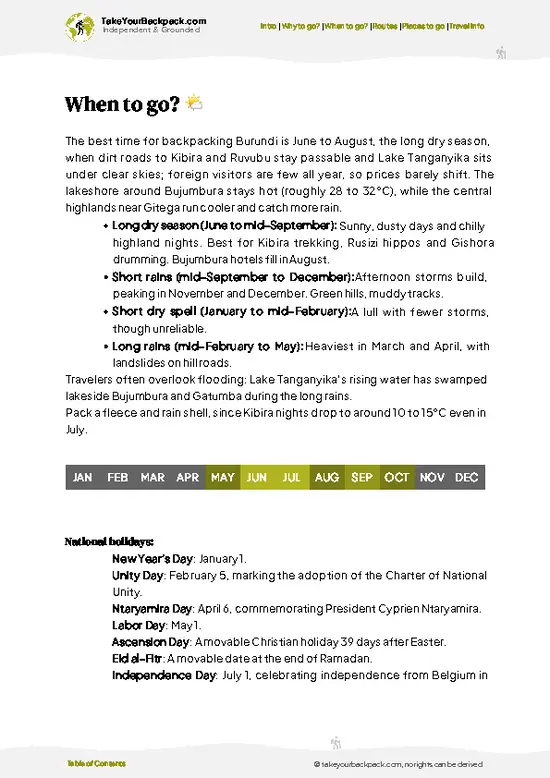
example page 1 from our offline Travel Guide for Burundi
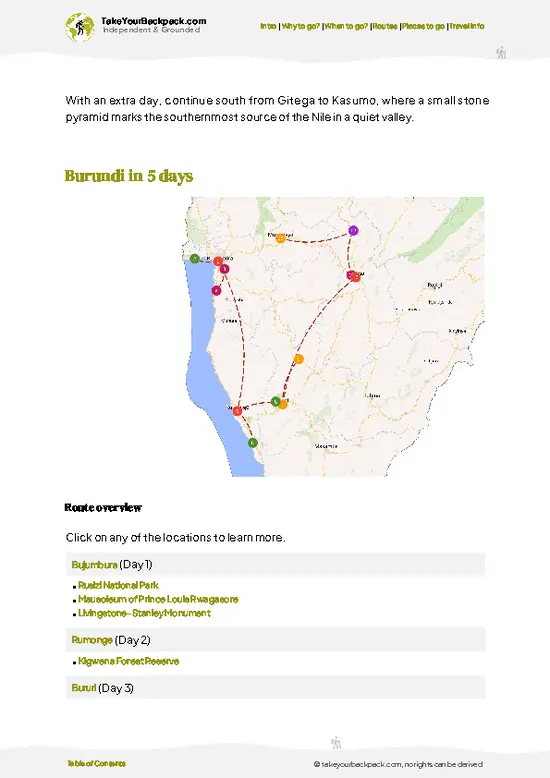
example page 2 from our offline Travel Guide for Burundi
example page 3 from our offline Travel Guide for Burundi
example page 4 from our offline Travel Guide for Burundi
example page 5 from our offline Travel Guide for Burundi
example page 6 from our offline Travel Guide for Burundi
example page 7 from our offline Travel Guide for Burundi
Loading the map 🌍
CLICK TO FILTER
cities
towns
landmarks
national parks
hikes
beaches
attractions
festivals
SHOW COUNTRY’S BESTSHOW ALL

✨ Why go?
Ranked #10 town in Burundi
Why Gisozi should be on your travel list

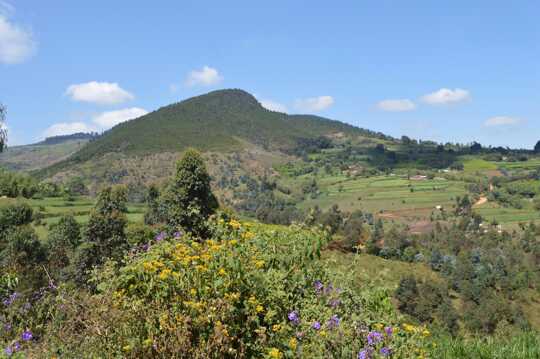
Gisozi earns a place on a route for one reason: it lets you stand in the middle of Burundi and watch the highland countryside at walking pace. The draw is the geographic center marker, a modest landmark that rewards curiosity rather than spectacle, and the terraced hills around it, planted with banana groves, beans and cassava. Most travelers stay an hour or two, or a half day if they walk the lanes and chat with farmers and market sellers. There is no tourist infrastructure, so it suits slow travelers, solo travelers comfortable with a few words of Kirundi or French, and anyone building an overland loop through the interior. Evenings are quiet and early. If you want hostels, bars and other backpackers, use Gitega or the capital as your bed and treat Gisozi as a stretch of the road worth getting off the bus for.

💡 HighlightsMust-see experiences and standout moments

  1. Geographic Center of Burundi marker: The landmark most people come for, a simple monument on the hillside marking the middle of the country. Go in the morning when the air is clear and the views over the ridges are sharpest. Entry is normally free, and 30 to 45 minutes is enough for photos and a look around.
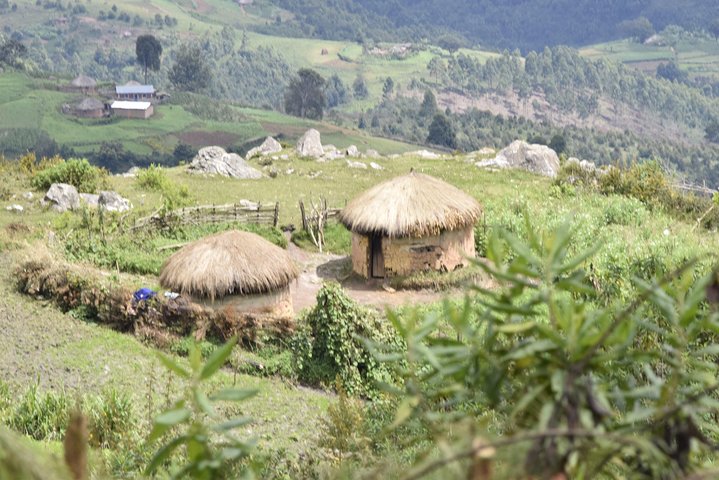
  2. The hill lanes around the marker: Walking the footpaths between terraced plots shows you how highland Burundians farm steep slopes, with banana groves, bean fields and brick-making sites along the way. Mornings are coolest. It costs nothing, and 1 to 2 hours covers a gentle loop. Greet everyone you pass; children will likely follow you with questions.
  3. Gisozi roadside market: A small local market where farmers sell produce, and where you can try fresh roasted corn, fruit and snacks for a
… read more 👉
  1. Geographic Center of Burundi marker: The landmark most people come for, a simple monument on the hillside marking the middle of the country. Go in the morning when the air is clear and the views over the ridges are sharpest. Entry is normally free, and 30 to 45 minutes is enough for photos and a look around.
  2. The hill lanes around the marker: Walking the footpaths between terraced plots shows you how highland Burundians farm steep slopes, with banana groves, bean fields and brick-making sites along the way. Mornings are coolest. It costs nothing, and 1 to 2 hours covers a gentle loop. Greet everyone you pass; children will likely follow you with questions.
  3. Gisozi roadside market: A small local market where farmers sell produce, and where you can try fresh roasted corn, fruit and snacks for a few cents to US$1. Go in the morning when stalls are fullest. Allow 30 to 60 minutes, and bring small bills in Burundian francs.
Gisozi works well as a pause on the way to Gitega, whose national museum and Gishora Drum Sanctuary are the best-known stops nearby, and Muramvya and the lakeside capital area also pair easily with it. Nothing in Gisozi needs a ticket or advance booking.
Spotted a mistake or missing something? Contact us.

Things to do near Gisozi

Ratings based on Tripadvisor reviews. When you book through this link, you support our work at no extra cost to you.

🏘️ NeighborhoodsKey areas and districts to know

Gisozi is small, and you can cover all of it on foot in an afternoon, so spend your time where the action is and skip the rest. It sits on the hills of Mwaro Province, on the road between Gitega and Bujumbura.
  • The Main Road Strip: This is where you should spend most of your time. Small shops, phone-credit sellers and stalls selling grilled corn, bananas, beans and sambaza-style fried fish snacks line the tarmac. It is loud with minibuses and motorbikes, but a short walk from end to end. Eat here, because nowhere else in town has more choice.
  • The Market Area: Worth an hour in the morning, when farmers bring tomatoes, cassava, avocados and pineapples down from the surrounding hills. Go early, as it thins out by early afternoon. Bring small bills.
  • The Residential Hillsides: Quiet lanes of brick
… read more 👉
Gisozi is small, and you can cover all of it on foot in an afternoon, so spend your time where the action is and skip the rest. It sits on the hills of Mwaro Province, on the road between Gitega and Bujumbura.
  • The Main Road Strip: This is where you should spend most of your time. Small shops, phone-credit sellers and stalls selling grilled corn, bananas, beans and sambaza-style fried fish snacks line the tarmac. It is loud with minibuses and motorbikes, but a short walk from end to end. Eat here, because nowhere else in town has more choice.
  • The Market Area: Worth an hour in the morning, when farmers bring tomatoes, cassava, avocados and pineapples down from the surrounding hills. Go early, as it thins out by early afternoon. Bring small bills.
  • The Residential Hillsides: Quiet lanes of brick homes and banana groves. Walk them for the views over the rolling Mwaro countryside and for greetings from kids, but don’t expect sights. Paths turn muddy and steep after rain, so wear shoes with grip.
  • Church and School Compounds: Not worth a special trip. Look from outside unless invited in. After dark the whole town is dead quiet, with no nightlife to speak of.

⌛️ 1 dayHow to make the most of one day

The day works best on foot with short minibus hops, with a long pause at midday when the sun is hardest.

8:00 AM, Arrive on the main road: Get off the minibus near the center, buy a roasted corn cob or a cup of tea from a roadside seller, and orient yourself before the traffic picks up.

9:00 AM, Geographic center marker: Walk up to the monument while the air is clear. Take photos, then look across the ridges, which fold away in every direction.

10:30 AM, Hill lanes: Follow the footpaths through banana groves and bean terraces. This is the part few travelers do, and it is the best way to meet farmers. Keep greetings in Kirundi or French ready.

12:30 PM, Roadside market: Eat grilled corn, cassava or beans, and buy fruit for the road. Rest in shade for an hour while the midday heat passes.

2:30 PM, … read more 👉
The day works best on foot with short minibus hops, with a long pause at midday when the sun is hardest.

8:00 AM, Arrive on the main road: Get off the minibus near the center, buy a roasted corn cob or a cup of tea from a roadside seller, and orient yourself before the traffic picks up.

9:00 AM, Geographic center marker: Walk up to the monument while the air is clear. Take photos, then look across the ridges, which fold away in every direction.

10:30 AM, Hill lanes: Follow the footpaths through banana groves and bean terraces. This is the part few travelers do, and it is the best way to meet farmers. Keep greetings in Kirundi or French ready.

12:30 PM, Roadside market: Eat grilled corn, cassava or beans, and buy fruit for the road. Rest in shade for an hour while the midday heat passes.

2:30 PM, Brick yards and village edge: Wander toward the small brick-making sites, where workers shape and fire clay. Ask before taking photos of people.

4:00 PM, Flag down a minibus: Head to Gitega or the capital before late afternoon, since roadside transport thins out toward dusk.

🌤️ When to go?When to go for the best experience

  • Dry Season (June to August): Gisozi sits on a highland plateau, so days run 22 to 27°C (72 to 81°F) and nights drop to 12 to 15°C (54 to 59°F). Roads are firm, hill walks are easy and prices stay flat.
  • Short Dry Spell (January to February): Pleasant and a bit wetter, with similar temperatures. Fewer visitors than in the main dry months.
  • Rainy Seasons (March to May, October to December): Downpours arrive most afternoons, red dirt tracks turn slick and minibuses run slower. Mornings are often clear, and the hills turn deep green.
  • Daylight: Close to the equator, days stay at roughly 12 hours, with dark falling early evening, so plan travel for the morning.
Aim to arrive by midday in any season, since afternoon rain and fading transport make late starts costly.

source: climatestotravel.comJANJanuary: fair for travelingFEBFebruary: fair for travelingMARMarch: fair for travelingAPRApril: fair for travelingMAYMay: good for travelingJUNJune: excellent for travelingJULJuly: excellent for travelingAUGAugust: excellent for travelingSEPSeptember: excellent for travelingOCTOctober: good for travelingNOVNovember: fair for travelingDECDecember: fair for traveling
when-to-go

✈️ The backpacker research shortcutBurundi Travel Guide

An offline-friendly backpacking guide with optimized travel routes, ranked highlights, transport advice, and the best areas to stay.
example page 0 from our offline Travel Guide for Burundi
example page 1 from our offline Travel Guide for Burundi
example page 2 from our offline Travel Guide for Burundi
example page 3 from our offline Travel Guide for Burundi
example page 4 from our offline Travel Guide for Burundi
example page 5 from our offline Travel Guide for Burundi
example page 6 from our offline Travel Guide for Burundi
example page 7 from our offline Travel Guide for Burundi
The digital guide (209 pages) contains:
✅ 47 highlights, ranked by travel appeal
✅ Optimized 2, 3 & 5-day travel routes
✅ Cities, national parks, landmarks, beaches
✅ How to get around
✅ Offline-friendly for travel without Wi-Fi
👉 Click to see all 30+ guide features

📅 Plan smarter in minutes, not weeks
✅ Month by month travel advice
✅ Festivals & national holidays
✅ Budget expectations

🗺️ Go to the right places, skip the overrated ones
✅ Honest pros & cons of destinations
✅ Top hikes, parks & viewpoints
✅ Lesser-known places most travelers miss
✅ Clear “worth it vs skip it” guidance

🛏️ Travel smoothly without rookie mistakes
✅ Best areas to stay
✅ Transport systems explained simply
✅ Common scams & safety advice
✅ SIM cards, money & practical tips

🌍 Understand the country, not just visit it
✅ Culture & traditions
✅ 52 Essential phrases & customs
✅ Festivals worth planning around
✅ Traveler-friendly historical context
✅ Insights that make places more meaningful

📱 Built for real travel conditions
✅ Fully downloadable PDF
✅ Works completely offline
✅ Optimized for phone use
✅ Useful in remote areas & buses
✅ Everything in one place
Stop searching, start planning
Get instant access to your full guide. 30‑day money-back guarantee.
+ Add another guide for just

By proceeding you agree to our terms.
Sent to your inbox immediately after payment • 100% Secure Checkout
Best Backpacking Travel Advisor 2025 tourism awardBest Backpacking
Travel Advisor
2025
What others say about Take Your Backpack Guides:
⭐⭐⭐⭐⭐
Fantastic, amazing amount of information!
⭐⭐⭐⭐⭐
My goodness this is amazing, it's what I've been looking for hats off too you!
⭐⭐⭐⭐⭐
I think this is absolutely BRILLIANT
⭐⭐⭐⭐
Very complete and informative. It's still missing places, but I gotta to commend you
⭐⭐⭐⭐⭐
This is truly amazing, thank you, can't wait to explore it with my kids!
⭐⭐⭐⭐⭐
Awesome resource, thank you!
⭐⭐⭐⭐⭐
This is amazing! Can't wait to explore the ones I haven't seen
⭐⭐⭐⭐
I love this! Well done, great idea.
⭐⭐⭐⭐⭐
Thanks for taking the time to make this gem!
⭐⭐⭐⭐⭐
This might be the best website I've ever seen.
⭐⭐⭐⭐⭐
Congratulations, and thank you so much for your work; it's incredibly valuable.
⭐⭐⭐⭐
In all seriousness I think you did a great job pointing out the important spots
⭐⭐⭐⭐⭐
10/10 very good
⭐⭐⭐⭐⭐
As someone who's only just starting to visit regularly this is awesome, thank you.
⭐⭐⭐⭐
Thank you very much! I'm going to visit my dad, it's going to be very useful!
⭐⭐⭐⭐⭐
This is really cool! We'll be travelling for the first time and this definitely come in handy.
⭐⭐⭐⭐⭐
You are now our minister of culture, congratulations 👨‍💼
⭐⭐⭐⭐⭐
Just wanted to tell you that this is a pearl! Going to follow your recommendations.
⭐⭐⭐⭐⭐
This is so cool. I'll definitely be using the resource for my travels soon.
⭐⭐⭐⭐⭐
This is very impressive! Good work.
⭐⭐⭐⭐⭐
This is an amazing and informative site. Very well done!

🛏️ Where to stay?Choosing the right base

The most practical area to sleep is along the main road, close to where minibuses stop. Gisozi has only a handful of basic guesthouses, and no proper hostel scene, so expect simple private rooms at roughly US$8 to 20 a night rather than dorm beds. Here you can leave early for Bujumbura or Gitega without hauling bags uphill, and restaurants and shops are a minute’s walk away. Noise is the cost. Trucks and minibuses start before dawn, so bring earplugs. The road strip is lit and active until early evening, and feels fine for solo travelers, though it empties after dark.

The quieter option is the … read more 👉
The most practical area to sleep is along the main road, close to where minibuses stop. Gisozi has only a handful of basic guesthouses, and no proper hostel scene, so expect simple private rooms at roughly US$8 to 20 a night rather than dorm beds. Here you can leave early for Bujumbura or Gitega without hauling bags uphill, and restaurants and shops are a minute’s walk away. Noise is the cost. Trucks and minibuses start before dawn, so bring earplugs. The road strip is lit and active until early evening, and feels fine for solo travelers, though it empties after dark.

The quieter option is the residential side streets just off the main road. They offer calmer nights and better views, but fewer rooms and walks back in the dark on unlit, uneven lanes. Book ahead where possible, or ask about rooms in person, since many places don’t list online. Carry cash in small bills, as cards are rarely accepted. If everything is full, larger options exist in Gitega, a short ride away.

🚌 Getting aroundHow to get from A to B

Gisozi is a small hillside community in Gitega Province, and the costliest mistake is paying a private moto or taxi fare without agreeing the price first, or waiting for a minibus that only leaves when it is packed. Settle the fare before you climb on, and carry small bills, because drivers rarely have change for big notes. Most people on a budget walk locally and use shared transport for anything beyond the immediate hills.
  • Walking: Free, and the right choice for the village center, the market and nearby paths. Expect steep, uneven red-earth tracks that turn slick after rain. Allow 20 to 40 minutes for neighboring hamlets, and start early, since the light fades quickly by evening.
  • Moto-taxi: The fastest way to cover hills and rough roads, usually US$0.50 to 2 for a short local hop and US$2
… read more 👉
Gisozi is a small hillside community in Gitega Province, and the costliest mistake is paying a private moto or taxi fare without agreeing the price first, or waiting for a minibus that only leaves when it is packed. Settle the fare before you climb on, and carry small bills, because drivers rarely have change for big notes. Most people on a budget walk locally and use shared transport for anything beyond the immediate hills.
  • Walking: Free, and the right choice for the village center, the market and nearby paths. Expect steep, uneven red-earth tracks that turn slick after rain. Allow 20 to 40 minutes for neighboring hamlets, and start early, since the light fades quickly by evening.
  • Moto-taxi: The fastest way to cover hills and rough roads, usually US$0.50 to 2 for a short local hop and US$2 to 5 for longer runs. Agree the price first. Helmets are scarce, so ask the rider to go slowly on descents, and skip rides after dark when potholes are hard to see.
  • Bicycle-taxi: A local specialty in Burundi, where a rider pedals you and your bag along flatter stretches for about US$0.30 to 1. It is slow and a bit bumpy, but a cheap and pleasant way to travel. Do not try it on steep climbs, where you will end up walking beside the bike anyway.
  • Minibus (shared): The cheapest option toward Gitega and other towns, typically US$1 to 3 depending on distance. Vehicles leave when full, so mornings are most reliable, and by mid-afternoon services thin out. Expect cramped seats and luggage on your lap.
  • Private taxi hire: Pricey, but sensible if you are carrying heavy gear or have a tight schedule. Negotiate a day rate of roughly US$30 to 60, fuel included, and confirm it before you set off. Split it with other travelers to make the cost reasonable.
Pay in Burundian francs where you can, because drivers often refuse foreign notes or give poor exchange rates. Fuel shortages occasionally disrupt services, so keep your plans flexible.

👛 Costs (as of 22 October 2026)Travel costs and budget guide for Gisozi

Gisozi costs about US$34 a day for a backpacker staying in simple guesthouses. It is a small place, so spending is low, but there are no hostel dorms and cash is the only option.
CategoryBudget RangeLocal Reality
Dorm accommodationUS$8 to 15No true dorms. Basic private guesthouse rooms with shared bathrooms are the norm.
MealsUS$5 to 9Beans, rice, plantains, grilled meat or fish at roadside eateries. Fresh fruit costs pennies.
Local transportUS$2 to 5Moto-taxis for short hops, minibuses for longer trips.
Basic activities/entry feesUS$0 to 3Hill walks and the market are free. Museum fees in nearby Gitega are small.
Miscellaneous expensesUS$3 to 5Phone credit, water, snacks and the occasional tip.
Total Daily BudgetUS$34Based on a high-season guesthouse bed.
Eat where locals queue at lunchtime and buy … read more 👉
Gisozi costs about US$34 a day for a backpacker staying in simple guesthouses. It is a small place, so spending is low, but there are no hostel dorms and cash is the only option.
CategoryBudget RangeLocal Reality
Dorm accommodationUS$8 to 15No true dorms. Basic private guesthouse rooms with shared bathrooms are the norm.
MealsUS$5 to 9Beans, rice, plantains, grilled meat or fish at roadside eateries. Fresh fruit costs pennies.
Local transportUS$2 to 5Moto-taxis for short hops, minibuses for longer trips.
Basic activities/entry feesUS$0 to 3Hill walks and the market are free. Museum fees in nearby Gitega are small.
Miscellaneous expensesUS$3 to 5Phone credit, water, snacks and the occasional tip.
Total Daily BudgetUS$34Based on a high-season guesthouse bed.
Eat where locals queue at lunchtime and buy fruit from the market, which keeps food costs lowest. Carry small bills, since change is often scarce.
⚠️ Prices can change and everyone travels differently, so take this as a rough guide. Hope it helps you plan your adventure!

🚌 Day tripsShort trips worth adding

Gisozi works well as a quiet stop for short excursions along the central highlands, though public transport is informal, so start early and aim to be back by late afternoon.
Gitega:
Burundi’s political capital has the National Museum, with royal drums and traditional crafts, and a lively market. Minibuses take about 1 to 1.5 hours and cost US$2 to 4 each way. Go on a weekday morning, and first-timers often forget that the museum closes early. Budget US$10 to 15 total.
👉 Explore Gitega
Mwaro Hill Villages:
Walk or hire a moto-taxi into the surrounding hills for banana groves, coffee plots and views over rolling farmland. It is free to wander, with moto fares at US$2 to 5 round trip. Dry months from June to August give the best footing, and a common slip is heading uphill after noon, when rain … read more 👉
Gisozi works well as a quiet stop for short excursions along the central highlands, though public transport is informal, so start early and aim to be back by late afternoon.
Gitega:
Burundi’s political capital has the National Museum, with royal drums and traditional crafts, and a lively market. Minibuses take about 1 to 1.5 hours and cost US$2 to 4 each way. Go on a weekday morning, and first-timers often forget that the museum closes early. Budget US$10 to 15 total.
👉 Explore Gitega
Mwaro Hill Villages:
Walk or hire a moto-taxi into the surrounding hills for banana groves, coffee plots and views over rolling farmland. It is free to wander, with moto fares at US$2 to 5 round trip. Dry months from June to August give the best footing, and a common slip is heading uphill after noon, when rain clouds gather.

Bujumbura:
The lakeside capital is a long day, about 2 to 3 hours each way for US$3 to 5, but it gives you Lake Tanganyika beaches, grilled fish and the central market. Leave before 7 am and catch the last minibus back by 4 pm, because evening transport thins fast. Budget US$15 to 25.
👉 Explore Bujumbura

🛡️ SafetySafety Tips and Common Scams in Gisozi

Gisozi is a quiet highland town, and most visitors have no trouble beyond petty annoyances. Pickpocketing is possible in the crowded market and around minibus stops, so keep your phone and cash in a front pocket. Prices for foreigners can start high, so agree fares for moto-taxis before riding. After dark the unlit lanes are uneven, and the main road carries fast trucks, so carry a headlamp and stay in by early evening. Solo travelers, including women, usually find people curious and polite, but dressing modestly helps. Avoid photographing officials, soldiers or government buildings, and ask before taking portraits. Keep up with local news before traveling between towns, as Burundi’s politics can shift.

FAQTraveler FAQ

Gisozi works better as a short stop than a destination. It has a morning market, hill walks over Mwaro farmland and an easy position on the road between Bujumbura and Gitega. Plan for a few hours to a night, and pair it with Gitega’s museum, about 1 to 1.5 hours away for US$2 to 4.
One night is enough for Gisozi, and a half day covers the market and a hill walk. If you enjoy rural villages, a second day lets you explore further along the surrounding ridges. Guesthouse rooms run about US$8 to 20 a night.
Yes, Gisozi can be reached from Gitega in about 1 to 1.5 hours, or from Bujumbura in roughly 2 to 3 hours, for US$2 to 5 each way by minibus. A day trip from Bujumbura is tiring, because you must leave early and catch a return before about 4 or 5 pm. Starting from Gitega is easier.
⚠️ Things can change over time, so always validate details locally before you go.

Other Burundian towns near Gisozi

Explore more nearby:

  • Matana—mission heritage, tea plantations, hillside churches| 22 km away
  • Kiganda—central plateau, local crafts, small-town life| 25 km away
  • Muramvya—royal heritage, hilltop vistas, ceremonial sites| 34 km away

💡 Not sure where to go next?
Create a personalized itinerary for Burundi including Gisozi and the places that fit your trip.

Generate my itinerary

👉 Discover all towns

Or checkout all Burundi has to offer (think cities, towns, villages, national parks, hikes, beaches, festivals)
Country photo of Burundi

We 💚 feedbackFinal thoughts on visiting Gisozi

Gisozi is where travelers make the mistake of arriving late and hoping for a bed. Visit in the morning, leave by mid-afternoon, and sleep in Gitega or the capital. Bring small notes, a bottle of water and a few phrases in Kirundi or French; they open far more doors than a camera.

✍️ Help improve this page!
The information on this page is based on in-depth research, insights shared by experienced travelers, and feedback from the local travel community in Burundi. While every effort is made to keep the information accurate and current, conditions can change — so if you spot anything incorrect or outdated, please get in touch.


🙋‍♂️ Give feedback

👋 Meet the founderWho’s Behind Take Your Backpack?

Johan, backpacker and founder of TakeYourBackpackHi, I’m Johan (Netherlands 🇳🇱), the creator of TakeYourBackpack. Over the past 3 decades, I’ve backpacked through 90+ countries across six continents, gaining extensive experience with independent travel, long-term trips, and overland routes.

This site is built on a combination of firsthand travel experience and carefully curated insights from other backpackers. Many guides are based on places I’ve personally visited, while others bring together tips, observations, and practical advice shared by trusted travelers I’ve met along the way.

The goal is to provide realistic, experience-driven guidance — not generic itineraries — so you can explore destinations with better context, clearer expectations, and more confidence.