v2.webp)
The Shipwreck Relics Room
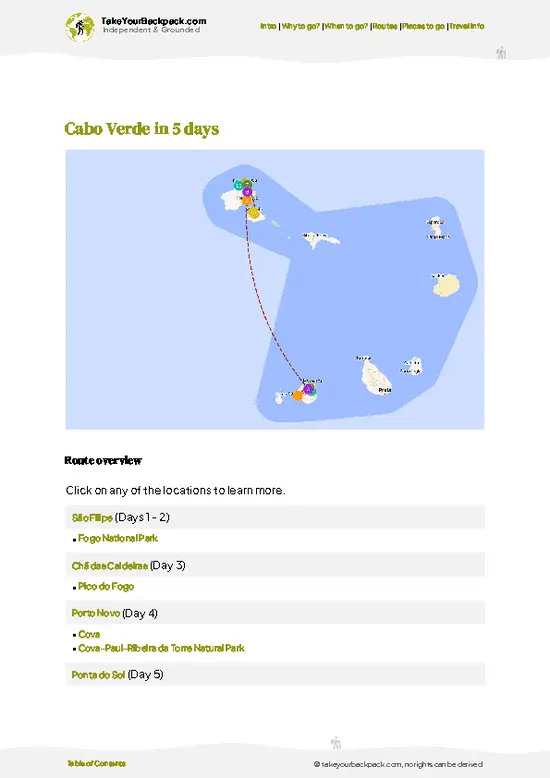
Let’s cut through the postcard gloss: most people wander into the Museu do Mar expecting a sleepy collection of dusty shells. Instead, you walk straight into a room lined with battered brass compasses, salt-bleached ship wheels, and the kind of rusted anchors that look like they’ve survived a century of Atlantic tempests. These aren’t props. They’re the real deal, salvaged from actual shipwrecks off the coast of São Vicente. If you want to feel the raw, unpredictable power of the ocean—this is where you start. It’s not curated for Instagram; it’s curated for people who want to touch history with their own hands.
The Whaling Era Artifacts
Whaling is a brutal chapter in Cabo Verde’s story, and the museum doesn’t sugarcoat it. You’ll see harpoons, logbooks, and even the … read more 👉
Let’s cut through the postcard gloss: most people wander into the Museu do Mar expecting a sleepy collection of dusty shells. Instead, you walk straight into a room lined with battered brass compasses, salt-bleached ship wheels, and the kind of rusted anchors that look like they’ve survived a century of Atlantic tempests. These aren’t props. They’re the real deal, salvaged from actual shipwrecks off the coast of São Vicente. If you want to feel the raw, unpredictable power of the ocean—this is where you start. It’s not curated for Instagram; it’s curated for people who want to touch history with their own hands.
The Whaling Era Artifacts
Whaling is a brutal chapter in Cabo Verde’s story, and the museum doesn’t sugarcoat it. You’ll see harpoons, logbooks, and even the … read more 👉
The Shipwreck Relics Room
Let’s cut through the postcard gloss: most people wander into the Museu do Mar expecting a sleepy collection of dusty shells. Instead, you walk straight into a room lined with battered brass compasses, salt-bleached ship wheels, and the kind of rusted anchors that look like they’ve survived a century of Atlantic tempests. These aren’t props. They’re the real deal, salvaged from actual shipwrecks off the coast of São Vicente. If you want to feel the raw, unpredictable power of the ocean—this is where you start. It’s not curated for Instagram; it’s curated for people who want to touch history with their own hands.
The Whaling Era Artifacts
Whaling is a brutal chapter in Cabo Verde’s story, and the museum doesn’t sugarcoat it. You’ll see harpoons, logbooks, and even the jawbones of whales, all displayed with a matter-of-fact honesty that’s rare in tourist museums. The real magic? The handwritten journals from whalers themselves—some in Portuguese, some in creole, some in the broken English of American whalers who stopped here for supplies. It’s a gritty, human reminder that Mindelo was once a crossroads for people chasing fortune, not just sun.
The Nautical Map Archive
Forget the generic world maps you see in chain hotels. Here, you’ll find hand-drawn nautical charts that look like they were sketched by pirates—because some of them were. The maps show trade winds, shipwreck sites, and the old routes that made Mindelo a vital Atlantic pit stop. If you’re a map geek or just want to see how sailors navigated before GPS, this room is a goldmine. You can practically smell the salt air and candle wax.
The Mindelo Port Diorama
This isn’t your average model port. The diorama is a sprawling, meticulously detailed recreation of Mindelo’s harbor at its 19th-century peak. Tiny ships, miniature dockworkers, and even the old coal piles are all here. It’s not just for kids—stand in front of it and you’ll get a sense of how chaotic and cosmopolitan this port once was, with British, Portuguese, and American ships all jostling for space. It’s a rare, tactile way to grasp the city’s global DNA.
The Oral History Listening Booth
This is where the museum stops being about objects and starts being about people. Slip on the headphones and you’ll hear fishermen, sailors, and dockworkers—some long gone, some still alive—telling their stories in their own words. No filters, no scripts. Just real voices describing storms, shipwrecks, and the daily grind of life by the sea. It’s the closest you’ll get to time travel in Mindelo, and it’s the museum’s secret weapon against tourist fatigue.
Let’s cut through the postcard gloss: most people wander into the Museu do Mar expecting a sleepy collection of dusty shells. Instead, you walk straight into a room lined with battered brass compasses, salt-bleached ship wheels, and the kind of rusted anchors that look like they’ve survived a century of Atlantic tempests. These aren’t props. They’re the real deal, salvaged from actual shipwrecks off the coast of São Vicente. If you want to feel the raw, unpredictable power of the ocean—this is where you start. It’s not curated for Instagram; it’s curated for people who want to touch history with their own hands.
The Whaling Era Artifacts
Whaling is a brutal chapter in Cabo Verde’s story, and the museum doesn’t sugarcoat it. You’ll see harpoons, logbooks, and even the jawbones of whales, all displayed with a matter-of-fact honesty that’s rare in tourist museums. The real magic? The handwritten journals from whalers themselves—some in Portuguese, some in creole, some in the broken English of American whalers who stopped here for supplies. It’s a gritty, human reminder that Mindelo was once a crossroads for people chasing fortune, not just sun.
The Nautical Map Archive
Forget the generic world maps you see in chain hotels. Here, you’ll find hand-drawn nautical charts that look like they were sketched by pirates—because some of them were. The maps show trade winds, shipwreck sites, and the old routes that made Mindelo a vital Atlantic pit stop. If you’re a map geek or just want to see how sailors navigated before GPS, this room is a goldmine. You can practically smell the salt air and candle wax.
The Mindelo Port Diorama
This isn’t your average model port. The diorama is a sprawling, meticulously detailed recreation of Mindelo’s harbor at its 19th-century peak. Tiny ships, miniature dockworkers, and even the old coal piles are all here. It’s not just for kids—stand in front of it and you’ll get a sense of how chaotic and cosmopolitan this port once was, with British, Portuguese, and American ships all jostling for space. It’s a rare, tactile way to grasp the city’s global DNA.
The Oral History Listening Booth
This is where the museum stops being about objects and starts being about people. Slip on the headphones and you’ll hear fishermen, sailors, and dockworkers—some long gone, some still alive—telling their stories in their own words. No filters, no scripts. Just real voices describing storms, shipwrecks, and the daily grind of life by the sea. It’s the closest you’ll get to time travel in Mindelo, and it’s the museum’s secret weapon against tourist fatigue.
Spotted a mistake or missing something? Contact us.

Full Day Island Tour, Highlights of São Vicente

Santo Antão Highlights: Day Trip by Car w/ Ferry from São Vicente

Half Day Island Tour, Sao Vicente, 4h

Mindelo by Night walking tour

Full-Day Tour of Sao Vicente from Mindelo

São Vicente: Snorkel Experience with Sea Turtle

Walking tour with traditional music in Mindelo

Full-Day São Vicente Island Experience with a Local Guide

Beaches, Villages & Monte Verde, São Vicente (includes São Pedro)


 Best Backpacking
.jpg) Hi, I’m Johan (Netherlands 🇳🇱), the creator of TakeYourBackpack. Over the past decade, I’ve backpacked through 80+ countries across six continents, gaining extensive experience with independent travel, long-term trips, and overland routes.
Hi, I’m Johan (Netherlands 🇳🇱), the creator of TakeYourBackpack. Over the past decade, I’ve backpacked through 80+ countries across six continents, gaining extensive experience with independent travel, long-term trips, and overland routes.