×

Cabo Verde🇨🇻 | townsPorto NovoFerry quay, aluguer vans, harbor promenade, fruit market | things to do and best time to go

Explore MosteirosExplore Ribeira Brava

Backpacking in Porto Novo
🌟 Highlighttown ranked #6
By Johan Kruseman 🇳🇱 | Updated October 22, 2026

Porto Novo is the ferry and mountain gateway of Santo Antão, not a place on Santiago or a stop on the way to Praia. It sits on the southeast coast of the island in Cabo Verde, and most people only see its port. That is a shame, because the town is small, calm and useful. Ferries from São Vicente dock here, so you arrive by sea, and the wait for a shared aluguer (minibus) is why many travelers hurry through. Do the opposite: buy your ferry ticket early at the counter, since seats fill, then walk the waterfront. Evenings are quiet, with a few cafés and guesthouses, and you will meet hikers more than partiers. Your first day could be a late-morning arrival, lunch of grilled fish by the harbor, then an afternoon van up to the green valleys.

Discover everything you want to know in the 📖 Cabo Verde Travel Guide.


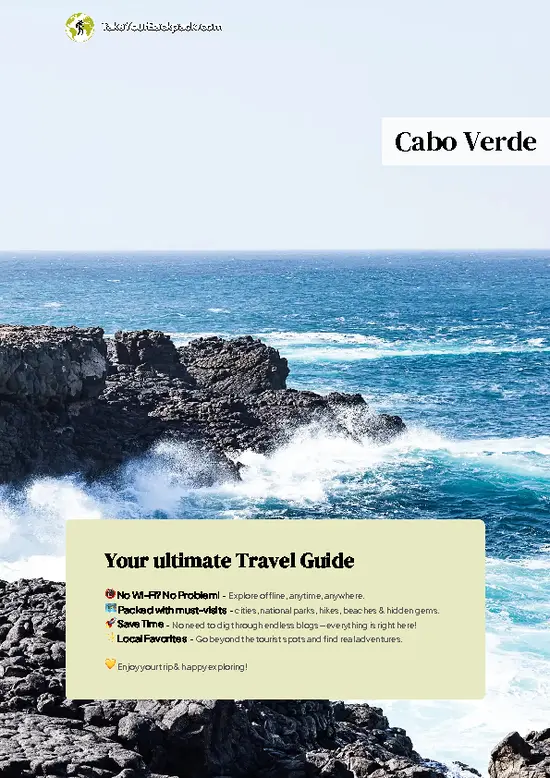
example page 0 from our offline Travel Guide for Cabo Verde
example page 1 from our offline Travel Guide for Cabo Verde
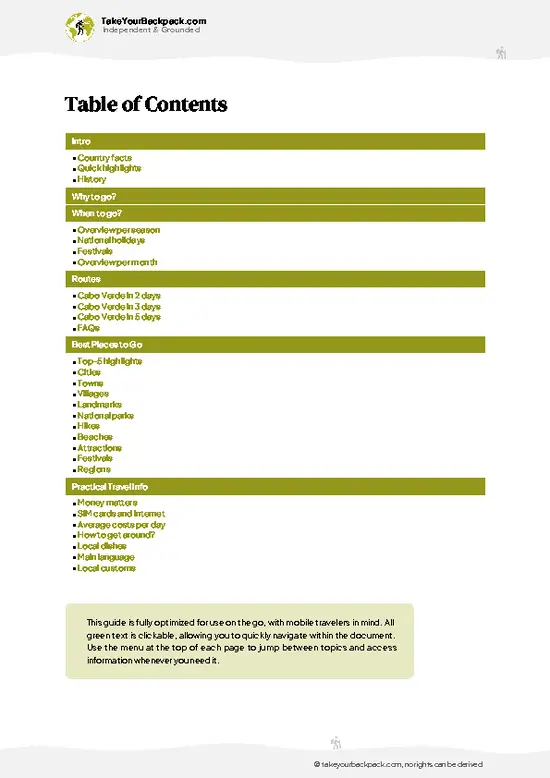
example page 2 from our offline Travel Guide for Cabo Verde
example page 3 from our offline Travel Guide for Cabo Verde
example page 4 from our offline Travel Guide for Cabo Verde
example page 5 from our offline Travel Guide for Cabo Verde
example page 6 from our offline Travel Guide for Cabo Verde
example page 7 from our offline Travel Guide for Cabo Verde
Loading the map 🌍
CLICK TO FILTER
cities
towns
villages
landmarks
national parks
hikes
beaches
attractions
festivals
regions
SHOW COUNTRY’S BESTSHOW ALL

✨ Why go?
Ranked #6 town in Cabo Verde
What sets this place apart

Porto Novo works as the launch pad for the hiking on Santo Antão, which is the real reason to come. The dry, brown coast here gives way within an hour of driving to the crater of Cova de Paúl and the terraced slopes toward Ribeira Grande, so the town earns its place as a sensible overnight before or after the mountains. Guesthouses are small and family run, and owners will arrange transport and guides without fuss. Linger one night, two if you want to rest tired legs and watch the harbor traffic. The ferry from Mindelo shapes the daily rhythm, with the port busy when boats arrive and sleepy otherwise. Hikers, solo travelers and slow movers will like it most, since there is little nightlife and no sightseeing checklist. If you want beaches or big-city energy, this is a short stop. If you want trails, it is the right door.

💡 HighlightsEssential experiences to have while visiting Porto Novo

  1. Porto Novo Port (Cais do Porto Novo): This is the reason most people know the town: the ferry quay where boats from Mindelo on São Vicente dock beneath the dark cliffs of Santo Antão. Go at arrival time to watch the aluguer vans and trucks lining up for the mountain road. Free, 30 to 45 minutes.
  2. Igreja de Nossa Senhora da Luz: The parish church of the town, a plain white building on the main square, with a calm interior. Mornings are cooler and quieter. Entry is free, 15 to 20 minutes.
  3. Porto Novo Municipal Market (Mercado Municipal): A working market where locals buy fish, vegetables, papayas and bananas from the green valleys inland. Go before noon, when stalls are fullest. Browsing is free, and a piece of fruit costs about €0.50 to 1. Plan 30 to 45 minutes.
  4. Fishing Beach and Landing Area: Small
… read more 👉
  1. Porto Novo Port (Cais do Porto Novo): This is the reason most people know the town: the ferry quay where boats from Mindelo on São Vicente dock beneath the dark cliffs of Santo Antão. Go at arrival time to watch the aluguer vans and trucks lining up for the mountain road. Free, 30 to 45 minutes.
  2. Igreja de Nossa Senhora da Luz: The parish church of the town, a plain white building on the main square, with a calm interior. Mornings are cooler and quieter. Entry is free, 15 to 20 minutes.
  3. Porto Novo Municipal Market (Mercado Municipal): A working market where locals buy fish, vegetables, papayas and bananas from the green valleys inland. Go before noon, when stalls are fullest. Browsing is free, and a piece of fruit costs about €0.50 to 1. Plan 30 to 45 minutes.
  4. Fishing Beach and Landing Area: Small boats come in on the dark volcanic sand near the harbor, and fishermen sort and sell the catch on the spot. Late afternoon is when boats return. Free, 30 to 45 minutes.
  5. Praça Principal and the Waterfront Promenade: The central square and seafront are where the town sits out its evenings, with benches, old men playing cards and a handful of cafés serving grogue and cold Strela beer. Come at dusk when the heat drops. A coffee costs about €1, and an hour is plenty.
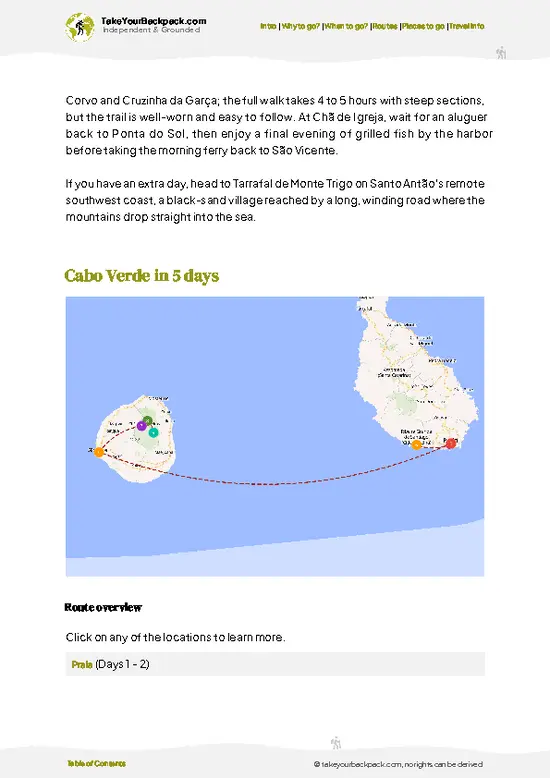
After Porto Novo, the day trips are Ribeira Grande and the Cova de Paul crater, reached by aluguer along the spectacular road over the Santo Antão mountains, plus the cliff village of Ponta do Sol on the far north coast.
Start with the port quay at arrival time, because the ferry crowd, the vans and the dockside bargaining show you how this island works faster than anything else in town.
Spotted a mistake or missing something? Contact us.

Things to do near Porto Novo

Ratings based on Tripadvisor reviews. When you book through this link, you support our work at no extra cost to you.

🏘️ NeighborhoodsKey areas and districts to know

Porto Novo is small enough to cover on foot in an afternoon, and the port drives the rhythm of every area, so plan around the ferry schedule.
  • Port area: This is the center of gravity because the Santo Antão ferries from Mindelo dock here and the aluguer vans wait right outside. Cafés and snack counters fill up when a boat lands, then go quiet. Eat here between arrivals, when kitchens aren't slammed, and don't expect nightlife.
  • Town center and main square: A few blocks uphill, with the market, small shops, bakeries and bars serving grilled fish or chicken with rice. It's flat and walkable. Go in the morning for fresh produce and fish, since stock thins out by afternoon. Evenings are calm, with locals at outdoor tables and the odd bar playing music on weekends.
  • Waterfront and fishing quay: Boats
… read more 👉
Porto Novo is small enough to cover on foot in an afternoon, and the port drives the rhythm of every area, so plan around the ferry schedule.
  • Port area: This is the center of gravity because the Santo Antão ferries from Mindelo dock here and the aluguer vans wait right outside. Cafés and snack counters fill up when a boat lands, then go quiet. Eat here between arrivals, when kitchens aren't slammed, and don't expect nightlife.
  • Town center and main square: A few blocks uphill, with the market, small shops, bakeries and bars serving grilled fish or chicken with rice. It's flat and walkable. Go in the morning for fresh produce and fish, since stock thins out by afternoon. Evenings are calm, with locals at outdoor tables and the odd bar playing music on weekends.
  • Waterfront and fishing quay: Boats come in with the catch, and you can buy or eat fish nearby. It's best late afternoon, when the light softens and the wind drops. Walk it rather than ride, because everything sits within a short stroll.
  • Hillside residential streets: Quiet, steep in places, with little to see except everyday life. Wander briefly for views back over the harbor, but skip it after dark when lighting is thin.

⌛️ 1 daySeeing the highlights in 24 hours

8:00 AM, Harbor and ferry quay: Start where the town starts. Watch the boats unload, then confirm your onward van and have a coffee at a waterfront café.
9:30 AM, Fish landing and market: Walk along the shore to where fishers sort the catch and vendors sell produce. Buy fruit for later; it is a short stroll.
11:00 AM, Igreja de Nossa Senhora da Luz: Cross into the center and spend a quiet few minutes at the church, then wander the side streets, bakeries and small shops.
1:00 PM, Lunch in the center: Order grilled fish or cachupa at a local eatery, and linger since the midday heat slows everything down.
3:00 PM, Neighborhood streets above the port: Away from the standard route, climb the residential lanes for views over the harbor and across the channel. Families sit outside, and you will see daily … read more 👉
8:00 AM, Harbor and ferry quay: Start where the town starts. Watch the boats unload, then confirm your onward van and have a coffee at a waterfront café.
9:30 AM, Fish landing and market: Walk along the shore to where fishers sort the catch and vendors sell produce. Buy fruit for later; it is a short stroll.
11:00 AM, Igreja de Nossa Senhora da Luz: Cross into the center and spend a quiet few minutes at the church, then wander the side streets, bakeries and small shops.
1:00 PM, Lunch in the center: Order grilled fish or cachupa at a local eatery, and linger since the midday heat slows everything down.
3:00 PM, Neighborhood streets above the port: Away from the standard route, climb the residential lanes for views over the harbor and across the channel. Families sit outside, and you will see daily life without a tour in sight.
5:30 PM, Waterfront promenade: Walk back down as the air cools. Fishing boats rest and the light softens over the water, a gentle end to the day before an early dinner and bed ahead of morning trails.

🌤️ When to go?Seasonal considerations and timing

Porto Novo is dry and warm year-round, so timing hinges on wind, sea conditions and the hiking you want to do on the island.
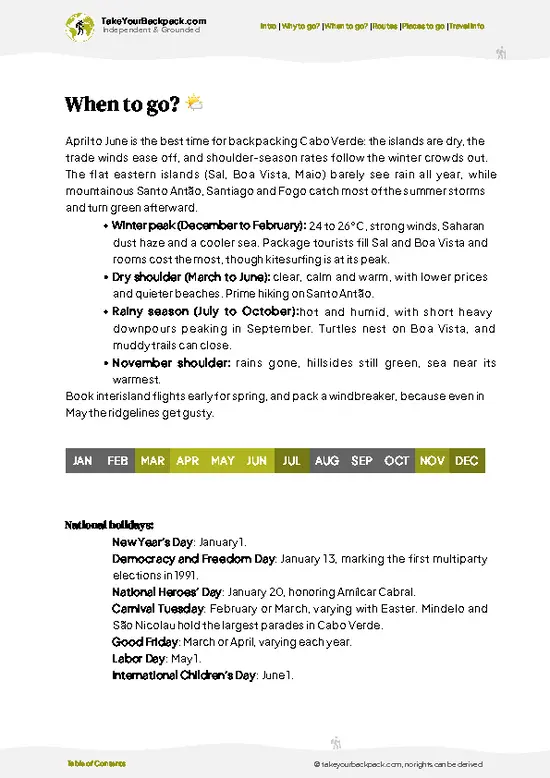
  • November to June: Mostly sunny and comfortable, with highs around 24 to 28°C (75 to 82°F) and nights near 18 to 21°C (64 to 70°F). This is the easiest time for hiking and ferry crossings. Christmas, New Year and Easter bring crowds and busier boats.
  • July to October: Hotter, around 28 to 32°C (82 to 90°F), more humid, with the only real chance of rain, mainly August to October. The mountains turn green, and rooms are cheaper and easier to find.
  • Wind and sea: Strong trade winds from December to March can roughen the channel and occasionally delay or cancel ferries. Daylight runs roughly 11 to 13 hours across the year.
Build a spare day into your plans around any ferry connection, whatever the month.

source: climatestotravel.comJANJanuary: good for travelingFEBFebruary: highly recommended for travelingMARMarch: highly recommended for travelingAPRApril: excellent for travelingMAYMay: excellent for travelingJUNJune: excellent for travelingJULJuly: fair for travelingAUGAugust: fair for travelingSEPSeptember: fair for travelingOCTOctober: fair for travelingNOVNovember: highly recommended for travelingDECDecember: good for traveling
when-to-go

✈️ The backpacker research shortcutCabo Verde Travel Guide

An offline-friendly backpacking guide with optimized travel routes, ranked highlights, transport advice, and the best areas to stay.
example page 0 from our offline Travel Guide for Cabo Verde
example page 1 from our offline Travel Guide for Cabo Verde
example page 2 from our offline Travel Guide for Cabo Verde
example page 3 from our offline Travel Guide for Cabo Verde
example page 4 from our offline Travel Guide for Cabo Verde
example page 5 from our offline Travel Guide for Cabo Verde
example page 6 from our offline Travel Guide for Cabo Verde
example page 7 from our offline Travel Guide for Cabo Verde
The digital guide (234 pages) contains:
✅ 57 highlights, ranked by travel appeal
✅ Optimized 2, 3 & 5-day travel routes
✅ Cities, national parks, landmarks, beaches
✅ How to get around
✅ Offline-friendly for travel without Wi-Fi
👉 Click to see all 30+ guide features

📅 Plan smarter in minutes, not weeks
✅ Month by month travel advice
✅ Festivals & national holidays
✅ Budget expectations

🗺️ Go to the right places, skip the overrated ones
✅ Honest pros & cons of destinations
✅ Top hikes, parks & viewpoints
✅ Lesser-known places most travelers miss
✅ Clear “worth it vs skip it” guidance

🛏️ Travel smoothly without rookie mistakes
✅ Best areas to stay
✅ Transport systems explained simply
✅ Common scams & safety advice
✅ SIM cards, money & practical tips

🌍 Understand the country, not just visit it
✅ Culture & traditions
✅ 52 Essential phrases & customs
✅ Festivals worth planning around
✅ Traveler-friendly historical context
✅ Insights that make places more meaningful

📱 Built for real travel conditions
✅ Fully downloadable PDF
✅ Works completely offline
✅ Optimized for phone use
✅ Useful in remote areas & buses
✅ Everything in one place
Stop searching, start planning
Get instant access to your full guide. 30‑day money-back guarantee.
+ Add another guide for just

By proceeding you agree to our terms.
Sent to your inbox immediately after payment • 100% Secure Checkout
Best Backpacking Travel Advisor 2025 tourism awardBest Backpacking
Travel Advisor
2025
What others say about Take Your Backpack Guides:
⭐⭐⭐⭐⭐
Fantastic, amazing amount of information!
⭐⭐⭐⭐⭐
My goodness this is amazing, it's what I've been looking for hats off too you!
⭐⭐⭐⭐⭐
I think this is absolutely BRILLIANT
⭐⭐⭐⭐
Very complete and informative. It's still missing places, but I gotta to commend you
⭐⭐⭐⭐⭐
This is truly amazing, thank you, can't wait to explore it with my kids!
⭐⭐⭐⭐⭐
Awesome resource, thank you!
⭐⭐⭐⭐⭐
This is amazing! Can't wait to explore the ones I haven't seen
⭐⭐⭐⭐
I love this! Well done, great idea.
⭐⭐⭐⭐⭐
Thanks for taking the time to make this gem!
⭐⭐⭐⭐⭐
This might be the best website I've ever seen.
⭐⭐⭐⭐⭐
Congratulations, and thank you so much for your work; it's incredibly valuable.
⭐⭐⭐⭐
In all seriousness I think you did a great job pointing out the important spots
⭐⭐⭐⭐⭐
10/10 very good
⭐⭐⭐⭐⭐
As someone who's only just starting to visit regularly this is awesome, thank you.
⭐⭐⭐⭐
Thank you very much! I'm going to visit my dad, it's going to be very useful!
⭐⭐⭐⭐⭐
This is really cool! We'll be travelling for the first time and this definitely come in handy.
⭐⭐⭐⭐⭐
You are now our minister of culture, congratulations 👨‍💼
⭐⭐⭐⭐⭐
Just wanted to tell you that this is a pearl! Going to follow your recommendations.
⭐⭐⭐⭐⭐
This is so cool. I'll definitely be using the resource for my travels soon.
⭐⭐⭐⭐⭐
This is very impressive! Good work.
⭐⭐⭐⭐⭐
This is an amazing and informative site. Very well done!

🛏️ Where to stay?Best areas and accommodation options

The best budget base is the area around the port and main square, where most guesthouses and simple pensions cluster within a ten-minute walk of everything. Hostel-style dorms are rare in Porto Novo, so budget travelers mostly take a private room in a family-run guesthouse, usually €20 to 35 a night, with the few dorm-style beds sitting at the low end. Being close to the port means you can walk to an early ferry or catch a van to the island's northern valleys without paying for a taxi. Book ahead at Christmas, New Year and Carnival season, when rooms fill.

The streets near the waterfront are … read more 👉
The best budget base is the area around the port and main square, where most guesthouses and simple pensions cluster within a ten-minute walk of everything. Hostel-style dorms are rare in Porto Novo, so budget travelers mostly take a private room in a family-run guesthouse, usually €20 to 35 a night, with the few dorm-style beds sitting at the low end. Being close to the port means you can walk to an early ferry or catch a van to the island's northern valleys without paying for a taxi. Book ahead at Christmas, New Year and Carnival season, when rooms fill.

The streets near the waterfront are the second choice, quieter and a little breezier, and a short walk from the fishing quay and its cheap grilled fish. They are fine for solo travelers, though a few side lanes are dimly lit, so take the main road home at night. Noise is mild everywhere, with some music from weekend bars and the odd early-morning rooster or ferry horn.

Many backpackers skip Porto Novo as a base and sleep in Ribeira Grande or Paul, where hiking trails start from the door. If you arrive on the late boat, though, a night here saves a stressful mountain transfer.

🚌 Getting aroundMoving around without the hassle

Porto Novo has no city buses, and the most common ride is a shared aluguer van, costing about €0.50 to 1.50 within town and nearby, paid in cash to the driver, usually after you board. Local trips are short, so most travelers walk the compact center and only hop in a van for the road out of town. Traffic is light and there is no real rush hour.
  • Walking: The port, market and main square sit within a ten-minute stroll of each other. Free, and the simplest way to see everything. Carry water, as shade is thin and the sun is strong.
  • Aluguer vans: These minibuses wait at the port and leave when full, not on a timetable, which is why meeting a ferry is the best moment to catch one. Rides to Ribeira Grande run roughly €2 to 3.50 and Paul valley around €2 to 3. Mornings are best, as vans thin out in
… read more 👉
Porto Novo has no city buses, and the most common ride is a shared aluguer van, costing about €0.50 to 1.50 within town and nearby, paid in cash to the driver, usually after you board. Local trips are short, so most travelers walk the compact center and only hop in a van for the road out of town. Traffic is light and there is no real rush hour.
  • Walking: The port, market and main square sit within a ten-minute stroll of each other. Free, and the simplest way to see everything. Carry water, as shade is thin and the sun is strong.
  • Aluguer vans: These minibuses wait at the port and leave when full, not on a timetable, which is why meeting a ferry is the best moment to catch one. Rides to Ribeira Grande run roughly €2 to 3.50 and Paul valley around €2 to 3. Mornings are best, as vans thin out in the afternoon and the last ones leave by late afternoon. Ask the fare before getting in, and expect your bag to ride on the roof or in the back.
  • Taxis: Cheaper than you would guess in town, usually €1.50 to 3 for a short ride, and a good choice with a heavy pack or after dark. Settle the price first, since there are no meters. A private transfer over the mountain road to Ribeira Grande costs much more, about €30 to 40.
  • Ferry to São Vicente: The crossing to Mindelo takes about an hour, with a fare around €10 to 12 each way. Buy your ticket at the terminal and arrive early, because the boat can sell out around holidays and weekends. Schedules change with the season and sea conditions, so confirm departures when you arrive. Bring a light jacket for the deck, as the channel is windy.

👛 Costs (as of 22 October 2026)Money, prices, and spending tips

Porto Novo costs a backpacker roughly €20 to 35 a day, and the Total Daily Budget below is €72. Prices are paid in Cabo Verdean currency, though euros are widely understood.
CategoryBudget RangeLocal Reality
Dorm accommodation€20 to 35 (high season)Dorms are rare, so most travelers take a simple private room in a guesthouse, with prices dropping a little off-season.
Meals€12 to 20Grilled fish or chicken with rice and a coffee at local spots costs about €5 to 8 per meal.
Local transport€3 to 8Short van rides cost under €2, while longer rides to valleys cost more.
Basic activities/entry fees€5 to 10Hiking is free, though a guide or van transfer to trailheads adds a few euros.
Miscellaneous expenses€5 to 8Water, snacks, a beer and a SIM card.
Total Daily Budget€72A realistic figure for one day in high
… read more 👉
Porto Novo costs a backpacker roughly €20 to 35 a day, and the Total Daily Budget below is €72. Prices are paid in Cabo Verdean currency, though euros are widely understood.
CategoryBudget RangeLocal Reality
Dorm accommodation€20 to 35 (high season)Dorms are rare, so most travelers take a simple private room in a guesthouse, with prices dropping a little off-season.
Meals€12 to 20Grilled fish or chicken with rice and a coffee at local spots costs about €5 to 8 per meal.
Local transport€3 to 8Short van rides cost under €2, while longer rides to valleys cost more.
Basic activities/entry fees€5 to 10Hiking is free, though a guide or van transfer to trailheads adds a few euros.
Miscellaneous expenses€5 to 8Water, snacks, a beer and a SIM card.
Total Daily Budget€72A realistic figure for one day in high season.
Buy fish and produce at the market and eat your main meal at lunch, when set menus cost less than dinner.
⚠️ Prices can change and everyone travels differently, so take this as a rough guide. Hope it helps you plan your adventure!

🚌 Day tripsExploring the surroundings

Porto Novo works well as a gateway, since vans and taxis leave from the port and the island's best hikes sit within one to two hours by road.
Paul Valley:
A green valley of sugarcane terraces, reached by a van ride of about 45 to 60 minutes along the coast. Allow €10 to 20 for transport, food and a cup of the local grogue. Come between October and January, when the fields are greenest. First-timers often start walking too late and miss the last van back.

Ribeira Grande:
The island's largest northern town, reached by a dramatic road over the mountains in roughly 1.5 to 2 hours. Plan about €15 to 25 for return vans and lunch. Mornings are clearest, as clouds often roll in by afternoon. Many travelers underestimate the return journey, so confirm the last van before wandering.

Cova Crater:
A … read more 👉
Porto Novo works well as a gateway, since vans and taxis leave from the port and the island's best hikes sit within one to two hours by road.
Paul Valley:
A green valley of sugarcane terraces, reached by a van ride of about 45 to 60 minutes along the coast. Allow €10 to 20 for transport, food and a cup of the local grogue. Come between October and January, when the fields are greenest. First-timers often start walking too late and miss the last van back.

Ribeira Grande:
The island's largest northern town, reached by a dramatic road over the mountains in roughly 1.5 to 2 hours. Plan about €15 to 25 for return vans and lunch. Mornings are clearest, as clouds often roll in by afternoon. Many travelers underestimate the return journey, so confirm the last van before wandering.

Cova Crater:
A rim walk around an extinct volcanic crater with farms on its floor, about an hour by van or taxi. Costs run €10 to 20 with transport. Go early, before mist covers the rim, and bring a layer, as it's much cooler than the coast.

Tarrafal de Monte Trigo:
A remote fishing village in the southwest, reached by a rough road and boat or hired car, about two hours each way. It suits adventurous hikers more than casual visitors, so check conditions locally. Costs are around €30 to 50 with a driver.

🛡️ SafetyScams, Hazards, and Annoyances

Porto Novo is calm and low-key, and most trouble is minor. Petty theft is uncommon but does happen around the port when ferries land and crowds bunch up, so keep your phone and wallet in front pockets and your bag within reach. Touts sometimes approach arrivals offering taxis or rooms. A polite no works, and checking the taxi price before you get in avoids arguments. Solo travelers, including women, generally feel comfortable by day, though lighting is poor on side streets, so stick to the main roads after dark. On mountain walks, carry water, start early and tell your guesthouse where you are going, since weather and cloud cover can change quickly and phone signal fades in the valleys.

FAQFrequently asked questions about Porto Novo

Porto Novo is mainly a gateway, though it is worth a night if you plan to hike Santo Antão. The ferry from Mindelo takes about an hour and the island's trailheads are 45 minutes to two hours away by van. The town itself has a market and fishing quay but few sights.
Porto Novo needs only a few hours to one night, since the town is small. Most travelers use it to connect between the ferry and the island's valleys, then spend three to five days hiking around Paul, Ribeira Grande and Cova. A guesthouse costs roughly €20 to 35 a night.
Porto Novo is not a day trip from a nearby city in the usual sense, but it can be reached from Mindelo on São Vicente. The ferry takes about an hour and costs around €10 to 12 each way. A same-day return is possible, but you would see little beyond the port and a nearby valley, so stay overnight if you can.
⚠️ Things can change over time, so always validate details locally before you go.

Other Cape Verdean towns near Porto Novo

Explore more nearby:

  • Mindelo—harbor city, live music, colonial architecture| 19 km away
  • Ponta do Sol—northernmost town, ocean promenade, art deco buildings| 20 km away
  • Ribeira Brava—mountain valley, pastel houses, morning markets| 94 km away

💡 Not sure where to go next?
Create a personalized itinerary for Cabo Verde including Porto Novo and the places that fit your trip.

Generate my itinerary

👉 Discover all towns

Or checkout all Cabo Verde has to offer (think cities, towns, villages, national parks, hikes, beaches, festivals)
Country photo of Cabo Verde

We 💚 feedbackParting advice and final tips

Porto Novo suits hikers and slow travelers who like a quiet base with real local life, and it frustrates anyone hunting nightlife or beaches. Come with the mountains in mind and treat the town as a calm launch pad. I would stay one night, buy ferry tickets early and bring cash.

✍️ Help improve this page!
The information on this page is based on in-depth research, insights shared by experienced travelers, and feedback from the local travel community in Cabo Verde. While every effort is made to keep the information accurate and current, conditions can change — so if you spot anything incorrect or outdated, please get in touch.


🙋‍♂️ Give feedback

👋 Meet the founderWho’s Behind Take Your Backpack?

Johan, backpacker and founder of TakeYourBackpackHi, I’m Johan (Netherlands 🇳🇱), the creator of TakeYourBackpack. Over the past 3 decades, I’ve backpacked through 90+ countries across six continents, gaining extensive experience with independent travel, long-term trips, and overland routes.

This site is built on a combination of firsthand travel experience and carefully curated insights from other backpackers. Many guides are based on places I’ve personally visited, while others bring together tips, observations, and practical advice shared by trusted travelers I’ve met along the way.

The goal is to provide realistic, experience-driven guidance — not generic itineraries — so you can explore destinations with better context, clearer expectations, and more confidence.