v2.webp)
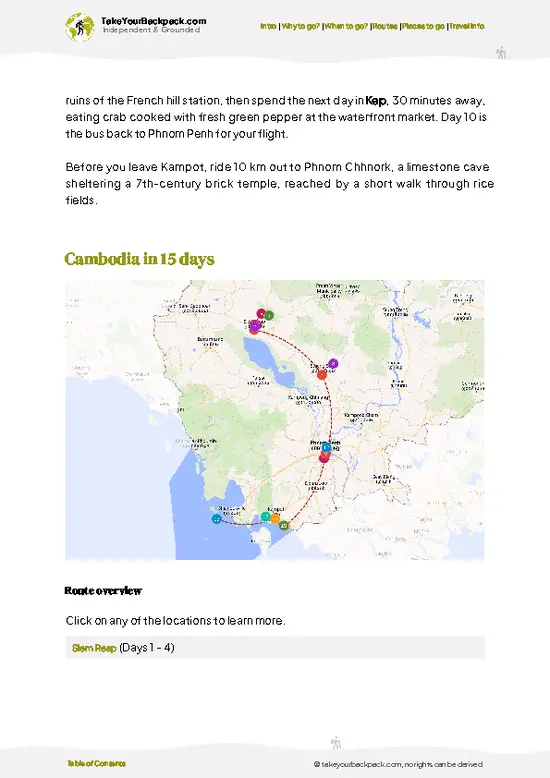
The Memorial Stupa
Let’s cut through the Instagram haze: this is not a photo op, it’s a confrontation. The glass stupa, filled with more than 5,000 human skulls, is the raw, unfiltered centerpiece of Choeung Ek. You don’t just look—you reckon. The stupa’s transparent walls force you to face the scale of loss, and the Buddhist architecture is a deliberate, almost defiant gesture of remembrance. This is Cambodia’s way of refusing to let the world forget.
The Killing Fields Mass Graves
No amount of digital storytelling can prepare you for the sight of shallow pits and bone fragments surfacing after rain. The site doesn’t sanitize history for comfort. You’ll see rags of clothing, teeth, and bone shards—remnants that surface naturally, not as part of a curated display. This is the antithesis of … read more 👉
Let’s cut through the Instagram haze: this is not a photo op, it’s a confrontation. The glass stupa, filled with more than 5,000 human skulls, is the raw, unfiltered centerpiece of Choeung Ek. You don’t just look—you reckon. The stupa’s transparent walls force you to face the scale of loss, and the Buddhist architecture is a deliberate, almost defiant gesture of remembrance. This is Cambodia’s way of refusing to let the world forget.
The Killing Fields Mass Graves
No amount of digital storytelling can prepare you for the sight of shallow pits and bone fragments surfacing after rain. The site doesn’t sanitize history for comfort. You’ll see rags of clothing, teeth, and bone shards—remnants that surface naturally, not as part of a curated display. This is the antithesis of … read more 👉
The Memorial Stupa
Let’s cut through the Instagram haze: this is not a photo op, it’s a confrontation. The glass stupa, filled with more than 5,000 human skulls, is the raw, unfiltered centerpiece of Choeung Ek. You don’t just look—you reckon. The stupa’s transparent walls force you to face the scale of loss, and the Buddhist architecture is a deliberate, almost defiant gesture of remembrance. This is Cambodia’s way of refusing to let the world forget.
The Killing Fields Mass Graves
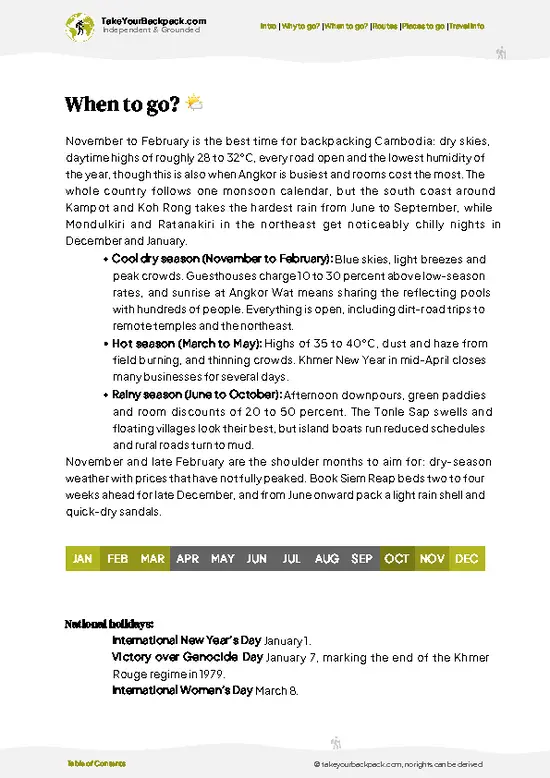
No amount of digital storytelling can prepare you for the sight of shallow pits and bone fragments surfacing after rain. The site doesn’t sanitize history for comfort. You’ll see rags of clothing, teeth, and bone shards—remnants that surface naturally, not as part of a curated display. This is the antithesis of a theme park: the ground itself tells the story, and it’s impossible to walk these paths without feeling the gravity of what happened here.
The Audio Guide (Narrated by a Survivor)
Skip the group tours and grab the audio guide. It’s not just a string of facts—it’s a survivor’s voice, threading personal memory through the landscape. The narration is unsparing, weaving in first-hand accounts, survivor testimony, and even moments of silence at key locations. The effect is immersive and deeply personal, making the history impossible to tune out or gloss over.
The Killing Tree
This battered tree, marked by a simple sign, is where executioners killed children. The site doesn’t hide from this horror—it confronts you with it. Visitors leave bracelets and tokens, but nothing softens the impact. It’s a brutal, necessary reminder that genocide is not abstract. The tree stands as a challenge: will you look away, or will you bear witness?
The Memorial Museum Displays
Inside the small museum, you’ll find photographs, documents, and tools used by the Khmer Rouge. It’s not a slick, high-tech exhibit; it’s raw, sometimes chaotic, and all the more powerful for it. The displays are blunt, offering context without sugarcoating. You’ll leave with a clear sense of how ideology, bureaucracy, and cruelty collided to create one of the twentieth century’s darkest chapters.
The Quiet
This isn’t a place for selfies or casual chatter. The silence is almost physical—broken only by birds, wind, and the occasional footstep. That quiet is part of the experience. It gives you space to process, to mourn, and to reflect. In a world obsessed with spectacle, Choeung Ek’s power is in what it refuses to perform.
Let’s cut through the Instagram haze: this is not a photo op, it’s a confrontation. The glass stupa, filled with more than 5,000 human skulls, is the raw, unfiltered centerpiece of Choeung Ek. You don’t just look—you reckon. The stupa’s transparent walls force you to face the scale of loss, and the Buddhist architecture is a deliberate, almost defiant gesture of remembrance. This is Cambodia’s way of refusing to let the world forget.
The Killing Fields Mass Graves
No amount of digital storytelling can prepare you for the sight of shallow pits and bone fragments surfacing after rain. The site doesn’t sanitize history for comfort. You’ll see rags of clothing, teeth, and bone shards—remnants that surface naturally, not as part of a curated display. This is the antithesis of a theme park: the ground itself tells the story, and it’s impossible to walk these paths without feeling the gravity of what happened here.
The Audio Guide (Narrated by a Survivor)
Skip the group tours and grab the audio guide. It’s not just a string of facts—it’s a survivor’s voice, threading personal memory through the landscape. The narration is unsparing, weaving in first-hand accounts, survivor testimony, and even moments of silence at key locations. The effect is immersive and deeply personal, making the history impossible to tune out or gloss over.
The Killing Tree
This battered tree, marked by a simple sign, is where executioners killed children. The site doesn’t hide from this horror—it confronts you with it. Visitors leave bracelets and tokens, but nothing softens the impact. It’s a brutal, necessary reminder that genocide is not abstract. The tree stands as a challenge: will you look away, or will you bear witness?
The Memorial Museum Displays
Inside the small museum, you’ll find photographs, documents, and tools used by the Khmer Rouge. It’s not a slick, high-tech exhibit; it’s raw, sometimes chaotic, and all the more powerful for it. The displays are blunt, offering context without sugarcoating. You’ll leave with a clear sense of how ideology, bureaucracy, and cruelty collided to create one of the twentieth century’s darkest chapters.
The Quiet
This isn’t a place for selfies or casual chatter. The silence is almost physical—broken only by birds, wind, and the occasional footstep. That quiet is part of the experience. It gives you space to process, to mourn, and to reflect. In a world obsessed with spectacle, Choeung Ek’s power is in what it refuses to perform.
Spotted a mistake or missing something? Contact us.

The Killing Field and Toul Sleng Genocide Museum (S21) Tour
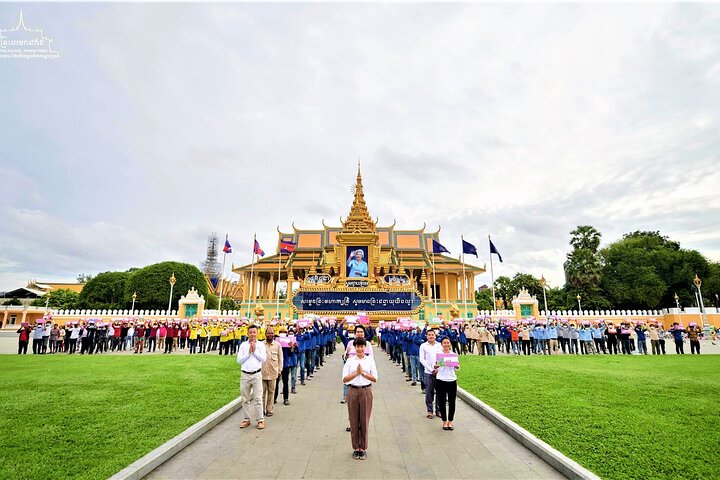
Phnom Penh Full Day Private Tour Included All Admission Tickets

Half Day Tuol Sleng S21 and Choeung Ek Killing Field Tour

Private Half Day To Killing Field & S21 Genocidal Museum in Phnom Penh

A Full Day Tour for Royal Palace S21 Killing Fields and More

Tuol Sleng Genocide Museum (S-21) and Choeung Ek Killing Fields Tour

City Highlights and the Killing Fields Day Tour

10 Stop Phnom Penh Tour by Tuk-Tuk, includes S21 & Killing Fields

Phnom Penh Remembrance & Resilience Tour: S21 & Killing Fields


 Best Backpacking
.jpg) Hi, I’m Johan (Netherlands 🇳🇱), the creator of TakeYourBackpack. Over the past 3 decades, I’ve backpacked through 90+ countries across six continents, gaining extensive experience with independent travel, long-term trips, and overland routes.
Hi, I’m Johan (Netherlands 🇳🇱), the creator of TakeYourBackpack. Over the past 3 decades, I’ve backpacked through 90+ countries across six continents, gaining extensive experience with independent travel, long-term trips, and overland routes.