v2.webp)
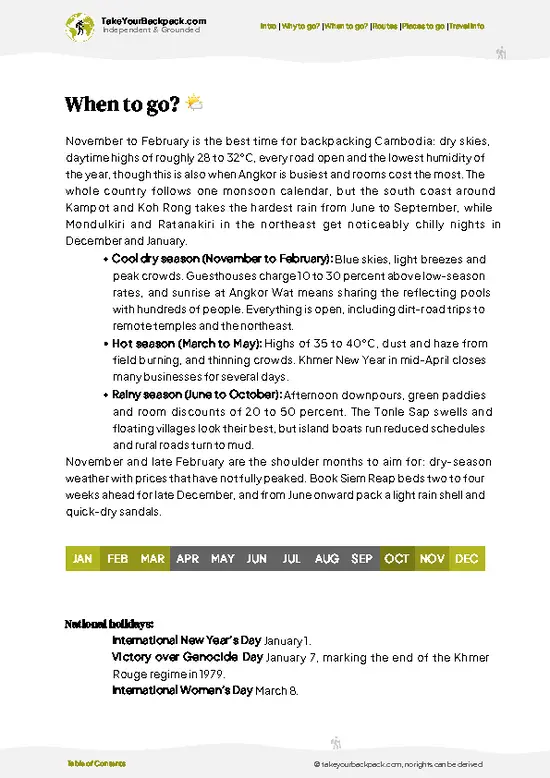
1. The Prison Cells—Raw, Unfiltered History
Forget the Instagram filters. The cells at Tuol Sleng are as real as it gets—cramped brick and wooden enclosures, some barely wide enough to turn around in. The air is heavy with the memory of suffering, and the chipped paint and rusted shackles aren’t props. This is not a place for staged selfies. It’s a place to feel the gravity of what happened, to stand in the same space where thousands lost their freedom and, for most, their lives. The authenticity is unvarnished and, frankly, necessary.
2. The Mugshot Galleries—Faces You Can’t Forget
Rows upon rows of black-and-white portraits line the walls. These aren’t just statistics; they’re people—men, women, even children—photographed upon arrival, fear and confusion etched into their faces. It’s impossible … read more 👉
Forget the Instagram filters. The cells at Tuol Sleng are as real as it gets—cramped brick and wooden enclosures, some barely wide enough to turn around in. The air is heavy with the memory of suffering, and the chipped paint and rusted shackles aren’t props. This is not a place for staged selfies. It’s a place to feel the gravity of what happened, to stand in the same space where thousands lost their freedom and, for most, their lives. The authenticity is unvarnished and, frankly, necessary.
2. The Mugshot Galleries—Faces You Can’t Forget
Rows upon rows of black-and-white portraits line the walls. These aren’t just statistics; they’re people—men, women, even children—photographed upon arrival, fear and confusion etched into their faces. It’s impossible … read more 👉
1. The Prison Cells—Raw, Unfiltered History
Forget the Instagram filters. The cells at Tuol Sleng are as real as it gets—cramped brick and wooden enclosures, some barely wide enough to turn around in. The air is heavy with the memory of suffering, and the chipped paint and rusted shackles aren’t props. This is not a place for staged selfies. It’s a place to feel the gravity of what happened, to stand in the same space where thousands lost their freedom and, for most, their lives. The authenticity is unvarnished and, frankly, necessary.
2. The Mugshot Galleries—Faces You Can’t Forget
Rows upon rows of black-and-white portraits line the walls. These aren’t just statistics; they’re people—men, women, even children—photographed upon arrival, fear and confusion etched into their faces. It’s impossible to breeze past these images. They force you to confront the individual cost of the Khmer Rouge regime. No amount of digital storytelling can replicate the gut-punch of meeting these eyes in person.
3. The Interrogation Rooms—Chilling in Their Simplicity
Some rooms are left almost exactly as they were found: a single metal bed frame, a few tools, and a haunting photograph of the victim discovered there. There’s no melodrama, no over-the-top dramatization. The horror is in the starkness. This is the anti-theme park—no spectacle, just the cold mechanics of cruelty laid bare.
4. Survivor Testimonies—Humanizing the Horror
If you’re lucky, you might encounter a survivor sharing their story in person. These moments are rare and unscripted, but they cut through the abstraction of history like nothing else. Hearing a survivor recount their experience—sometimes quietly, sometimes with raw emotion—transforms the museum from a site of tragedy to a living act of remembrance and resilience.
5. The Rules Board—A Manifesto of Madness
Near the entrance, a board displays the original “rules” prisoners were forced to obey. The language is chilling in its bureaucratic absurdity—no laughing, no crying, no questions. It’s a snapshot of totalitarian logic at its most deranged, and it sets the tone for everything that follows inside. This isn’t just a relic; it’s a warning, written in plain sight.
Forget the Instagram filters. The cells at Tuol Sleng are as real as it gets—cramped brick and wooden enclosures, some barely wide enough to turn around in. The air is heavy with the memory of suffering, and the chipped paint and rusted shackles aren’t props. This is not a place for staged selfies. It’s a place to feel the gravity of what happened, to stand in the same space where thousands lost their freedom and, for most, their lives. The authenticity is unvarnished and, frankly, necessary.
2. The Mugshot Galleries—Faces You Can’t Forget
Rows upon rows of black-and-white portraits line the walls. These aren’t just statistics; they’re people—men, women, even children—photographed upon arrival, fear and confusion etched into their faces. It’s impossible to breeze past these images. They force you to confront the individual cost of the Khmer Rouge regime. No amount of digital storytelling can replicate the gut-punch of meeting these eyes in person.
3. The Interrogation Rooms—Chilling in Their Simplicity
Some rooms are left almost exactly as they were found: a single metal bed frame, a few tools, and a haunting photograph of the victim discovered there. There’s no melodrama, no over-the-top dramatization. The horror is in the starkness. This is the anti-theme park—no spectacle, just the cold mechanics of cruelty laid bare.
4. Survivor Testimonies—Humanizing the Horror
If you’re lucky, you might encounter a survivor sharing their story in person. These moments are rare and unscripted, but they cut through the abstraction of history like nothing else. Hearing a survivor recount their experience—sometimes quietly, sometimes with raw emotion—transforms the museum from a site of tragedy to a living act of remembrance and resilience.
5. The Rules Board—A Manifesto of Madness
Near the entrance, a board displays the original “rules” prisoners were forced to obey. The language is chilling in its bureaucratic absurdity—no laughing, no crying, no questions. It’s a snapshot of totalitarian logic at its most deranged, and it sets the tone for everything that follows inside. This isn’t just a relic; it’s a warning, written in plain sight.
Spotted a mistake or missing something? Contact us.

Foot Reflexology Massage

Phnom Penh Bike & Boat Sunset Tour / E-Bike Available

Watch Live Khmer Traditional boxing in Phnom Penh

Four Hand Relaxing Oil Massage

Oudong Mountain History and Pagoda Tour

Private Taxi Phnom Penh to Siem Reap Reliable Transfer

Private Taxi Transfer Phnom Penh to Sihanoukville

Phnom Penh Birding Experience and Brunch

Private taxi from Phnom Penh to Siem Reap - Angkor Best Driver


 Best Backpacking
.jpg) Hi, I’m Johan (Netherlands 🇳🇱), the creator of TakeYourBackpack. Over the past 3 decades, I’ve backpacked through 90+ countries across six continents, gaining extensive experience with independent travel, long-term trips, and overland routes.
Hi, I’m Johan (Netherlands 🇳🇱), the creator of TakeYourBackpack. Over the past 3 decades, I’ve backpacked through 90+ countries across six continents, gaining extensive experience with independent travel, long-term trips, and overland routes.