×

Cambodia🇰🇭 | regionsRatanakirivolcanic lakes, red earth trails, jungle plateaus | things to do and best time to go

Explore MondolkiriExplore Tonle Sap Lake

Backpacking in Ratanakiri
👀 For curious travelersregion ranked #5
By Johan Kruseman 🇳🇱 | Updated June 3, 2026

Most people only realize on the bus out of town that Ratanakiri is where they could’ve cheaply tested their “real Cambodia” limits before Laos or Vietnam crank the difficulty up. It’s tucked in Cambodia’s far northeast, up near the borders with Laos and Vietnam, a long haul from Phnom Penh and Siem Reap in every sense.

For backpackers, Ratanakiri is raw but not punishing. Banlung is your scruffy base: crater lakes you can actually swim in, red-dirt roads, cheap guesthouses, and easy access to jungle treks that still feel like you’re visiting people’s lives, not a theme park. It’s cheaper and far less touristed than Mondulkiri, with wilder-feeling forests but rougher transport and slower hops between villages. You trade nightlife and convenience for waterfalls, minority villages, and that “am I too early or too late here?” frontier vibe that Sihanoukville and Siem Reap lost years ago.

Discover everything you want to know in the 📖 Cambodia Travel Guide.


Get your Cambodia guide
90 ranked highlights, routes & tips, works offline (345 pages)
Loading the map 🌍
CLICK TO FILTER
cities
towns
villages
landmarks
national parks
hikes
beaches
attractions
festivals
regions
SHOW COUNTRY’S BESTSHOW ALL

✨ Why go?
Ranked #5 region in Cambodia
Why Ratanakiri should be on your travel list

Ratanakiri is a backpacker’s paradise in Cambodia, and here’s why savvy travelers flock there. First off, the variety of landscapes is mind-blowing. You’ve got lush jungles, serene lakes, and rolling hills all within a stone’s throw. This means you can dive into multiple experiences without the hassle of constant relocation.

Transport is a breeze. You can rent a motorbike or hop on a local bus, giving you the flexibility to explore at your own pace. Want to chase waterfalls one day and visit indigenous villages the next? Go for it!

What really sets Ratanakiri apart is the chance to mix nature and culture through slow travel. Spend a few days in a village, learn about traditional farming, or join a local family for dinner. This isn’t just sightseeing; it’s about connecting with the land … read more 👉
Ratanakiri is a backpacker’s paradise in Cambodia, and here’s why savvy travelers flock there. First off, the variety of landscapes is mind-blowing. You’ve got lush jungles, serene lakes, and rolling hills all within a stone’s throw. This means you can dive into multiple experiences without the hassle of constant relocation.

Transport is a breeze. You can rent a motorbike or hop on a local bus, giving you the flexibility to explore at your own pace. Want to chase waterfalls one day and visit indigenous villages the next? Go for it!

What really sets Ratanakiri apart is the chance to mix nature and culture through slow travel. Spend a few days in a village, learn about traditional farming, or join a local family for dinner. This isn’t just sightseeing; it’s about connecting with the land and its people.

So, if you’re looking to soak in the essence of Cambodia without the tourist trap vibe, Ratanakiri is your ticket. You’ll leave with stories that are as rich as the landscapes you’ve traversed.
Want to include Ratanakiri in your Cambodia route?
Create a personalized Cambodia itinerary that includes Ratanakiri and the places that fit your trip — based on your travel style, budget, and available time. Get your route in seconds.

Generate my trip

💡 HighlightsEssential experiences to have while visiting Ratanakiri

  • Yeak Laom Crater Lake — A near-perfect, emerald-blue volcanic crater right outside Banlung. The clear swim-ready water, a ring of jungle and a short path around the rim make it an easy, unforgettable half-day. It’s Ratanakiri’s signature spot for a reason: geological rarity plus tranquil local picnic vibes.
  • Ka Tieng (Katieng) Waterfall — A multi-tiered cascade with natural pools you can swim in and cliffy spots to sit and soak up the forest. Quieter than the main tourist falls in other provinces, the pools and surrounding trails feel properly wild in the rainy season.
  • Cha Ong Waterfall — A more secluded waterfall tucked into primary forest; it’s a short trek from a tiny village and often deserted. Good for a late-afternoon dip and to watch cloud forests change color as the sun drops.
read more 👉
  • Yeak Laom Crater Lake — A near-perfect, emerald-blue volcanic crater right outside Banlung. The clear swim-ready water, a ring of jungle and a short path around the rim make it an easy, unforgettable half-day. It’s Ratanakiri’s signature spot for a reason: geological rarity plus tranquil local picnic vibes.
  • Ka Tieng (Katieng) Waterfall — A multi-tiered cascade with natural pools you can swim in and cliffy spots to sit and soak up the forest. Quieter than the main tourist falls in other provinces, the pools and surrounding trails feel properly wild in the rainy season.
  • Cha Ong Waterfall — A more secluded waterfall tucked into primary forest; it’s a short trek from a tiny village and often deserted. Good for a late-afternoon dip and to watch cloud forests change color as the sun drops.
  • Virachey National Park (Ratanakiri section) — One of Cambodia’s biggest, least-developed rainforests. Day treks or multi-day walks from local guides will get you into remote jungle, wildlife-rich rivers and ethnic villages — the sort of landscape you won’t easily reproduce elsewhere in the country.
  • Banlung Market & Night Stalls — Not glamorous, but utterly alive: fresh jungle produce, grilled river fish, local coffee and stalls run by ethnic minorities. It’s the best place to sample regional flavors (and buy hand-rolled pottery, woven goods or raw gems straight from traders).
  • Ethnic minority village homestays (Jarai, Tampuen and Kreung) — Staying overnight in a longhouse or family home gives you real access to traditional foods, stilt-house architecture, rice-wine rituals and craft skills. It’s a cultural exchange more than a show — slow, earthy, and memorable when done respectfully.
  • Lumphat & the Sekong-river corridor (hidden gem) — Small, easy-to-miss riverside town that feels like the province before tourists arrived. Boat trips and riverbank walks here show riverine life, quiet fishing camps and good birding. If you want a low-traffic slice of Ratanakiri, this is it.
  • Ratanakiri gem pits and local cutting stalls (hidden gem) — The province has a long gem-mining tradition. Visiting small-scale pits and the local cutters in Banlung gives you a gritty, hands-on look at how stones (zircon, quartz, occasionally jasper) are extracted and shaped — not a jewelry mall experience, but authentic local industry.
  • Off-the-beaten crater lakes and viewpoint loops (hidden gem) — Beyond Yeak Laom there are smaller crater pools and forested viewpoints reachable by motorbike or a short walk. Locals know them; they’re quiet, scenic, and great for sunset if you want to escape the main crowds and explore by dirt track.
  • Village waterfalls and seasonal cascades above the main falls — Spend a day exploring the small cascades and shallow pools that dot the streams feeding the bigger falls. They’re often only reachable by foot or a short motorbike scramble, and you’ll get real privacy, local swimming spots and the chance to chat with villagers gathering herbs or fishing.
Spotted a mistake or missing something? Contact us.

Things to do near Ratanakiri

Ratings based on Tripadvisor reviews. When you book through this link, you support our work at no extra cost to you.

⌛️ 5 days5-day itinerary for Ratanakiri

Day 1: Banlung
You’re diving into the heart of Ratanakiri, and Banlung is your launchpad. The bus ride from Phnom Penh takes about 12 hours, so settle in for the long haul. This journey is a rite of passage; it sets the tone for your adventure. Once you arrive, the laid-back vibe of Banlung welcomes you. Grab a cold Angkor beer and soak in the local scene. The town is small, so everything is walkable. Use this day to acclimate and explore the local market.

Day 2: Yeak Laom Lake
Start your day early; the lake is a must-see. Rent a bike and ride the 6 km to Yeak Laom Lake. The ride is smooth, and the scenery is lush. Spend the day swimming or hiking the trails around the lake. This is where you can really feel the pulse of nature. The tranquility here is a stark contrast to the busyness … read more 👉
Day 1: Banlung
You’re diving into the heart of Ratanakiri, and Banlung is your launchpad. The bus ride from Phnom Penh takes about 12 hours, so settle in for the long haul. This journey is a rite of passage; it sets the tone for your adventure. Once you arrive, the laid-back vibe of Banlung welcomes you. Grab a cold Angkor beer and soak in the local scene. The town is small, so everything is walkable. Use this day to acclimate and explore the local market.

Day 2: Yeak Laom Lake
Start your day early; the lake is a must-see. Rent a bike and ride the 6 km to Yeak Laom Lake. The ride is smooth, and the scenery is lush. Spend the day swimming or hiking the trails around the lake. This is where you can really feel the pulse of nature. The tranquility here is a stark contrast to the busyness of Phnom Penh.

Day 3: Waterfalls and Villages
Today, you’ll want to hire a moto-taxi. The waterfalls—Kachanh and Bou Sra—are stunning, and the ride is half the fun. You’ll pass through local villages, giving you a glimpse into the daily lives of the indigenous communities. This is an off-path reward; the interaction with locals is enriching. Don’t rush; linger at the waterfalls and take it all in.

Day 4: Trekking
Book a guided trek to the Virachey National Park. This is where the real adventure begins. The trails can be challenging, but the payoff is immense. You’ll see wildlife and stunning landscapes that few tourists experience. The trek will take most of the day, so pack snacks and plenty of water.

Day 5: Return to Banlung
Wrap up your trip by returning to Banlung. Use this day to revisit your favorite spots or pick up some local crafts. Reflect on your journey as you prepare to head back to Phnom Penh.

The must-do day? Day 3. The waterfalls and village visits encapsulate the essence of Ratanakiri, blending adventure with cultural immersion. It’s the kind of experience that lingers long after you leave.
Turn your Ratanakiri visit into an Cambodia adventure
Build a complete Cambodia route with Ratanakiri, hidden gems, must-see destinations, and realistic travel times included.

Generate my trip

🌤️ When to go?Best time to visit Ratanakiri


  • Weather: The dry season from November to April is your golden window. Expect clear skies and trails that won’t turn into mud baths. The wet season (May to October) floods paths and waterfalls, which can be epic but tricky for backpackers.

  • Temperature: Daytime temps hover around 25-30°C (77-86°F) in the dry months—perfect for trekking without melting. The wet season cools things down a bit but adds humidity that can sap your energy fast.

  • Daylight Hours: Roughly 11-12 hours year-round, but the dry season’s consistent sun means you get reliable daylight for longer hikes and exploring without rushing.

  • Crowds: November to February sees a modest bump in visitors, mostly locals and regional travelers. It’s never overwhelming, but if you want near solitude, aim for shoulder months like March
read more 👉

  • Weather: The dry season from November to April is your golden window. Expect clear skies and trails that won’t turn into mud baths. The wet season (May to October) floods paths and waterfalls, which can be epic but tricky for backpackers.

  • Temperature: Daytime temps hover around 25-30°C (77-86°F) in the dry months—perfect for trekking without melting. The wet season cools things down a bit but adds humidity that can sap your energy fast.

  • Daylight Hours: Roughly 11-12 hours year-round, but the dry season’s consistent sun means you get reliable daylight for longer hikes and exploring without rushing.

  • Crowds: November to February sees a modest bump in visitors, mostly locals and regional travelers. It’s never overwhelming, but if you want near solitude, aim for shoulder months like March or April.

  • Seasonal Activities: Dry season unlocks jungle treks, waterfall swims, and visits to indigenous villages. The wet season offers lush landscapes and fewer tourists but limits access to some trails.

  • Price Fluctuations: Accommodation and tours peak slightly in the dry season but remain affordable compared to Cambodia’s hotspots. Off-season drops prices but expect some guesthouses to close.


Pro-tip: Arrive late November for the sweet spot—dry trails, manageable crowds, and prices that haven’t hit their peak yet. You’ll feel like you’ve cracked the code.


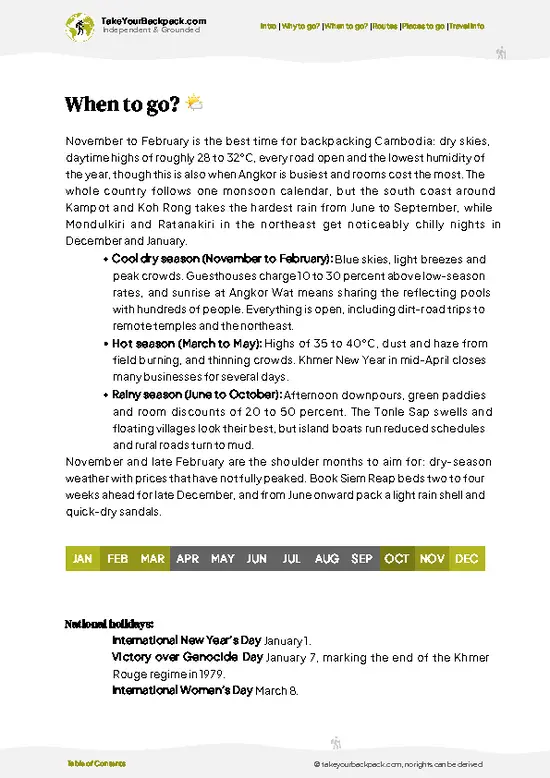
source: climatestotravel.comJANJanuary: excellent for travelingFEBFebruary: excellent for travelingMARMarch: highly recommended for travelingAPRApril: highly recommended for travelingMAYMay: fair for travelingJUNJune: fair for travelingJULJuly: fair for travelingAUGAugust: fair for travelingSEPSeptember: fair for travelingOCTOctober: fair for travelingNOVNovember: excellent for travelingDECDecember: excellent for traveling
when-to-go

✈️ The backpacker research shortcutCambodia Travel Guide

An offline-friendly backpacking guide with optimized travel routes, ranked highlights, transport advice, and the best areas to stay.
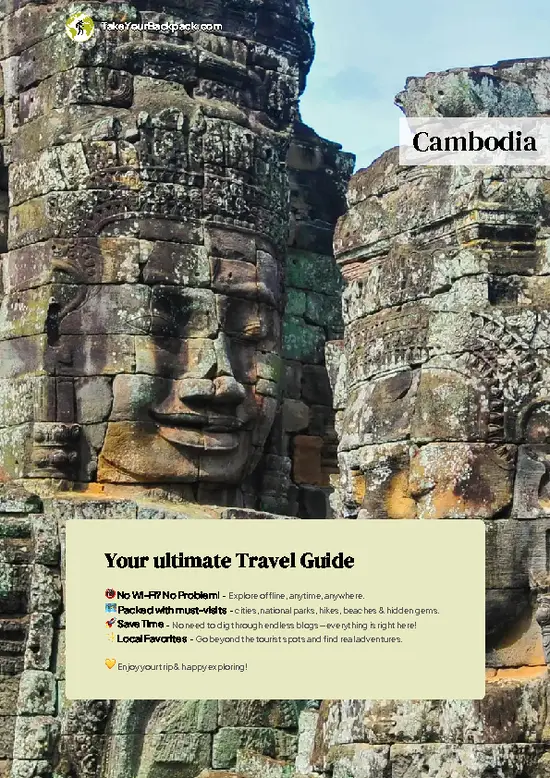
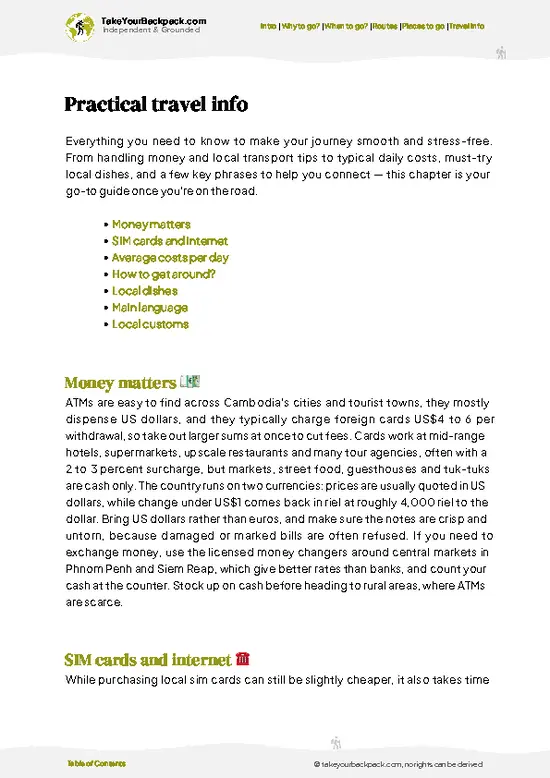
example page 0 from our offline Travel Guide for Cambodia
example page 1 from our offline Travel Guide for Cambodia
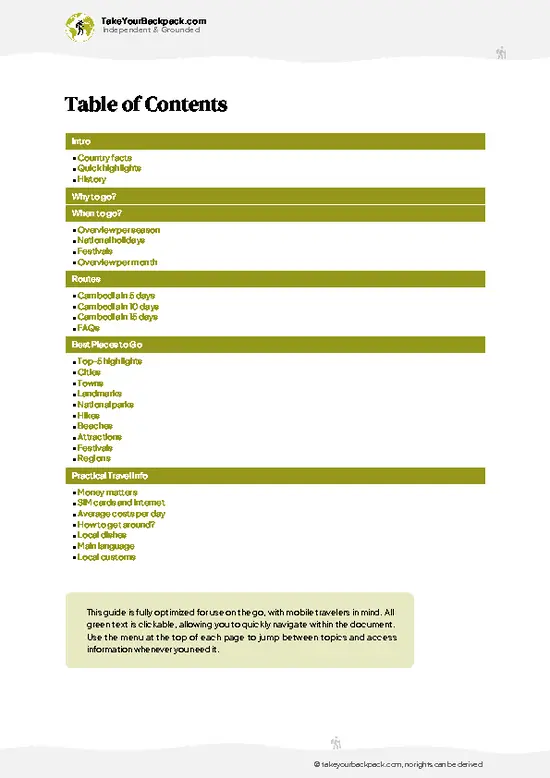
example page 2 from our offline Travel Guide for Cambodia
example page 3 from our offline Travel Guide for Cambodia
example page 4 from our offline Travel Guide for Cambodia
example page 5 from our offline Travel Guide for Cambodia
example page 6 from our offline Travel Guide for Cambodia
example page 7 from our offline Travel Guide for Cambodia
The digital guide (345 pages) contains:
90 highlights, ranked by travel appeal
Optimized 5, 10 & 15-day travel routes
Cities, national parks, landmarks, beaches
How to get around
Offline-friendly for travel without Wi-Fi
👉 Click to see all 30+ guide features

📅 Plan smarter in minutes, not weeks
Month by month travel advice
Festivals & national holidays
Budget expectations

🗺️ Go to the right places, skip the overrated ones
Honest pros & cons of destinations
Top hikes, parks & viewpoints
Lesser-known places most travelers miss
Clear “worth it vs skip it” guidance

🛏️ Travel smoothly without rookie mistakes
Best areas to stay
Transport systems explained simply
Common scams & safety advice
SIM cards, money & practical tips

🌍 Understand the country, not just visit it
Culture & traditions
52 Essential phrases & customs
Festivals worth planning around
Traveler-friendly historical context
Insights that make places more meaningful

📱 Built for real travel conditions
Fully downloadable PDF
Works completely offline
Optimized for phone use
Useful in remote areas & buses
Everything in one place
Save weeks of stressful planning
Get instant access to your full guide. 30‑day money-back guarantee.


By proceeding you agree to our terms.
Sent to your inbox immediately after payment • 100% Secure Checkout
Best Backpacking Travel Advisor 2025 tourism awardBest Backpacking
Travel Advisor
2025
What others say about Take Your Backpack Guides:
⭐⭐⭐⭐⭐
Fantastic, amazing amount of information!
⭐⭐⭐⭐⭐
My goodness this is amazing, it's what I've been looking for hats off too you!
⭐⭐⭐⭐⭐
I think this is absolutely BRILLIANT
⭐⭐⭐⭐
Very complete and informative. It's still missing places, but I gotta to commend you
⭐⭐⭐⭐⭐
This is truly amazing, thank you, can't wait to explore it with my kids!
⭐⭐⭐⭐⭐
Awesome resource, thank you!
⭐⭐⭐⭐⭐
This is amazing! Can't wait to explore the ones I haven't seen
⭐⭐⭐⭐
I love this! Well done, great idea.
⭐⭐⭐⭐⭐
Thanks for taking the time to make this gem!
⭐⭐⭐⭐⭐
This might be the best website I've ever seen.
⭐⭐⭐⭐⭐
Congratulations, and thank you so much for your work; it's incredibly valuable.
⭐⭐⭐⭐
In all seriousness I think you did a great job pointing out the important spots
⭐⭐⭐⭐⭐
10/10 very good
⭐⭐⭐⭐⭐
As someone who's only just starting to visit regularly this is awesome, thank you.
⭐⭐⭐⭐
Thank you very much! I'm going to visit my dad, it's going to be very useful!
⭐⭐⭐⭐⭐
This is really cool! We'll be travelling for the first time and this definitely come in handy.
⭐⭐⭐⭐⭐
You are now our minister of culture, congratulations 👨‍💼
⭐⭐⭐⭐⭐
Just wanted to tell you that this is a pearl! Going to follow your recommendations.
⭐⭐⭐⭐⭐
This is so cool. I'll definitely be using the resource for my travels soon.
⭐⭐⭐⭐⭐
This is very impressive! Good work.
⭐⭐⭐⭐⭐
This is an amazing and informative site. Very well done!

🛏️ Where to stay?Best areas to stay in Cambodia

Ratanakiri, Cambodia, is a treasure trove for backpackers, and knowing where to stay can make all the difference.

Start in Banlung, the capital. It’s the hub for travelers, buzzing with energy and a mix of locals and fellow adventurers. You’ll find plenty of cafes where you can swap stories over a cup of strong Khmer coffee. The nearby waterfalls and lakes are perfect for day trips, and the social scene here is vibrant enough to make friends easily.

Next, consider Lumphat. It’s quieter, but that’s part of its charm. You’ll get a taste of rural life, and the locals are welcoming. The nearby … read more 👉
Ratanakiri, Cambodia, is a treasure trove for backpackers, and knowing where to stay can make all the difference.

Start in Banlung, the capital. It’s the hub for travelers, buzzing with energy and a mix of locals and fellow adventurers. You’ll find plenty of cafes where you can swap stories over a cup of strong Khmer coffee. The nearby waterfalls and lakes are perfect for day trips, and the social scene here is vibrant enough to make friends easily.

Next, consider Lumphat. It’s quieter, but that’s part of its charm. You’ll get a taste of rural life, and the locals are welcoming. The nearby Virachey National Park offers stunning treks, and you can often find guides who are eager to share their knowledge. This area is ideal if you want to escape the crowds and immerse yourself in nature.

Lastly, check out O’Yadaw. It’s less traveled but offers a unique glimpse into the local culture. You’ll find homestays that let you connect with families, and the surrounding landscapes are breathtaking.

Each of these spots has its own vibe, so choose based on whether you want social buzz, tranquility, or cultural immersion.

🚌 Getting aroundHow to get from A to B

Ratanakiri is a wild card in Cambodia’s deck, where the rhythm of travel dances between the chaos of spontaneity and the gentle pull of nature. Here, schedules are more like suggestions, and the roads twist through lush jungles, often leading you to unexpected adventures. You’ll find yourself hopping on a motorbike, feeling the wind whip through your hair, or squeezing into a shared taxi, all while the sun dips low, casting a golden glow over the landscape. This isn’t a place for rigid itineraries; it’s about embracing the flow, letting the journey unfold as you go.


  • Motorbike Rentals - Renting a motorbike is the ultimate way to explore Ratanakiri. Prices hover around $5-$10 per day, and you can pick one up at various shops in Ban Lung. Just be sure to wear a helmet; the roads can be a bit
read more 👉
Ratanakiri is a wild card in Cambodia’s deck, where the rhythm of travel dances between the chaos of spontaneity and the gentle pull of nature. Here, schedules are more like suggestions, and the roads twist through lush jungles, often leading you to unexpected adventures. You’ll find yourself hopping on a motorbike, feeling the wind whip through your hair, or squeezing into a shared taxi, all while the sun dips low, casting a golden glow over the landscape. This isn’t a place for rigid itineraries; it’s about embracing the flow, letting the journey unfold as you go.


  • Motorbike Rentals - Renting a motorbike is the ultimate way to explore Ratanakiri. Prices hover around $5-$10 per day, and you can pick one up at various shops in Ban Lung. Just be sure to wear a helmet; the roads can be a bit unpredictable. Fuel is cheap, and you can zip around at your own pace, stopping wherever the scenery calls.


  • Shared Taxis (Sangtheaws) - These colorful, open-air vehicles are a staple for getting between towns. Expect to pay around $3-$5 for a ride to places like Virachey National Park. They usually run from early morning until late afternoon, but don’t be surprised if you wait a bit for them to fill up. It’s a great way to meet locals and fellow travelers.


  • Private Taxis - If you’re looking for comfort and speed, a private taxi is your best bet. Prices can range from $20-$30 for longer trips, like to the waterfalls or remote villages. You’ll have the luxury of setting your own schedule, but it’s a splurge compared to other options. Just negotiate the fare upfront.


  • Bicycle Rentals - For the eco-conscious traveler, renting a bicycle is a fantastic way to soak in the scenery. Prices are around $2-$5 per day. It’s a leisurely way to explore the area, but be prepared for some hilly terrain. Bring plenty of water and snacks!


  • Local Buses - If you’re feeling adventurous, hop on a local bus for a true Cambodian experience. Fares are usually less than $2, but schedules can be erratic. They’re not the fastest option, but you’ll get a taste of local life and maybe even some impromptu entertainment along the way.


For a master tactical tip: always ask locals about the best times to travel. They’ll know when the shared taxis are most likely to fill up or when the roads are less crowded. This insider knowledge can save you time and ensure you’re riding with the flow of Ratanakiri’s unique vibe.

🍲 FoodEating & Drinking in Ratanakiri

In Ratanakiri, food is a vibrant tapestry of flavors and experiences. You can’t miss the amok, a fragrant curry steamed in banana leaves, often made with fish or chicken. The bamboo sticky rice is a must-try, cooked right in the bamboo itself, giving it a smoky flavor that’s hard to forget. Pair that with a refreshing glass of sugarcane juice—sweet, cool, and perfect after a day of trekking.

For a true local vibe, hit up the night markets. The air is thick with the smell of grilled meats and spices. Street vendors serve up lok lak, a stir-fried beef dish that’s tender and savory, often accompanied by rice and a tangy dipping sauce. Don’t shy away from the fresh fruit stalls either; the tropical fruits here are juicy and bursting with flavor.

Dining customs are relaxed but communal. Expect … read more 👉
In Ratanakiri, food is a vibrant tapestry of flavors and experiences. You can’t miss the amok, a fragrant curry steamed in banana leaves, often made with fish or chicken. The bamboo sticky rice is a must-try, cooked right in the bamboo itself, giving it a smoky flavor that’s hard to forget. Pair that with a refreshing glass of sugarcane juice—sweet, cool, and perfect after a day of trekking.

For a true local vibe, hit up the night markets. The air is thick with the smell of grilled meats and spices. Street vendors serve up lok lak, a stir-fried beef dish that’s tender and savory, often accompanied by rice and a tangy dipping sauce. Don’t shy away from the fresh fruit stalls either; the tropical fruits here are juicy and bursting with flavor.

Dining customs are relaxed but communal. Expect to share dishes, so dive in with your friends or fellow travelers. Use your right hand for eating—it’s a local norm. And if you’re invited to someone’s home, bring a small gift; it’s a gesture that goes a long way. Embrace the flavors, the warmth, and the stories behind each dish. You’re not just eating; you’re part of a community.

Other Cambodian regions near Ratanakiri

Explore more nearby:

  • Mondolkiri—rolling hills, waterfalls, indigenous villages| 80 km away
  • Tonle Sap Lake—floating villages, seasonal floodplains, freshwater fisheries| 277 km away
  • King Island—rural villages, rice paddies, Mekong river views| 498 km away

💡 Not sure where to go next?
Create a personalized itinerary for Cambodia including Ratanakiri and the places that fit your trip.

Generate my itinerary

👉 Discover all regions

Or checkout all Cambodia has to offer (think cities, towns, villages, national parks, hikes, beaches, festivals)
Country photo of Cambodia

We 💚 feedbackSumming up the experience

Ratanakiri is a wild card in Cambodia’s deck. The vibe? Raw and unfiltered. You’ll find yourself sipping local rice wine under a star-studded sky, surrounded by friendly faces. The best surprise? The waterfalls—especially the ones you can swim in. Just a heads-up: the roads can be rough, so brace yourself for a bumpy ride. But that’s part of the charm. Embrace the chaos, and you’ll leave with stories that outshine any postcard.

✍️ Help improve this page!
The information on this page is based on in-depth research, insights shared by experienced travelers, and feedback from the local travel community in Cambodia. While every effort is made to keep the information accurate and current, conditions can change — so if you spot anything incorrect or outdated, please get in touch.


🙋‍♂️ Give feedback

👋 Meet the founderWho’s Behind Take Your Backpack?

Johan, backpacker and founder of TakeYourBackpackHi, I’m Johan (Netherlands 🇳🇱), the creator of TakeYourBackpack. Over the past decade, I’ve backpacked through 80+ countries across six continents, gaining extensive experience with independent travel, long-term trips, and overland routes.

This site is built on a combination of firsthand travel experience and carefully curated insights from other backpackers. Many guides are based on places I’ve personally visited, while others bring together tips, observations, and practical advice shared by trusted travelers I’ve met along the way.

The goal is to provide realistic, experience-driven guidance — not generic itineraries — so you can explore destinations with better context, clearer expectations, and more confidence.

Get full Cambodia guide •
Instant download • 90 highlights • Full Offline guide