×

Cameroon🇨🇲 | regionsNgong Hillswind-swept ridges, panoramic viewpoints, grassy slopes, scattered boulders | things to do and best time to go

Explore Bamenda HighlandsExplore Bafang

Backpacking in Ngong Hills
By Johan Kruseman 🇳🇱 | Updated June 4, 2026

Ngong Hills used to be the kind of place you’d stumble into by accident—just you, the wind, and a few herders eyeing you with mild curiosity. Fast-forward to today: the secret’s out, and weekends bring a trickle of city escapees, but you’ll still find more goats than tourists. Tucked in Cameroon’s north, Ngong Hills is raw, green, and honest—think rolling grasslands, scattered villages, and a pace that laughs at city clocks. It’s cheap, transport is patchy, and the vibe is refreshingly unpolished compared to the busier Adamawa Plateau. If you want real, this is it.

Discover everything you want to know in the 📖 Cameroon Travel Guide.


Get your Cameroon guide
95 ranked highlights, routes & tips, works offline (383 pages)
Loading the map 🌍
CLICK TO FILTER
cities
towns
landmarks
national parks
hikes
beaches
attractions
festivals
regions
SHOW COUNTRY’S BESTSHOW ALL

✨ Why go?
Ranked #99 region in Cameroon
What makes it a must-see region

In the Ngong Hills of Cameroon, backpackers find a sweet spot where nature and culture collide. You can hike through lush forests, stroll past tea plantations, and soak in panoramic views without the hassle of constant relocation. This region offers a variety of landscapes that keep your adventure fresh.

Transport is flexible here. You can hop on a bush taxi or rent a bike to explore at your own pace. This means you can easily mix in visits to local villages or markets, enriching your experience without feeling rushed.

The beauty of slow travel shines in Ngong Hills. You can savor a cup of locally grown tea while chatting with farmers, or take a leisurely hike to catch the sunset. Each moment feels intentional, not just another tick on your travel checklist.

By choosing Ngong Hills, … read more 👉
In the Ngong Hills of Cameroon, backpackers find a sweet spot where nature and culture collide. You can hike through lush forests, stroll past tea plantations, and soak in panoramic views without the hassle of constant relocation. This region offers a variety of landscapes that keep your adventure fresh.

Transport is flexible here. You can hop on a bush taxi or rent a bike to explore at your own pace. This means you can easily mix in visits to local villages or markets, enriching your experience without feeling rushed.

The beauty of slow travel shines in Ngong Hills. You can savor a cup of locally grown tea while chatting with farmers, or take a leisurely hike to catch the sunset. Each moment feels intentional, not just another tick on your travel checklist.

By choosing Ngong Hills, you’re not just sacrificing time or comfort; you’re investing in high-value experiences that connect you deeply with the land and its people. This is where you’ll find the soul of Cameroon, and trust me, it’s worth every minute.
Want to include Ngong Hills in your Cameroon route?
Create a personalized Cameroon itinerary that includes Ngong Hills and the places that fit your trip — based on your travel style, budget, and available time. Get your route in seconds.

Generate my trip

💡 HighlightsTop highlights of Ngong Hills

  1. Ngong Hills ridge hike (the four summits) — A 6-8 km ridgeline walk that crosses four distinct peaks, offering sweeping views over the Great Rift Valley and Nairobi. The trail is a classic day-hike: grassy slopes, exposed ridgewalks, and panoramic photo spots that are uniquely dramatic at sunrise or when clouds sit in the valley below.
  2. Ngong Forest Reserve — The remnant forest that flanks the hills, full of shaded trails, small streams and good birding. It’s where the ridge meets real woodland: you’ll find sunbirds, hornbills and native trees, plus peaceful undergrowth trails that contrast with the exposed ridge above.
  3. Ngong Hills Wind Farm (turbine ridge) — Rows of wind turbines along the ridge make for an iconic skyline and a striking contrast between landscape and clean energy infrastructure.
read more 👉
  1. Ngong Hills ridge hike (the four summits) — A 6-8 km ridgeline walk that crosses four distinct peaks, offering sweeping views over the Great Rift Valley and Nairobi. The trail is a classic day-hike: grassy slopes, exposed ridgewalks, and panoramic photo spots that are uniquely dramatic at sunrise or when clouds sit in the valley below.
  2. Ngong Forest Reserve — The remnant forest that flanks the hills, full of shaded trails, small streams and good birding. It’s where the ridge meets real woodland: you’ll find sunbirds, hornbills and native trees, plus peaceful undergrowth trails that contrast with the exposed ridge above.
  3. Ngong Hills Wind Farm (turbine ridge) — Rows of wind turbines along the ridge make for an iconic skyline and a striking contrast between landscape and clean energy infrastructure. Hike up onto the ridge and you can walk past the turbines for dramatic photos and unique views of the valley below.
  4. Kiserian market and local eats (hidden gem) — The bustling market at the hills’ foothills is where locals shop and eat. Fresh produce, grilled meats and small stalls selling beadwork give a real-grounded taste of daily life around the Ngong Hills. It’s the best place to try local street food after a morning hike.
  5. Maasai bomas and cultural visits (hidden gem) — Small Maasai homesteads on the southern slopes host informal cultural visits: traditional beadwork demonstrations, jumping dances and short walks with herders. These community visits are intimate, authentic and different from staged tourist shows—you’ll meet people who actually live on the hills.
  6. Quiet sundowner ridges and stargazing points (hidden gem) — Off the main trail there are lesser-used westward knobs and saddles that catch the sunset without the daytime crowds. Those spots turn into excellent stargazing benches after dark, with minimal light pollution and an uninterrupted horizon over the Rift.
Spotted a mistake or missing something? Contact us.

Things to do near Ngong Hills

Ratings based on Tripadvisor reviews. When you book through this link, you support our work at no extra cost to you.

⌛️ 5 daysSeeing the highlights in 5 days

Day 1: Limbe


Start your journey in Limbe, a coastal town that serves as a gateway to the Ngong Hills. The vibe here is laid-back, with fresh seafood and warm locals. Spend your day acclimating and exploring the beaches. The transport system is a mix of shared taxis and buses, so getting around is straightforward. This day sets the tone for your adventure, allowing you to ease into the local rhythm.

Day 2: Buea


Travel to Buea, just a short ride from Limbe. This town is the base for Mount Cameroon hikes, but it’s also a cultural hub. Spend the day visiting local markets and enjoying the views of the mountain. The shared taxis here are frequent, making it easy to hop around. This day is all about soaking in the local culture and preparing for the hills ahead.

Day 3: Ngong Hills


Head to … read more 👉

Day 1: Limbe


Start your journey in Limbe, a coastal town that serves as a gateway to the Ngong Hills. The vibe here is laid-back, with fresh seafood and warm locals. Spend your day acclimating and exploring the beaches. The transport system is a mix of shared taxis and buses, so getting around is straightforward. This day sets the tone for your adventure, allowing you to ease into the local rhythm.

Day 2: Buea


Travel to Buea, just a short ride from Limbe. This town is the base for Mount Cameroon hikes, but it’s also a cultural hub. Spend the day visiting local markets and enjoying the views of the mountain. The shared taxis here are frequent, making it easy to hop around. This day is all about soaking in the local culture and preparing for the hills ahead.

Day 3: Ngong Hills


Head to the Ngong Hills early in the morning. The transport options are limited, so plan to catch a bus or arrange a ride. Once you arrive, the cool air and lush landscapes will take your breath away. Spend the day hiking the trails and enjoying the panoramic views. This is where the magic happens, and you’ll feel the effort is worth every step.

Day 4: Off-Path Reward - Bafut


Take a detour to Bafut, a village known for its rich history and traditional architecture. The journey involves a bit of extra travel time, but the experience of visiting the Bafut Palace and interacting with the locals is invaluable. This off-path reward adds depth to your trip, enriching your understanding of the region.

Day 5: Return to Limbe


Wrap up your adventure by returning to Limbe. Reflect on your experiences while enjoying a final meal by the beach. The transport back is straightforward, allowing you to savor the last moments of your trip without stress.

The must-do day? Day 3 in the Ngong Hills. It’s the heart of your journey, where nature and adventure collide, making every effort worthwhile.
Turn your Ngong Hills visit into an Cameroon adventure
Build a complete Cameroon route with Ngong Hills, hidden gems, must-see destinations, and realistic travel times included.

Generate my trip

🌤️ When to go?Choosing the right time of year


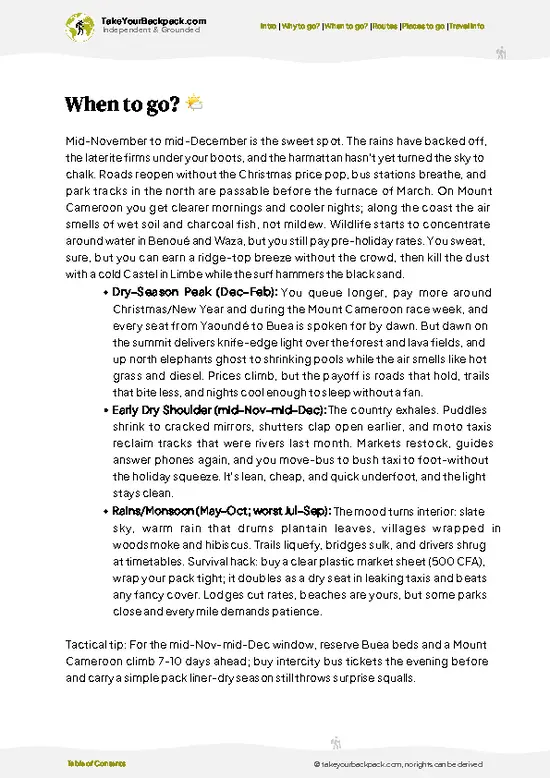
  • Weather: The dry season from November to February is your best bet—clear skies and minimal rain make hiking the Ngong Hills a breeze. Avoid the heavy rains of March to October, which turn trails into mudslides.

  • Temperature: Expect cool mornings around 15°C (59°F) and afternoons warming to 25°C (77°F) during the dry months. The rainy season chills things down a bit, but humidity spikes.

  • Daylight Hours: Roughly 11 to 12 hours year-round, but the dry season offers more consistent daylight for longer treks without the threat of sudden downpours.

  • Crowds: Peak dry season draws local weekend hikers, but it’s never overwhelming. The rainy months see fewer visitors, giving you near solitude if you don’t mind the mud.

  • Seasonal Activities: Dry months are perfect for paragliding and trail running
read more 👉

  • Weather: The dry season from November to February is your best bet—clear skies and minimal rain make hiking the Ngong Hills a breeze. Avoid the heavy rains of March to October, which turn trails into mudslides.

  • Temperature: Expect cool mornings around 15°C (59°F) and afternoons warming to 25°C (77°F) during the dry months. The rainy season chills things down a bit, but humidity spikes.

  • Daylight Hours: Roughly 11 to 12 hours year-round, but the dry season offers more consistent daylight for longer treks without the threat of sudden downpours.

  • Crowds: Peak dry season draws local weekend hikers, but it’s never overwhelming. The rainy months see fewer visitors, giving you near solitude if you don’t mind the mud.

  • Seasonal Activities: Dry months are perfect for paragliding and trail running events. The rainy season is quieter, great if you want to soak in the lush greenery without distractions.

  • Price Fluctuations: Accommodation and transport costs spike slightly during the dry season due to demand. Off-season offers better deals but comes with weather trade-offs.


Pro-tip: Hit the Ngong Hills just after the first rains in November—trails are fresh, crowds are light, and prices haven’t peaked yet.


source: climatestotravel.comJANJanuary: excellent for travelingFEBFebruary: excellent for travelingMARMarch: fair for travelingAPRApril: fair for travelingMAYMay: fair for travelingJUNJune: fair for travelingJULJuly: fair for travelingAUGAugust: fair for travelingSEPSeptember: fair for travelingOCTOctober: fair for travelingNOVNovember: highly recommended for travelingDECDecember: excellent for traveling
when-to-go

✈️ The backpacker research shortcutCameroon Travel Guide

An offline-friendly backpacking guide with optimized travel routes, ranked highlights, transport advice, and the best areas to stay.
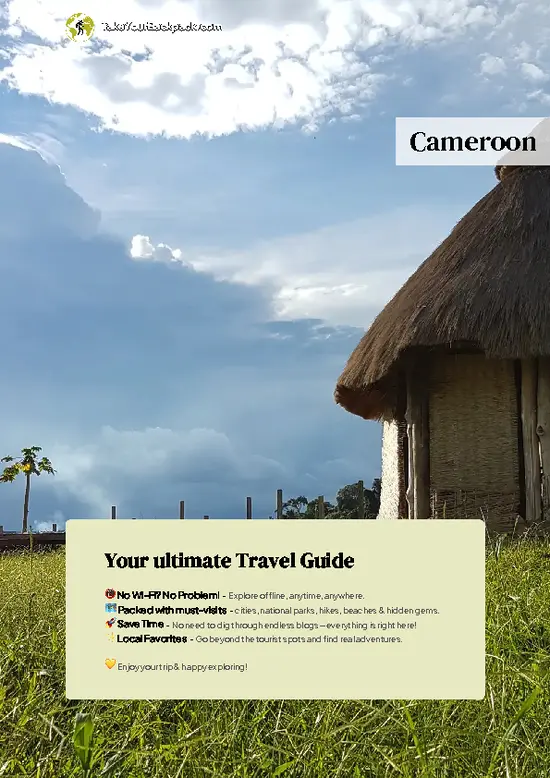
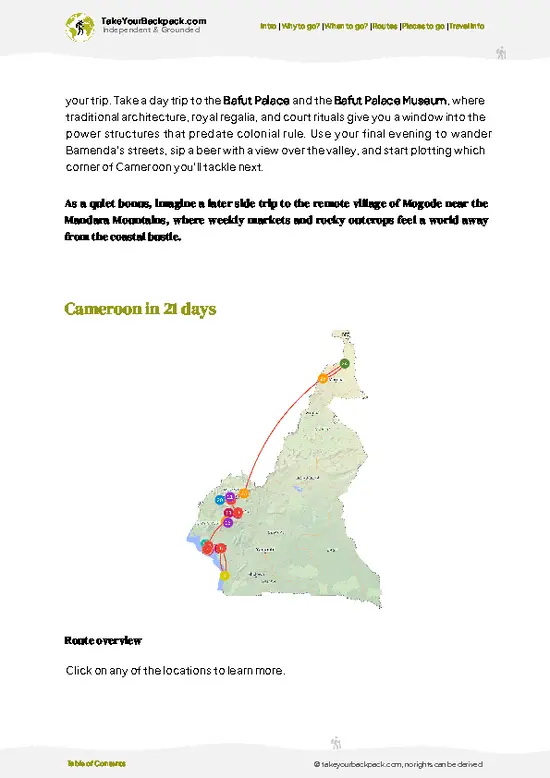
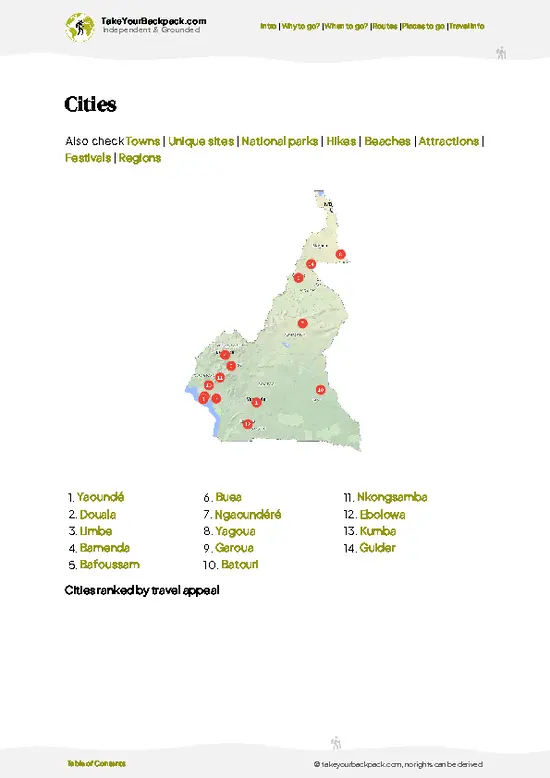
example page 0 from our offline Travel Guide for Cameroon
example page 1 from our offline Travel Guide for Cameroon
example page 2 from our offline Travel Guide for Cameroon
example page 3 from our offline Travel Guide for Cameroon
example page 4 from our offline Travel Guide for Cameroon
example page 5 from our offline Travel Guide for Cameroon
example page 6 from our offline Travel Guide for Cameroon
example page 7 from our offline Travel Guide for Cameroon
The digital guide (383 pages) contains:
95 highlights, ranked by travel appeal
Optimized 7, 14 & 21-day travel routes
Cities, national parks, landmarks, beaches
How to get around
Offline-friendly for travel without Wi-Fi
👉 Click to see all 30+ guide features

📅 Plan smarter in minutes, not weeks
Month by month travel advice
Festivals & national holidays
Budget expectations

🗺️ Go to the right places, skip the overrated ones
Honest pros & cons of destinations
Top hikes, parks & viewpoints
Lesser-known places most travelers miss
Clear “worth it vs skip it” guidance

🛏️ Travel smoothly without rookie mistakes
Best areas to stay
Transport systems explained simply
Common scams & safety advice
SIM cards, money & practical tips

🌍 Understand the country, not just visit it
Culture & traditions
52 Essential phrases & customs
Festivals worth planning around
Traveler-friendly historical context
Insights that make places more meaningful

📱 Built for real travel conditions
Fully downloadable PDF
Works completely offline
Optimized for phone use
Useful in remote areas & buses
Everything in one place
Save weeks of stressful planning
Get instant access to your full guide. 30‑day money-back guarantee.


By proceeding you agree to our terms.
Sent to your inbox immediately after payment • 100% Secure Checkout
Best Backpacking Travel Advisor 2025 tourism awardBest Backpacking
Travel Advisor
2025
What others say about Take Your Backpack Guides:
⭐⭐⭐⭐⭐
Fantastic, amazing amount of information!
⭐⭐⭐⭐⭐
My goodness this is amazing, it's what I've been looking for hats off too you!
⭐⭐⭐⭐⭐
I think this is absolutely BRILLIANT
⭐⭐⭐⭐
Very complete and informative. It's still missing places, but I gotta to commend you
⭐⭐⭐⭐⭐
This is truly amazing, thank you, can't wait to explore it with my kids!
⭐⭐⭐⭐⭐
Awesome resource, thank you!
⭐⭐⭐⭐⭐
This is amazing! Can't wait to explore the ones I haven't seen
⭐⭐⭐⭐
I love this! Well done, great idea.
⭐⭐⭐⭐⭐
Thanks for taking the time to make this gem!
⭐⭐⭐⭐⭐
This might be the best website I've ever seen.
⭐⭐⭐⭐⭐
Congratulations, and thank you so much for your work; it's incredibly valuable.
⭐⭐⭐⭐
In all seriousness I think you did a great job pointing out the important spots
⭐⭐⭐⭐⭐
10/10 very good
⭐⭐⭐⭐⭐
As someone who's only just starting to visit regularly this is awesome, thank you.
⭐⭐⭐⭐
Thank you very much! I'm going to visit my dad, it's going to be very useful!
⭐⭐⭐⭐⭐
This is really cool! We'll be travelling for the first time and this definitely come in handy.
⭐⭐⭐⭐⭐
You are now our minister of culture, congratulations 👨‍💼
⭐⭐⭐⭐⭐
Just wanted to tell you that this is a pearl! Going to follow your recommendations.
⭐⭐⭐⭐⭐
This is so cool. I'll definitely be using the resource for my travels soon.
⭐⭐⭐⭐⭐
This is very impressive! Good work.
⭐⭐⭐⭐⭐
This is an amazing and informative site. Very well done!

🛏️ Where to stay?Best areas to stay in Cameroon

When you hit the Ngong Hills in Cameroon, you’ll want to know where to lay your head without breaking the bank. Let’s dive into the best spots for backpackers that balance safety, social vibes, and budget-friendly options.

Start in Buea. This town is a backpacker’s dream. It’s lively, with a mix of students and travelers. The atmosphere is electric, especially around the local markets. You’ll find plenty of cheap eats and a chance to mingle with fellow adventurers. Plus, it’s a great base for hikes up Mount Cameroon.

Next up is Limbe. This coastal town offers a laid-back vibe. Think beach bonfires … read more 👉
When you hit the Ngong Hills in Cameroon, you’ll want to know where to lay your head without breaking the bank. Let’s dive into the best spots for backpackers that balance safety, social vibes, and budget-friendly options.

Start in Buea. This town is a backpacker’s dream. It’s lively, with a mix of students and travelers. The atmosphere is electric, especially around the local markets. You’ll find plenty of cheap eats and a chance to mingle with fellow adventurers. Plus, it’s a great base for hikes up Mount Cameroon.

Next up is Limbe. This coastal town offers a laid-back vibe. Think beach bonfires and fresh seafood. It’s safe and welcoming, perfect for solo travelers. The waterfront is a social hub, where you can swap stories with other backpackers.

Don’t overlook Dschang. Nestled in the hills, it’s a bit quieter but rich in culture. The local community is friendly, and you’ll find affordable guesthouses. It’s an ideal spot for those looking to escape the hustle and connect with nature.

Each of these places has its own charm. Choose based on what you crave—whether it’s social buzz or serene landscapes. You’ll leave with stories worth telling.

🚌 Getting aroundMoving around without the hassle

Ngong Hills in Cameroon is a wild dance of nature and spontaneity. Here, the air is thick with the scent of pine and the sound of laughter, where schedules are more of a suggestion than a rule. You’ll find yourself swept up in the rhythm of the hills, where transport options flow like the winding paths that carve through the landscape. It’s a place where you can plan your day, but be ready to embrace the unexpected. Whether you’re hitching a ride with a local or catching a shared taxi, the journey is as much a part of the experience as the destination itself.


  • Shared Taxis: These are your best bet for getting around. They run frequently, usually from dawn until around 7 PM. Expect to pay about 500-1,000 CFA depending on your destination. They’re quick, crammed, and a bit chaotic, but you’ll
read more 👉
Ngong Hills in Cameroon is a wild dance of nature and spontaneity. Here, the air is thick with the scent of pine and the sound of laughter, where schedules are more of a suggestion than a rule. You’ll find yourself swept up in the rhythm of the hills, where transport options flow like the winding paths that carve through the landscape. It’s a place where you can plan your day, but be ready to embrace the unexpected. Whether you’re hitching a ride with a local or catching a shared taxi, the journey is as much a part of the experience as the destination itself.


  • Shared Taxis: These are your best bet for getting around. They run frequently, usually from dawn until around 7 PM. Expect to pay about 500-1,000 CFA depending on your destination. They’re quick, crammed, and a bit chaotic, but you’ll get a taste of local life.


  • Buses: Larger buses connect Ngong Hills to major towns like Buea and Limbe. They leave when full, which can mean waiting a while, but the price is right at about 1,500 CFA. The ride is slower, taking about an hour, but you’ll enjoy the scenery along the way.


  • Bicycle Rentals: If you’re feeling adventurous, rent a bike for around 2,000 CFA a day. It’s a fantastic way to explore the hills at your own pace. Just be prepared for some steep climbs and a workout that’ll leave you breathless—literally and figuratively.


  • Motorbike Taxis (Okadas): For a bit of thrill, hop on an Okada. They’re available throughout the region and can whisk you away for about 1,000 CFA. Just hold on tight; these guys know how to navigate the twists and turns like pros.


  • Walking: Don’t underestimate the power of your own two feet. The trails are well-marked, and walking is free. Plus, it allows you to soak in the stunning views and interact with locals along the way.


For a master tactical tip: always negotiate your fare before getting in any taxi or motorbike. It’s a small but crucial step that can save you from overpaying and make you feel like a savvy local. Embrace the chaos, and let the hills guide you!

🍲 FoodLocal Flavors for Backpackers

In the Ngong Hills, food is a celebration of local flavors and community. You’ll want to dive into ndole, a rich stew made from bitter leaves, groundnuts, and fish or meat. The earthy aroma wafts through the air, drawing you into bustling markets where vendors proudly display their wares. Pair that with plantains fried to golden perfection, and you’re in for a treat.

Street food is where the magic happens. Grab a suya skewer—spicy, grilled meat seasoned with a secret blend of spices. The smoky flavor dances on your palate, and you can’t help but smile as you watch locals gather around, sharing stories and laughter. Don’t miss out on fufu, a starchy staple that’s perfect for soaking up all those delicious sauces.

For drinks, seek out palm wine. It’s sweet, slightly effervescent, and best … read more 👉
In the Ngong Hills, food is a celebration of local flavors and community. You’ll want to dive into ndole, a rich stew made from bitter leaves, groundnuts, and fish or meat. The earthy aroma wafts through the air, drawing you into bustling markets where vendors proudly display their wares. Pair that with plantains fried to golden perfection, and you’re in for a treat.

Street food is where the magic happens. Grab a suya skewer—spicy, grilled meat seasoned with a secret blend of spices. The smoky flavor dances on your palate, and you can’t help but smile as you watch locals gather around, sharing stories and laughter. Don’t miss out on fufu, a starchy staple that’s perfect for soaking up all those delicious sauces.

For drinks, seek out palm wine. It’s sweet, slightly effervescent, and best enjoyed fresh from the source. You’ll find it at roadside stands, where the atmosphere is relaxed and welcoming.

Dining here is casual and communal. Expect to share dishes, and don’t be surprised if someone insists you try a bite of their meal. It’s all about connection. Just remember, it’s polite to greet your hosts and share a smile; it’s the unspoken rule that makes every meal feel like a family gathering.

Expanding your trip beyond this stop

Ngong Hills isn’t the only highlight in Cameroon. Explore all what Cameroon has to offer.
Country photo of Cameroon

We 💚 feedbackIs it worth it?

Ngong Hills is a breath of fresh air—literally. The cool breeze and lush scenery make it feel like a secret escape from the heat of the city. Don’t miss the local street food; the grilled corn is a game-changer. Just a heads-up: the trails can get muddy after rain, so pack sturdy shoes. Embrace the mist rolling in; it adds a mystical vibe that’s hard to shake off. Trust me, you’ll leave feeling rejuvenated and a bit more connected to nature.

✍️ Help improve this page!
The information on this page is based on in-depth research, insights shared by experienced travelers, and feedback from the local travel community in Cameroon. While every effort is made to keep the information accurate and current, conditions can change — so if you spot anything incorrect or outdated, please get in touch.


🙋‍♂️ Give feedback

👋 Meet the founderWho’s Behind Take Your Backpack?

Johan, backpacker and founder of TakeYourBackpackHi, I’m Johan (Netherlands 🇳🇱), the creator of TakeYourBackpack. Over the past decade, I’ve backpacked through 80+ countries across six continents, gaining extensive experience with independent travel, long-term trips, and overland routes.

This site is built on a combination of firsthand travel experience and carefully curated insights from other backpackers. Many guides are based on places I’ve personally visited, while others bring together tips, observations, and practical advice shared by trusted travelers I’ve met along the way.

The goal is to provide realistic, experience-driven guidance — not generic itineraries — so you can explore destinations with better context, clearer expectations, and more confidence.

Get full Cameroon guide •
Instant download • 95 highlights • Full Offline guide