×

Canada🇨🇦 | townsNanaimoNanaimo bar trail, Newcastle Island loop, harbor seawall, coal museum | things to do and best time to go

Explore FernieExplore Moncton

Backpacking in Nanaimo
👍 Recommendedtown ranked #17
By Johan Kruseman 🇳🇱 | Updated October 23, 2026

Nanaimo is known for the Nanaimo bar, and the city has a marked Nanaimo Bar Trail with dozens of bakeries and cafés serving their own versions. It sits on Vancouver Island’s east coast in British Columbia, Canada. I expected a gray ferry town and found a working harbor with kayaks and seaplanes. Most travelers arrive by ferry, so smart ones skip the car and walk the seawall. Hostels are few, evenings are quiet, and you meet people on dive boats. A first day could mean coffee downtown, then the waterfront at dusk.

Discover everything you want to know in the 📖 Canada Travel Guide.


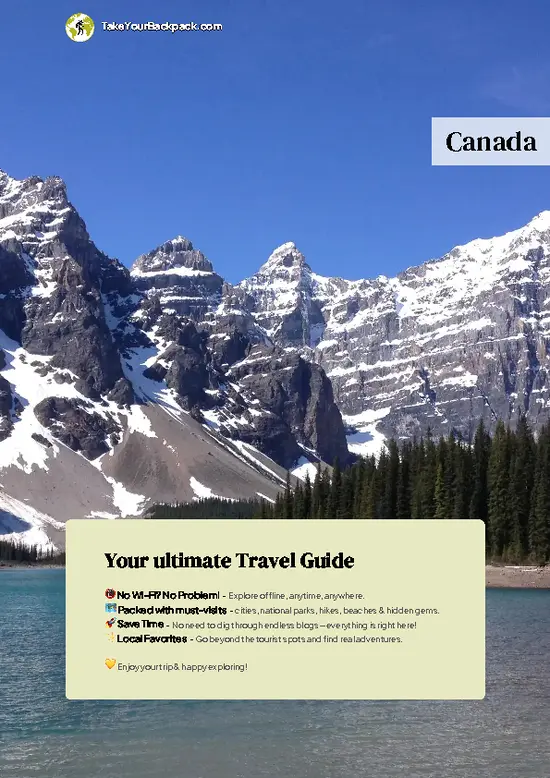
example page 0 from our offline Travel Guide for Canada
example page 1 from our offline Travel Guide for Canada
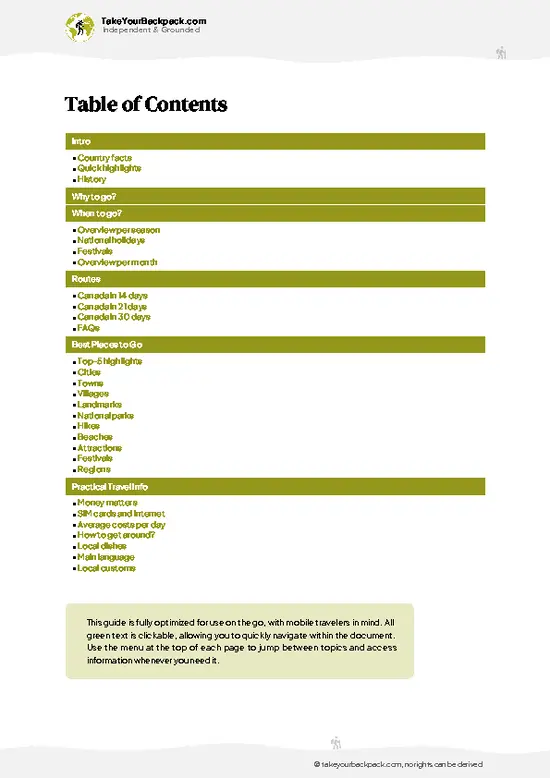
example page 2 from our offline Travel Guide for Canada
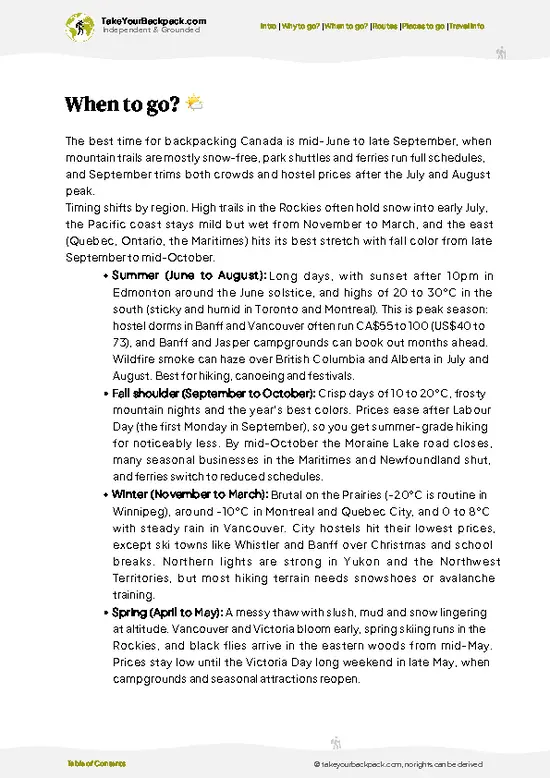
example page 3 from our offline Travel Guide for Canada
example page 4 from our offline Travel Guide for Canada
example page 5 from our offline Travel Guide for Canada
example page 6 from our offline Travel Guide for Canada
example page 7 from our offline Travel Guide for Canada
Loading the map 🌍
CLICK TO FILTER
cities
towns
villages
landmarks
national parks
hikes
beaches
attractions
festivals
regions
SHOW COUNTRY’S BESTSHOW ALL

✨ Why go?
Ranked #17 town in Canada
Why visitors keep coming back

Nanaimo works for backpackers who want ocean access without Vancouver prices. The compact harbor lets you walk from the ferry to cafés, markets and the seawall, and a small passenger ferry reaches Newcastle Island and Protection Island. Divers come for the sunken HMCS Saskatchewan, one of the best artificial reefs around. Most people stay two or three nights, mixing paddling, hiking and cheap eating. It suits solo travelers, divers and slow movers, though nightlife is modest and quiet. If you want clubs, continue south to Victoria.

💡 HighlightsDon't-miss highlights and experiences

  1. Nanaimo Bar Trail: Chocolate, custard and coconut squares at dozens of downtown bakeries and cafés. Go mid-morning when trays are fresh. Each bar costs about US$3 to 5, and sampling a few takes 1 to 2 hours.
  2. Newcastle Island Marine Provincial Park: A car-free island with a 7.5 km loop trail, sandstone shores and old quarry sites. Take the small ferry from the harbor in summer, about US$9 to 11 return. Allow 3 to 4 hours.
  3. Nanaimo Museum: Covers coal mining, Snuneymuxw First Nation history and the city’s growth, with a replica coal mine. Entry is about US$5 to 8, and 1 hour is enough. Good on rainy afternoons.
  4. The Bastion: A small 1853 Hudson’s Bay Company fort tower on the harbor. In summer, a noon cannon firing draws a crowd. It costs little or nothing, and 20 to 30 minutes is plenty.
  5. Harbourfront
… read more 👉
  1. Nanaimo Bar Trail: Chocolate, custard and coconut squares at dozens of downtown bakeries and cafés. Go mid-morning when trays are fresh. Each bar costs about US$3 to 5, and sampling a few takes 1 to 2 hours.
  2. Newcastle Island Marine Provincial Park: A car-free island with a 7.5 km loop trail, sandstone shores and old quarry sites. Take the small ferry from the harbor in summer, about US$9 to 11 return. Allow 3 to 4 hours.
  3. Nanaimo Museum: Covers coal mining, Snuneymuxw First Nation history and the city’s growth, with a replica coal mine. Entry is about US$5 to 8, and 1 hour is enough. Good on rainy afternoons.
  4. The Bastion: A small 1853 Hudson’s Bay Company fort tower on the harbor. In summer, a noon cannon firing draws a crowd. It costs little or nothing, and 20 to 30 minutes is plenty.
  5. Harbourfront Seawall Walk: A flat path past seaplanes, fishing boats and marinas, best at sunset. It’s free and takes 1 to 2 hours.
Nanaimo also anchors day trips to Cathedral Grove, Ladysmith and Gabriola Island by ferry. All five stops together fill a full day, or a relaxed day and a half.
Spotted a mistake or missing something? Contact us.

Things to do around Nanaimo

Ratings based on Tripadvisor reviews. When you book through this link, you support our work at no extra cost to you.

🏘️ NeighborhoodsHow different areas shape the experience

Nanaimo is compact, and the ferry terminals, harbor and old core sit within a few kilometers of each other, so you can sample most areas on foot or with a short bus ride.
  • Downtown and Old City Quarter: Brick storefronts on Commercial Street, the smell of coffee roasters and bakeries, and Nanaimo bars in every window. Flat and walkable, and it gets quiet after 9 pm, so go for dinner early and skip the late-night hunt.
  • Harbourfront and Newcastle Channel: A seawall promenade with gulls, diesel hum and fish-and-chip stands. Walk it at golden hour, then catch the little passenger ferry to Newcastle Island, where trails are car-free.
  • Protection Island: A tiny, no-car island reached by a short boat ride. Gravel paths, a pub on the water and almost no noise.
  • Brechin Hill and Departure Bay: Residential
… read more 👉
Nanaimo is compact, and the ferry terminals, harbor and old core sit within a few kilometers of each other, so you can sample most areas on foot or with a short bus ride.
  • Downtown and Old City Quarter: Brick storefronts on Commercial Street, the smell of coffee roasters and bakeries, and Nanaimo bars in every window. Flat and walkable, and it gets quiet after 9 pm, so go for dinner early and skip the late-night hunt.
  • Harbourfront and Newcastle Channel: A seawall promenade with gulls, diesel hum and fish-and-chip stands. Walk it at golden hour, then catch the little passenger ferry to Newcastle Island, where trails are car-free.
  • Protection Island: A tiny, no-car island reached by a short boat ride. Gravel paths, a pub on the water and almost no noise.
  • Brechin Hill and Departure Bay: Residential and hilly, with a beach, ferry traffic and sea air. Take the bus uphill instead of hauling a pack.
  • Southgate and Woodgrove: Malls and chain restaurants along the highway. Loud with traffic and not for strolling, but handy for groceries and gear.

⌛️ 1 dayHow to make the most of one day

Walk everything today, since downtown and the harbor sit close together, and only the island trip needs a boat.
8:30 AM, Downtown café: Start with coffee and a Nanaimo bar from a local bakery, then stroll toward the water.
10:00 AM, Nanaimo Museum: Spend an hour here, including the replica coal mine, then walk five minutes to the harbor.
11:30 AM, The Bastion: Look over the 1853 fort tower and catch the noon cannon in summer.
1:00 PM, Newcastle Island: Take the small ferry and hike the loop, with a picnic on a quiet sandstone shore.
5:00 PM, Departure Bay Beach: Off the standard route, this calm cove suits a quiet walk and views of ferries gliding in.
7:00 PM, Seawall: Finish along the harbor, with fish and chips or a pub dinner as the lights come on.

🌤️ When to go?Best time to visit Nanaimo

Nanaimo is best from July to September, when days run 18 to 24°C (64 to 75°F), rain is scarce and ferries and hikes run at full tilt.
  • Summer: Dry and bright, with long evenings. Beds and ferry spots are priciest and fill early.
  • Spring and Fall: 8 to 17°C (46 to 63°F), mixed showers and sun, thinner crowds and lower rates.
  • Winter: 1 to 8°C (34 to 46°F), steady rain, short gray days. Cheapest, but many island and boat trips slow down.
Book summer ferries and dorm beds a few weeks ahead.

source: climatestotravel.comJANJanuary: fair for travelingFEBFebruary: fair for travelingMARMarch: good for travelingAPRApril: good for travelingMAYMay: highly recommended for travelingJUNJune: highly recommended for travelingJULJuly: good for travelingAUGAugust: good for travelingSEPSeptember: highly recommended for travelingOCTOctober: good for travelingNOVNovember: fair for travelingDECDecember: fair for traveling
when-to-go

✈️ The backpacker research shortcutCanada Travel Guide

An offline-friendly backpacking guide with optimized travel routes, ranked highlights, transport advice, and the best areas to stay.
example page 0 from our offline Travel Guide for Canada
example page 1 from our offline Travel Guide for Canada
example page 2 from our offline Travel Guide for Canada
example page 3 from our offline Travel Guide for Canada
example page 4 from our offline Travel Guide for Canada
example page 5 from our offline Travel Guide for Canada
example page 6 from our offline Travel Guide for Canada
example page 7 from our offline Travel Guide for Canada
The digital guide (385 pages) contains:
✅ 125 highlights, ranked by travel appeal
✅ Optimized 14, 21 & 30-day travel routes
✅ Cities, national parks, landmarks, beaches
✅ How to get around
✅ Offline-friendly for travel without Wi-Fi
👉 Click to see all 30+ guide features

📅 Plan smarter in minutes, not weeks
✅ Month by month travel advice
✅ Festivals & national holidays
✅ Budget expectations

🗺️ Go to the right places, skip the overrated ones
✅ Honest pros & cons of destinations
✅ Top hikes, parks & viewpoints
✅ Lesser-known places most travelers miss
✅ Clear “worth it vs skip it” guidance

🛏️ Travel smoothly without rookie mistakes
✅ Best areas to stay
✅ Transport systems explained simply
✅ Common scams & safety advice
✅ SIM cards, money & practical tips

🌍 Understand the country, not just visit it
✅ Culture & traditions
✅ Local customs
✅ Festivals worth planning around
✅ Traveler-friendly historical context
✅ Insights that make places more meaningful

📱 Built for real travel conditions
✅ Fully downloadable PDF
✅ Works completely offline
✅ Optimized for phone use
✅ Useful in remote areas & buses
✅ Everything in one place
Stop searching, start planning
Get instant access to your full guide. 30‑day money-back guarantee.
+ Add another guide for just

By proceeding you agree to our terms.
Sent to your inbox immediately after payment • 100% Secure Checkout
Best Backpacking Travel Advisor 2025 tourism awardBest Backpacking
Travel Advisor
2025
What others say about Take Your Backpack Guides:
⭐⭐⭐⭐⭐
Fantastic, amazing amount of information!
⭐⭐⭐⭐⭐
My goodness this is amazing, it's what I've been looking for hats off too you!
⭐⭐⭐⭐⭐
I think this is absolutely BRILLIANT
⭐⭐⭐⭐
Very complete and informative. It's still missing places, but I gotta to commend you
⭐⭐⭐⭐⭐
This is truly amazing, thank you, can't wait to explore it with my kids!
⭐⭐⭐⭐⭐
Awesome resource, thank you!
⭐⭐⭐⭐⭐
This is amazing! Can't wait to explore the ones I haven't seen
⭐⭐⭐⭐
I love this! Well done, great idea.
⭐⭐⭐⭐⭐
Thanks for taking the time to make this gem!
⭐⭐⭐⭐⭐
This might be the best website I've ever seen.
⭐⭐⭐⭐⭐
Congratulations, and thank you so much for your work; it's incredibly valuable.
⭐⭐⭐⭐
In all seriousness I think you did a great job pointing out the important spots
⭐⭐⭐⭐⭐
10/10 very good
⭐⭐⭐⭐⭐
As someone who's only just starting to visit regularly this is awesome, thank you.
⭐⭐⭐⭐
Thank you very much! I'm going to visit my dad, it's going to be very useful!
⭐⭐⭐⭐⭐
This is really cool! We'll be travelling for the first time and this definitely come in handy.
⭐⭐⭐⭐⭐
You are now our minister of culture, congratulations 👨‍💼
⭐⭐⭐⭐⭐
Just wanted to tell you that this is a pearl! Going to follow your recommendations.
⭐⭐⭐⭐⭐
This is so cool. I'll definitely be using the resource for my travels soon.
⭐⭐⭐⭐⭐
This is very impressive! Good work.
⭐⭐⭐⭐⭐
This is an amazing and informative site. Very well done!

🛏️ Where to stay?Best areas and accommodation options

The Old City Quarter and the harbor edge are the best bets for a budget bed, with hostel dorms and cheap rooms about US$30 to 45 a night in summer. You can reach the bus exchange, restaurants and the passenger ferry on foot, and streets are lit and fairly calm at night. Noise is mild, mostly from weekend pubs on Commercial Street and Wharf Street.
Departure Bay is the second option if you are catching an early ferry to Vancouver. Choose it for quiet guesthouses and a short walk to the terminal, but expect fewer dorm beds and a bus ride to town. Book ahead from July to September.

🚌 Getting aroundHow to get from A to B

Walking is the easiest way to move around central Nanaimo, because the harbor, Old City Quarter and ferry docks sit within about 2 km of each other and the seawall keeps you off busy roads. Beyond that, the city sprawls along Highway 19, so buses fill the gaps. Expect salt air, gull noise and hills that punish a heavy pack.
  • Walking: Free and quickest downtown. Wear a rain shell from October to April, since showers arrive without warning.
  • RDN Transit buses: A single fare is about US$2.20 and a day pass about US$4.50. The main exchange is downtown, and most routes run from about 6 am to 10 pm, with fewer on Sundays. Pay with exact change, since drivers do not give it back.
  • Harbour ferries: Small boats to Newcastle and Protection Islands run about US$7 to 9 return, and are seasonal with reduced
… read more 👉
Walking is the easiest way to move around central Nanaimo, because the harbor, Old City Quarter and ferry docks sit within about 2 km of each other and the seawall keeps you off busy roads. Beyond that, the city sprawls along Highway 19, so buses fill the gaps. Expect salt air, gull noise and hills that punish a heavy pack.
  • Walking: Free and quickest downtown. Wear a rain shell from October to April, since showers arrive without warning.
  • RDN Transit buses: A single fare is about US$2.20 and a day pass about US$4.50. The main exchange is downtown, and most routes run from about 6 am to 10 pm, with fewer on Sundays. Pay with exact change, since drivers do not give it back.
  • Harbour ferries: Small boats to Newcastle and Protection Islands run about US$7 to 9 return, and are seasonal with reduced winter sailings. Check the last return before hiking.
  • Bike or e-scooter: Rentals cost roughly US$25 to 45 a day, and the waterfront trails are flat. Hills elsewhere are steep, so plan routes before setting out.
  • Taxi and rideshare: A downtown to ferry terminal ride is about US$15 to 25. Use it late at night or when buses stop.

👛 Costs (as of 23 October 2026)Typical daily expenses

Nanaimo costs a backpacker about US$82 to 134 a day in high season, with accommodation the biggest expense.
CategoryBudget RangeLocal Reality
Dorm accommodationUS$30 to 45Few hostels, so beds sell out in July and August; winter runs cheaper.
MealsUS$30 to 45Fish and chips and pub fare cost US$12 to 20, groceries cut the bill.
Local transportUS$4 to 9A bus day pass costs about US$4.50; add a boat ride to the islands.
Basic activities/entry feesUS$8 to 20Many trails and beaches are free; island ferries and museums charge a few dollars.
Miscellaneous expensesUS$10 to 15Coffee, laundry and a tip of 15 to 20 percent at restaurants.
Total Daily BudgetUS$82 to 134About US$115 on a typical high-season day.
Buy groceries at a supermarket and cook in a hostel kitchen to save around US$15 a day.
⚠️ Prices can change and everyone travels differently, so take this as a rough guide. Hope it helps you plan your adventure!

🚌 Day tripsExploring the surroundings

Nanaimo suits day trips well, since the Island Highway and buses reach beaches, forests and towns within about an hour.
Newcastle Island:
A 10 minute boat ride from the harbor leads to car-free forest trails, sandstone shores and old quarry sites. The loop around the island takes about 2 hours on foot. Budget around US$8 for the ferry and bring lunch, since food options are limited. Summer is best, and many first-timers miss the last boat back.

Cathedral Grove:
Ancient Douglas firs, some over 800 years old, stand beside Highway 4, about 1 hour west by car. Without a car, buses to Port Alberni cost about US$10 to 15 and can be infrequent. Walks last 30 to 45 minutes, and spring or early summer mornings avoid tour groups.

Ladysmith:
A heritage town 25 minutes south by bus for about US$2.50 … read more 👉
Nanaimo suits day trips well, since the Island Highway and buses reach beaches, forests and towns within about an hour.
Newcastle Island:
A 10 minute boat ride from the harbor leads to car-free forest trails, sandstone shores and old quarry sites. The loop around the island takes about 2 hours on foot. Budget around US$8 for the ferry and bring lunch, since food options are limited. Summer is best, and many first-timers miss the last boat back.

Cathedral Grove:
Ancient Douglas firs, some over 800 years old, stand beside Highway 4, about 1 hour west by car. Without a car, buses to Port Alberni cost about US$10 to 15 and can be infrequent. Walks last 30 to 45 minutes, and spring or early summer mornings avoid tour groups.

Ladysmith:
A heritage town 25 minutes south by bus for about US$2.50 to 4.50. Waterfront cafés and a small museum fill a pleasant half day, and it is calmer than Nanaimo. Go on a weekday for quiet streets.

Parksville and Rathtrevor Beach:
About 30 minutes north, this beach has warm shallow water and very low tides that expose sand flats. Public bus costs about US$4.50 and the best months are July and August. Arrive at low tide for the longest walk.

🛡️ SafetyStaying Safe: What Travelers Should Know

Nanaimo is broadly safe for backpackers, and petty theft is the main concern. Car break-ins happen at trailheads and ferry lots, so take valuables with you and leave nothing visible. Downtown near the bus exchange and some side streets can feel rough after dark, with people in distress or panhandling, who are rarely aggressive. Solo travelers do fine by walking main streets at night and using a taxi late. Black bears and cougars live near trails, so carry bear spray on remote hikes and make noise.

FAQCommon questions from travelers

Nanaimo is worth a night or two beyond the ferry stop. The harbor seawall, Newcastle Island trails and the Old City Quarter pack in good walking and food, and the island ferry costs about US$8 return. Many travelers pass through on the way to Tofino or Victoria, but the town rewards a slower look.
Two days covers Nanaimo well. One day suits the downtown, harbor and a Nanaimo bar tasting, and a second handles Newcastle Island, about 2 hours on foot. Add a third day if you want Cathedral Grove, about 1 hour west, or Rathtrevor Beach.
Nanaimo can be reached from Vancouver in a day, but it is tight. BC Ferries sail from Horseshoe Bay in about 1 hour 40 minutes, or from Tsawwassen to Duke Point in about 2 hours, with a foot passenger fare of roughly US$12 to 20 each way. A night or two lets you see the harbor and islands without rushing the last sailing.
⚠️ Things can change over time, so always validate details locally before you go.

Other Canadian towns near Nanaimo

Explore more nearby:

  • Port Alberni—Steam railway, McLean sawmill, Harbour Quay, Nuu-chah-nulth art| 63 km away
  • Powell River—Planned 1910s Townsite, Patricia Theatre, Texada views, Powell Lake| 86 km away
  • Sooke—Sooke Potholes, Whiffin Spit, East Sooke headlands, French Beach| 89 km away

💡 Not sure where to go next?
Create a personalized itinerary for Canada including Nanaimo and the places that fit your trip.

Generate my itinerary

👉 Discover all towns

Or checkout all Canada has to offer (think cities, towns, villages, national parks, hikes, beaches, festivals)
Country photo of Canada

We 💚 feedbackParting advice and final tips

Nanaimo’s common mistake is treating it as just a ferry stop and leaving within hours. Give it two nights instead, and skip a rental car. I would head to Newcastle Island on foot and by ferry, and stay for the harbor sunset.

✈️ When did I visit Canada?
As part of my 1.5 year travel around the world trip, I visited Canada in 2016.

✍️ Help improve this page!
The information on this page is based on my own backpacking experience in Canada, supplemented with up-to-date research and feedback from other travelers. Travel details can change, so if you notice anything outdated or incomplete, feel free to let me know.


🙋‍♂️ Give feedback

👋 Meet the founderWho’s Behind Take Your Backpack?

Johan, backpacker and founder of TakeYourBackpackHi, I’m Johan (Netherlands 🇳🇱), the creator of TakeYourBackpack. Over the past 3 decades, I’ve backpacked through 90+ countries across six continents, gaining extensive experience with independent travel, long-term trips, and overland routes.

This site is built on a combination of firsthand travel experience and carefully curated insights from other backpackers. Many guides are based on places I’ve personally visited, while others bring together tips, observations, and practical advice shared by trusted travelers I’ve met along the way.

The goal is to provide realistic, experience-driven guidance — not generic itineraries — so you can explore destinations with better context, clearer expectations, and more confidence.