×

Canada🇨🇦 | best townsEssential 10 towns to Explore in Canada

In Canada, towns are more than just dots on a map; they embody the spirit of their regions, each with its own unique charm and culture. From the rugged coastlines of British Columbia to the historic streets of Quebec, the local vibe shifts dramatically, influenced by geography and season. For backpackers and independent travelers, understanding these nuances is crucial.

In the west, towns like Victoria offer a laid-back atmosphere with walkable streets and vibrant markets, perfect for those seeking a relaxed pace. Meanwhile, the bustling energy of Toronto showcases a multicultural tapestry, where every neighborhood tells a different story. In contrast, the quaint villages of the Maritimes, like Lunenburg, invite you to slow down, breathe in the salty air, and immerse yourself in local traditions.

Choosing the right town impacts your budget, safety, and overall experience. Some towns may be more affordable but lack amenities, while others might require a splurge for their rich cultural offerings. Seasonal variations also play a role; winter towns transform into cozy havens, while summer spots buzz with festivals. By selecting wisely, you can enhance your journey, ensuring that each moment spent in these towns is not just a stopover, but a meaningful part of your Canadian adventure.

By Johan Kruseman 🇳🇱 | Updated June 19, 2026
Explore the best villages in Canada

Why go?Why Travelers Love These Spots

In Canada, towns are more than just stops on a map; they are vibrant reflections of the country’s diverse cultural tapestry. Each town offers a unique blend of local charm, shaped by its history, geography, and the pace of life that defines its residents. The cultural richness found in these communities often stems from a mix of Indigenous heritage and immigrant influences, creating a mosaic of traditions, languages, and culinary delights that are distinctly Canadian.

The geographic diversity of Canada plays a crucial role in the character of its towns. From the rugged coastlines of the Atlantic to the serene prairies and the majestic Rockies, each region has its own flavor. This variety means that travelers can experience everything from the fresh scent of saltwater in fishing towns to the … read more 👉
In Canada, towns are more than just stops on a map; they are vibrant reflections of the country’s diverse cultural tapestry. Each town offers a unique blend of local charm, shaped by its history, geography, and the pace of life that defines its residents. The cultural richness found in these communities often stems from a mix of Indigenous heritage and immigrant influences, creating a mosaic of traditions, languages, and culinary delights that are distinctly Canadian.

The geographic diversity of Canada plays a crucial role in the character of its towns. From the rugged coastlines of the Atlantic to the serene prairies and the majestic Rockies, each region has its own flavor. This variety means that travelers can experience everything from the fresh scent of saltwater in fishing towns to the crisp air of mountain retreats. However, this also introduces a trade-off: the more remote the town, the longer the travel time. While the journey may be lengthy, the payoff is often an immersive experience that allows for deeper connections with local culture and nature.

Climatic factors also influence the towns you might choose to explore. Harsh winters can limit accessibility, making some towns less suited for year-round visits. Conversely, summer months bring festivals and outdoor activities that showcase local traditions. Understanding these seasonal rhythms is essential for planning an itinerary that maximizes both enjoyment and exploration.

When clustering towns for a trip, consider the balance between travel time and depth of exploration. While it may be tempting to cover as many towns as possible, rushing through can dilute the experience. Spending more time in fewer locations allows for a richer understanding of local life, from savoring the aromas of a bustling farmers’ market to engaging in conversations with artisans and chefs who pour their heart into their craft.

Accessibility is another key factor. Some towns may be easily reached via major highways or public transport, while others require a bit more effort to access. This can lead to a rewarding sense of adventure, but it also means that travelers must weigh the convenience of quick access against the potential for more profound, immersive experiences.

Ultimately, the towns of Canada offer a unique opportunity to engage with the country’s spirit. By understanding the trade-offs between time, money, and comfort, travelers can make informed choices that lead to genuinely enriching experiences. Embrace the journey, and let the towns reveal their stories at their own pace.
Our Approach to Ranking
The list of best towns in Canada is created based on charm, local culture, atmosphere, hidden gems, and visitor appeal. If you feel a town is missing in this list, please let us know.

When to go?Best Time to Visit Canada for towns

Seasonality shapes the experience of visiting towns across Canada. Each season brings its own rhythm, affecting local life, events, and the atmosphere.

Winter blankets much of the country in snow, creating a serene yet brisk environment. Temperatures can plunge, especially in northern regions, often dipping below freezing. This season attracts winter sports enthusiasts, but it also means fewer crowds in many towns. The trade-off is clear: while the landscape transforms into a winter wonderland, the cold can deter some travelers.

Spring emerges slowly, with towns awakening from their winter slumber. The air carries the scent of fresh blooms, and the landscape shifts from white to vibrant greens. This is a shoulder season, where travelers can enjoy milder weather and lower prices. However, … read more 👉
Seasonality shapes the experience of visiting towns across Canada. Each season brings its own rhythm, affecting local life, events, and the atmosphere.

Winter blankets much of the country in snow, creating a serene yet brisk environment. Temperatures can plunge, especially in northern regions, often dipping below freezing. This season attracts winter sports enthusiasts, but it also means fewer crowds in many towns. The trade-off is clear: while the landscape transforms into a winter wonderland, the cold can deter some travelers.

Spring emerges slowly, with towns awakening from their winter slumber. The air carries the scent of fresh blooms, and the landscape shifts from white to vibrant greens. This is a shoulder season, where travelers can enjoy milder weather and lower prices. However, some attractions may still be closed, and unpredictable weather can lead to rain or lingering snow.

Summer is peak season for many towns, with warm temperatures and long days. This is when local festivals and outdoor events flourish, showcasing the unique culture of each area. The trade-off here is the influx of tourists, which can lead to crowded streets and higher accommodation costs. The vibrant atmosphere is palpable, but planning ahead is essential to secure the best experiences.

Fall offers a stunning display of foliage, with towns adorned in rich reds and golds. The weather is typically mild, making it an ideal time for outdoor activities. This shoulder season allows for a quieter experience, with fewer tourists and often lower prices. However, as the season progresses, temperatures drop, and some attractions may begin to close for the winter.

Understanding these seasonal patterns is crucial for effective trip planning. Each season presents unique opportunities and challenges. Travelers must weigh the benefits of vibrant events against the potential for crowds and costs. The beauty of Canada’s towns is often earned through the effort of navigating these seasonal shifts. By choosing the right time to visit, travelers can immerse themselves in the local culture and enjoy the authentic charm that each season offers.

town hoppingHow to Combine towns Into One Trip

Regional Clustering

Traveling through Canada’s towns requires a keen sense of regional clustering. Start in the east with the maritime charm of towns like St. Andrews and Lunenburg, where the salty air mingles with the scent of fresh seafood. Then, head westward to Quebec, where the cobblestone streets of Old Quebec City contrast with the vibrant arts scene in Montreal. This east-to-west approach allows for a natural progression, minimizing backtracking and maximizing the variety of experiences.

Direction of Travel

Consider the direction of travel. A north-south route through the Rockies, for instance, can lead from Jasper to Banff, showcasing breathtaking landscapes. The drive along the Icefields Parkway is not just a means to an end; it’s an experience in itself, with towering peaks and … read more 👉

Regional Clustering

Traveling through Canada’s towns requires a keen sense of regional clustering. Start in the east with the maritime charm of towns like St. Andrews and Lunenburg, where the salty air mingles with the scent of fresh seafood. Then, head westward to Quebec, where the cobblestone streets of Old Quebec City contrast with the vibrant arts scene in Montreal. This east-to-west approach allows for a natural progression, minimizing backtracking and maximizing the variety of experiences.

Direction of Travel

Consider the direction of travel. A north-south route through the Rockies, for instance, can lead from Jasper to Banff, showcasing breathtaking landscapes. The drive along the Icefields Parkway is not just a means to an end; it’s an experience in itself, with towering peaks and glacial lakes demanding your attention. Each stop should feel like a reward, not a chore.

Optimal Sequencing of Stops

Optimal sequencing is crucial. Pair towns with similar vibes or activities. For example, if you’re drawn to outdoor adventures, cluster towns like Canmore and Fernie. Spend a few days hiking, then transition to a town known for its culinary scene, like Kelowna. This balance between activity and relaxation keeps energy levels high and fatigue low.

Time Management

Typical time needed per stop varies. Aim for two to three days in larger towns to soak in local culture, while smaller towns may only require a day or two. This pacing allows for exploration without the rush. A common mistake is underestimating travel time between stops. Canada is vast, and distances can be deceiving. Factor in time for scenic detours; they often yield the most memorable moments.

Trade-Offs and Constraints

Speed versus depth of experience is a constant trade-off. Rushing through towns may save time but can lead to missed connections with locals or hidden spots. Budget versus comfort also plays a role. Opting for budget accommodations might mean sacrificing comfort, but it can free up funds for unique experiences, like a local cooking class or guided tour.

Flexibility and Strategic Planning

Flexibility is key. Weather can change plans, and local events can enhance your experience. Keep an open mind and adjust as needed. Strategic planning, rather than a rigid itinerary, allows for spontaneous adventures that often become the highlights of a trip. Embrace the journey, and let the towns of Canada reveal their character at your own pace.

The ListHighly Recommended towns of Canada

1 Banff

national park, hot springs, wildlife sightings

Wake early for mountain views, spot elk or bears, and soak in mineral pools after a day on the trails.

2 Whistler

alpine village, ski slopes, mountain biking

Experience a town where outdoor pursuits shift with the seasons, from snow-packed runs to forested trails and lively après scenes.

canada-city-whistler v1
© Google |

3 Fogo Island

Saltbox houses, North Atlantic, artist studios

Experience a windswept island where contemporary art meets centuries-old fishing culture, surrounded by the restless North Atlantic.

4 Canmore

rocky peaks, Bow Valley, art galleries

Hike into wild landscapes just beyond town, then return for local art and a relaxed pace shaped by the mountains.

canada-city-canmore v1
© Google |

5 Revelstoke

railway heritage, mountain trails, snow sports

Ride into a town where train whistles echo off steep slopes, and adventure starts at the edge of the main street.

6 Nelson

Kootenay Lake, heritage buildings, local markets

Wander streets lined with independent shops and discover a creative community surrounded by water and forested hills.

canada-city-nelson v1
© Google |

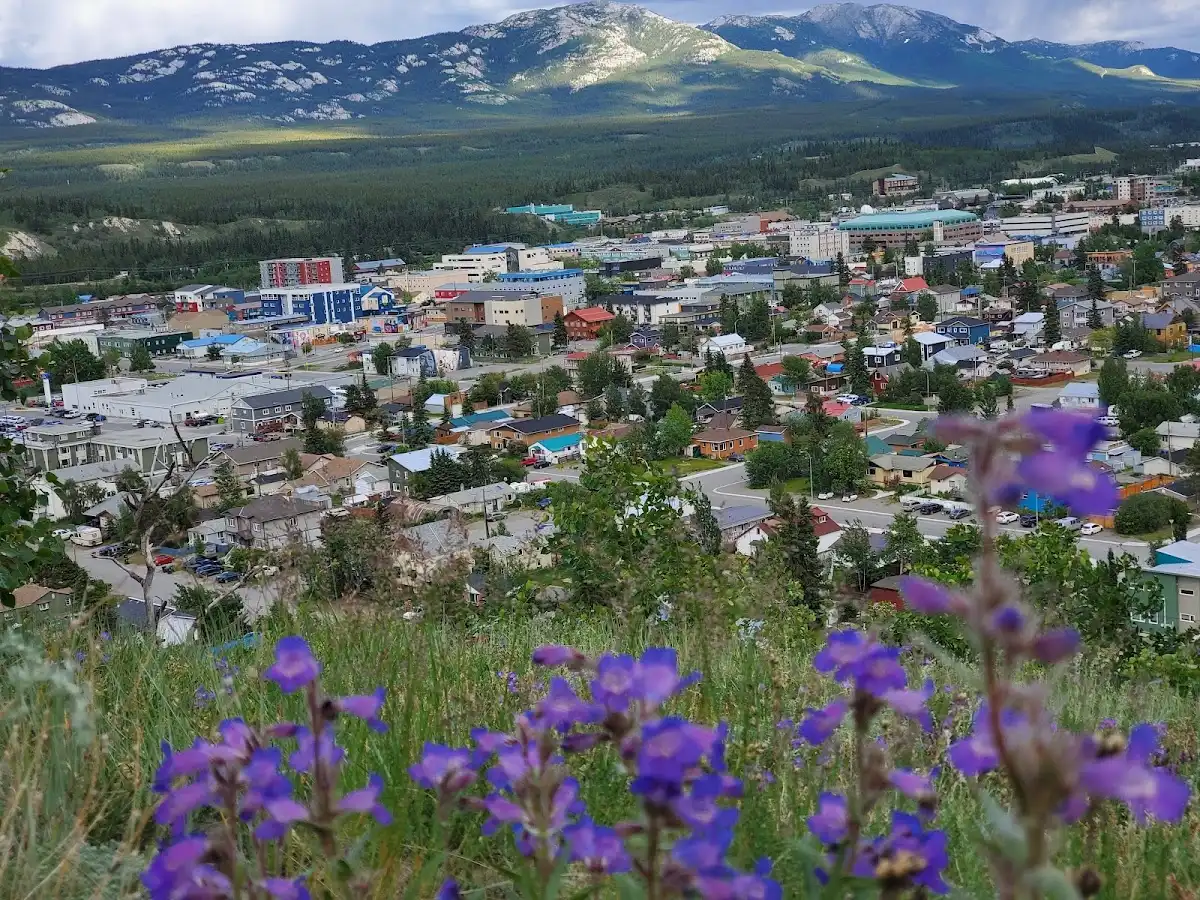
7 Whitehorse

Yukon River, northern lights, frontier relics

Follow the river through a city shaped by wilderness, where long summer days and winter auroras define the rhythm of daily life.

canada-city-whitehorse v1
© Google |

8 Yellowknife

aurora viewing, Great Slave Lake, subarctic hub

Watch the sky ignite above a lakeside city built for extremes, with Indigenous culture and remote adventure at its core.

9 Charlottetown

Confederation birthplace, red brick, harbour views

Trace the origins of Canada in a walkable centre, then relax by the water with fresh seafood and local music.

canada-city-charlottetown v1
© Google |

10 Gaspé

coastal cliffs, Forillon Park, fishing wharves

Trace the edge of the peninsula where sea and forest meet, with rugged trails and maritime history at every turn.

11 Nanaimo

Harborfront, ferry terminal, island forests

Catch ferries to the mainland, wander seaside walkways, and use the city as a gateway to Vancouver Island’s wild interior.

12 Stratford

theatre festival, Avon River, Victorian architecture

Attend world-class performances, stroll riverside gardens, and explore a town where culture and tradition shape the calendar.

13 Fernie

Elk Valley, historic downtown, powder skiing

Spend days on forested slopes or rivers, then unwind in a compact centre shaped by mining roots and mountain culture.

14 Saint John

Bay of Fundy, uptown alleys, industrial port

Navigate steep streets and old market halls, where tides and shipping shape the city’s daily rhythm and local identity.

15 Fredericton

St. John River, university town, craft breweries

Cycle riverside trails, visit galleries, and enjoy a lively student presence that keeps the city’s energy fresh year-round.

16 Moncton

tidal bore, Acadian influence, urban parks

Watch the river reverse course, sample Acadian cuisine, and use the city as a practical base for exploring the Maritimes.

17 Iqaluit

Arctic capital, tundra landscape, Inuit culture

Arrive by air to a remote city where modern life meets traditional practices, with stark scenery and a short, intense summer.

18 Dawson Creek

Alaska Highway start, grain elevators, prairie town

Stand at Mile Zero, explore local museums, and prepare for the long road north through open farmland and small-town stops.

19 Prince Rupert

Pacific port, rainforests, Indigenous art

Arrive by ferry or rail to a coastal town where misty forests, fishing fleets, and local carving traditions set the scene.

20 Corner Brook

Bay of Islands, pulp mill, hilly streets

Climb steep roads for sweeping views, then head out to explore fjord-like inlets and a working town with deep roots.

21 Baie-Saint-Paul

Charlevoix hills, art galleries, farm-to-table

Sample local produce, browse studios, and walk rolling streets where artists and chefs draw inspiration from the landscape.

22 Port Alberni

inland fjord, logging history, salmon runs

Follow the river to a town where forests meet tidal waters, and seasonal fish runs draw both wildlife and people.

23 Powell River

sunshine coast, paper mill, lakes and trails

Hike or paddle between lakes, then return to a town shaped by its industrial past and a growing arts scene.

24 Sooke

rainforest coastline, tidal pools, hiking routes

Explore rugged beaches and forested trails, with easy access to wild Pacific scenery and quiet coves.

25 Rimouski

St. Lawrence shore, maritime museum, university campus

Walk windswept riverfronts, explore marine history, and notice the youthful energy that comes with a student population.

26 Summerside

harbourfront, Confederation Trail, historic homes

Cycle along converted railways, visit old mansions, and watch boats come and go from a compact waterfront centre.

27 Medicine Hat

prairie city, clay district, sunniest skies

Explore river valleys and historic kilns in a city known for its dry climate and a landscape that stretches to the horizon.

28 Moose Jaw

underground tunnels, mineral spa, prairie murals

Descend into storied passageways, soak in mineral waters, and spot public art that tells the town’s colourful past.

29 Prince Albert

gateway to north, boreal forest, river crossing

Pause before heading deeper into the wild, where the town’s riverside parks and northern access roads set the tone.

30 Inuvik

Mackenzie Delta, midnight sun, ice road terminus

Travel north to a community where the sun barely sets in summer, and winter brings access by frozen river highways.

31 Fort Smith

Slave River rapids, park gateway, northern wildlife

Paddle wild rapids or spot bison at the edge of Wood Buffalo National Park, with few crowds and endless sky.

Think you know Canada?

Prove you’re a true local — uncover 21 lesser-known towns in Canada that locals tend to keep to themselves.
Loading the map 🌍

Expert viewInsights from Locals and Experts

Trade-Off Map: Navigating Canada’s Towns

Canada’s towns are a mosaic of culture, history, and natural beauty, each offering a unique slice of life. To truly appreciate what this vast country has to offer, aim to visit around five to seven towns. This number strikes a balance between depth and breadth, allowing you to immerse yourself in local charm without feeling rushed.

When planning your journey, consider the time you have available. A week or two is ideal for a meaningful experience. This timeframe allows you to savor the nuances of each town, from the scent of fresh maple syrup wafting through the air to the sound of laughter echoing in local cafes. However, if you’re short on time, prioritize towns that are geographically close to each other. This minimizes travel time and maximizes … read more 👉
Trade-Off Map: Navigating Canada’s Towns

Canada’s towns are a mosaic of culture, history, and natural beauty, each offering a unique slice of life. To truly appreciate what this vast country has to offer, aim to visit around five to seven towns. This number strikes a balance between depth and breadth, allowing you to immerse yourself in local charm without feeling rushed.

When planning your journey, consider the time you have available. A week or two is ideal for a meaningful experience. This timeframe allows you to savor the nuances of each town, from the scent of fresh maple syrup wafting through the air to the sound of laughter echoing in local cafes. However, if you’re short on time, prioritize towns that are geographically close to each other. This minimizes travel time and maximizes your ability to soak in the atmosphere.

Budget is another critical factor. While some towns may seem more expensive due to their tourist appeal, remember that local markets and eateries often provide authentic experiences at a fraction of the cost. Allocate your funds wisely: splurge on a local culinary experience that showcases regional flavors, but save on accommodations by opting for cozy bed-and-breakfasts or campgrounds. The trade-off here is comfort versus authenticity; staying in a charming local spot can enhance your connection to the community, while a hotel chain might offer more amenities but less character.

Effort is the third piece of this puzzle. Canada’s towns vary in accessibility. Some are well-connected by public transport, while others may require a car to reach. If you’re up for a bit of adventure, consider towns that are off the beaten path. The effort to get there often rewards you with fewer crowds and a more genuine experience. However, be prepared for the trade-off of limited amenities and services. Research local infrastructure to ensure you have what you need, whether it’s a reliable gas station or a grocery store.

Regional Clusters: The Heartbeat of Canada

Understanding regional clusters can significantly enhance your travel rhythm. The East Coast towns, with their maritime charm, offer a slower pace. Here, you can enjoy fresh seafood and stunning coastal views. However, the trade-off is that these towns can be more isolated, requiring longer travel times between them. If you’re drawn to the ocean, consider spending a few extra days in one or two towns rather than trying to cover too much ground.

In contrast, the towns in the West are often more interconnected, thanks to a well-developed highway system. This region is a playground for outdoor enthusiasts, with opportunities for hiking, skiing, and exploring national parks. The trade-off here is the potential for higher costs, especially in tourist-heavy areas. Prioritize your experiences: a guided hike might be pricier but can offer insights into the local ecology that you wouldn’t get otherwise.

The Prairies present a different charm, with wide-open spaces and a slower pace of life. Here, you can experience the warmth of local hospitality and the beauty of vast landscapes. However, be prepared for longer distances between towns. The trade-off is time spent traveling versus the chance to see stunning sunsets and starry skies that feel like they stretch on forever.

Local Culture: The Soul of Each Town

Every town has its own cultural heartbeat, shaped by its history and the people who call it home. Engage with locals to gain insights that guidebooks often overlook. Attend community events, visit artisan markets, or simply strike up a conversation at a café. The trade-off here is the time investment; immersing yourself in local culture may take you away from sightseeing but will enrich your experience immeasurably.

Safety is another consideration. While Canada is generally safe, each region has its own nuances. In urban areas, be mindful of your surroundings, especially at night. In rural towns, wildlife encounters can be a concern; understanding local wildlife behavior is crucial. The trade-off is between the thrill of adventure and the need for caution. Always stay informed about local guidelines and respect the environment.

Infrastructure: Planning for Success

Canada’s infrastructure varies widely, impacting your travel experience. Major towns are often well-equipped with amenities, but smaller towns may lack certain conveniences. Researching ahead can save you from unexpected challenges. For instance, if you’re heading to a remote area, ensure you have enough supplies and a reliable map. The trade-off here is between spontaneity and preparedness; while it’s tempting to go with the flow, a little planning can prevent headaches down the road.

Consider your mode of transportation. Renting a car offers flexibility, allowing you to explore at your own pace. However, public transport can be a more budget-friendly option, especially in urban areas. The trade-off is convenience versus cost; weigh your priorities based on your travel style and the towns you wish to visit.

Prioritizing Your Journey

To prioritize your journey, start by identifying what draws you to Canada’s towns. Are you seeking culinary delights, outdoor adventures, or cultural experiences? Once you have a focus, map out towns that align with your interests. This targeted approach helps you make the most of your time and budget.

As you plan, keep in mind the rhythm of travel. Allow for downtime to absorb the atmosphere. Whether it’s sipping coffee in a local café or taking a leisurely stroll along a waterfront, these moments often become the highlights of your trip. The trade-off is between a packed itinerary and the joy of spontaneous discovery; sometimes, the best experiences come when you least expect them.

In summary, navigating Canada’s towns is about making conscious choices that align with your travel goals. By understanding the trade-offs between time, money, and comfort, you can curate a journey that resonates with your spirit of adventure. Embrace the local culture, savor the flavors, and let the landscapes inspire you. Each town has its own story to tell, waiting for you to discover it.

✈️ The backpacker research shortcutCanada Travel Guide

An offline-friendly backpacking guide with optimized travel routes, ranked highlights, transport advice, and the best areas to stay.
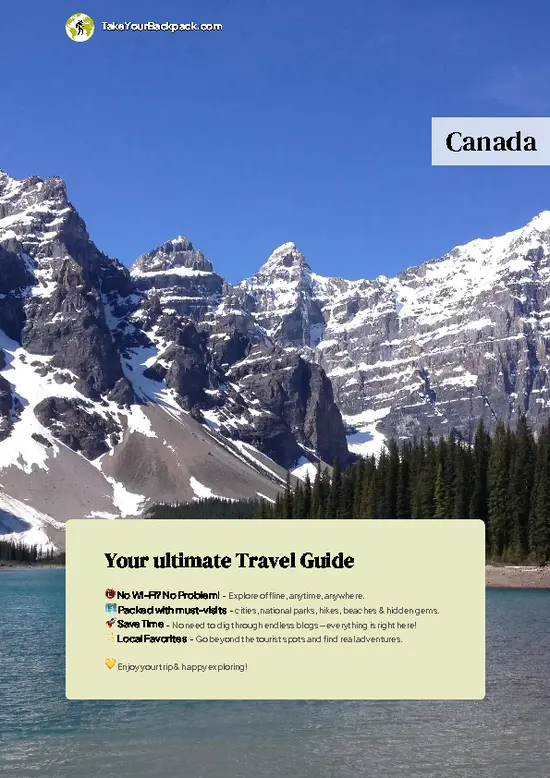
example page 0 from our offline Travel Guide for Canada
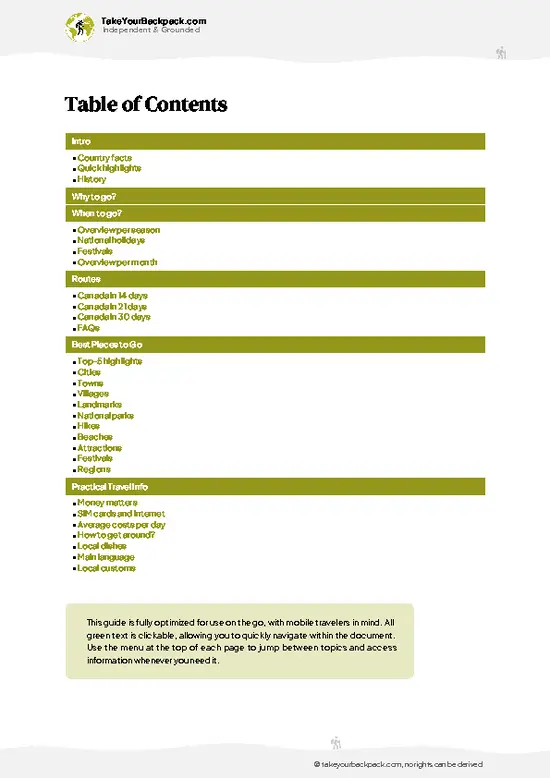
example page 1 from our offline Travel Guide for Canada
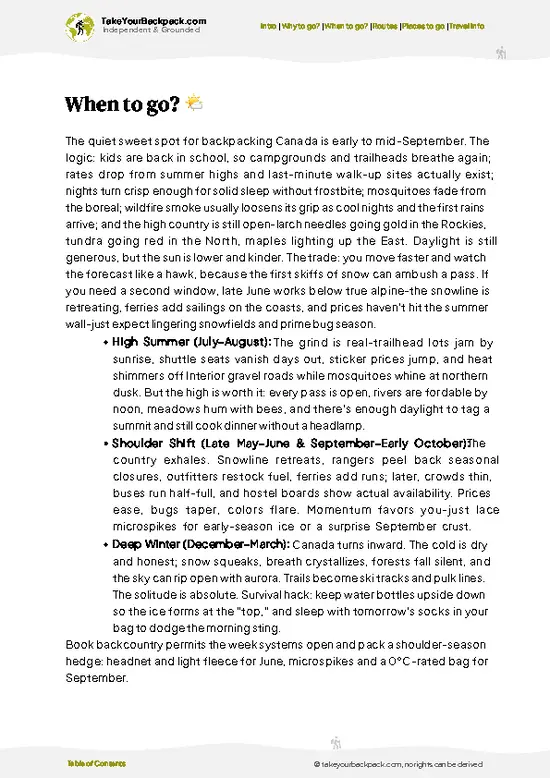
example page 2 from our offline Travel Guide for Canada
example page 3 from our offline Travel Guide for Canada
example page 4 from our offline Travel Guide for Canada
example page 5 from our offline Travel Guide for Canada
example page 6 from our offline Travel Guide for Canada
example page 7 from our offline Travel Guide for Canada
The digital guide (518 pages) contains:
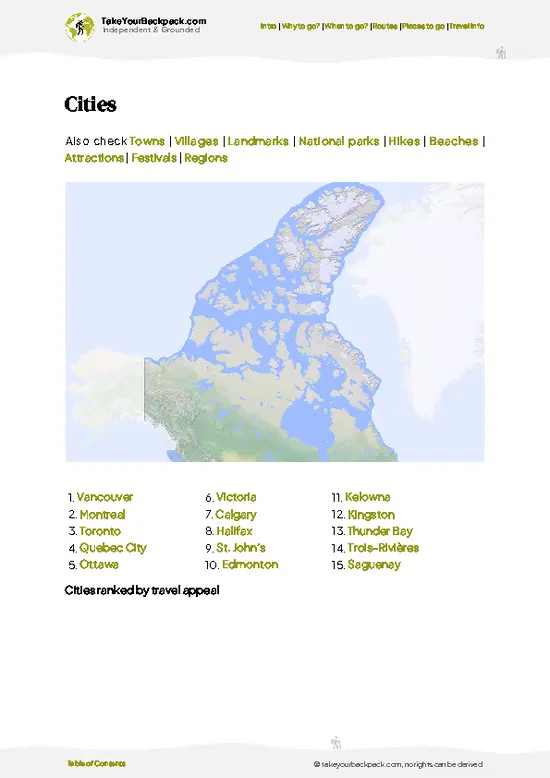
133 highlights, ranked by travel appeal
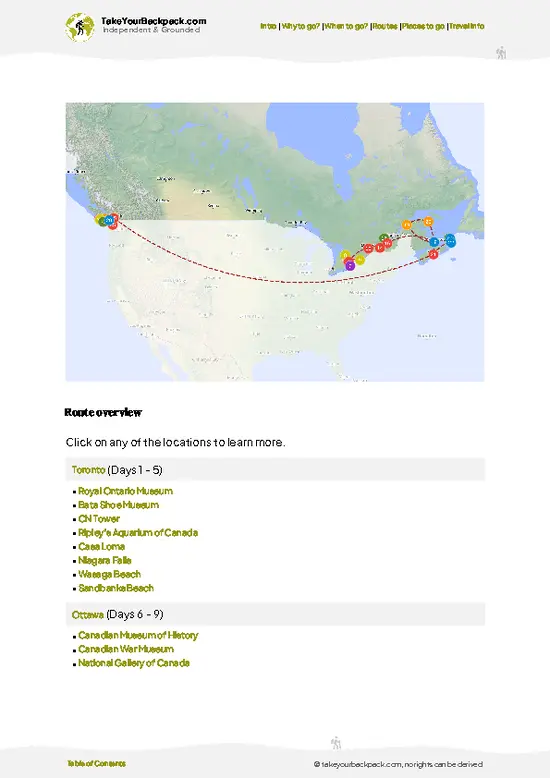
Optimized 14, 21 & 30-day travel routes
Cities, national parks, landmarks, beaches
How to get around
Offline-friendly for travel without Wi-Fi
👉 Click to see all 30+ guide features

📅 Plan smarter in minutes, not weeks
Month by month travel advice
Festivals & national holidays
Budget expectations

🗺️ Go to the right places, skip the overrated ones
Honest pros & cons of destinations
Top hikes, parks & viewpoints
Lesser-known places most travelers miss
Clear “worth it vs skip it” guidance

🛏️ Travel smoothly without rookie mistakes
Best areas to stay
Transport systems explained simply
Common scams & safety advice
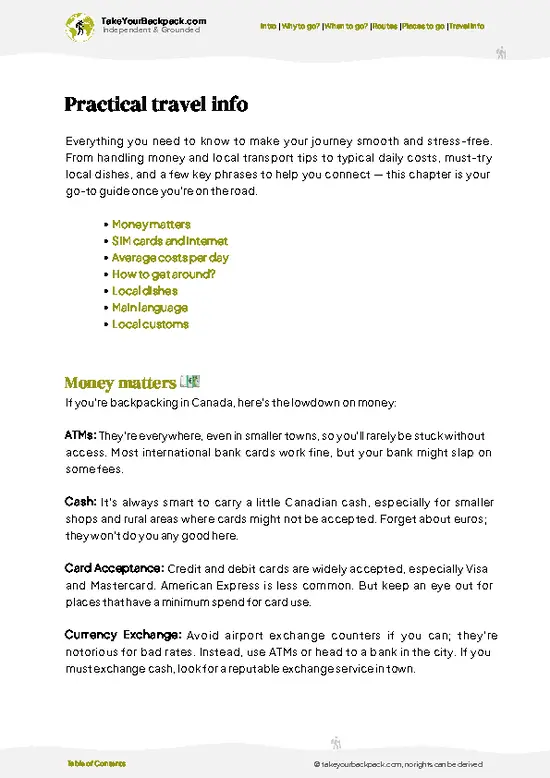
SIM cards, money & practical tips

🌍 Understand the country, not just visit it
Culture & traditions
Local customs
Festivals worth planning around
Traveler-friendly historical context
Insights that make places more meaningful

📱 Built for real travel conditions
Fully downloadable PDF
Works completely offline
Optimized for phone use
Useful in remote areas & buses
Everything in one place
Save weeks of stressful planning
Get instant access to your full guide. 30‑day money-back guarantee.


By proceeding you agree to our terms.
Sent to your inbox immediately after payment • 100% Secure Checkout
Best Backpacking Travel Advisor 2025 tourism awardBest Backpacking
Travel Advisor
2025
What others say about Take Your Backpack Guides:
⭐⭐⭐⭐⭐
Fantastic, amazing amount of information!
⭐⭐⭐⭐⭐
My goodness this is amazing, it's what I've been looking for hats off too you!
⭐⭐⭐⭐⭐
I think this is absolutely BRILLIANT
⭐⭐⭐⭐
Very complete and informative. It's still missing places, but I gotta to commend you
⭐⭐⭐⭐⭐
This is truly amazing, thank you, can't wait to explore it with my kids!
⭐⭐⭐⭐⭐
Awesome resource, thank you!
⭐⭐⭐⭐⭐
This is amazing! Can't wait to explore the ones I haven't seen
⭐⭐⭐⭐
I love this! Well done, great idea.
⭐⭐⭐⭐⭐
Thanks for taking the time to make this gem!
⭐⭐⭐⭐⭐
This might be the best website I've ever seen.
⭐⭐⭐⭐⭐
Congratulations, and thank you so much for your work; it's incredibly valuable.
⭐⭐⭐⭐
In all seriousness I think you did a great job pointing out the important spots
⭐⭐⭐⭐⭐
10/10 very good
⭐⭐⭐⭐⭐
As someone who's only just starting to visit regularly this is awesome, thank you.
⭐⭐⭐⭐
Thank you very much! I'm going to visit my dad, it's going to be very useful!
⭐⭐⭐⭐⭐
This is really cool! We'll be travelling for the first time and this definitely come in handy.
⭐⭐⭐⭐⭐
You are now our minister of culture, congratulations 👨‍💼
⭐⭐⭐⭐⭐
Just wanted to tell you that this is a pearl! Going to follow your recommendations.
⭐⭐⭐⭐⭐
This is so cool. I'll definitely be using the resource for my travels soon.
⭐⭐⭐⭐⭐
This is very impressive! Good work.
⭐⭐⭐⭐⭐
This is an amazing and informative site. Very well done!

🛏️ Where to stay?Accommodation Highlights

Yes — hostels and budget accommodation are common across Canada, with the biggest selections in Toronto (Downtown, Entertainment District, Queen West, Harbourfront), Vancouver (Downtown, Gastown, Yaletown), Montreal (Old Montreal, Plateau, Mile End, Quartier des Spectacles), Quebec City (Old Quebec, Saint‑Roch), Victoria (Downtown/Inner Harbour) and mountain towns like Banff/Canmore.
Downtown and harbourfront neighbourhoods give best transit access and nightlife but are noisier and pricier; artsy areas like Queen West, Plateau or Mile End offer cheaper beds and lively nights but can be busy and less polished; Gastown/Yaletown feel safer and more walkable yet cost more.
Mountain towns put … read more 👉
Yes — hostels and budget accommodation are common across Canada, with the biggest selections in Toronto (Downtown, Entertainment District, Queen West, Harbourfront), Vancouver (Downtown, Gastown, Yaletown), Montreal (Old Montreal, Plateau, Mile End, Quartier des Spectacles), Quebec City (Old Quebec, Saint‑Roch), Victoria (Downtown/Inner Harbour) and mountain towns like Banff/Canmore.
Downtown and harbourfront neighbourhoods give best transit access and nightlife but are noisier and pricier; artsy areas like Queen West, Plateau or Mile End offer cheaper beds and lively nights but can be busy and less polished; Gastown/Yaletown feel safer and more walkable yet cost more.
Mountain towns put you next to trails and parks but have fewer beds and much higher peak-season prices so book early; residential outskirts are quieter and cheaper but add transit time and limit late-night options.

If you enjoy meeting fellow travelers, consider choosing hostels with high ratings for atmosphere. On the other hand, if you prefer having your own space, a hotel might be a better option.

CanadaSee More of Canada

👋 Meet the founderWho’s Behind Take Your Backpack?

Johan, backpacker and founder of TakeYourBackpackHi, I’m Johan (Netherlands 🇳🇱), the creator of TakeYourBackpack. Over the past decade, I’ve backpacked through 80+ countries across six continents, gaining extensive experience with independent travel, long-term trips, and overland routes.

This site is built on a combination of firsthand travel experience and carefully curated insights from other backpackers. Many guides are based on places I’ve personally visited, while others bring together tips, observations, and practical advice shared by trusted travelers I’ve met along the way.

The goal is to provide realistic, experience-driven guidance — not generic itineraries — so you can explore destinations with better context, clearer expectations, and more confidence.

Get full Canada guide •
Instant download • 133 highlights • Full Offline guide