×

Canada🇨🇦 | townsPrince RupertTsimshian carvings, Cow Bay, cannery boardwalks, tidal rapids | things to do and best time to go

Explore FrederictonExplore Dawson City

Backpacking in Prince Rupert
👌 Worth visitingtown ranked #18
By Johan Kruseman 🇳🇱 | Updated October 22, 2026

Prince Rupert is one of the rainiest cities in Canada, with roughly 2,500 mm of precipitation a year, and locals treat that as normal. It sits on Kaien Island on the north coast of British Columbia, Canada. Ferries and buses run on a thin schedule, so smart travelers book the sailing first and the bed second. My own mistake was trusting a thin jacket, so now I pack real rain gear. Cedar smoke, diesel and low gray light set the mood. Hikers and bear watchers will love it; nightlife seekers won’t.

Discover everything you want to know in the 📖 Canada Travel Guide.


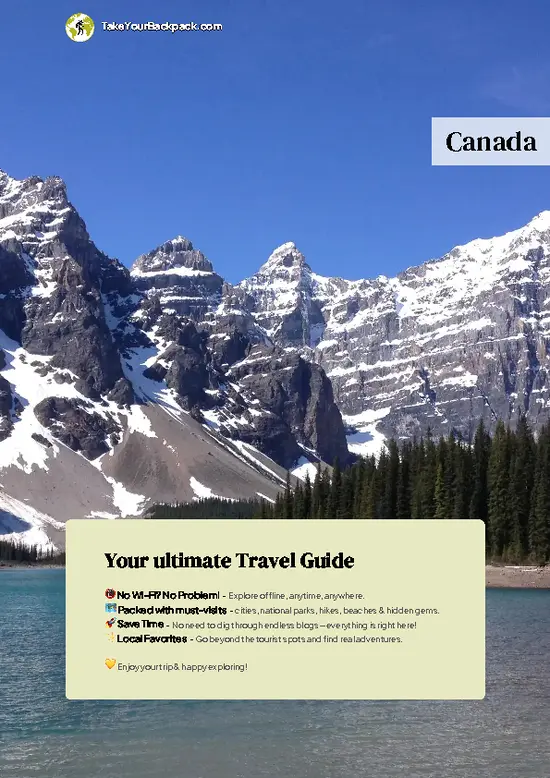
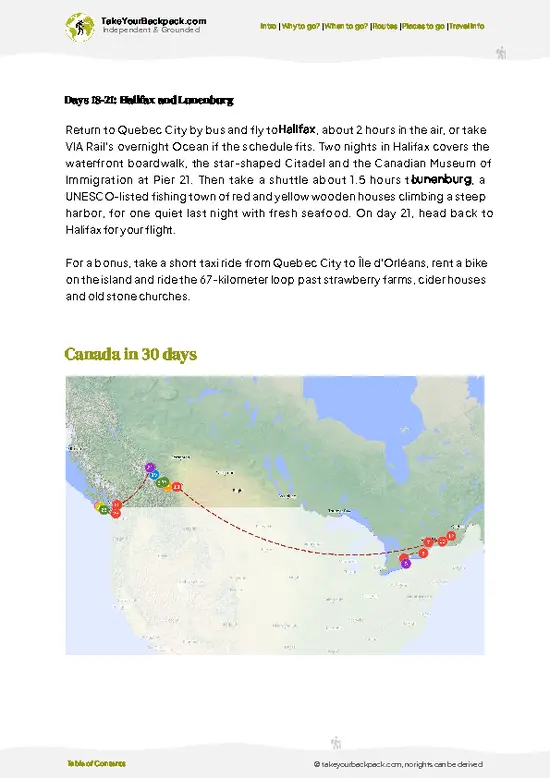
example page 0 from our offline Travel Guide for Canada
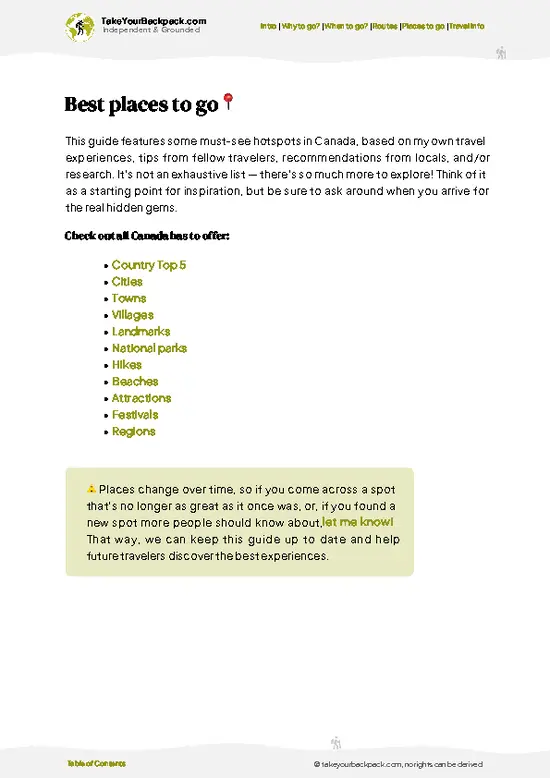
example page 1 from our offline Travel Guide for Canada
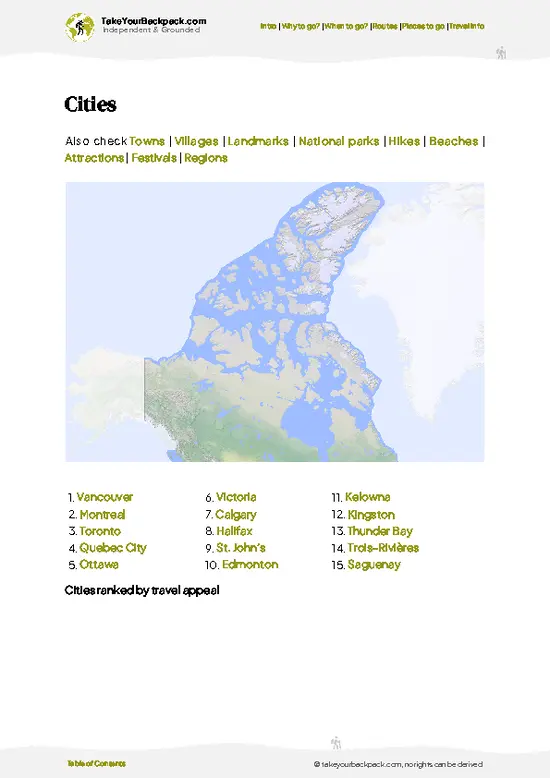
example page 2 from our offline Travel Guide for Canada
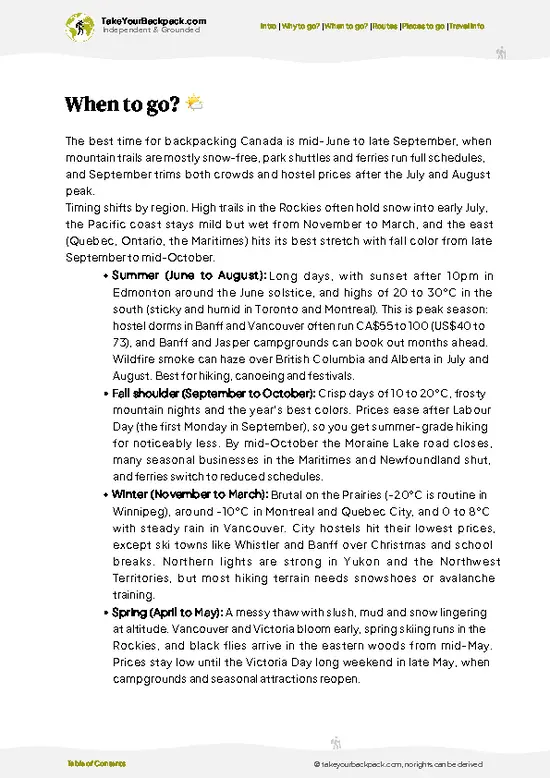
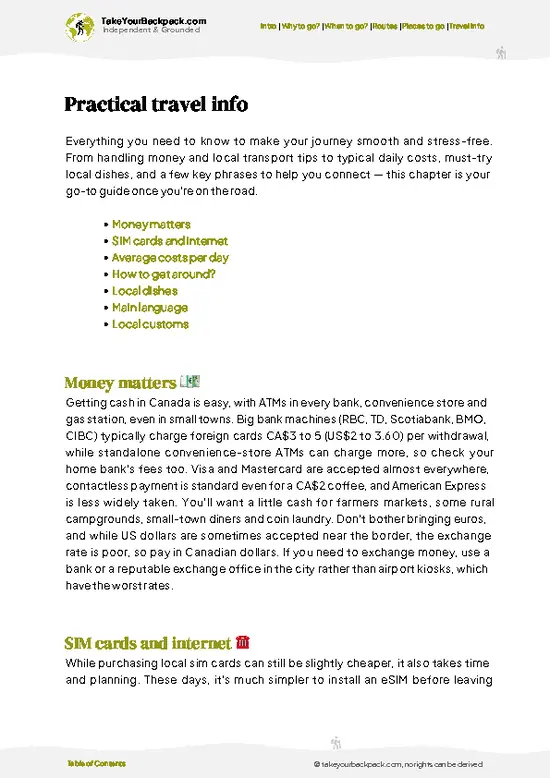
example page 3 from our offline Travel Guide for Canada
example page 4 from our offline Travel Guide for Canada
example page 5 from our offline Travel Guide for Canada
example page 6 from our offline Travel Guide for Canada
example page 7 from our offline Travel Guide for Canada
Loading the map 🌍
CLICK TO FILTER
cities
towns
villages
landmarks
national parks
hikes
beaches
attractions
festivals
regions
SHOW COUNTRY’S BESTSHOW ALL

✨ Why go?
Ranked #18 town in Canada
Why Prince Rupert should be on your travel list

Prince Rupert works as the north coast’s gateway, and most backpackers stay two or three days. The draw is wildlife and water: grizzlies feed at the estuary near Khutzeymateen Inlet, humpback whales work the coastal channels, and the Cow Bay waterfront has cafés and a small, friendly hostel scene. Streets are walkable and the harbor is always in view. It suits solo travelers, slow travelers and anyone linking the Alaska ferry to the rest of British Columbia. Evenings are quiet, so come for the outdoors, not the bars.

💡 HighlightsPlaces and moments you shouldn't skip

  1. Museum of Northern British Columbia: Cedar longhouse-style building on the harbor with Tsimshian carvings, masks and argillite pieces. Open year-round, best on a rainy afternoon. About US$7 to 10, 1 to 2 hours.
  2. Cow Bay: The old fishing waterfront of painted buildings, galleries, cafés and the dock where boats come and go. Go in the morning for coffee and a stroll. Free to wander, 1 to 2 hours.
  3. North Pacific Cannery National Historic Site: A restored 1889 salmon cannery on pilings in Port Edward, with boardwalks and machinery. Open mainly late spring to early fall. About US$12 to 16, 2 hours.
  4. Butze Rapids Trail: A forest boardwalk and trail to tidal rapids that reverse with the tides. Check tide times for the best flow. Free, about 1 hour.
  5. Mount Hays: A steep hike up the access road or the Kiwanis
… read more 👉
  1. Museum of Northern British Columbia: Cedar longhouse-style building on the harbor with Tsimshian carvings, masks and argillite pieces. Open year-round, best on a rainy afternoon. About US$7 to 10, 1 to 2 hours.
  2. Cow Bay: The old fishing waterfront of painted buildings, galleries, cafés and the dock where boats come and go. Go in the morning for coffee and a stroll. Free to wander, 1 to 2 hours.
  3. North Pacific Cannery National Historic Site: A restored 1889 salmon cannery on pilings in Port Edward, with boardwalks and machinery. Open mainly late spring to early fall. About US$12 to 16, 2 hours.
  4. Butze Rapids Trail: A forest boardwalk and trail to tidal rapids that reverse with the tides. Check tide times for the best flow. Free, about 1 hour.
  5. Mount Hays: A steep hike up the access road or the Kiwanis Trail to a summit with views over the harbor and islands. Clear mornings are best. Free, about half a day.
Prince Rupert pairs well with trips to Khutzeymateen grizzly tours, Metlakatla village and whale watching in Chatham Sound. All five sights fit comfortably into one full day, or two at a relaxed pace.
Spotted a mistake or missing something? Contact us.

🏘️ NeighborhoodsKey areas and districts to know

Prince Rupert is compact, strung along a hillside above the harbor, so you can cover it on foot if you accept the rain and the slope.
  • Downtown and Cow Bay: The tight waterfront strip smells of diesel, kelp and fresh coffee. Cow Bay has the cafés, a brewpub and the seafood restaurants, plus the Museum of Northern British Columbia nearby. Eat halibut or salmon here, since the fish arrives off the docks. Walk it, because parking is a hassle and everything sits within about 1 km (0.6 mi).
  • Fairview: Working port land of container cranes, rail yards and the ferry terminal. Gulls scream, trains rumble. Little to see, so pass through rather than linger, and take a taxi or bus with a pack.
  • East Side and Mariner’s Park: Residential streets with quiet trails and sea views. Stroll it for the air, then catch a bus back uphill.

⌛️ 1 dayWhat you can realistically do in a day

9:00 AM: Museum of Northern British Columbia
Start here, and give it a full hour and a half. The longhouse-style building holds Tsimshian carvings, masks and button blankets, and it explains the people whose land this is before you see anything else. Walk five minutes downhill afterward.

10:30 AM: Cow Bay
The small harbor strip smells of salt, coffee and fried fish. Browse the painted shops and boat docks, then grab a coffee and a pastry. Stay about an hour.

12:00 PM: Lunch on the waterfront
Order halibut or salmon at a harbor-side spot. Eat slowly, watch the seaplanes and eagles, then head up the hill on foot.

1:30 PM: Service Park and Mariners’ Memorial
This quiet corner is rarely on the standard circuit. Totems and fishermen’s plaques stand over the harbor, and it takes twenty minutes. Continue … read more 👉
9:00 AM: Museum of Northern British Columbia
Start here, and give it a full hour and a half. The longhouse-style building holds Tsimshian carvings, masks and button blankets, and it explains the people whose land this is before you see anything else. Walk five minutes downhill afterward.

10:30 AM: Cow Bay
The small harbor strip smells of salt, coffee and fried fish. Browse the painted shops and boat docks, then grab a coffee and a pastry. Stay about an hour.

12:00 PM: Lunch on the waterfront
Order halibut or salmon at a harbor-side spot. Eat slowly, watch the seaplanes and eagles, then head up the hill on foot.

1:30 PM: Service Park and Mariners’ Memorial
This quiet corner is rarely on the standard circuit. Totems and fishermen’s plaques stand over the harbor, and it takes twenty minutes. Continue on to the water.

2:30 PM: Kwinitsa Station Railway Museum
This tiny 1911 station sits on the shore and covers the railway that created the town. Rain taps on the roof while you read the displays.

5:00 PM: Sunset at Rushbrook Trail
Walk the boardwalk along the water, then finish with a beer in Cow Bay.

🌤️ When to go?Seasonal considerations and timing

  • Summer (June to September): Highs of 14 to 18°C (57 to 64°F), long light, whale and bear tours, and the busiest ferry and cruise traffic, so beds cost more.
  • Spring and fall: 6 to 12°C (43 to 54°F), fewer crowds, lower rates, and wet stretches.
  • Winter: 0 to 6°C (32 to 43°F), constant rain, short gray days, and the cheapest rooms.
Book ferry and bear tours weeks ahead for July and August.

source: climatestotravel.comJANJanuary: below average for travelingFEBFebruary: below average for travelingMARMarch: fair for travelingAPRApril: good for travelingMAYMay: highly recommended for travelingJUNJune: excellent for travelingJULJuly: excellent for travelingAUGAugust: excellent for travelingSEPSeptember: highly recommended for travelingOCTOctober: fair for travelingNOVNovember: below average for travelingDECDecember: below average for traveling
when-to-go

✈️ The backpacker research shortcutCanada Travel Guide

An offline-friendly backpacking guide with optimized travel routes, ranked highlights, transport advice, and the best areas to stay.
example page 0 from our offline Travel Guide for Canada
example page 1 from our offline Travel Guide for Canada
example page 2 from our offline Travel Guide for Canada
example page 3 from our offline Travel Guide for Canada
example page 4 from our offline Travel Guide for Canada
example page 5 from our offline Travel Guide for Canada
example page 6 from our offline Travel Guide for Canada
example page 7 from our offline Travel Guide for Canada
The digital guide (385 pages) contains:
✅ 125 highlights, ranked by travel appeal
✅ Optimized 14, 21 & 30-day travel routes
✅ Cities, national parks, landmarks, beaches
✅ How to get around
✅ Offline-friendly for travel without Wi-Fi
👉 Click to see all 30+ guide features

📅 Plan smarter in minutes, not weeks
✅ Month by month travel advice
✅ Festivals & national holidays
✅ Budget expectations

🗺️ Go to the right places, skip the overrated ones
✅ Honest pros & cons of destinations
✅ Top hikes, parks & viewpoints
✅ Lesser-known places most travelers miss
✅ Clear “worth it vs skip it” guidance

🛏️ Travel smoothly without rookie mistakes
✅ Best areas to stay
✅ Transport systems explained simply
✅ Common scams & safety advice
✅ SIM cards, money & practical tips

🌍 Understand the country, not just visit it
✅ Culture & traditions
✅ Local customs
✅ Festivals worth planning around
✅ Traveler-friendly historical context
✅ Insights that make places more meaningful

📱 Built for real travel conditions
✅ Fully downloadable PDF
✅ Works completely offline
✅ Optimized for phone use
✅ Useful in remote areas & buses
✅ Everything in one place
Stop searching, start planning
Get instant access to your full guide. 30‑day money-back guarantee.
+ Add another guide for just

By proceeding you agree to our terms.
Sent to your inbox immediately after payment • 100% Secure Checkout
Best Backpacking Travel Advisor 2025 tourism awardBest Backpacking
Travel Advisor
2025
What others say about Take Your Backpack Guides:
⭐⭐⭐⭐⭐
Fantastic, amazing amount of information!
⭐⭐⭐⭐⭐
My goodness this is amazing, it's what I've been looking for hats off too you!
⭐⭐⭐⭐⭐
I think this is absolutely BRILLIANT
⭐⭐⭐⭐
Very complete and informative. It's still missing places, but I gotta to commend you
⭐⭐⭐⭐⭐
This is truly amazing, thank you, can't wait to explore it with my kids!
⭐⭐⭐⭐⭐
Awesome resource, thank you!
⭐⭐⭐⭐⭐
This is amazing! Can't wait to explore the ones I haven't seen
⭐⭐⭐⭐
I love this! Well done, great idea.
⭐⭐⭐⭐⭐
Thanks for taking the time to make this gem!
⭐⭐⭐⭐⭐
This might be the best website I've ever seen.
⭐⭐⭐⭐⭐
Congratulations, and thank you so much for your work; it's incredibly valuable.
⭐⭐⭐⭐
In all seriousness I think you did a great job pointing out the important spots
⭐⭐⭐⭐⭐
10/10 very good
⭐⭐⭐⭐⭐
As someone who's only just starting to visit regularly this is awesome, thank you.
⭐⭐⭐⭐
Thank you very much! I'm going to visit my dad, it's going to be very useful!
⭐⭐⭐⭐⭐
This is really cool! We'll be travelling for the first time and this definitely come in handy.
⭐⭐⭐⭐⭐
You are now our minister of culture, congratulations 👨‍💼
⭐⭐⭐⭐⭐
Just wanted to tell you that this is a pearl! Going to follow your recommendations.
⭐⭐⭐⭐⭐
This is so cool. I'll definitely be using the resource for my travels soon.
⭐⭐⭐⭐⭐
This is very impressive! Good work.
⭐⭐⭐⭐⭐
This is an amazing and informative site. Very well done!

🛏️ Where to stay?Best areas and accommodation options

Downtown near Cow Bay is the best base, since the few hostels and budget rooms are within a 10 minute walk of the bus stops, restaurants and waterfront. Beds are limited, and summer fills them, so book early. Streets here are lit and quiet at night, with only modest pub noise on weekends. A second option is the Fairview side near the ferry terminal, handy for early sailings and train departures, but dull after dark and reliant on taxis for food.

🚌 Getting aroundGetting around like a local

Prince Rupert’s downtown and Cow Bay can be walked end to end in about 20 minutes, but the ferry terminal, airport and big-box stores sit too far out to walk with a pack. Rain is frequent and hills are steep, so a hooded jacket matters more than a bus pass. Public transit is small but dependable on weekdays, thinner on Sundays.
  • Walking: Free, and the best way to see downtown. Wet wooden boardwalks and sidewalks get slick, so wear grippy shoes.
  • BC Transit buses: About US$1.50 to 2 a ride, with a day pass around US$4. Routes link downtown, the ferry terminal and shopping areas, but service stops by early evening, so check the last run before heading out.
  • Taxis: Around US$8 to 15 for most trips in town, and US$20 to 30 to the airport, which is across the water. Pool a cab with other travelers when
… read more 👉
Prince Rupert’s downtown and Cow Bay can be walked end to end in about 20 minutes, but the ferry terminal, airport and big-box stores sit too far out to walk with a pack. Rain is frequent and hills are steep, so a hooded jacket matters more than a bus pass. Public transit is small but dependable on weekdays, thinner on Sundays.
  • Walking: Free, and the best way to see downtown. Wet wooden boardwalks and sidewalks get slick, so wear grippy shoes.
  • BC Transit buses: About US$1.50 to 2 a ride, with a day pass around US$4. Routes link downtown, the ferry terminal and shopping areas, but service stops by early evening, so check the last run before heading out.
  • Taxis: Around US$8 to 15 for most trips in town, and US$20 to 30 to the airport, which is across the water. Pool a cab with other travelers when you arrive off a late ferry.
  • Airport ferry and shuttle: The airport is on Digby Island, reached by a short ferry plus a bus, bundled in one fare near US$20 to 30 (tickets sold at the downtown ferry office).

👛 Costs (as of 22 October 2026)How expensive it really is

Prince Rupert costs roughly US$135 a day for a backpacker in high season, and it is not cheap because of its remote location.
CategoryBudget RangeLocal Reality
Dorm accommodationUS$40 to 60Few hostels, so basic private rooms often run US$70 to 100 in summer.
MealsUS$30 to 50Groceries plus one café or fish and chips meal.
Local transportUS$3 to 8Buses or the occasional taxi.
Basic activities/entry feesUS$12 to 30Museum or cannery entry, free hikes; tours cost far more.
MiscellaneousUS$10 to 15Laundry, snacks, a drink.
Total Daily BudgetUS$135Based on high-season dorm and midpoint costs.
Buy groceries at the supermarket and cook in a hostel kitchen to save the most.

source: princerupert.ca
⚠️ Prices can change and everyone travels differently, so take this as a rough guide. Hope it helps you plan your adventure!

🚌 Day tripsEasy escapes and nearby places

Prince Rupert works well as a base for wildlife and coastal outings, though most need a booked tour.
Khutzeymateen Grizzly Bear Sanctuary:
Boat tours run roughly 8 to 9 hours and cost about US$250 to 350, steep but the best chance to watch grizzlies grazing sedge on the shore. The season runs from May to the end of July. First-timers often arrive without booking, and spots sell out.

Metlakatla:
A 20 minute water taxi ride (about US$40 to 60 return) reaches this Tsimshian village with Indigenous-led heritage tours. Allow half a day and book ahead, since visits are guided.

Port Edward and North Pacific Cannery:
A 20 minute drive or ride gets you to a restored 1889 salmon cannery, with entry near US$12 to 15. Open mainly May to September, and a taxi return is the main cost.

Whale watching: … read more 👉
Prince Rupert works well as a base for wildlife and coastal outings, though most need a booked tour.
Khutzeymateen Grizzly Bear Sanctuary:
Boat tours run roughly 8 to 9 hours and cost about US$250 to 350, steep but the best chance to watch grizzlies grazing sedge on the shore. The season runs from May to the end of July. First-timers often arrive without booking, and spots sell out.

Metlakatla:
A 20 minute water taxi ride (about US$40 to 60 return) reaches this Tsimshian village with Indigenous-led heritage tours. Allow half a day and book ahead, since visits are guided.

Port Edward and North Pacific Cannery:
A 20 minute drive or ride gets you to a restored 1889 salmon cannery, with entry near US$12 to 15. Open mainly May to September, and a taxi return is the main cost.

Whale watching:
Humpbacks and orcas feed offshore from June to September. Half-day boat trips cost around US$120 to 170.

🛡️ SafetyTraveler Safety Guide

Prince Rupert is a safe, small port town where the main hazards are weather and wet footing. Downtown is fine at night, though quiet spots near the rail yards and a few streets around the bus area attract some drunk or erratic behavior on weekends, so stay on lit routes and take a taxi late. Solo travelers are comfortable here. Keep valuables out of parked cars at trailheads. Bears roam trails, so carry spray and make noise.

FAQFrequently asked questions about Prince Rupert

Prince Rupert is a destination in its own right, particularly if you want grizzly bears, whales and a working harbor. The Khutzeymateen Grizzly Bear Sanctuary tours run roughly US$250 to 350 and are the main draw from late spring through summer, while the Museum of Northern British Columbia (about US$10 to 12) and the North Pacific Cannery in nearby Port Edward add history. Many people only come through for the BC Ferries sailings to Haida Gwaii or Alaska, but that undersells the place.
Two to three days works well for Prince Rupert. One day covers the waterfront, Cow Bay, the museum and the Butze Rapids or Tall Trees trails, and a second day suits a bear or whale tour of 6 to 8 hours. Add a third day for the North Pacific Cannery, about 20 minutes by road, or for a bad-weather buffer, since rain falls on many days of the year.
Prince Rupert is a long way from any large city, so a day trip is realistic only from smaller places nearby, and Terrace is about 1.5 to 2 hours inland by road on Highway 16. From Terrace you could reach the harbor, but a return the same day leaves little time, and the Via Rail train from Prince George, the second day of the two-day Jasper to Prince Rupert service, takes a full day. Vancouver is a 1.5-hour flight away, so most travelers stay at least one night to see the wildlife tours properly.
⚠️ Things can change over time, so always validate details locally before you go.

Other Canadian towns near Prince Rupert

Explore more nearby:

  • Powell River—Planned 1910s Townsite, Patricia Theatre, Texada views, Powell Lake| 636 km away
  • Dawson Creek—Mile 0 post, grain elevator gallery, pioneer village| 662 km away
  • Port Alberni—Steam railway, McLean sawmill, Harbour Quay, Nuu-chah-nulth art| 680 km away

💡 Not sure where to go next?
Create a personalized itinerary for Canada including Prince Rupert and the places that fit your trip.

Generate my itinerary

👉 Discover all towns

Or checkout all Canada has to offer (think cities, towns, villages, national parks, hikes, beaches, festivals)
Country photo of Canada

We 💚 feedbackSumming up the experience

Prince Rupert suits hikers, wildlife fans and ferry travelers who like quiet, damp, working-harbor towns. If you want nightlife, skip it. I would book a grizzly or whale tour early and pack a proper rain shell.

✈️ When did I visit Canada?
As part of my 1.5 year travel around the world trip, I visited Canada in 2016.

✍️ Help improve this page!
The information on this page is based on my own backpacking experience in Canada, supplemented with up-to-date research and feedback from other travelers. Travel details can change, so if you notice anything outdated or incomplete, feel free to let me know.


🙋‍♂️ Give feedback

👋 Meet the founderWho’s Behind Take Your Backpack?

Johan, backpacker and founder of TakeYourBackpackHi, I’m Johan (Netherlands 🇳🇱), the creator of TakeYourBackpack. Over the past 3 decades, I’ve backpacked through 90+ countries across six continents, gaining extensive experience with independent travel, long-term trips, and overland routes.

This site is built on a combination of firsthand travel experience and carefully curated insights from other backpackers. Many guides are based on places I’ve personally visited, while others bring together tips, observations, and practical advice shared by trusted travelers I’ve met along the way.

The goal is to provide realistic, experience-driven guidance — not generic itineraries — so you can explore destinations with better context, clearer expectations, and more confidence.