v2.webp)
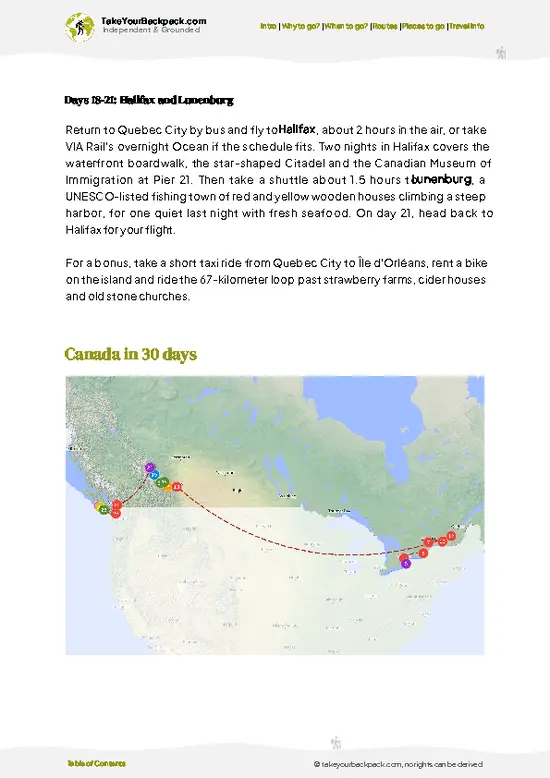
- Wood Bison herds: the park shelters the largest free-roaming herd of wood bison on Earth, often seen grazing right beside the highway.
- Salt Plains Overlook: a short walk leads to a wide white flat of salt left by ancient springs, with a crust you can see crystallize.
- Salt River Trail and Karstland Trail: paths pass sinkholes and gypsum karst, among the biggest of their kind in the north.
- Pine Lake: a quiet lake with a sandy beach, a campground and boat access, good for a swim in midsummer.
- Peace-Athabasca Delta: one of the largest freshwater deltas on the planet, rich in migrating waterfowl.
- Whooping Crane nesting grounds: the only natural nesting site of these rare birds, protected and best seen with special permission or flights.
- Dark Sky Preserve: on clear nights, stars and sometimes northern
- Wood Bison herds: the park shelters the largest free-roaming herd of wood bison on Earth, often seen grazing right beside the highway.
- Salt Plains Overlook: a short walk leads to a wide white flat of salt left by ancient springs, with a crust you can see crystallize.
- Salt River Trail and Karstland Trail: paths pass sinkholes and gypsum karst, among the biggest of their kind in the north.
- Pine Lake: a quiet lake with a sandy beach, a campground and boat access, good for a swim in midsummer.
- Peace-Athabasca Delta: one of the largest freshwater deltas on the planet, rich in migrating waterfowl.
- Whooping Crane nesting grounds: the only natural nesting site of these rare birds, protected and best seen with special permission or flights.
- Dark Sky Preserve: on clear nights, stars and sometimes northern lights fill the sky in near total darkness.
Spotted a mistake or missing something? Contact us.

 Best Backpacking
.jpg) Hi, I’m Johan (Netherlands 🇳🇱), the creator of TakeYourBackpack. Over the past 3 decades, I’ve backpacked through 90+ countries across six continents, gaining extensive experience with independent travel, long-term trips, and overland routes.
Hi, I’m Johan (Netherlands 🇳🇱), the creator of TakeYourBackpack. Over the past 3 decades, I’ve backpacked through 90+ countries across six continents, gaining extensive experience with independent travel, long-term trips, and overland routes.