×

Canada🇨🇦 | best national parksEssential 10 national parks to Explore in Canada

Canada’s national parks are a breathtaking tapestry of diverse landscapes, from the rugged Rockies to the serene shores of the Atlantic. Each park offers a unique blend of wildlife, adventure opportunities, and cultural immersion, making them essential stops for any backpacker or independent traveler.

What defines these parks is not just their stunning vistas but also their regional nuances. For instance, the Pacific Rim National Park boasts temperate rainforests and coastal trails, perfect for those seeking a wet, wild experience. In contrast, Banff National Park offers alpine lakes and towering peaks, ideal for those craving dramatic mountain scenery. Seasonal variations further influence your experience; summer invites vibrant wildflowers and bustling trails, while fall transforms the landscape into a canvas of fiery colors.

Choosing the right national park impacts your vibe, budget, and safety. Parks like Gros Morne in Newfoundland provide a more remote, tranquil atmosphere, while Jasper can be busier but offers more amenities. Understanding these differences helps you tailor your adventure, ensuring you get the most out of your journey through Canada’s natural wonders. Whether you seek solitude or social trails, the right park sets the tone for your exploration.

By Johan Kruseman 🇳🇱 | Updated September 5, 2026
Explore the best hikes in Canada

Why go?Why Travelers Love These Spots

Canada’s national parks are a tapestry of diverse landscapes and rich biodiversity, setting them apart from parks in other countries. The sheer scale of these parks is staggering, with vast expanses of wilderness that invite exploration. From the rugged Rocky Mountains to the serene coastal fjords, each park offers a unique glimpse into the country’s natural heritage. This diversity is not just visual; it encompasses ecosystems ranging from boreal forests to alpine tundra, each teeming with life.

However, the trade-offs in experiencing these parks are significant. Accessibility can be a double-edged sword. Many parks are remote, requiring considerable travel time to reach. While this journey may seem daunting, it often leads to a more profound connection with the land. The longer you travel, … read more 👉
Canada’s national parks are a tapestry of diverse landscapes and rich biodiversity, setting them apart from parks in other countries. The sheer scale of these parks is staggering, with vast expanses of wilderness that invite exploration. From the rugged Rocky Mountains to the serene coastal fjords, each park offers a unique glimpse into the country’s natural heritage. This diversity is not just visual; it encompasses ecosystems ranging from boreal forests to alpine tundra, each teeming with life.

However, the trade-offs in experiencing these parks are significant. Accessibility can be a double-edged sword. Many parks are remote, requiring considerable travel time to reach. While this journey may seem daunting, it often leads to a more profound connection with the land. The longer you travel, the more you immerse yourself in the changing landscapes, the scents of pine and earth, and the sounds of wildlife. Yet, this means sacrificing convenience for depth. Those seeking quick visits may find themselves missing the essence of what makes these parks special.

Infrastructure varies widely across Canada’s national parks. Some are well-equipped with visitor centers, established trails, and amenities, while others demand a more rugged approach. This disparity can affect your experience. A park with robust infrastructure may offer easier access to stunning vistas, but it can also feel more commercialized, diluting the sense of adventure. Conversely, a less accessible park may reward those willing to hike further with solitude and breathtaking views, but it requires a commitment to preparation and resilience.

Culturally, Canada’s national parks reflect the country’s history and respect for nature. Indigenous peoples have long inhabited these lands, and their connection to the environment is woven into the fabric of the parks. Understanding this context enriches the experience, but it also requires travelers to engage thoughtfully with the land and its stories.

Geographically, Canada’s vastness means that climate can vary dramatically from one region to another. This variability affects when and how parks can be explored. Winter sports in the Rockies contrast sharply with summer hiking in the coastal parks. Each season offers distinct opportunities, but also demands careful planning to ensure safety and enjoyment.

Ultimately, the choice to explore Canada’s national parks is a balancing act between time, money, and comfort. The deeper the exploration, the more rewarding the experience, but it often comes at the cost of convenience. Understanding these trade-offs allows travelers to make informed decisions, ensuring that their adventures are not just memorable, but meaningful.
Behind the Scenes of Selection
The list of best national parks in Canada is created based on landscapes, wildlife, adventure opportunities, facilities, and overall experience. If you feel a national park is missing in this list, please let us know.

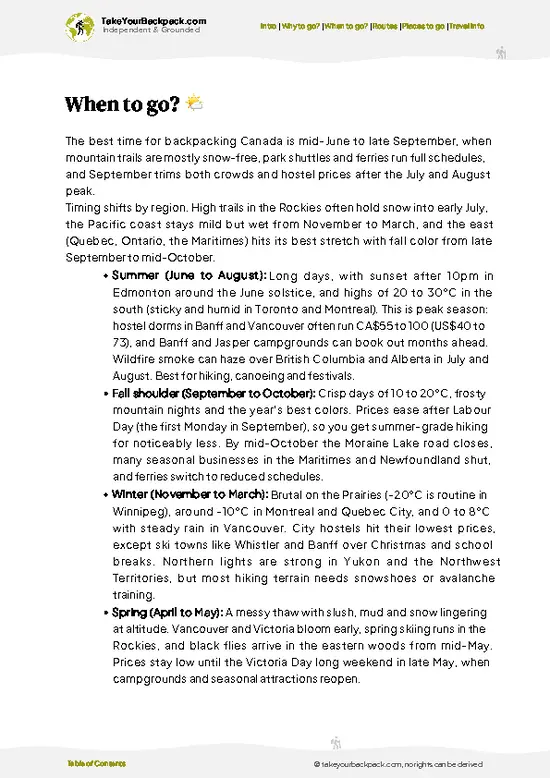
When to go?Best Time to Visit Canada for national parks

Seasonality plays a crucial role in the experience of Canada’s national parks. Each season offers distinct advantages and challenges, shaping everything from wildlife visibility to trail conditions.

Spring brings a refreshing thaw, with temperatures gradually rising. Snow melts, revealing trails that were once buried. This is an excellent time for spotting wildlife emerging from hibernation. Bears, moose, and various bird species become active, creating a lively atmosphere. However, expect rain and muddy trails. The trade-off here is between the vibrant awakening of nature and the potential for soggy boots.

Summer is peak season for many parks. The weather is warm, and trails are fully accessible. This is when the scenery is at its most lush, with wildflowers in bloom and clear skies. Wildlife … read more 👉
Seasonality plays a crucial role in the experience of Canada’s national parks. Each season offers distinct advantages and challenges, shaping everything from wildlife visibility to trail conditions.

Spring brings a refreshing thaw, with temperatures gradually rising. Snow melts, revealing trails that were once buried. This is an excellent time for spotting wildlife emerging from hibernation. Bears, moose, and various bird species become active, creating a lively atmosphere. However, expect rain and muddy trails. The trade-off here is between the vibrant awakening of nature and the potential for soggy boots.

Summer is peak season for many parks. The weather is warm, and trails are fully accessible. This is when the scenery is at its most lush, with wildflowers in bloom and clear skies. Wildlife is abundant, but so are the crowds. Popular trails can feel congested, and reservations may be necessary for campsites. The trade-off is clear: stunning views and vibrant ecosystems come with the challenge of navigating busy paths.

Autumn offers a spectacular display of colors as leaves turn fiery shades. Temperatures begin to drop, creating crisp air that invigorates hikers. Wildlife is still visible, with animals preparing for winter. This shoulder season sees fewer visitors, making it easier to find solitude on trails. However, the weather can be unpredictable, with rain and early snow possible. The trade-off here is between breathtaking scenery and the risk of sudden weather changes.

Winter transforms the parks into a serene, snow-covered landscape. This season is ideal for winter sports enthusiasts, with opportunities for snowshoeing and skiing. Wildlife is less visible, as many animals hibernate or migrate. The cold can be extreme, and trails may be challenging to navigate. The trade-off involves embracing the quiet beauty of winter while accepting limited wildlife sightings and harsher conditions.

Understanding these seasonal patterns is essential for planning. Optimal months vary, but generally, late spring to early fall offers the best conditions for exploration. Shoulder seasons provide unique experiences but come with their own set of challenges. Peak periods, while visually stunning, can lead to crowded trails and higher costs. Each choice carries its own sacrifices, making it vital to weigh the benefits against the potential downsides.

national park hoppingHow to Combine national parks Into One Trip

Combining National Parks in Canada

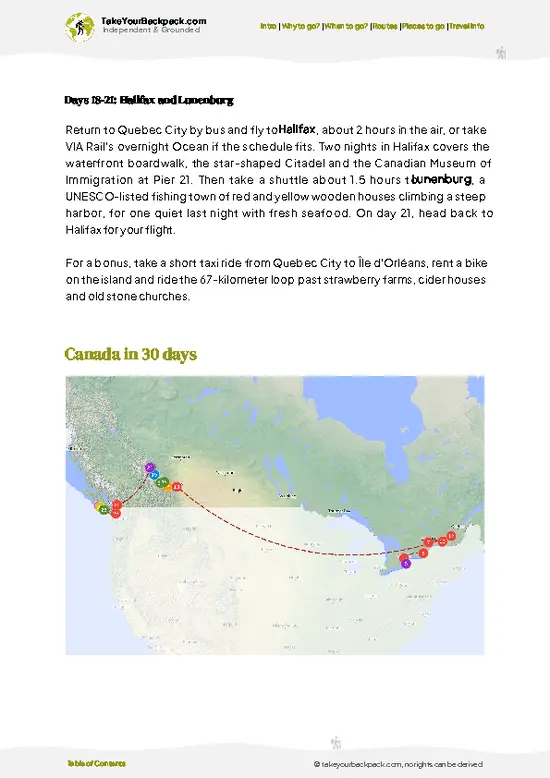
Traveling through Canada’s national parks offers a rich tapestry of landscapes, but combining multiple parks requires thoughtful planning. Start by clustering parks regionally. The Rockies, for instance, are home to Banff and Jasper, while the east features Cape Breton Highlands and Gros Morne. This approach minimizes travel time and maximizes exploration.

Routing Logic

When mapping your journey, consider the direction of travel. A common route is to start in the west with parks like Yoho and Kootenay, then move northeast to Jasper and Banff. This sequence allows for a gradual acclimatization to the varying altitudes and climates. Each park has its own rhythm, so plan for at least two to three days in each to soak in the essence of the surroundings. … read more 👉
Combining National Parks in Canada

Traveling through Canada’s national parks offers a rich tapestry of landscapes, but combining multiple parks requires thoughtful planning. Start by clustering parks regionally. The Rockies, for instance, are home to Banff and Jasper, while the east features Cape Breton Highlands and Gros Morne. This approach minimizes travel time and maximizes exploration.

Routing Logic

When mapping your journey, consider the direction of travel. A common route is to start in the west with parks like Yoho and Kootenay, then move northeast to Jasper and Banff. This sequence allows for a gradual acclimatization to the varying altitudes and climates. Each park has its own rhythm, so plan for at least two to three days in each to soak in the essence of the surroundings.

Time Management

Typical time needed per stop varies. For a deep dive into a park, allocate three days: one for hiking, one for wildlife watching, and one for relaxation or exploring lesser-known trails. If time is tight, consider a quick two-day visit, but be prepared to miss some of the more nuanced experiences.

Planning Mistakes

Common pitfalls include underestimating travel distances and overestimating stamina. Canada’s vastness can be deceptive; a drive that looks short on a map can take hours due to winding roads and weather conditions. Flexibility is key. Allow for spontaneous detours or extended stays if a particular park captivates.

Trade-Offs

Speed versus depth of experience is a crucial trade-off. Rushing through parks may save time but sacrifices the chance to connect with the environment. Budget constraints can also impact comfort. Camping is economical but requires more effort in terms of setup and amenities. Conversely, staying in lodges offers comfort but can strain finances.

Effort versus Reward

The effort invested in exploring a park often correlates with the rewards. A challenging hike may lead to breathtaking vistas, while a leisurely stroll can reveal hidden wildlife. Prioritize experiences that resonate with personal interests, whether that’s photography, hiking, or simply soaking in the atmosphere.

In the end, the journey through Canada’s national parks is about balancing these elements. Thoughtful planning allows for a rewarding experience, where each park contributes to a larger narrative of adventure and discovery.

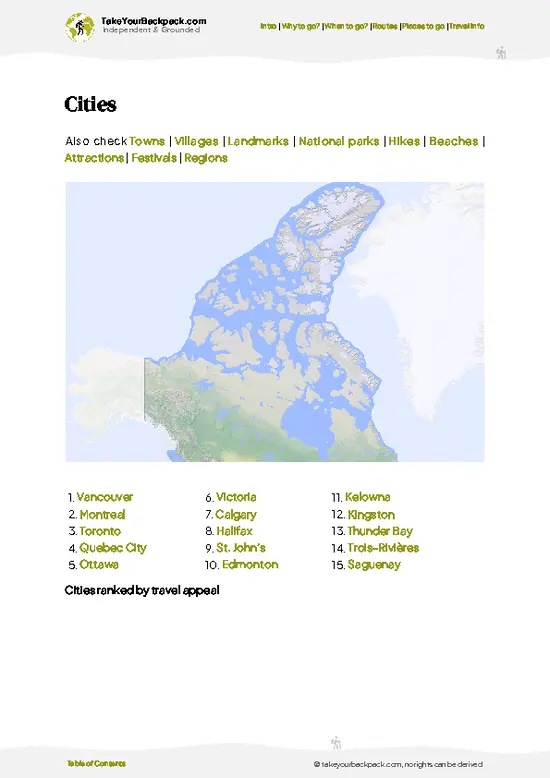
The ListHighly Recommended national parks of Canada

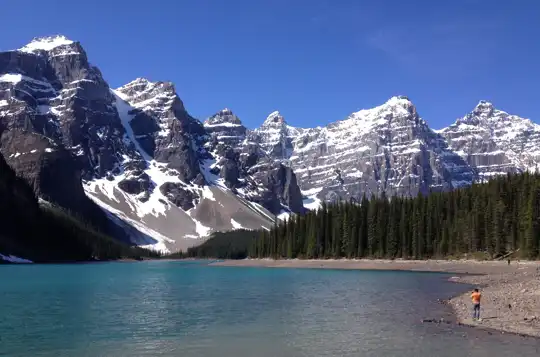
1 Banff National Park

alpine lakes, rugged peaks, wildlife corridors

Hike above turquoise waters, spot elk and bears in open meadows, and experience the Rockies’ dramatic seasonal changes.

Canada - Banff National Park

2 Jasper

glacial lakes, broad valleys, dark sky preserve

Cycle quiet roads, paddle emerald waters, and stargaze in one of the world’s largest accessible dark sky reserves.

Canada - Jasper

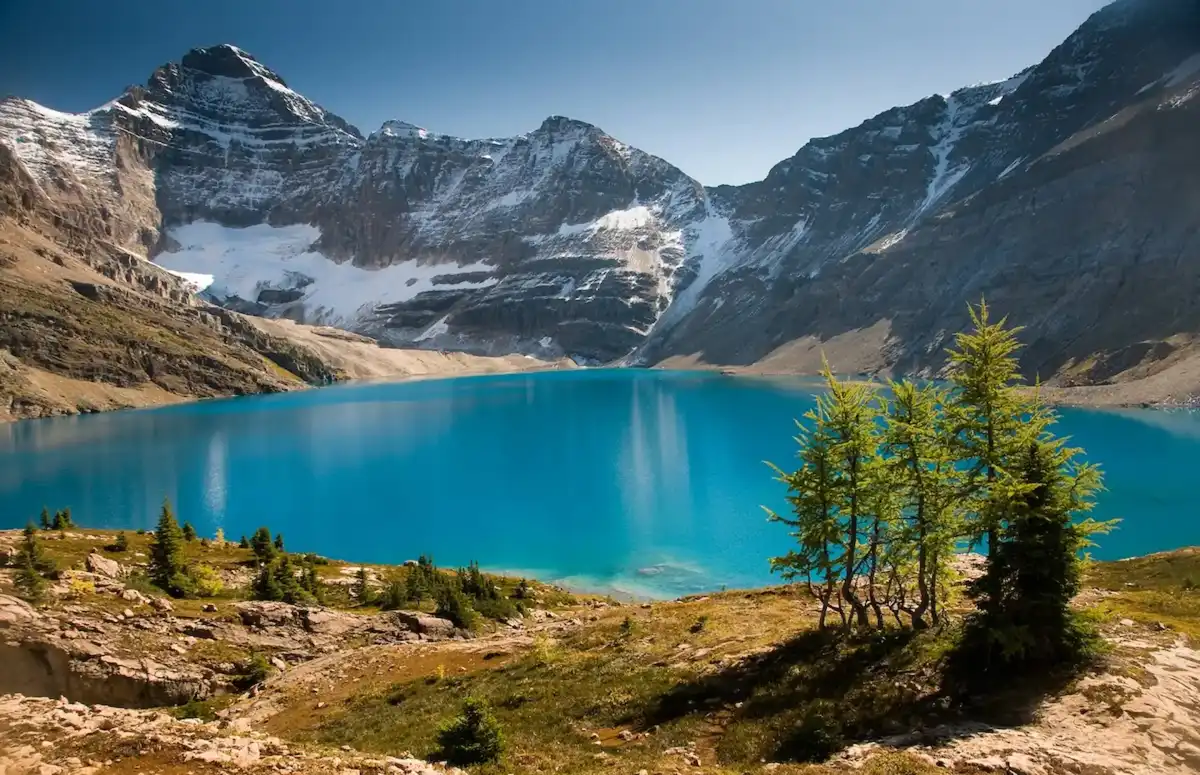
3 Yoho

waterfalls, fossil beds, emerald lakes

Climb to alpine viewpoints, discover ancient marine fossils, and watch glacial rivers plunge over dramatic cliffs.

canada-national-park-yoho
© Google | Magno Cidade

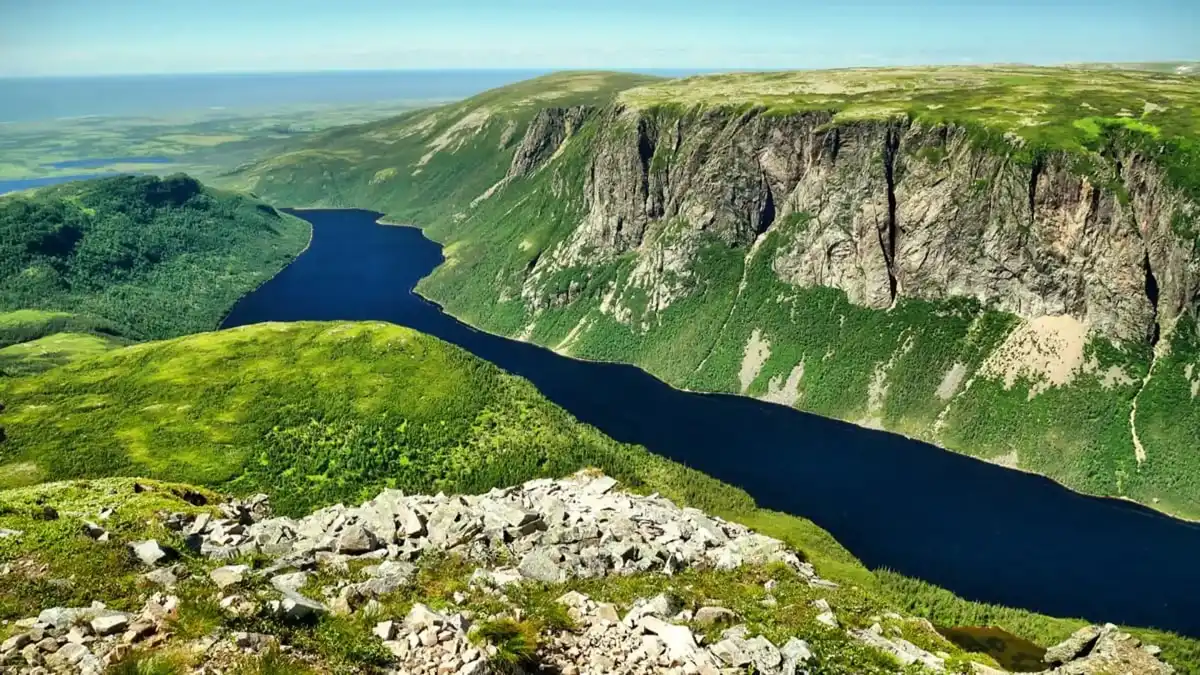
4 Gros Morne

fjord cliffs, Tablelands, coastal bogs

Climb ancient mountains, explore exposed earth’s mantle, and hike through bogs where wildflowers bloom beside saltwater inlets.

canada-national-park-gros-morne
© Google | Martin Oliv

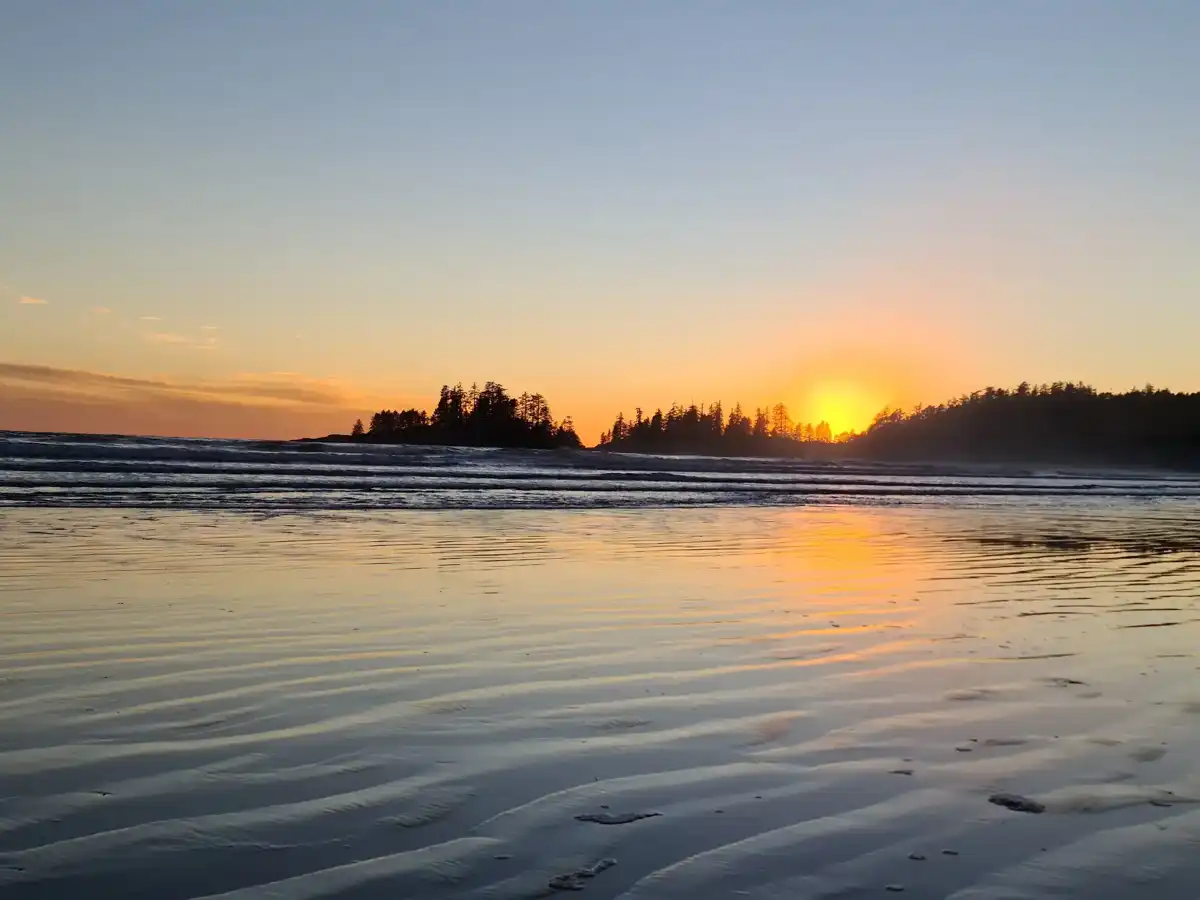
5 Pacific Rim

surf beaches, temperate rainforest, tidal pools

Walk driftwood-strewn shores, watch storms roll in from the Pacific, and explore lush forests alive with moss and ferns.

canada-national-park-pacific-rim
© Google | Jose Domínguez

6 Kluane National Park and Reserve

icefields, grizzly habitat, St. Elias Mountains

Trek beneath towering peaks, cross tundra valleys, and glimpse glaciers that feed some of North America’s wildest rivers.

canada-national-park-kluane-national-park-and-reserve
© Google | Monowar Hossain

7 Waterton Lakes

wind-swept prairie, mountain passes, Red Rock Canyon

Experience shifting weather, hike through open grasslands into rugged mountains, and explore canyons carved by glacial melt.

canada-national-park-waterton-lakes
© Google | Randy Peters

8 Bruce Peninsula National Park

limestone shoreline, turquoise bays, rare orchids

Swim in clear Georgian Bay waters, scramble along rocky trails, and find wildflowers thriving in unique microclimates.

canada-national-park-bruce-peninsula-national-park v1
© Google |

9 Gwaii Haanas National Park Reserve

ancient rainforest, Haida heritage, remote islands

Journey by boat through a network of forested islands, encountering totem poles, moss-draped trees, and wildlife rarely seen elsewhere.

10 Nahanni National Park

deep canyons, Virginia Falls, karst caves

Raft wild rivers through sheer gorges, visit waterfalls twice the height of Niagara, and explore limestone caves hidden in forest.

11 Mount Robson Provincial Park

highest Rockies summit, waterfalls, Berg Lake

Follow trails to thundering falls, camp near turquoise lakes, and gaze up at the towering face of Mount Robson.

canada-national-park-mount-robson-provincial-park
© Google | Christian Schütt

12 Mount Assiniboine Provincial Park

iconic peak, alpine meadows, backcountry huts

Hike to flower-filled plateaus, stay in rustic shelters, and photograph the Matterhorn-like summit mirrored in glacial lakes.

canada-national-park-mount-assiniboine-provincial-park
© Google | Chad Porter

13 Kootenay

hot springs, marble canyons, wildfire regrowth

Soak in natural pools, hike through regenerating forests, and explore deep canyons carved by turquoise rivers.

canada-national-park-kootenay
© Google | Kenny Burger

14 La Mauricie National Park

Laurentian hills, tranquil lakes, maple forest

Paddle across mirror-like lakes, trek rolling hills, and camp under a canopy of hardwoods that blaze with color in autumn.

15 Cape Breton Highlands National Park

highland plateaus, ocean vistas, Acadian forest

Drive winding cliffside roads, walk through wind-bent spruce, and watch moose graze in open barrens above the Atlantic.

canada-national-park-cape-breton-highlands-national-park
© Google | Mike Corrigan

16 Fundy National Park

dramatic tides, coastal cliffs, Acadian forest

Watch the world’s highest tides reshape the coastline, hike through dense woods, and discover waterfalls hidden in deep river valleys.

canada-national-park-fundy-national-park
© Google |

17 Dinosaur Provincial Park

badlands, fossil beds, hoodoo formations

Wander among sculpted clay hills, search for dinosaur bones, and camp beneath a sky that glows with prairie sunsets.

canada-national-park-dinosaur-provincial-park
© Google | Scott Perley

18 Wood Buffalo National Park

salt plains, bison herds, whooping crane nesting

Travel vast boreal plains, watch wild bison roam, and visit nesting grounds of endangered cranes in Canada’s largest park.

canada-national-park-wood-buffalo-national-park
© Google | Carol Faust

19 Forillon National Park

sea cliffs, boreal forest, Gaspé Peninsula

Hike to panoramic headlands, watch whales from rugged shores, and explore the meeting point of mountains and ocean.

20 Auyuittuq

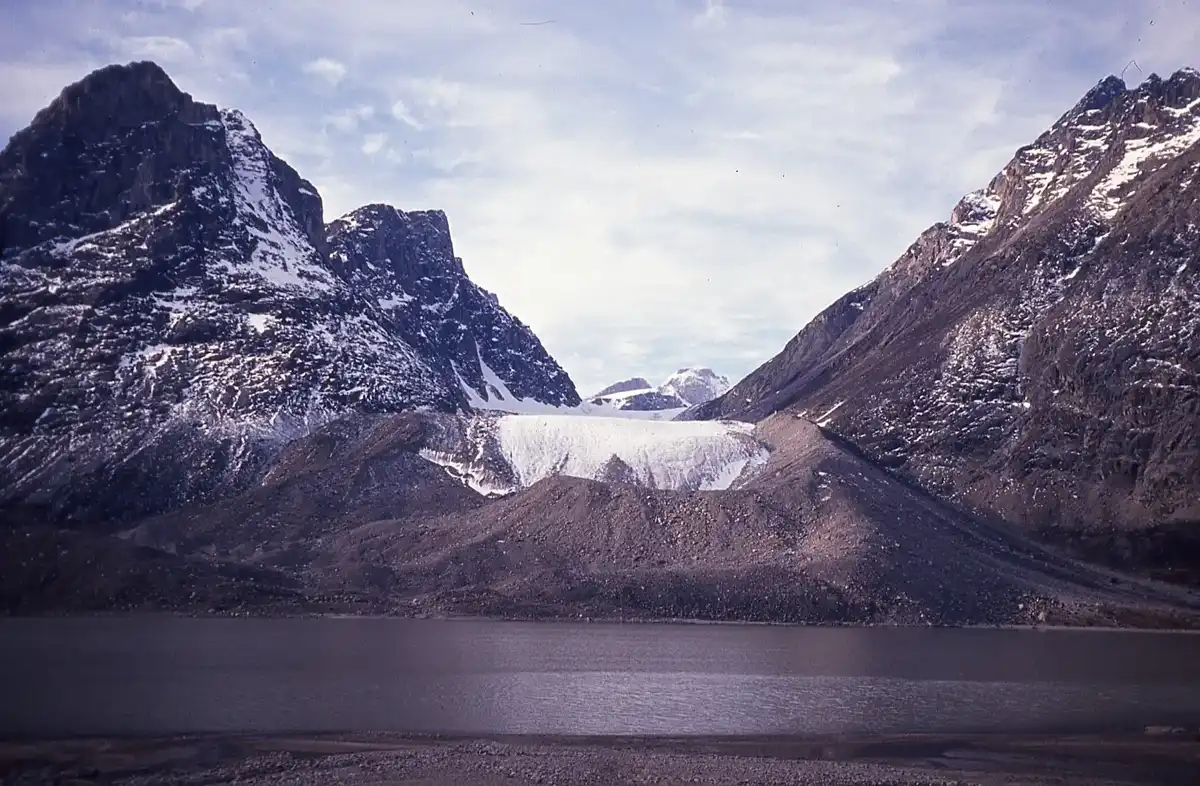
Arctic peaks, glaciers, tundra valleys

Traverse stark landscapes of ice and rock, cross braided rivers, and witness the midnight sun on Baffin Island’s wild expanse.

canada-national-park-auyuittuq
© Google | Scott Elliott

21 Grasslands National Park

prairie wilderness, bison herds, badger burrows

Walk open plains under vast skies, watch bison graze, and spot burrowing owls in a landscape shaped by wind and grass.

canada-national-park-grasslands-national-park
© Google | Tom Dawson

22 Kejimkujik National Park

canoe routes, Mi’kmaq petroglyphs, inland lakes

Paddle historic waterways, discover ancient rock carvings, and camp beside lakes ringed by pine and hemlock.

canada-national-park-kejimkujik-national-park
© Google | Kaiyan Liang

23 Mingan Archipelago National Park Reserve

limestone monoliths, seabird colonies, windswept islets

Navigate among sculpted rock formations, spot puffins and seals, and wander beaches shaped by centuries of wind and sea.

24 Hamber provincial park

remote valleys, old-growth forest, glacial rivers

Venture into seldom-visited valleys, follow rivers fed by melting ice, and camp beneath towering spruce and hemlock.

canada-national-park-hamber-provincial-park
© Google | Itai Leshniak

Think you know Canada?

Prove you’re a true local — uncover 14 lesser-known national parks in Canada that locals tend to keep to themselves.
Loading the map 🌍

Expert viewInsights from Locals and Experts

Terrain

Canada’s national parks are a sprawling canvas of diverse landscapes, each with its own character. From the jagged peaks of the Rockies to the rolling hills of the Prairies, the terrain dictates not just the scenery but also the experiences you’ll have.

In the Rockies, for instance, the elevation can be a double-edged sword. The breathtaking views from high altitudes come with a price: altitude sickness can sneak up on you if you’re not acclimatized. You might find yourself gasping for air while trying to catch a glimpse of a mountain goat perched on a cliff. The trails here are often steep and rocky, demanding a good level of fitness. If you’re short on time, focus on a few key hikes that offer the most rewarding vistas, but be prepared to sacrifice some comfort. The trails can … read more 👉

Terrain

Canada’s national parks are a sprawling canvas of diverse landscapes, each with its own character. From the jagged peaks of the Rockies to the rolling hills of the Prairies, the terrain dictates not just the scenery but also the experiences you’ll have.

In the Rockies, for instance, the elevation can be a double-edged sword. The breathtaking views from high altitudes come with a price: altitude sickness can sneak up on you if you’re not acclimatized. You might find yourself gasping for air while trying to catch a glimpse of a mountain goat perched on a cliff. The trails here are often steep and rocky, demanding a good level of fitness. If you’re short on time, focus on a few key hikes that offer the most rewarding vistas, but be prepared to sacrifice some comfort. The trails can be crowded, especially during peak season, which might detract from the solitude you seek.

On the other hand, parks like Kejimkujik in Nova Scotia offer a gentler terrain, perfect for leisurely canoeing and hiking. The lush forests and serene lakes create a tranquil atmosphere, but the trade-off is that you might miss out on the dramatic landscapes that other parks provide. If you’re looking to cover multiple parks, consider the time it takes to travel between them. The vast distances can eat into your adventure, so prioritize parks that align with your interests and energy levels.

Park Infrastructure

Infrastructure varies widely across Canada’s national parks, impacting your overall experience. Some parks, like Banff and Jasper, are well-equipped with visitor centers, campgrounds, and amenities that make your stay comfortable. You can grab a hot meal after a long day of hiking, and the well-marked trails make navigation straightforward. However, this convenience often comes with crowds. If you’re after a more intimate experience, you might need to venture off the beaten path, which can lead to less-maintained trails and a greater sense of adventure—but also more uncertainty.

In contrast, parks like Nahanni in the Northwest Territories are remote and rugged, offering a raw experience of nature. The infrastructure is minimal, which means you’ll need to be self-sufficient. This can be thrilling, but it also requires careful planning. You might have to carry in all your supplies, and the lack of facilities means you’ll need to be prepared for anything. The payoff? An unparalleled connection to the wilderness, where the only sounds are the rustling leaves and the distant call of a wolf.

Wildlife Activity

Wildlife encounters can be one of the most rewarding aspects of visiting national parks, but they come with their own set of considerations. Parks like Wood Buffalo are home to bison and a rich variety of bird species, but spotting them often requires patience and a willingness to wander off the main trails. If you’re short on time, you might have to choose between a guided tour that guarantees sightings or striking out on your own for a more authentic experience.

In contrast, parks like Gros Morne offer a different wildlife dynamic. The coastal environment attracts seals and seabirds, and the chance to see them is often tied to the tides. If you plan your visit around low tide, you’ll have a better chance of witnessing these creatures in their natural habitat. However, this requires careful timing and can limit your flexibility in exploring other areas of the park.

Time Management

When it comes to time spent in each park, the general rule of thumb is to allocate at least two to three days per park to truly soak in the experience. However, if you’re keen on visiting multiple parks, you may need to cut that time down. This often leads to a rushed experience, where you might find yourself snapping photos instead of truly engaging with the landscape.

If you’re planning to hit several parks in a single trip, prioritize those that are geographically close to each other. This minimizes travel time and maximizes your exploration time. But remember, the more parks you try to cram into your itinerary, the less depth you’ll experience in each. The beauty of Canada’s national parks lies in their unique stories and ecosystems, and rushing through them can feel like skimming the surface of a rich novel.

Budget Considerations

Budgeting for a national park adventure in Canada can be tricky. Entrance fees vary, and while some parks are relatively affordable, others can be pricier, especially if you opt for guided tours or specialized activities like canoe rentals or wildlife safaris.

If you’re looking to stretch your budget, consider camping instead of staying in lodges. Many parks offer campgrounds that allow you to immerse yourself in nature, but this comes with its own trade-offs. You’ll need to be prepared for the elements, and the comfort level will be lower than in a cozy cabin. However, the experience of waking up to the sounds of nature and the smell of pine is worth it for many.

If you’re traveling with family or a group, look into group rates for activities or accommodations. This can significantly reduce costs, but it may also limit your choices. You might have to compromise on the type of experience you want, whether it’s a guided hike or a more independent exploration.

Safety & Cultural Considerations

Safety is paramount in Canada’s national parks, especially in remote areas where cell service is spotty. Always inform someone of your plans and carry a map and compass. Wildlife encounters can be thrilling, but they also require respect and caution. Understanding bear safety protocols is crucial, especially in parks like Yoho and Kootenay, where bear activity is common.

Cultural considerations also play a role in your experience. Many parks are located on or near Indigenous lands, and understanding the local culture can enrich your visit. Engaging with Indigenous-led tours or programs can provide deeper insights into the land and its history. However, these experiences often require advance booking, so plan accordingly.

Ultimately, the trade-offs between time, money, and comfort will shape your Canadian national park adventure. By understanding the terrain, infrastructure, wildlife, and cultural context, you can make informed choices that lead to a fulfilling experience. Embrace the journey, and let the landscapes and stories unfold at their own pace.

✈️ The backpacker research shortcutCanada Travel Guide

An offline-friendly backpacking guide with optimized travel routes, ranked highlights, transport advice, and the best areas to stay.
example page 0 from our offline Travel Guide for Canada
example page 1 from our offline Travel Guide for Canada
example page 2 from our offline Travel Guide for Canada
example page 3 from our offline Travel Guide for Canada
example page 4 from our offline Travel Guide for Canada
example page 5 from our offline Travel Guide for Canada
example page 6 from our offline Travel Guide for Canada
example page 7 from our offline Travel Guide for Canada
The digital guide (492 pages) contains:
127 highlights, ranked by travel appeal
Optimized 14, 21 & 30-day travel routes
Cities, national parks, landmarks, beaches
How to get around
Offline-friendly for travel without Wi-Fi
👉 Click to see all 30+ guide features

📅 Plan smarter in minutes, not weeks
Month by month travel advice
Festivals & national holidays
Budget expectations

🗺️ Go to the right places, skip the overrated ones
Honest pros & cons of destinations
Top hikes, parks & viewpoints
Lesser-known places most travelers miss
Clear “worth it vs skip it” guidance

🛏️ Travel smoothly without rookie mistakes
Best areas to stay
Transport systems explained simply
Common scams & safety advice
SIM cards, money & practical tips

🌍 Understand the country, not just visit it
Culture & traditions
Local customs
Festivals worth planning around
Traveler-friendly historical context
Insights that make places more meaningful

📱 Built for real travel conditions
Fully downloadable PDF
Works completely offline
Optimized for phone use
Useful in remote areas & buses
Everything in one place
Save weeks of stressful planning
Get instant access to your full guide. 30‑day money-back guarantee.
+ Add another guide for just JP¥1170

By proceeding you agree to our terms.
Sent to your inbox immediately after payment • 100% Secure Checkout
Best Backpacking Travel Advisor 2025 tourism awardBest Backpacking
Travel Advisor
2025
What others say about Take Your Backpack Guides:
⭐⭐⭐⭐⭐
Fantastic, amazing amount of information!
⭐⭐⭐⭐⭐
My goodness this is amazing, it's what I've been looking for hats off too you!
⭐⭐⭐⭐⭐
I think this is absolutely BRILLIANT
⭐⭐⭐⭐
Very complete and informative. It's still missing places, but I gotta to commend you
⭐⭐⭐⭐⭐
This is truly amazing, thank you, can't wait to explore it with my kids!
⭐⭐⭐⭐⭐
Awesome resource, thank you!
⭐⭐⭐⭐⭐
This is amazing! Can't wait to explore the ones I haven't seen
⭐⭐⭐⭐
I love this! Well done, great idea.
⭐⭐⭐⭐⭐
Thanks for taking the time to make this gem!
⭐⭐⭐⭐⭐
This might be the best website I've ever seen.
⭐⭐⭐⭐⭐
Congratulations, and thank you so much for your work; it's incredibly valuable.
⭐⭐⭐⭐
In all seriousness I think you did a great job pointing out the important spots
⭐⭐⭐⭐⭐
10/10 very good
⭐⭐⭐⭐⭐
As someone who's only just starting to visit regularly this is awesome, thank you.
⭐⭐⭐⭐
Thank you very much! I'm going to visit my dad, it's going to be very useful!
⭐⭐⭐⭐⭐
This is really cool! We'll be travelling for the first time and this definitely come in handy.
⭐⭐⭐⭐⭐
You are now our minister of culture, congratulations 👨‍💼
⭐⭐⭐⭐⭐
Just wanted to tell you that this is a pearl! Going to follow your recommendations.
⭐⭐⭐⭐⭐
This is so cool. I'll definitely be using the resource for my travels soon.
⭐⭐⭐⭐⭐
This is very impressive! Good work.
⭐⭐⭐⭐⭐
This is an amazing and informative site. Very well done!

🛏️ Where to stay?Accommodation Highlights

Yes — hostels and budget accommodation are common across Canada, with the biggest selections in Toronto (Downtown, Entertainment District, Queen West, Harbourfront), Vancouver (Downtown, Gastown, Yaletown), Montreal (Old Montreal, Plateau, Mile End, Quartier des Spectacles), Quebec City (Old Quebec, Saint‑Roch), Victoria (Downtown/Inner Harbour) and mountain towns like Banff/Canmore.
Downtown and harbourfront neighbourhoods give best transit access and nightlife but are noisier and pricier; artsy areas like Queen West, Plateau or Mile End offer cheaper beds and lively nights but can be busy and less polished; Gastown/Yaletown feel safer and more walkable yet cost more.
Mountain towns put … read more 👉
Yes — hostels and budget accommodation are common across Canada, with the biggest selections in Toronto (Downtown, Entertainment District, Queen West, Harbourfront), Vancouver (Downtown, Gastown, Yaletown), Montreal (Old Montreal, Plateau, Mile End, Quartier des Spectacles), Quebec City (Old Quebec, Saint‑Roch), Victoria (Downtown/Inner Harbour) and mountain towns like Banff/Canmore.
Downtown and harbourfront neighbourhoods give best transit access and nightlife but are noisier and pricier; artsy areas like Queen West, Plateau or Mile End offer cheaper beds and lively nights but can be busy and less polished; Gastown/Yaletown feel safer and more walkable yet cost more.
Mountain towns put you next to trails and parks but have fewer beds and much higher peak-season prices so book early; residential outskirts are quieter and cheaper but add transit time and limit late-night options.

If you enjoy meeting fellow travelers, consider choosing hostels with high ratings for atmosphere. On the other hand, if you prefer having your own space, a hotel might be a better option.

CanadaSee More of Canada

👋 Meet the founderWho’s Behind Take Your Backpack?

Johan, backpacker and founder of TakeYourBackpackHi, I’m Johan (Netherlands 🇳🇱), the creator of TakeYourBackpack. Over the past decade, I’ve backpacked through 80+ countries across six continents, gaining extensive experience with independent travel, long-term trips, and overland routes.

This site is built on a combination of firsthand travel experience and carefully curated insights from other backpackers. Many guides are based on places I’ve personally visited, while others bring together tips, observations, and practical advice shared by trusted travelers I’ve met along the way.

The goal is to provide realistic, experience-driven guidance — not generic itineraries — so you can explore destinations with better context, clearer expectations, and more confidence.

Get full Canada guide •
Instant download • 127 highlights • Full Offline guide