v2.webp)
- Bloody Bay Wall — The signature Little Cayman dive site: a sheer, coral-covered drop-off that plunges into deep water right off the reef. You won’t find crowds here like other Caribbean walls, and the sheer concentration of healthy corals, turtles, reef sharks and big pelagics makes it a must for divers (and a fantastic snorkel trip to the shallower sections).
- Booby Pond Nature Reserve — A real local powerhouse for wildlife: an important rookery for red-footed boobies and frigatebirds. A short boardwalk/viewing area lets you see nesting colonies without disturbing them — a uniquely Little Cayman birding experience you won’t get on the bigger islands.
- Owen Island (the sand cay) — Tiny, cutely remote, and ringed with excellent snorkeling: clear shallow reef, big coral heads and calm water
- Bloody Bay Wall — The signature Little Cayman dive site: a sheer, coral-covered drop-off that plunges into deep water right off the reef. You won’t find crowds here like other Caribbean walls, and the sheer concentration of healthy corals, turtles, reef sharks and big pelagics makes it a must for divers (and a fantastic snorkel trip to the shallower sections).
- Booby Pond Nature Reserve — A real local powerhouse for wildlife: an important rookery for red-footed boobies and frigatebirds. A short boardwalk/viewing area lets you see nesting colonies without disturbing them — a uniquely Little Cayman birding experience you won’t get on the bigger islands.
- Owen Island (the sand cay) — Tiny, cutely remote, and ringed with excellent snorkeling: clear shallow reef, big coral heads and calm water perfect for a picnic and a swim. Local boats make short day runs here; it feels like your own private little cay.
- Bonefishing the flats — Little Cayman’s shallow turquoise flats are world-class for sight fishing. It’s a patient, low-tech, hyper-local experience—wading the flats, stalking tailing bonefish, and learning three generations’ worth of local bonefishing tricks.
- Mangrove paddling and flats exploration (hidden gem) — The island’s mangrove fringes are quiet, maze-like and full of life: juvenile fish, rays, mangrove crabs and shorebirds. Bring a kayak or paddleboard for low-tide exploration — you’ll often see things snorkelers and divers miss.
- Sea-turtle nesting beaches and hatchling watches (seasonal, hidden gem) — Little Cayman’s beaches are important nesting sites for green and loggerhead turtles. With a local guide you can do a responsible dawn/dusk walk during nesting season to see nesting turtles or tiny hatchlings making their dash to sea — a fragile, unforgettable moment.
- Quiet western and southern shore beaches — The island isn’t about crowded resort beaches; it’s about finding your own stretch of sand. Walkable coves and low dunes here are perfect for long sunsets, shell hunting, and uninterrupted views of the reef line — great if you want the “island to yourself” vibe.
- Local fishing piers and the island community docks (hidden gem) — These working spots are where island life happens: fishermen bringing in the day’s catch, informal conversations about the currents, and the chance to buy fresh fish straight off the boat. It’s simple, social, local — a fast way to understand how Little Caymaners live.
- Night dives and snorkels along the reef (hidden gem) — The reef comes alive after dark in ways daytime trips don’t show: lobsters, sleeping parrotfish, and oddball macro critters. Little Cayman’s low light pollution means night snorkels can also reveal terrific starlight and bioluminescence if conditions line up.
- Shorebird and coastal birding stops — Beyond Booby Pond, the island’s shorelines and flats attract migratory and resident shorebirds, including oystercatchers, plovers and sandpipers. Walk a spit or sit quietly on a mangrove edge at low tide for excellent, laid-back birdwatching that’s characteristic of this tiny island.
Spotted a mistake or missing something? Contact us.
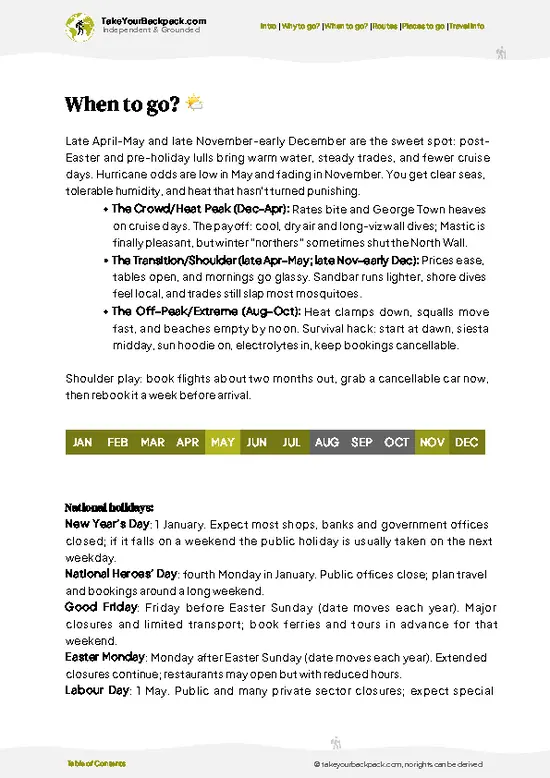

 Best Backpacking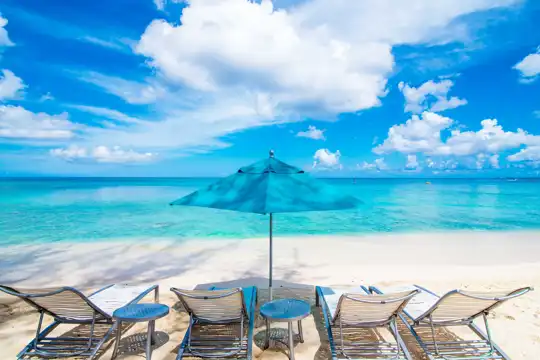
.jpg) Hi, I’m Johan (Netherlands 🇳🇱), the creator of TakeYourBackpack. Over the past decade, I’ve backpacked through 80+ countries across six continents, gaining extensive experience with independent travel, long-term trips, and overland routes.
Hi, I’m Johan (Netherlands 🇳🇱), the creator of TakeYourBackpack. Over the past decade, I’ve backpacked through 80+ countries across six continents, gaining extensive experience with independent travel, long-term trips, and overland routes.