v2.webp)
- Iglesia San Pedro: The village’s best-known landmark is a whitewashed adobe church dating from the 18th century, with cactus-wood doors and a cactus-wood ceiling. Its bell tower is a simple, squat shape against the plaza trees. Go in the morning when the light is soft and the nave is quiet. Entry is usually free or a small donation, and 20 to 30 minutes is plenty.
- Museo Arqueológico Gustavo Le Paige: A Belgian Jesuit priest gathered this collection over decades, and it explains the Atacameño (Lickanantay) people better than any tour guide will. Look for the snuffing tablets for hallucinogenic seeds and the textiles. Visit in the late morning, before tour buses return in the afternoon. Tickets cost about US$3, it is closed on weekends, and you should allow 1 to 1.5 hours.
- Plaza de Armas: The
- Iglesia San Pedro: The village’s best-known landmark is a whitewashed adobe church dating from the 18th century, with cactus-wood doors and a cactus-wood ceiling. Its bell tower is a simple, squat shape against the plaza trees. Go in the morning when the light is soft and the nave is quiet. Entry is usually free or a small donation, and 20 to 30 minutes is plenty.
- Museo Arqueológico Gustavo Le Paige: A Belgian Jesuit priest gathered this collection over decades, and it explains the Atacameño (Lickanantay) people better than any tour guide will. Look for the snuffing tablets for hallucinogenic seeds and the textiles. Visit in the late morning, before tour buses return in the afternoon. Tickets cost about US$3, it is closed on weekends, and you should allow 1 to 1.5 hours.
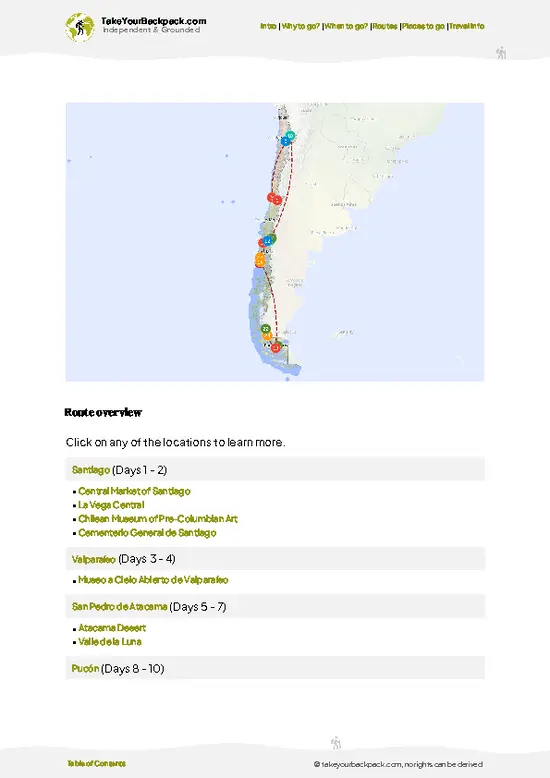
- Plaza de Armas: The shaded square is where the village gathers, with algarrobo and chañar trees, benches, and kids playing football by the church. It is a good place to sit for a sandwich or an ice cream and watch tour vans collect people. Free, and 20 to 40 minutes is enough. Late afternoon is the liveliest.
- Calle Caracoles: The main drag is a strip of adobe-walled restaurants, outfitters, bars and tour agencies, and the best spot to compare tours before booking. Wander it in the early evening when the shops are open and the lights come on. Browsing is free, and an hour covers it.
- Paseo Artesanal: A small handicrafts market of alpaca knitwear, ceramics, and carved cactus wood and stone. Quality varies, so look for stalls where the maker is present. Open most days, with the best choice in the afternoon. Browsing is free, purchases typically run US$5 to 40, and 30 to 45 minutes is enough.
Spotted a mistake or missing something? Contact us.

Gong Bath in the Magic Forest in San Pedro de Atacama

Ascent of Toco Volcano

Aire Libre - Astro Tour with big telescopes

Full Atacama - SORBAC (group tours)

Private Tour of the Moon Valley

Full Day Tour to Red Stones, High Plains and Chaxa

Lascar Volcano ascent from San Pedro de Atacama

3-Day Tour in San Pedro de Atacama with Tickets and Food

Bike Tour to Garganta del Diablo, includes bike


 Best Backpacking
.jpg) Hi, I’m Johan (Netherlands 🇳🇱), the creator of TakeYourBackpack. Over the past 3 decades, I’ve backpacked through 90+ countries across six continents, gaining extensive experience with independent travel, long-term trips, and overland routes.
Hi, I’m Johan (Netherlands 🇳🇱), the creator of TakeYourBackpack. Over the past 3 decades, I’ve backpacked through 90+ countries across six continents, gaining extensive experience with independent travel, long-term trips, and overland routes.