×

Chile🇨🇱 | best townsYour Guide to the 10 Best towns in Chile

In Chile, the best towns offer a unique blend of culture, charm, and walkability, each shaped by distinct regional characteristics. From the arid landscapes of the north to the lush valleys of the south, the choice of town can significantly influence your backpacking experience. For instance, towns like San Pedro de Atacama provide a gateway to stunning desert landscapes, while Valparaíso boasts vibrant street art and a bohemian vibe.

Understanding seasonal nuances is crucial; summer brings crowds to coastal towns, while winter transforms the Andes into a ski haven. Your choice impacts not just the vibe but also your budget and safety. Smaller towns often offer more affordable accommodations and a chance for deeper cultural immersion, while larger cities might provide better infrastructure for independent travel. By selecting the right town, you unlock a richer, more tailored experience that aligns with your travel style and goals.

By Johan Kruseman 🇳🇱 | Updated June 14, 2026
Explore the best villages in Chile

Why go?Understanding Their Importance

In Chile, towns matter because they encapsulate the country’s diverse cultural tapestry and unique geographic features. Each town reflects the local pace of life, shaped by its surroundings, whether it’s the arid Atacama Desert or the lush Lake District. This variety offers travelers a chance to experience distinct culinary traditions and cultural practices that differ significantly from one region to another.

Chile’s elongated shape creates a natural clustering of towns, which can influence your itinerary. For instance, visiting towns in the north may require more travel time to reach those in the south, but this trade-off allows for a deeper exploration of regional characteristics. The contrast between the coastal towns and those nestled in the Andes provides a rich palette of experiences, … read more 👉
In Chile, towns matter because they encapsulate the country’s diverse cultural tapestry and unique geographic features. Each town reflects the local pace of life, shaped by its surroundings, whether it’s the arid Atacama Desert or the lush Lake District. This variety offers travelers a chance to experience distinct culinary traditions and cultural practices that differ significantly from one region to another.

Chile’s elongated shape creates a natural clustering of towns, which can influence your itinerary. For instance, visiting towns in the north may require more travel time to reach those in the south, but this trade-off allows for a deeper exploration of regional characteristics. The contrast between the coastal towns and those nestled in the Andes provides a rich palette of experiences, from fresh seafood to traditional mountain fare.

However, accessibility can be a double-edged sword. While major towns often have better infrastructure and transport options, venturing into smaller, more remote towns can yield immersive experiences that larger cities lack. This means weighing the convenience of travel against the potential for authentic encounters.

Chile’s climate also plays a crucial role in town dynamics. The Mediterranean climate in the central region fosters a vibrant agricultural scene, while the southern regions experience a cooler, wetter climate that shapes local lifestyles and activities. Understanding these climatic influences can enhance your travel experience, allowing you to align your visit with local festivals or seasonal offerings.

Ultimately, the towns of Chile are not just stops along the way; they are integral to understanding the country’s identity. By recognizing the trade-offs in travel time, accessibility, and cultural depth, you can craft a more rewarding journey through this remarkable landscape.
Why These Made the Cut
The list of best towns in Chile is created based on charm, local culture, atmosphere, hidden gems, and visitor appeal. If you feel a town is missing in this list, please let us know.

When to go?Optimal Periods for Travel

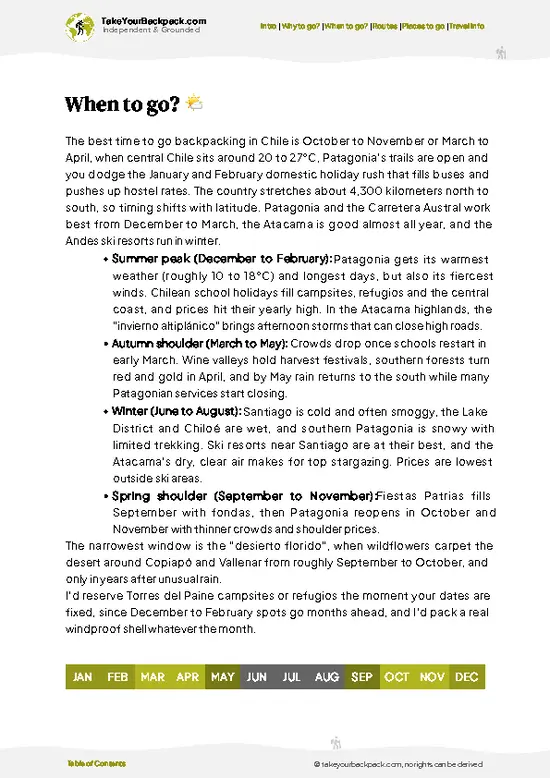
Seasonality in Chile plays a crucial role in shaping the experience of visiting its towns. The country’s diverse geography means that weather patterns vary significantly from north to south. In general, summer, from December to February, brings warm temperatures and longer days, making it the prime time for outdoor activities and local festivals. However, this is also when tourist crowds peak, leading to higher prices and busier streets.

Optimal months for visiting tend to be late spring and early autumn, specifically November and March. During these shoulder seasons, the weather remains pleasant, but the crowds thin out. Travelers can enjoy a more authentic experience, interacting with locals who are less rushed and more engaged. Prices for accommodations and activities often drop, making … read more 👉
Seasonality in Chile plays a crucial role in shaping the experience of visiting its towns. The country’s diverse geography means that weather patterns vary significantly from north to south. In general, summer, from December to February, brings warm temperatures and longer days, making it the prime time for outdoor activities and local festivals. However, this is also when tourist crowds peak, leading to higher prices and busier streets.

Optimal months for visiting tend to be late spring and early autumn, specifically November and March. During these shoulder seasons, the weather remains pleasant, but the crowds thin out. Travelers can enjoy a more authentic experience, interacting with locals who are less rushed and more engaged. Prices for accommodations and activities often drop, making it a financially savvy choice.

Winter months, from June to August, present a different charm. While many towns in the south experience colder temperatures and occasional snowfall, this season offers unique opportunities for winter sports and cozy local gatherings. However, some areas may see reduced accessibility due to weather conditions, which can limit options for exploration.

Peak periods around national holidays or major festivals can significantly influence travel plans. These events draw both locals and tourists, creating vibrant atmospheres but also leading to crowded accommodations and higher costs. Understanding these patterns allows for strategic planning to either embrace the excitement or seek quieter alternatives.

Seasonal constraints should be carefully considered. For instance, heavy rains in certain regions can impact travel logistics, while summer heat in the north may deter some travelers. Balancing these factors is key to unlocking a smoother, more enjoyable journey through Chile’s towns.

town hoppingOptimizing Your Multi-Stop Itinerary

General Routing Logic

Traveling through Chile is about embracing its diverse landscapes and cultures. Start in the north, where towns like San Pedro de Atacama offer a stark contrast to the lush valleys of the central region. Moving south, consider clustering towns within regions to minimize travel fatigue. For instance, after exploring the Atacama, head to the coastal towns of La Serena or Pichilemu before making your way to Santiago. This sequence allows for a gradual transition from desert to ocean, maximizing the sensory experience.

Typical Time Needed

Allocate at least two to three days per town to soak in the local character and amenities. This pacing allows for exploration without feeling rushed. For example, in Valparaíso, a couple of days lets you wander its colorful streets and … read more 👉

General Routing Logic

Traveling through Chile is about embracing its diverse landscapes and cultures. Start in the north, where towns like San Pedro de Atacama offer a stark contrast to the lush valleys of the central region. Moving south, consider clustering towns within regions to minimize travel fatigue. For instance, after exploring the Atacama, head to the coastal towns of La Serena or Pichilemu before making your way to Santiago. This sequence allows for a gradual transition from desert to ocean, maximizing the sensory experience.

Typical Time Needed

Allocate at least two to three days per town to soak in the local character and amenities. This pacing allows for exploration without feeling rushed. For example, in Valparaíso, a couple of days lets you wander its colorful streets and enjoy the vibrant art scene. In contrast, a quick stop in a smaller town might only require a day to capture its essence.

Common Planning Mistakes

One common pitfall is trying to cram too many towns into a short timeframe. This often leads to burnout and missed experiences. Instead, prioritize depth over breadth. Choose a few key towns that resonate with your interests, whether it’s culture, nature, or gastronomy.

Trade-offs and Constraints

Consider the trade-offs between speed and depth of experience. Fast travel can lead to superficial visits, while slower pacing allows for richer interactions. Budget constraints often dictate accommodation choices, but investing in comfort can enhance the overall experience. Flexibility is crucial; plans may shift based on local events or weather. Embrace the unexpected, as it often leads to the most rewarding experiences.

The ListThe Best towns of Chile

1 San Pedro de Atacama

Desert landscapes, salt flats, stargazing

Venture into a dry expanse where salt crusts the earth, ancient ruins dot the horizon, and night skies reveal the Milky Way.

chile-city-san-pedro-de-atacama
© Google | Maurício Carvalho

2 Pucon

Volcano views, adventure sports, thermal springs

Hike volcanic slopes, soak in natural hot pools, and base yourself in a town where outdoor activities shape the daily rhythm.

chile-city-pucon
© Google | Yanpiero González

3 Puerto Varas

Lakeside setting, German architecture, Osorno volcano

Wake to lake breezes, wander among timbered houses, and watch clouds drift past the snow-capped peak across the water.

chile-city-puerto-varas
© Google | Leo Olivares

4 Puerto Natales

Torres del Paine gateway, windblown fjord, corrugated houses

Prepare for treks in a town shaped by Patagonian winds, with colorful houses and a harbor facing distant granite towers.

5 Chiloé (Castro)

Stilt houses, wooden churches, island markets

Experience daily life on an island where tides shape neighborhoods, local markets bustle, and weathered churches anchor the landscape.

6 Hanga Roa

Easter Island hub, moai statues, Pacific coastline

Walk from the main street to ancient stone figures, with the Pacific always in view and island traditions woven into daily life.

7 Pichilemu

Surf beaches, black sand, laid-back boardwalk

Spend days watching waves break on dark sand, with surf culture and simple seafood meals defining the town’s slow tempo.

8 Frutillar

Lake theater, gardens, pastry shops

Relax by the water’s edge, sample local cakes, and catch a concert in a lakeside venue with views of distant volcanoes.

9 Ancud

Coastal fort, penguin colonies, tidal flats

Watch tides shift along broad shores, visit colonial ruins, and spot seabirds nesting on rocky islets just offshore.

10 Coyhaique

Patagonian steppe, fly fishing, mountain backdrop

Set out from a remote hub surrounded by rugged peaks, with rivers and trails leading into the wild heart of Aysén.

11 Villarrica

Lakeshore promenade, Mapuche culture, volcano backdrop

Stroll along the water with views of a smoking peak, and find traces of indigenous heritage in markets and local crafts.

12 Lican Ray

Black sand beaches, lakeside cabins, summer crowds

Swim from volcanic shores, rent a rustic cabin, and join Chilean families who flock here for lakeside holidays in warm months.

13 Puerto Aysén

Rainy climate, river port, suspension bridge

Cross into a town where frequent rain feeds lush forests, and boats tie up along the river beneath a striking steel bridge.

14 Quellón

Ferry terminal, seafood docks, southernmost town

Arrive at the end of the Pan-American Highway, where ferries depart and fishing boats unload the day’s catch on quiet wharves.

15 Cochrane

Remote outpost, Baker River, wild reserves

Reach a frontier town where the river runs turquoise and trails lead into seldom-visited forests and protected lands.

16 San Fernando

Wine valleys, rural markets, colonial plaza

Travel through vineyards and orchards, then pause in a town where local produce fills stalls around a shaded central square.

17 San Felipe

Agricultural valley, fruit orchards, Andean foothills

Travelers pass through a fertile region where roadside stands offer fresh produce and mountain views frame the horizon.

18 Tocopilla

Coastal desert, fishing port, mining history

Trace the edge of the Atacama where the ocean meets arid hills, and daily life revolves around the docks and old rail lines.

19 Lota

coal mines, coastal cliffs, workers’ quarters

Tour former mining tunnels and walk along dramatic cliffs, seeing how industry shaped both the landscape and the community.

20 Quillota

fruit orchards, valley setting, local fairs

Travelers find a city defined by agriculture, where produce markets and annual festivals reflect the rhythms of the surrounding valley.

Think you know Chile?

Prove you’re a true local — uncover 10 lesser-known towns in Chile that locals tend to keep to themselves.
Loading the map 🌍

Expert viewWhat You Should Know

Regional Clustering

Chile’s towns are like pieces of a puzzle, each contributing to the larger picture of the country’s diverse culture and geography. Aim to visit around five to seven towns to grasp the essence of Chile. This range allows you to experience the stark contrasts between the arid north, the lush central region, and the windswept south without feeling rushed. Each region has its own rhythm, and understanding this can help you prioritize your journey.

In the north, towns often reflect indigenous heritage and mining history. Here, the pace is slower, and the landscapes are dramatic. Moving south, you’ll find a blend of European influence and local traditions, particularly in the central region. The south, with its fjords and forests, offers a completely different vibe, often more … read more 👉

Regional Clustering

Chile’s towns are like pieces of a puzzle, each contributing to the larger picture of the country’s diverse culture and geography. Aim to visit around five to seven towns to grasp the essence of Chile. This range allows you to experience the stark contrasts between the arid north, the lush central region, and the windswept south without feeling rushed. Each region has its own rhythm, and understanding this can help you prioritize your journey.

In the north, towns often reflect indigenous heritage and mining history. Here, the pace is slower, and the landscapes are dramatic. Moving south, you’ll find a blend of European influence and local traditions, particularly in the central region. The south, with its fjords and forests, offers a completely different vibe, often more rugged and remote. This regional clustering not only enriches your experience but also helps you navigate logistics more efficiently.

Travel Rhythm

Establishing a travel rhythm is crucial. Consider how you want to move through these towns. If you’re keen on immersing yourself in local life, plan for longer stays in fewer places. This allows you to engage with the community, try local foods, and perhaps even learn a bit of the language. On the flip side, if you’re eager to cover more ground, be mindful of travel times. Distances can be deceptive; what looks like a short drive on a map can take much longer due to road conditions or weather.

A good rule of thumb is to allocate at least two to three days in each town, especially if you’re venturing into the more remote areas. This gives you time to explore without feeling like you’re on a ticking clock. However, be prepared for trade-offs. The more time you spend in one area, the less you can see overall. Balance is key.

Local Charm

Each town has its own unique charm, shaped by local customs and history. Engage with local artisans, attend festivals, or simply stroll through markets. This is where you’ll find the heart of Chile. However, not all towns are created equal in terms of accessibility and amenities. Some may lack tourist infrastructure, which can be a double-edged sword. While you might enjoy a more authentic experience, you may also face challenges like limited accommodation options or language barriers.

Researching local events can enhance your visit. For instance, if you’re in a town during a harvest festival, you’ll not only enjoy the festivities but also gain insight into local agricultural practices. Just remember, these events can draw crowds, so plan your accommodations well in advance.

Logistical Considerations

Logistics can make or break your trip. Chile’s towns are often connected by a network of buses, which are generally reliable but can vary in comfort and frequency. If you’re traveling during peak seasons, book your tickets ahead of time. Alternatively, consider renting a car for more flexibility, especially in remote areas where public transport may be sparse.

Budget-wise, expect a wide range. Accommodations can vary from budget hostels to upscale hotels, and dining options range from street food to fine dining. Allocate funds based on your priorities. If you’re keen on local cuisine, you might want to splurge on a few meals while saving on lodging.

Safety is another factor to consider. While Chile is generally safe, some areas may have higher crime rates. Stay informed about local conditions and trust your instincts. Engaging with locals can provide valuable insights into which areas to explore and which to avoid.

Cultural Considerations

Cultural sensitivity goes a long way in enhancing your experience. Chileans are generally warm and welcoming, but understanding local customs can help you connect more deeply. For example, greetings often involve a handshake or a kiss on the cheek, depending on the region. Learning a few basic phrases in Spanish can also open doors and foster goodwill.

Be aware of regional differences in attitudes and behaviors. In the north, you might encounter a more laid-back lifestyle, while the central region can be more cosmopolitan. The south, with its indigenous influences, may have customs that differ significantly from what you’re used to. Respecting these differences will enrich your interactions and help you navigate social situations more smoothly.

Conclusion

By understanding the systems at play in Chile’s towns, you can turn logistics into a satisfying game. Each decision you make—from which towns to visit to how long to stay—will shape your experience. Embrace the journey, and let the unique character of each town guide you. With a bit of planning and an open mind, you’ll unlock the true essence of Chile, making your adventure not just a trip, but a meaningful exploration of culture and community.

✈️ The backpacker research shortcutChile Travel Guide

An offline-friendly backpacking guide with optimized travel routes, ranked highlights, transport advice, and the best areas to stay.
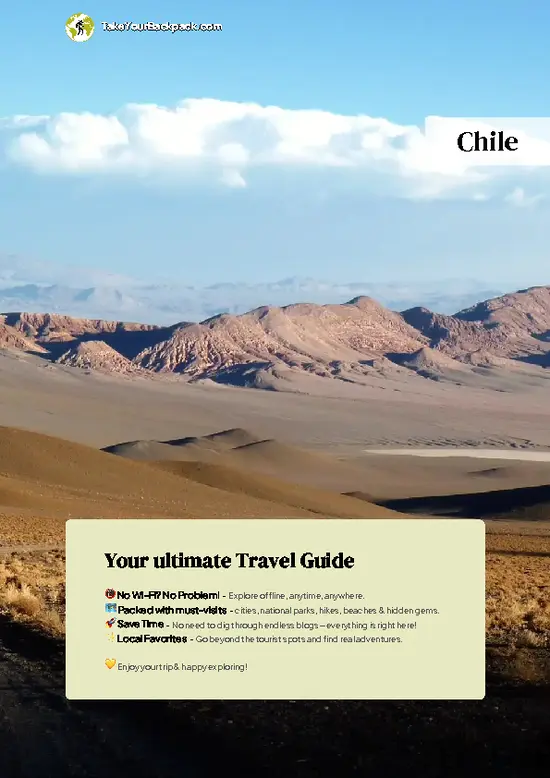
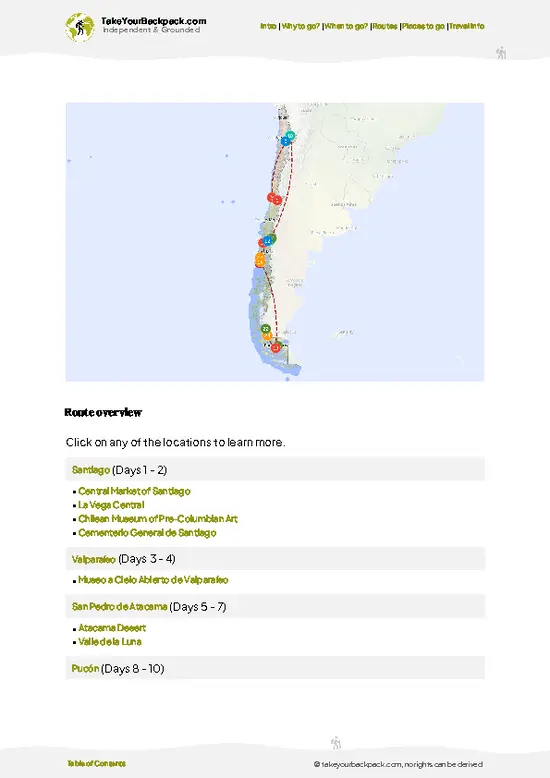
example page 0 from our offline Travel Guide for Chile
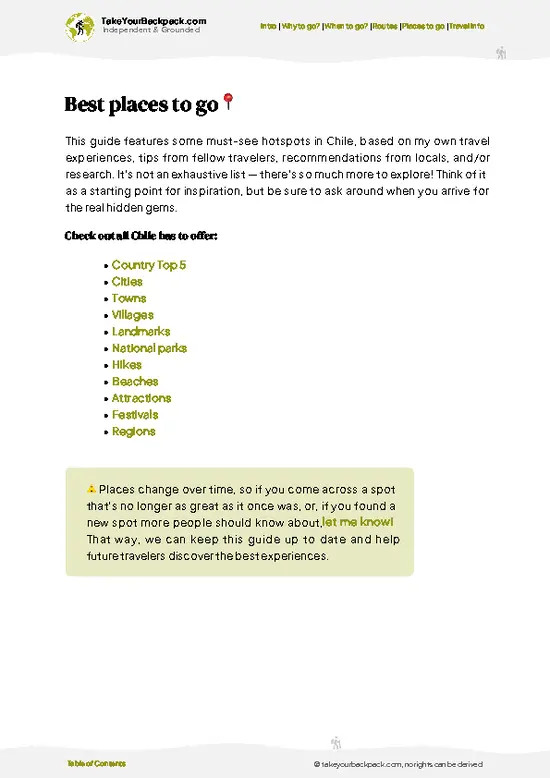
example page 1 from our offline Travel Guide for Chile
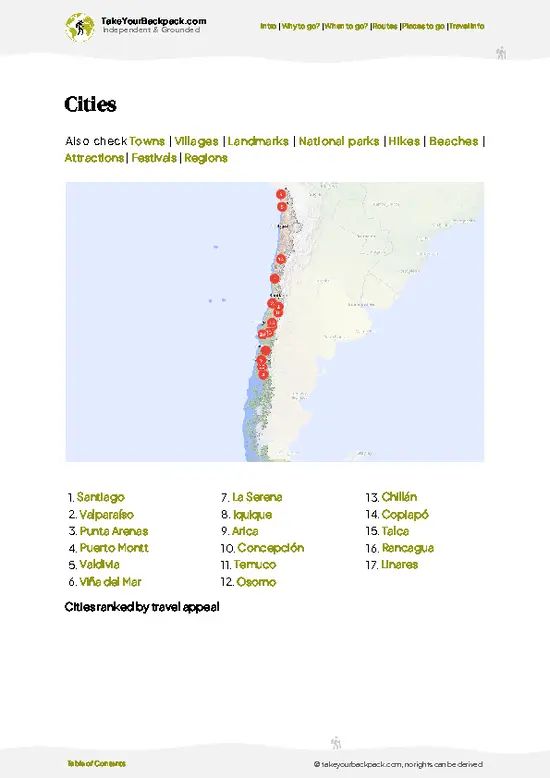
example page 2 from our offline Travel Guide for Chile
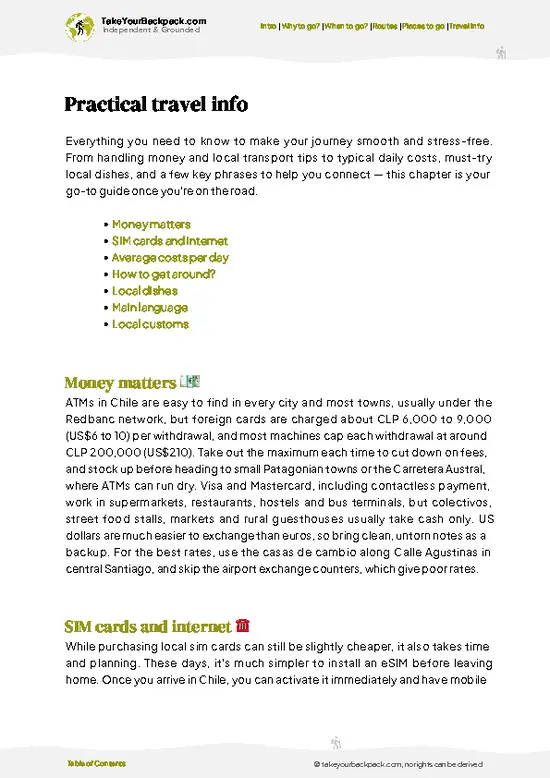
example page 3 from our offline Travel Guide for Chile
example page 4 from our offline Travel Guide for Chile
example page 5 from our offline Travel Guide for Chile
example page 6 from our offline Travel Guide for Chile
example page 7 from our offline Travel Guide for Chile
The digital guide (471 pages) contains:
119 highlights, ranked by travel appeal
Optimized 7, 14 & 21-day travel routes
Cities, national parks, landmarks, beaches
How to get around
Offline-friendly for travel without Wi-Fi
👉 Click to see all 30+ guide features

📅 Plan smarter in minutes, not weeks
Month by month travel advice
Festivals & national holidays
Budget expectations

🗺️ Go to the right places, skip the overrated ones
Honest pros & cons of destinations
Top hikes, parks & viewpoints
Lesser-known places most travelers miss
Clear “worth it vs skip it” guidance

🛏️ Travel smoothly without rookie mistakes
Best areas to stay
Transport systems explained simply
Common scams & safety advice
SIM cards, money & practical tips

🌍 Understand the country, not just visit it
Culture & traditions
52 Essential phrases & customs
Festivals worth planning around
Traveler-friendly historical context
Insights that make places more meaningful

📱 Built for real travel conditions
Fully downloadable PDF
Works completely offline
Optimized for phone use
Useful in remote areas & buses
Everything in one place
Save weeks of stressful planning
Get instant access to your full guide. 30‑day money-back guarantee.


By proceeding you agree to our terms.
Sent to your inbox immediately after payment • 100% Secure Checkout
Best Backpacking Travel Advisor 2025 tourism awardBest Backpacking
Travel Advisor
2025
What others say about Take Your Backpack Guides:
⭐⭐⭐⭐⭐
Fantastic, amazing amount of information!
⭐⭐⭐⭐⭐
My goodness this is amazing, it's what I've been looking for hats off too you!
⭐⭐⭐⭐⭐
I think this is absolutely BRILLIANT
⭐⭐⭐⭐
Very complete and informative. It's still missing places, but I gotta to commend you
⭐⭐⭐⭐⭐
This is truly amazing, thank you, can't wait to explore it with my kids!
⭐⭐⭐⭐⭐
Awesome resource, thank you!
⭐⭐⭐⭐⭐
This is amazing! Can't wait to explore the ones I haven't seen
⭐⭐⭐⭐
I love this! Well done, great idea.
⭐⭐⭐⭐⭐
Thanks for taking the time to make this gem!
⭐⭐⭐⭐⭐
This might be the best website I've ever seen.
⭐⭐⭐⭐⭐
Congratulations, and thank you so much for your work; it's incredibly valuable.
⭐⭐⭐⭐
In all seriousness I think you did a great job pointing out the important spots
⭐⭐⭐⭐⭐
10/10 very good
⭐⭐⭐⭐⭐
As someone who's only just starting to visit regularly this is awesome, thank you.
⭐⭐⭐⭐
Thank you very much! I'm going to visit my dad, it's going to be very useful!
⭐⭐⭐⭐⭐
This is really cool! We'll be travelling for the first time and this definitely come in handy.
⭐⭐⭐⭐⭐
You are now our minister of culture, congratulations 👨‍💼
⭐⭐⭐⭐⭐
Just wanted to tell you that this is a pearl! Going to follow your recommendations.
⭐⭐⭐⭐⭐
This is so cool. I'll definitely be using the resource for my travels soon.
⭐⭐⭐⭐⭐
This is very impressive! Good work.
⭐⭐⭐⭐⭐
This is an amazing and informative site. Very well done!

🛏️ Where to stay?Best Places to Stay in Chile

Yes — hostels and budget lodging are common across Chile from Santiago to Patagonia, with the densest choices in Santiago (Bellavista, Lastarria, Providencia), coastal Valparaíso (Cerro Alegre, Cerro Concepción) and Viña del Mar, and in tourist towns San Pedro de Atacama, Pucón, Puerto Varas and Puerto Natales.

Bellavista/Lastarria put you in nightlife and walkable city highlights but carry a higher petty‑theft risk; Providencia is calmer and safer but slightly pricier; Valparaíso’s cerros are characterful and steep with lively bars yet noisy and uneven; Viña del Mar is beachy and family‑oriented with quieter nights; San Pedro is essential for Atacama tours but high, dry and basic; Pucón and … read more 👉
Yes — hostels and budget lodging are common across Chile from Santiago to Patagonia, with the densest choices in Santiago (Bellavista, Lastarria, Providencia), coastal Valparaíso (Cerro Alegre, Cerro Concepción) and Viña del Mar, and in tourist towns San Pedro de Atacama, Pucón, Puerto Varas and Puerto Natales.

Bellavista/Lastarria put you in nightlife and walkable city highlights but carry a higher petty‑theft risk; Providencia is calmer and safer but slightly pricier; Valparaíso’s cerros are characterful and steep with lively bars yet noisy and uneven; Viña del Mar is beachy and family‑oriented with quieter nights; San Pedro is essential for Atacama tours but high, dry and basic; Pucón and Puerto Varas offer lakeside outdoor options with seasonal crowds and peak prices; Puerto Natales is the practical gateway to Torres del Paine with limited services outside peak season.

Book ahead for summer and holiday windows, expect dorm rooms and shared kitchens in many hostels, stow valuables securely in nightlife areas, and factor transport time to remote highlights when picking a neighborhood.

If you enjoy meeting fellow travelers, consider choosing hostels with high ratings for atmosphere. On the other hand, if you prefer having your own space, a hotel might be a better option.

ChileExplore Chile

👋 Meet the founderWho’s Behind Take Your Backpack?

Johan, backpacker and founder of TakeYourBackpackHi, I’m Johan (Netherlands 🇳🇱), the creator of TakeYourBackpack. Over the past decade, I’ve backpacked through 80+ countries across six continents, gaining extensive experience with independent travel, long-term trips, and overland routes.

This site is built on a combination of firsthand travel experience and carefully curated insights from other backpackers. Many guides are based on places I’ve personally visited, while others bring together tips, observations, and practical advice shared by trusted travelers I’ve met along the way.

The goal is to provide realistic, experience-driven guidance — not generic itineraries — so you can explore destinations with better context, clearer expectations, and more confidence.

Get full Chile guide •
Instant download • 119 highlights • Full Offline guide