v2.webp)
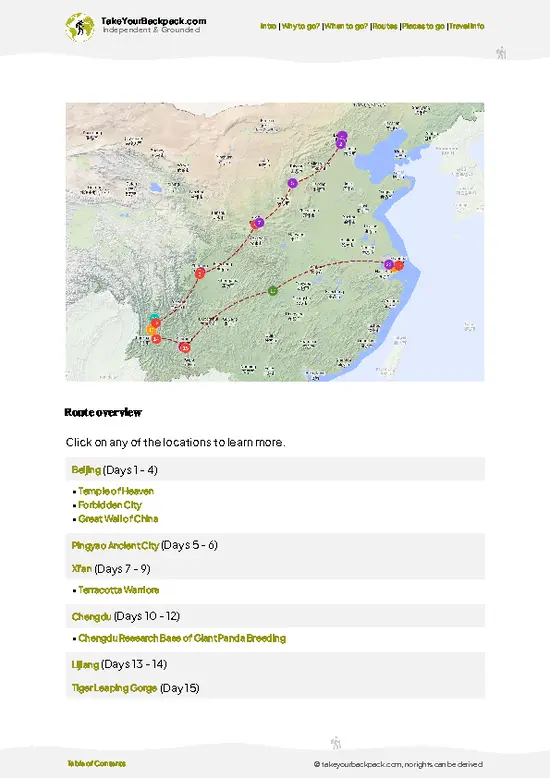
- Tuojiang River & Diaojiaolou (stilt houses) — The town’s signature scene: wooden stilt houses clinging to the riverbank, fishermen and cargo boats at dawn, and endless photo ops. Walking the river promenade gives a direct sense of how everyday life still happens on the water here.
- Shen Congwen Former Residence — The small, atmospheric house/museum of one of modern China’s best-loved writers. It’s compact but rich: manuscripts, family rooms and the lanes nearby that inspired his stories. A must for anyone who wants the town’s cultural soul, not just the photos.
- Hongqiao (the covered Rainbow Bridge) — The old covered bridge spanning the Tuojiang is both practical and scenic: vantage point for river views, places to buy small snacks and traditional crafts, and a classic place for sunset shots
- Tuojiang River & Diaojiaolou (stilt houses) — The town’s signature scene: wooden stilt houses clinging to the riverbank, fishermen and cargo boats at dawn, and endless photo ops. Walking the river promenade gives a direct sense of how everyday life still happens on the water here.
- Shen Congwen Former Residence — The small, atmospheric house/museum of one of modern China’s best-loved writers. It’s compact but rich: manuscripts, family rooms and the lanes nearby that inspired his stories. A must for anyone who wants the town’s cultural soul, not just the photos.
- Hongqiao (the covered Rainbow Bridge) — The old covered bridge spanning the Tuojiang is both practical and scenic: vantage point for river views, places to buy small snacks and traditional crafts, and a classic place for sunset shots when the river glows with lantern light.
- East Gate Tower (Dongmen Tower) and remaining city gates — Climb the old gate tower for compact panoramic views of the town’s rooftops and the river. The gates are simple reminders that this is an historic walled market town, not a recreated set.
- Tuojiang Old Street & riverbank alleys — Narrow wooden alleys, low shops, tea houses and street food vendors — this is where you actually feel the town’s daily rhythm. Good for trying local snacks, bargain hunting for Miao silver or embroidered pieces, and getting pleasantly lost.
- Miao handicraft workshops and embroidery stalls — Small, family-run stalls and back-room workshops where you can see (and sometimes try) traditional needlework, batik and silver-smithing. More meaningful than souvenir shops because you’re watching living craft, not mass-produced trinkets.
- Small courtyard houses and Ming-Qing-era mansions along the lanes — Scattered historic courtyards with carved beams and faded murals. They’re quieter than the riverfront and show the town’s social layers — merchant houses, official compounds and modest homes — in real scale.
- Riverside tea houses and old wooden cafés — Sit, sip local Hunan tea, watch boats glide by and overhear local life. These places are low-cost, good for people-watching, and offer a calmer counterpoint to the tourist bustle after dusk.
- Night-time riverscape and lantern-lit promenades — Fenghuang’s evenings are one of the real experiences: lanterns, lit-up stilt houses reflected in the water, musicians or street performers in the alleys. A boat trip after dark is touristy but genuinely atmospheric.
- Local markets and food alleys (try stinky tofu, river fish dishes and Miao snacks) — The town’s food lanes are where local ingredients and minority cooking styles meet Hunan spice. Eating cheap at a market stall will teach you far more about the place than a restaurant menu.
Spotted a mistake or missing something? Contact us.
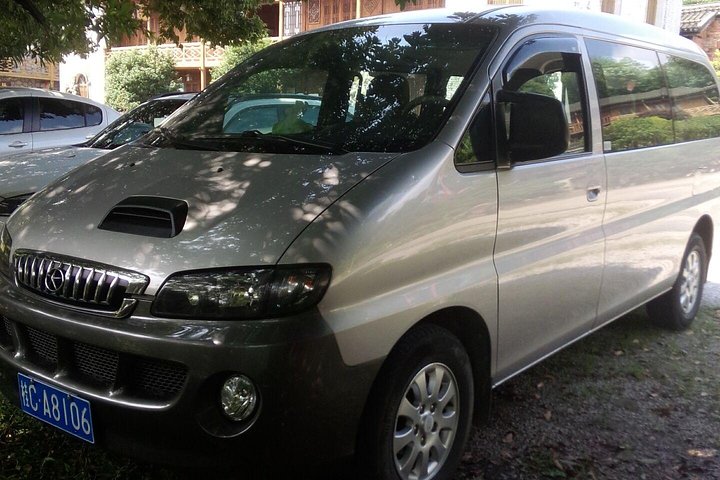
Private Transfer from Fenghuang to Guilin and stops at Hongjiang

Private transfer from Fenghuang to Guilin and stops at Hongjiang & Longsheng

1-Day Self-Guided Fanjing Mountain Tour from Fenghuang

Self-Guided Tour:Southern Great Wall and Furong old Town From Fenghuang

Private Transfer from Fenghuang to Guilin and stops at Longji Terraces
Private transfer from Fenghuang to Guilin and stops at Chengyang & Longsheng
Private transfer from Fenghuang to Guilin and stops at Hongjiang & Chengyang

Fenghuang hotel to Longsheng(Longji) hotel and stops at Chengyang Dong Village

Private Transfer from Fenghuang Hotel to Zhangjiajie Train Station


 Best Backpacking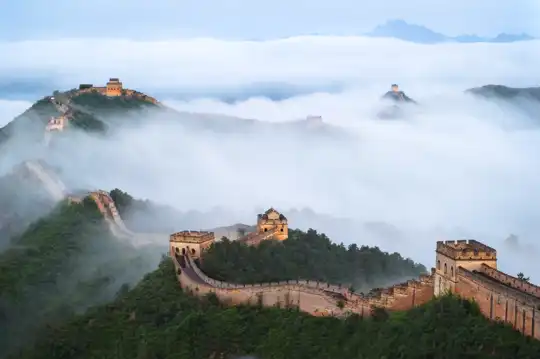
.jpg) Hi, I’m Johan (Netherlands 🇳🇱), the creator of TakeYourBackpack. Over the past 3 decades, I’ve backpacked through 90+ countries across six continents, gaining extensive experience with independent travel, long-term trips, and overland routes.
Hi, I’m Johan (Netherlands 🇳🇱), the creator of TakeYourBackpack. Over the past 3 decades, I’ve backpacked through 90+ countries across six continents, gaining extensive experience with independent travel, long-term trips, and overland routes.