v2.webp)
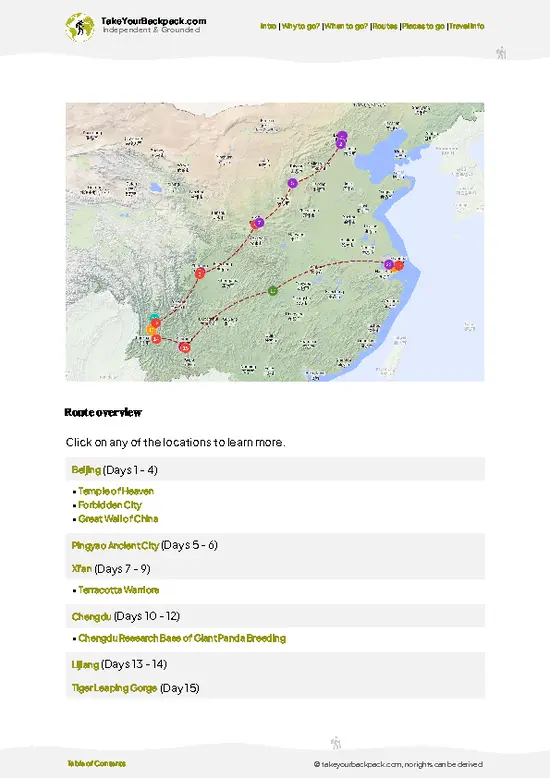
- Mukden Palace (Shenyang Imperial Palace) — The early Qing court’s city palace: smaller than Beijing’s Forbidden City but intimate and full of original Manchu-era architecture, lacquer work and carved screens. Feels like stepping into the beginnings of the Qing dynasty.
- Beiling Park (Zhaoling Tomb) — A huge green space built around the Qing dynasty Zhaoling mausoleum. Great for a stroll among ancient stone animals, big trees and locals doing tai chi; the tomb architecture and long spirit way are worth seeing in person.
- Fuling Tomb (Dongling Park) — The eastern Qing imperial tomb where Nurhaci is buried. The long approach, stone guardians and forested setting give you a different, quieter perspective on Manchu imperial burial rites than the palace does.
- September 18th Historical Museum
- Mukden Palace (Shenyang Imperial Palace) — The early Qing court’s city palace: smaller than Beijing’s Forbidden City but intimate and full of original Manchu-era architecture, lacquer work and carved screens. Feels like stepping into the beginnings of the Qing dynasty.
- Beiling Park (Zhaoling Tomb) — A huge green space built around the Qing dynasty Zhaoling mausoleum. Great for a stroll among ancient stone animals, big trees and locals doing tai chi; the tomb architecture and long spirit way are worth seeing in person.
- Fuling Tomb (Dongling Park) — The eastern Qing imperial tomb where Nurhaci is buried. The long approach, stone guardians and forested setting give you a different, quieter perspective on Manchu imperial burial rites than the palace does.
- September 18th Historical Museum (9.18 Museum) — Focused on the Mukden Incident and the Japanese invasion, this museum is one of the clearest places in the city to grapple with modern Northeast China history; exhibits are direct and well laid-out.
- Liaoning Provincial Museum — A properly good provincial museum with solid archaeological and ethnographic collections (bronzes, ancient tomb finds, local minority displays). If you like artifacts that tell how the region fit into larger Chinese history, this is the place.
- Zhongjie (Middle Street) — The old pedestrian commercial street where Shenyang shoppers and history meet. It’s a living slice of the city: period storefronts, snack stalls, and enough people-watching to fill an afternoon.
- Xita Korean Street — A compact neighborhood with a distinct Korean flavor: restaurants, bakeries, karaoke bars and small markets. Great for late-night food runs and for seeing the Korean-Chinese community side of Shenyang.
- Wu’ai Market (Five-Ai Clothing Market) — One of Northeast China’s biggest clothing wholesale markets. Not a polished tourist site, but brilliant if you want cheap outerwear, to haggle, or to soak up noisy, local trading energy.
- Zhang Xueliang Former Residence — The house museum of the ”Young Marshal” gives a close-up on a key figure of 20th-century China; the rooms, photographs and documents make modern political history tangible without feeling like a dry textbook.
- Shenyang Botanical Garden (Expo/Arboretum areas) — A reliable green escape from city heat with seasonal flower shows, glasshouses and walking paths. Local families bring picnics here, and it’s a quiet way to see how Shenyang relaxes on weekends.
Spotted a mistake or missing something? Contact us.
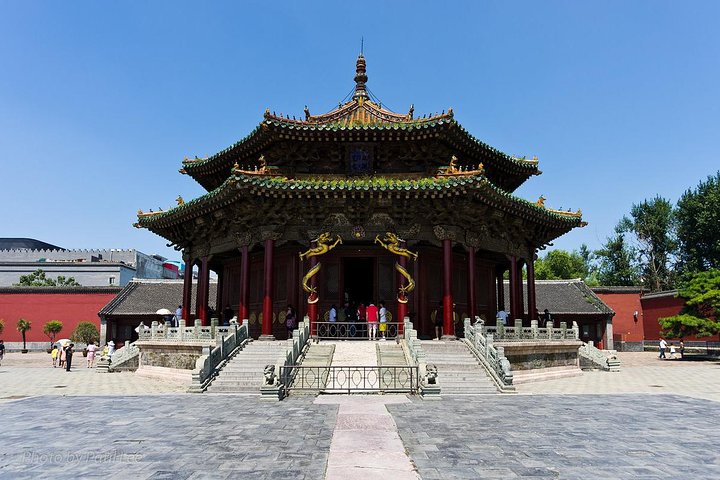
Private Day Tour to Shenyang Imperial Palace, Zhaoling Mausoleum and Fuling Tomb

2-Day Shenyang City Private Tour in Your Way
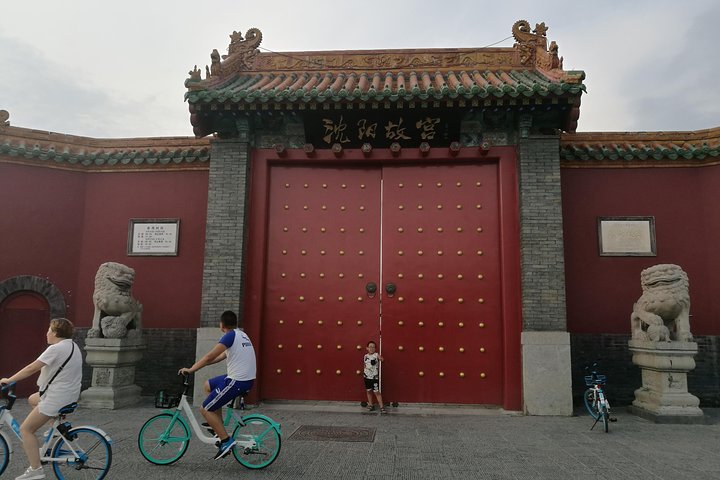
4-Hour Private Shenyang Imperial Palace Tour

Best China Tour: Six Memorable Days in Northeast China

Half-Day Private Tour to Shenyang Imperial Palace and Zhongjie

8-Day Northeast China Private Trip: Shenyang, Changchun and Harbin
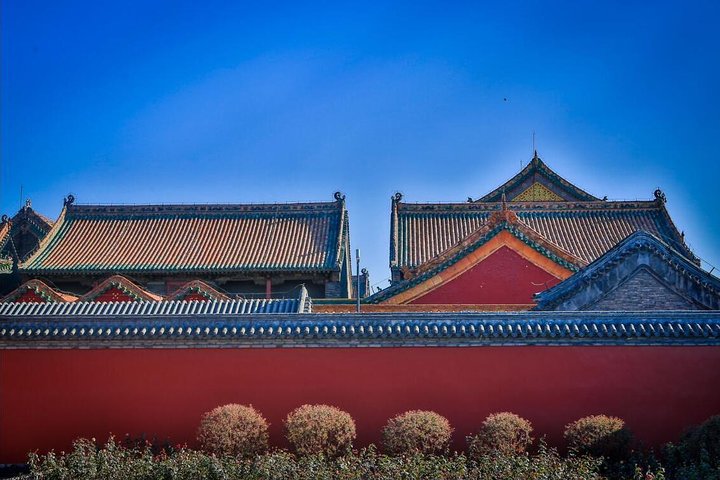
Private Shenyang Highlights Day Tour with Manchurian-Han Style Lunch


 Best Backpacking
.jpg) Hi, I’m Johan (Netherlands 🇳🇱), the creator of TakeYourBackpack. Over the past 3 decades, I’ve backpacked through 90+ countries across six continents, gaining extensive experience with independent travel, long-term trips, and overland routes.
Hi, I’m Johan (Netherlands 🇳🇱), the creator of TakeYourBackpack. Over the past 3 decades, I’ve backpacked through 90+ countries across six continents, gaining extensive experience with independent travel, long-term trips, and overland routes.