×

China🇨🇳 | attractionsTibet MuseumBuddhist relics, thangka paintings, ethnic displays | things to do and best time to go

Explore Guizhou Provincial MuseumExplore Shanghai Urban Planning Exhibition Center

Backpacking in Tibet Museum
👌 Worth visitingattraction ranked #20
By Johan Kruseman 🇳🇱 | Updated October 15, 2026

Most travelers don’t realize the Tibet Museum in Lhasa is free—yes, free—even as other Chinese museums quietly hike ticket prices. You’ll find it just southwest of the Potala Palace, but don’t expect a hushed temple vibe; this place buzzes with local families and school groups, not just monks and mystics. The exhibits are genuinely gripping if you want to understand Tibet beyond prayer flags and Instagram clichés, but the security checks are intense and English signage is patchy. Still, for backpackers, it’s a rare chance to see Tibetan history told by Tibetans, not just filtered through Beijing’s lens. Compared to the selfie stampede at the Potala, the museum feels refreshingly real—if you can handle the bureaucracy and the occasional propaganda panel.

Discover everything you want to know in the 📖 China Travel Guide.


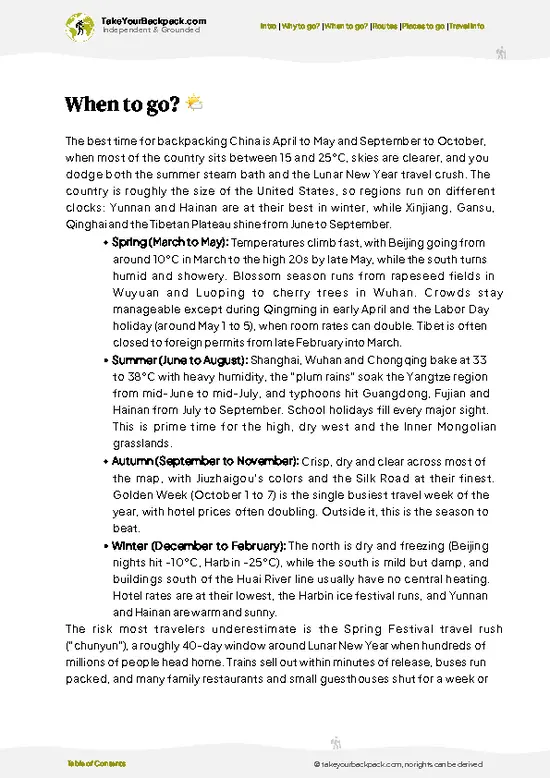
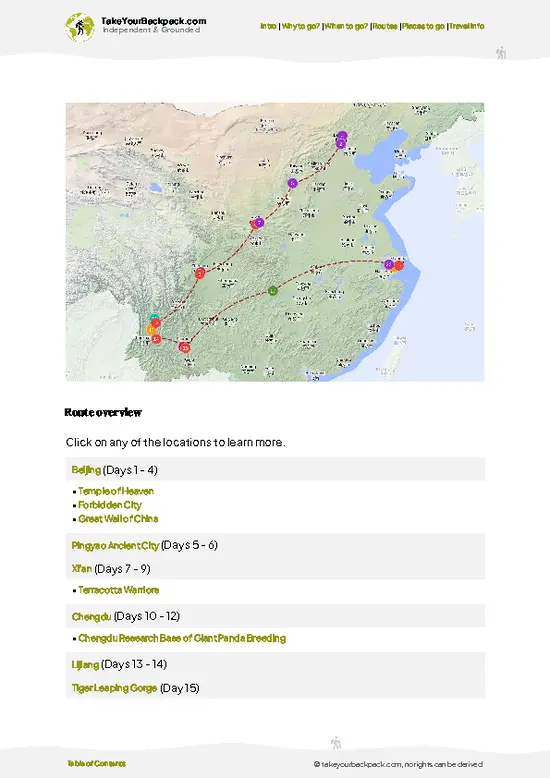
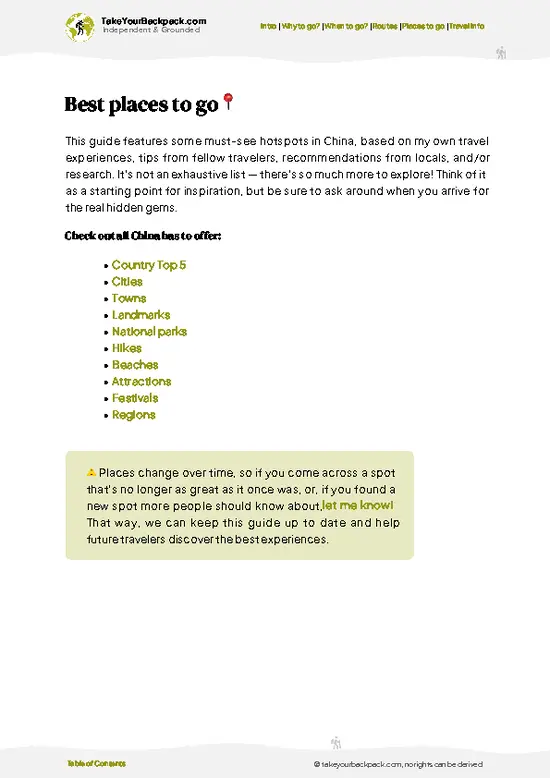
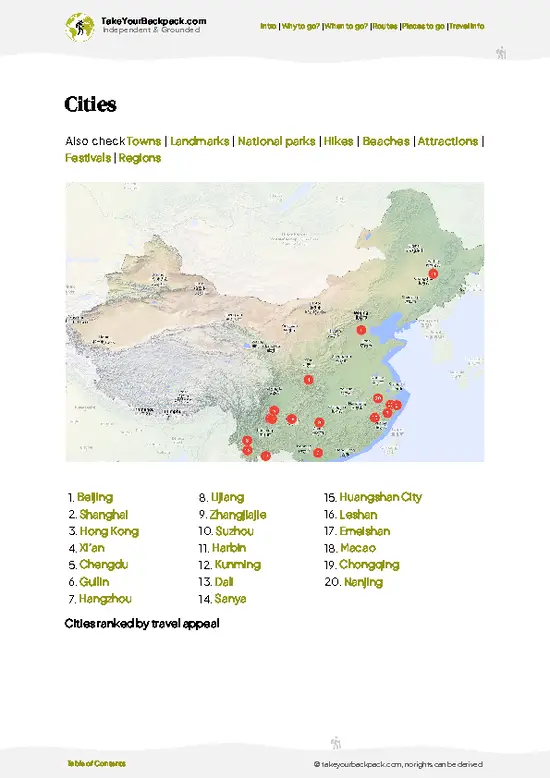
example page 0 from our offline Travel Guide for China
example page 1 from our offline Travel Guide for China
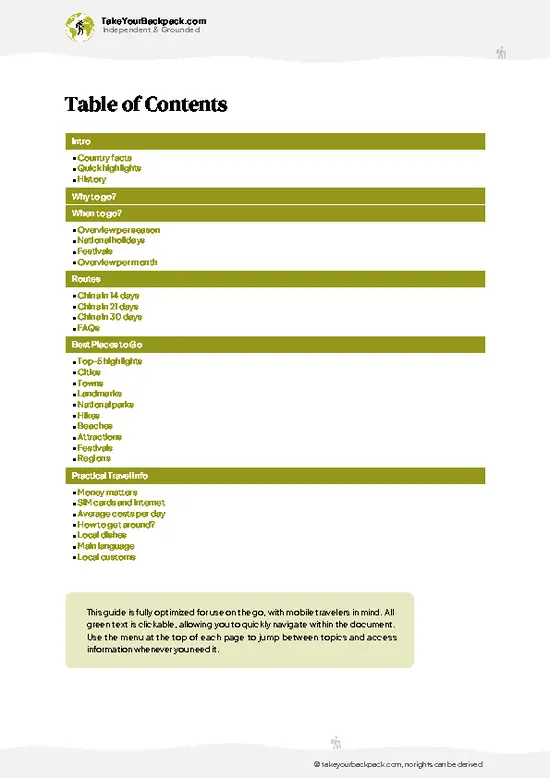
example page 2 from our offline Travel Guide for China
example page 3 from our offline Travel Guide for China
example page 4 from our offline Travel Guide for China
example page 5 from our offline Travel Guide for China
example page 6 from our offline Travel Guide for China
example page 7 from our offline Travel Guide for China
Loading the map 🌍
CLICK TO FILTER
cities
towns
landmarks
national parks
hikes
beaches
attractions
festivals
regions
SHOW COUNTRY’S BESTSHOW ALL

✨ Why go?
Ranked #20 attraction in China
Reasons people choose to visit here

The Tibet Museum isn’t your typical tourist pit stop. Yes, it draws crowds, and the entry fee isn’t pocket change, but that’s where the Instagram gloss ends. This place is a heavyweight in cultural significance, offering a raw, unfiltered look at Tibetan history and identity that no selfie can capture. It’s a milestone on any China route because it grounds you in the region’s complex past—political struggles, spiritual depth, and resilience. The effort to get here pays off with a deep, immersive experience that’s both educational and humbling, far beyond the usual tourist fluff.

💡 HighlightsEssential experiences to have while visiting Tibet Museum

The 1959 Uprising Exhibit
Let’s cut through the haze: this is not a museum that tiptoes around history. The 1959 Uprising section is raw, direct, and unflinching. You’ll see artifacts, photos, and personal accounts that rip the Instagram filter off Tibet’s story. It’s not comfortable, but it’s real—and it’s the backbone of understanding modern Tibet.


Everyday Tibetan Life Displays
Skip the tourist trinkets outside and dive into the museum’s collection of household items, tools, and clothing. This is where you get the texture of daily Tibetan life—yak butter lamps, handwoven aprons, and the kind of details you’ll never find in a gift shop. It’s the antidote to the “mystical Tibet” cliché.


Religious Artifacts and Monastic Relics
You’ll see more than just thangkas and prayer wheels. The museum’s … read more 👉
The 1959 Uprising Exhibit
Let’s cut through the haze: this is not a museum that tiptoes around history. The 1959 Uprising section is raw, direct, and unflinching. You’ll see artifacts, photos, and personal accounts that rip the Instagram filter off Tibet’s story. It’s not comfortable, but it’s real—and it’s the backbone of understanding modern Tibet.


Everyday Tibetan Life Displays
Skip the tourist trinkets outside and dive into the museum’s collection of household items, tools, and clothing. This is where you get the texture of daily Tibetan life—yak butter lamps, handwoven aprons, and the kind of details you’ll never find in a gift shop. It’s the antidote to the “mystical Tibet” cliché.


Religious Artifacts and Monastic Relics
You’ll see more than just thangkas and prayer wheels. The museum’s religious section is a crash course in the spiritual machinery of Tibet—monk’s robes, ritual implements, and relics that survived decades of upheaval. It’s a reminder that faith here is lived, not staged for tourists.


Photo Archive of Old Lhasa
My personal favorite. These black-and-white shots are a time machine—Lhasa before the traffic, before the tour buses, before the world got smaller. You’ll see faces, streets, and moments that feel almost forbidden in their intimacy. It’s the closest you’ll get to the city’s soul without a time-travel device.
Spotted a mistake or missing something? Contact us.

Things to do around Tibet Museum

Ratings based on Tripadvisor reviews. When you book through this link, you support our work at no extra cost to you.

🌤️ When to go?When to go for the best experience

  • Weather: Tibet Museum is best visited from May to October when the weather is mild and dry. Winters (November to March) are brutally cold, often below -10°C (14°F), making outdoor exploration miserable.
  • Temperature: Summer highs hover around 15-20°C (59-68°F), perfect for wandering without overheating. Spring and autumn bring crisp air but can dip sharply at night.
  • Daylight Hours: Long daylight from May to August means more time to soak in exhibits and the surrounding culture. Winter days are short, cutting your exploration window.
  • Crowds: Peak tourist season is July and August, when the museum gets busy with both domestic and international visitors. Shoulder months like May, June, and September offer a quieter, more intimate experience.
  • Seasonal Activities: Summer aligns with local
… read more 👉
  • Weather: Tibet Museum is best visited from May to October when the weather is mild and dry. Winters (November to March) are brutally cold, often below -10°C (14°F), making outdoor exploration miserable.
  • Temperature: Summer highs hover around 15-20°C (59-68°F), perfect for wandering without overheating. Spring and autumn bring crisp air but can dip sharply at night.
  • Daylight Hours: Long daylight from May to August means more time to soak in exhibits and the surrounding culture. Winter days are short, cutting your exploration window.
  • Crowds: Peak tourist season is July and August, when the museum gets busy with both domestic and international visitors. Shoulder months like May, June, and September offer a quieter, more intimate experience.
  • Seasonal Activities: Summer aligns with local festivals and outdoor cultural events, adding layers to your visit beyond the museum walls.
  • Price Fluctuations: Expect higher accommodation and travel costs during peak summer months. Visiting in May or September can save you money without sacrificing weather quality.
Pro-tip: Aim for late spring or early autumn to dodge crowds and harsh weather while catching local festivals that bring Tibet’s culture vividly to life.


source: climatestotravel.comJANJanuary: below average for travelingFEBFebruary: below average for travelingMARMarch: fair for travelingAPRApril: good for travelingMAYMay: excellent for travelingJUNJune: highly recommended for travelingJULJuly: highly recommended for travelingAUGAugust: highly recommended for travelingSEPSeptember: excellent for travelingOCTOctober: highly recommended for travelingNOVNovember: fair for travelingDECDecember: below average for traveling
when-to-go

✈️ The backpacker research shortcutChina Travel Guide

An offline-friendly backpacking guide with optimized travel routes, ranked highlights, transport advice, and the best areas to stay.
example page 0 from our offline Travel Guide for China
example page 1 from our offline Travel Guide for China
example page 2 from our offline Travel Guide for China
example page 3 from our offline Travel Guide for China
example page 4 from our offline Travel Guide for China
example page 5 from our offline Travel Guide for China
example page 6 from our offline Travel Guide for China
example page 7 from our offline Travel Guide for China
The digital guide (436 pages) contains:
✅ 121 highlights, ranked by travel appeal
✅ Optimized 14, 21 & 30-day travel routes
✅ Cities, national parks, landmarks, beaches
✅ How to get around
✅ Offline-friendly for travel without Wi-Fi
👉 Click to see all 30+ guide features

📅 Plan smarter in minutes, not weeks
✅ Month by month travel advice
✅ Festivals & national holidays
✅ Budget expectations

🗺️ Go to the right places, skip the overrated ones
✅ Honest pros & cons of destinations
✅ Top hikes, parks & viewpoints
✅ Lesser-known places most travelers miss
✅ Clear “worth it vs skip it” guidance

🛏️ Travel smoothly without rookie mistakes
✅ Best areas to stay
✅ Transport systems explained simply
✅ Common scams & safety advice
✅ SIM cards, money & practical tips

🌍 Understand the country, not just visit it
✅ Culture & traditions
✅ 52 Essential phrases & customs
✅ Festivals worth planning around
✅ Traveler-friendly historical context
✅ Insights that make places more meaningful

📱 Built for real travel conditions
✅ Fully downloadable PDF
✅ Works completely offline
✅ Optimized for phone use
✅ Useful in remote areas & buses
✅ Everything in one place
Stop searching, start planning
Get instant access to your full guide. 30‑day money-back guarantee.
+ Add another guide for just

By proceeding you agree to our terms.
Sent to your inbox immediately after payment • 100% Secure Checkout
Best Backpacking Travel Advisor 2025 tourism awardBest Backpacking
Travel Advisor
2025
What others say about Take Your Backpack Guides:
⭐⭐⭐⭐⭐
Fantastic, amazing amount of information!
⭐⭐⭐⭐⭐
My goodness this is amazing, it's what I've been looking for hats off too you!
⭐⭐⭐⭐⭐
I think this is absolutely BRILLIANT
⭐⭐⭐⭐
Very complete and informative. It's still missing places, but I gotta to commend you
⭐⭐⭐⭐⭐
This is truly amazing, thank you, can't wait to explore it with my kids!
⭐⭐⭐⭐⭐
Awesome resource, thank you!
⭐⭐⭐⭐⭐
This is amazing! Can't wait to explore the ones I haven't seen
⭐⭐⭐⭐
I love this! Well done, great idea.
⭐⭐⭐⭐⭐
Thanks for taking the time to make this gem!
⭐⭐⭐⭐⭐
This might be the best website I've ever seen.
⭐⭐⭐⭐⭐
Congratulations, and thank you so much for your work; it's incredibly valuable.
⭐⭐⭐⭐
In all seriousness I think you did a great job pointing out the important spots
⭐⭐⭐⭐⭐
10/10 very good
⭐⭐⭐⭐⭐
As someone who's only just starting to visit regularly this is awesome, thank you.
⭐⭐⭐⭐
Thank you very much! I'm going to visit my dad, it's going to be very useful!
⭐⭐⭐⭐⭐
This is really cool! We'll be travelling for the first time and this definitely come in handy.
⭐⭐⭐⭐⭐
You are now our minister of culture, congratulations 👨‍💼
⭐⭐⭐⭐⭐
Just wanted to tell you that this is a pearl! Going to follow your recommendations.
⭐⭐⭐⭐⭐
This is so cool. I'll definitely be using the resource for my travels soon.
⭐⭐⭐⭐⭐
This is very impressive! Good work.
⭐⭐⭐⭐⭐
This is an amazing and informative site. Very well done!

🛏️ Where to stay?How to pick the right area

Forget the postcard-perfect image of Tibet Museum as a quiet, contemplative spot. It’s smack in the middle of Lhasa’s hustle, and yes, it gets crowded—especially with tour groups flooding in midday. If you want to soak in the real vibe without feeling like a sardine, aim to stay in the Barkhor area or just a short walk from the museum. These neighborhoods are buzzing with local life, street vendors, and fellow backpackers swapping stories over cheap tea. It’s safe, social, and budget-friendly, offering a genuine slice of Tibetan culture beyond the polished museum walls. Plus, you’re close enough … read more 👉
Forget the postcard-perfect image of Tibet Museum as a quiet, contemplative spot. It’s smack in the middle of Lhasa’s hustle, and yes, it gets crowded—especially with tour groups flooding in midday. If you want to soak in the real vibe without feeling like a sardine, aim to stay in the Barkhor area or just a short walk from the museum. These neighborhoods are buzzing with local life, street vendors, and fellow backpackers swapping stories over cheap tea. It’s safe, social, and budget-friendly, offering a genuine slice of Tibetan culture beyond the polished museum walls. Plus, you’re close enough to duck back for a midday break when the crowds peak.

👛 Costs (as of 15 October 2026)What things cost and how to budget

As of the most recent estimates, the Tibet Museum in Lhasa offers free admission to visitors. However, there is a charge of approximately €5 to €10 for renting an audio guide.

source: tibetmuseum.cn
⚠️ Prices can change and everyone travels differently, so take this as a rough guide. Hope it helps you plan your adventure!

FAQFrequently asked questions about Tibet Museum

2 to 3 hours is sufficient to visit Tibet Museum. This allows time to explore the extensive exhibits on Tibetan history, culture, and art without rushing. Allocate more time if you want to study the displays in detail.
Yes, Tibet Museum is worth the entrance fee, which is around 30 CNY. It offers a comprehensive insight into Tibetan heritage with well-curated artifacts and multimedia presentations. The quality and depth of the exhibits justify the cost for most visitors.
Tibet Museum is located in Lhasa, near the Potala Palace. You can reach it by taxi or local bus; buses 1, 8, and 13 stop nearby. Walking from the Potala Palace takes about 10 minutes, making it easily accessible for travelers in the city center.
⚠️ Things can change over time, so always validate details locally before you go.

Other Chinese attractions near Tibet Museum

Explore more nearby:


💡 Not sure where to go next?
Create a personalized itinerary for China including Tibet Museum and the places that fit your trip.

Generate my itinerary

👉 Discover all attractions

Or checkout all China has to offer (think cities, towns, villages, national parks, hikes, beaches, festivals)
Country photo of China

We 💚 feedbackSumming up the experience

The Tibet Museum isn’t a quiet sanctuary—it gets busy, especially with tour groups flooding in. But if you want to grasp Tibetan culture beyond clichés, its collection of artifacts and raw history hits deeper than any photo op. Just brace for the crowds and soak it in.

✈️ When did I visit China?
As part of my 1.5 year travel around the world trip, I visited China in August 2015, coming from Mongolia by the TransMongolia Express.

✍️ Help improve this page!
The information on this page is based on my own backpacking experience in China, supplemented with up-to-date research and feedback from other travelers. Travel details can change, so if you notice anything outdated or incomplete, feel free to let me know.


🙋‍♂️ Give feedback

👋 Meet the founderWho’s Behind Take Your Backpack?

Johan, backpacker and founder of TakeYourBackpackHi, I’m Johan (Netherlands 🇳🇱), the creator of TakeYourBackpack. Over the past 3 decades, I’ve backpacked through 90+ countries across six continents, gaining extensive experience with independent travel, long-term trips, and overland routes.

This site is built on a combination of firsthand travel experience and carefully curated insights from other backpackers. Many guides are based on places I’ve personally visited, while others bring together tips, observations, and practical advice shared by trusted travelers I’ve met along the way.

The goal is to provide realistic, experience-driven guidance — not generic itineraries — so you can explore destinations with better context, clearer expectations, and more confidence.