×

China🇨🇳 | best attractionsTop-Rated 10 attractions in China

China’s vastness shapes its attractions into distinct ecosystems of experience, each demanding a tailored approach for backpackers and independent travelers. Understanding the geography and seasonal rhythms is key: the northern regions, from Beijing’s imperial relics to the Great Wall’s rugged stretches, offer a dry, cold winter that can deter crowds but requires serious layering, while southern provinces like Yunnan and Guangxi bloom with subtropical warmth and lush landscapes, inviting exploration year-round but with a monsoon season that can disrupt plans. The coastal cities pulse with modern energy and international access, easing logistics but often at a higher cost and a faster pace that may dilute cultural immersion. Inland, rural and mountainous areas provide slower rhythms and deeper encounters with ethnic minorities, yet demand more patience and flexibility due to limited infrastructure and language barriers. Choosing the right attraction in China is a strategic decision that balances vibe, budget, and safety: urban hubs offer convenience and connectivity, while remote sites reward those willing to navigate complex transport networks and seasonal constraints. For backpackers, this means aligning your itinerary not just with sights but with the underlying system of climate, transport, and local customs, turning travel challenges into advantages that enhance authenticity and ease. Mastering these patterns unlocks a smoother, richer journey through China’s layered cultural and natural landscapes.

By Johan Kruseman 🇳🇱 | Updated September 4, 2026
Explore the best festivals in China

Why go?Understanding Their Importance

China’s attractions matter because they operate within a complex interplay of scale, history, and infrastructure that few countries can match. The sheer geographic vastness means that every journey demands a strategic choice: invest time in long-distance travel to reach remote, deeply immersive experiences, or focus on more accessible sites that offer breadth but may sacrifice depth. This trade-off is fundamental to navigating China’s landscape of attractions. Unlike smaller countries where hopping between highlights is straightforward, China’s distances and varied climates impose a rhythm on exploration that rewards patience and planning.

The country’s historical layers are another defining factor. China’s attractions are not just points on a map; they are chapters in a continuous narrative … read more 👉
China’s attractions matter because they operate within a complex interplay of scale, history, and infrastructure that few countries can match. The sheer geographic vastness means that every journey demands a strategic choice: invest time in long-distance travel to reach remote, deeply immersive experiences, or focus on more accessible sites that offer breadth but may sacrifice depth. This trade-off is fundamental to navigating China’s landscape of attractions. Unlike smaller countries where hopping between highlights is straightforward, China’s distances and varied climates impose a rhythm on exploration that rewards patience and planning.

The country’s historical layers are another defining factor. China’s attractions are not just points on a map; they are chapters in a continuous narrative stretching back millennia. This continuity means that cultural and historical sites often overlap with living traditions, creating a dynamic tension between preservation and modernity. Travelers must weigh the value of visiting well-maintained, heavily trafficked sites that provide clear context and infrastructure against the allure of less accessible, sometimes fragile locations where the experience is rawer but logistical challenges multiply. This balance shapes how one approaches the country’s cultural heritage, demanding a mindset that respects both the scale of history and the practical limits of time and access.

Geographically, China’s attractions are embedded in a landscape of stark contrasts—from arid deserts to subtropical forests, from towering mountains to sprawling river basins. This diversity means that climatic conditions can vary dramatically within a single trip, influencing when and how to visit. The infrastructure supporting tourism is unevenly distributed, concentrated in urban centers and popular corridors, while rural or frontier regions often require more effort to reach and navigate. This unevenness forces travelers to decide between the convenience of well-serviced routes and the authenticity of less developed areas, where language barriers and limited amenities can complicate the experience but also deepen engagement.

Understanding China’s transportation network is crucial to unlocking its attractions efficiently. High-speed rail and domestic flights have revolutionized access to many regions, yet these options come with trade-offs in cost and scheduling flexibility. Slower, ground-level travel modes offer richer encounters with local life but demand more time and resilience. The infrastructure’s dual nature—modern yet patchy—means that mastering the logistics is part of the reward, turning travel into a strategic game where timing, route choice, and mode of transport directly affect the quality of the experience.

Ultimately, China’s attractions matter because they challenge travelers to think beyond ticking boxes. The country’s scale, history, and infrastructure create a system where every decision shapes the journey’s character. Embracing these trade-offs transforms travel from a checklist into a layered exploration, where understanding the underlying mechanics of movement, access, and cultural context unlocks a richer, more controlled experience.
Behind the Scenes of Selection
The list of best attractions in China is created based on cultural significance or entertainment value. If you feel a attraction is missing in this list, please let us know.

When to go?When to Plan Your Trip

Seasonal Patterns and Their Impact on Visiting Attractions

China’s vast size and diverse geography create a complex seasonal rhythm that directly shapes the experience of its attractions. Understanding this rhythm is key to navigating the country’s climate and crowds with precision. The country broadly experiences four distinct seasons, each bringing a different set of conditions that affect accessibility, comfort, and the overall atmosphere at major sites.

Weather Conditions and Their Influence

Spring and autumn stand out as the most balanced seasons for visiting. Spring typically offers mild temperatures and the awakening of natural landscapes, but it can also bring unpredictable rain showers and occasional haze, especially in northern and central regions. Autumn, on the other hand, tends … read more 👉

Seasonal Patterns and Their Impact on Visiting Attractions

China’s vast size and diverse geography create a complex seasonal rhythm that directly shapes the experience of its attractions. Understanding this rhythm is key to navigating the country’s climate and crowds with precision. The country broadly experiences four distinct seasons, each bringing a different set of conditions that affect accessibility, comfort, and the overall atmosphere at major sites.

Weather Conditions and Their Influence

Spring and autumn stand out as the most balanced seasons for visiting. Spring typically offers mild temperatures and the awakening of natural landscapes, but it can also bring unpredictable rain showers and occasional haze, especially in northern and central regions. Autumn, on the other hand, tends to deliver crisp, clear air and stable weather, making it ideal for outdoor exploration and photography. Summer, while lush and vibrant, often comes with intense heat and high humidity, particularly in southern and eastern parts of the country. This can make daytime sightseeing physically demanding and less enjoyable. Winter introduces cold, dry air, which can be invigorating but also restricts access to some mountainous or rural attractions due to snow or ice.

Optimal Timing and Shoulder Seasons

The sweet spot for most travelers is the shoulder seasons—late spring and early autumn—when the weather is generally pleasant and the crowds are thinner than in peak summer months. These periods strike a balance between favorable climate and manageable visitor numbers, often resulting in better accommodation availability and slightly lower prices. However, shoulder seasons come with trade-offs: spring’s occasional rain can disrupt plans, while autumn’s shorter daylight hours limit the time available for sightseeing. Additionally, some attractions may begin to close or reduce hours as winter approaches, so timing within these windows matters.

Peak Periods and Their Effects

Peak travel times in China align closely with national holidays and school vacations, which can dramatically inflate crowd sizes and costs at popular attractions. These surges often coincide with the warmer months, compounding the challenge of heat and congestion. Planning around these peaks requires a strategic approach—either by booking well in advance or by targeting less frequented times of day and less obvious routes within major sites. Avoiding these peak windows can transform a crowded, rushed visit into a more relaxed and immersive experience.

Seasonal Constraints and Trade-offs

The interplay of weather, crowds, and operational hours demands a nuanced approach. For example, winter’s cold might deter some but offers clear skies and fewer tourists, which can be a boon for those prioritizing solitude and photography. Conversely, summer’s heat and humidity can sap energy but coincide with vibrant festivals and lush landscapes. Recognizing these trade-offs allows travelers to tailor their itinerary to what matters most—whether that’s comfort, cost, or cultural immersion. Mastering this seasonal logic turns what might seem like a logistical headache into a strategic advantage, unlocking a smoother, more rewarding journey through China’s rich tapestry of attractions.

attraction hoppingPlanning Your Route Efficiently

Understanding China’s Geography and Regional Clusters

China’s vastness demands a strategic approach to combining attractions. The country naturally divides into regional clusters—North, South, East, West, and Central—each with distinct cultural, historical, and natural highlights. Efficient routing hinges on grouping stops within these clusters before moving on. For example, pairing Beijing’s imperial sites with nearby Hebei or Tianjin is logical, while the Yangtze River basin offers a separate cluster of natural and urban experiences. Jumping back and forth across regions wastes time and energy, so a clear directional flow—north to south or east to west—keeps travel smooth and minimizes backtracking.

Sequencing Stops for Optimal Flow

Start with major hubs that serve as gateways, such as … read more 👉

Understanding China’s Geography and Regional Clusters

China’s vastness demands a strategic approach to combining attractions. The country naturally divides into regional clusters—North, South, East, West, and Central—each with distinct cultural, historical, and natural highlights. Efficient routing hinges on grouping stops within these clusters before moving on. For example, pairing Beijing’s imperial sites with nearby Hebei or Tianjin is logical, while the Yangtze River basin offers a separate cluster of natural and urban experiences. Jumping back and forth across regions wastes time and energy, so a clear directional flow—north to south or east to west—keeps travel smooth and minimizes backtracking.

Sequencing Stops for Optimal Flow

Start with major hubs that serve as gateways, such as Beijing, Shanghai, or Chengdu. These cities offer international airports and high-speed rail connections, making them natural entry and exit points. From there, sequence attractions by proximity and transport links. High-speed trains and domestic flights form the backbone of intercity travel, but the choice depends on distance and time constraints. For instance, a high-speed train between Shanghai and Hangzhou is faster and more convenient than flying, but for longer hauls like Chengdu to Xi’an, a flight might save precious hours. Aligning your route with these transport corridors unlocks a rhythm that feels less like a scramble and more like a well-oiled machine.

Balancing Time and Depth

Each category of attraction demands a different time investment. Urban cultural sites and museums typically require a full day to absorb without rushing. Natural landscapes, like the karst formations in Guilin or the Yellow Mountains, benefit from at least two days to appreciate hiking and viewpoints. Historical towns and rural villages often reward slower pacing, allowing for immersive exploration. Trying to cram too many stops into a short timeframe leads to superficial visits and travel fatigue. A realistic pace means accepting that fewer stops with more time each often yield richer experiences.

Common Planning Pitfalls

A frequent mistake is underestimating travel times and overestimating the number of attractions manageable in one trip. China’s scale and traffic conditions can turn short distances into half-day endeavors. Another trap is ignoring seasonal factors—some regions are best visited in spring or autumn, while others have harsh winters or monsoon seasons that limit access. Overloading the itinerary with iconic but geographically scattered sites creates a logistical headache and inflates costs. Lastly, neglecting rest days or buffer time reduces flexibility and increases stress when delays inevitably occur.

Trade-offs: Speed vs. Experience, Budget vs. Comfort

Faster travel modes like flights save time but can increase costs and airport waiting times. High-speed trains offer a balance, providing comfort and city-center arrivals but require advance booking. Budget travelers might favor slower trains or buses, accepting longer transit for savings, but this demands more days. Comfort choices also affect how much energy remains for sightseeing—cramped overnight trains might save accommodation costs but reduce daytime stamina. The key is aligning travel style with priorities: is the goal to see as much as possible, or to savor fewer places deeply? Recognizing this trade-off upfront shapes a trip that feels both manageable and rewarding.

Flexibility and Strategic Buffering

Building in flexibility is crucial. China’s transport system is efficient but not infallible—delays, strikes, or weather can disrupt plans. Allowing buffer days or half-days between major moves prevents cascading schedule failures. Flexibility also opens opportunities for spontaneous detours or extra time at unexpectedly captivating spots. Strategic planning means mapping out a core route but leaving room to adapt, turning the trip into a dynamic experience rather than a rigid checklist.

Mastering China’s travel logic transforms a daunting itinerary into a satisfying puzzle. By respecting regional clusters, sequencing stops along transport corridors, pacing visits realistically, and balancing trade-offs, travelers unlock a trip that flows with purpose and ease. This approach turns logistics from a chore into a strategic game where every move counts toward a richer, more enjoyable journey.

The ListHighly Recommended attractions of China

1 The Palace Museum

Forbidden City, imperial halls, lacquerware

Walk through the former seat of Chinese emperors, exploring ceremonial spaces and collections spanning centuries of dynastic rule.

2 Terracotta Warriors and Horses Museum

life-sized statues, Qin tomb, excavation pits

Stand before thousands of individually crafted warriors and horses, unearthed from the mausoleum of China’s first emperor.

3 Chengdu Research Base of Giant Panda Breeding

giant pandas, bamboo groves, conservation center

Observe pandas in a naturalistic setting while learning about breeding programs and the daily routines of these endangered animals.

4 Shanghai Museum

ancient ceramics, calligraphy, bronze galleries

View curated collections of Chinese art and antiquities, emphasizing craftsmanship and artistic traditions across dynasties.

China - Shanghai Museum

5 Shanghai Disneyland

Enchanted Storybook Castle, futuristic rides, themed lands

Explore reimagined Disney attractions and locally inspired experiences across expansive grounds tailored for Chinese visitors.

China - Shanghai Disneyland

6 Hong Kong Disneyland

storybook lands, character parades, themed attractions

Immerse yourself in classic Disney experiences, interactive shows, and uniquely local adaptations across multiple themed areas.

7 Guangzhou Chimelong Safari Park

open-range enclosures, rare wildlife, safari tram

Travel through expansive habitats hosting diverse animal species, with opportunities for close observation from guided vehicles.

8 Suzhou Museum

I.M. Pei design, Ming artifacts, minimalist courtyards

Appreciate a blend of modern architecture and classical collections, set within tranquil spaces inspired by local garden traditions.

9 Humble Administrator’s Garden Museum

classical Suzhou garden, winding waterways, pavilions

Wander through meticulously landscaped grounds featuring traditional architecture, lotus ponds, and seasonal floral displays.

10 Lingering Garden Museum

rockeries, covered walkways, ornamental halls

Stroll through interconnected courtyards and intricate garden layouts reflecting refined Jiangnan design principles.

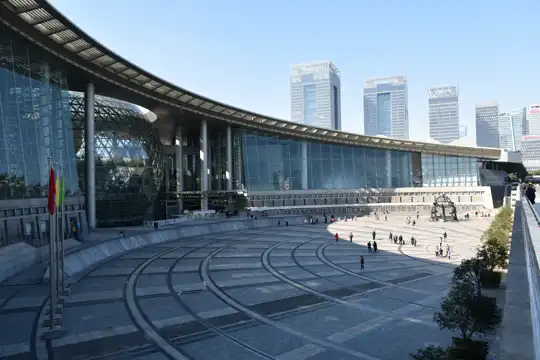
11 National Museum of China

imperial relics, socialist art, chronological galleries

Survey the breadth of Chinese history from prehistoric times to the present through curated artifacts and thematic exhibitions.

China - National Museum of China

12 Shaanxi History Museum

Tang dynasty, bronze vessels, Silk Road relics

Examine treasures from imperial capitals and Silk Road trade routes, highlighting the region’s influence on Chinese civilization.

13 Nanjing Massacre Memorial Hall

historical testimony, memorial sculptures, archival documents

Reflect on a pivotal moment in modern history through survivor accounts, multimedia exhibits, and commemorative installations.

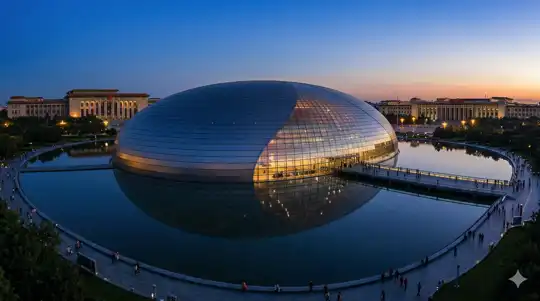
14 National Centre for the Performing Arts

glass dome, concert halls, reflecting pool

Attend performances or explore the striking architecture of this cultural venue set amid tranquil water features in central Beijing.

China - National Centre for the Performing Arts

15 Ocean Park Hong Kong

marine exhibits, cable car, animal shows

Combine aquarium experiences with amusement rides and wildlife encounters in a park spanning both land and sea environments.

16 Chimelong Paradise

roller coasters, themed zones, family rides

Experience a wide range of thrill rides and attractions designed for all ages in a sprawling amusement park environment.

17 Shanghai Urban Planning Exhibition Center

city model, skyline evolution, interactive displays

Visualize Shanghai’s rapid transformation through scale models, multimedia presentations, and future development plans.

18 China Art Museum

modern Chinese art, red building, panoramic galleries

View extensive collections of contemporary and 20th-century Chinese artworks displayed in a striking architectural landmark.

19 Guangdong Museum

Lingnan culture, jade artifacts, rotating exhibits

Discover regional history and craftsmanship through curated displays of art, archaeology, and natural history from southern China.

20 Tibet Museum

Buddhist relics, thangka paintings, ethnic displays

Learn about Tibetan culture and religion through artifacts, art, and exhibits on regional customs and spiritual practices.

21 Urumqi Xinjiang Regional Museum

mummies, Silk Road textiles, ethnic galleries

Investigate the diverse heritage of Xinjiang through preserved remains, ancient fabrics, and displays on local communities.

22 Yunnan Nationalities Museum

minority costumes, folk architecture, festival exhibits

Discover the traditions of Yunnan’s many ethnic groups through immersive displays of clothing, dwellings, and ceremonial objects.

23 Hubei Provincial Museum

Chu culture, ancient bells, archaeological finds

Examine relics from the ancient state of Chu, including musical instruments and burial artifacts, in a modern museum setting.

24 Henan Museum

ancient bronzes, oracle bones, dynastic treasures

Trace the evolution of early Chinese civilization through archaeological finds and artifacts from the cradle of Chinese history.

25 Guizhou Provincial Museum

ethnic costumes, karst geology, local relics

Explore the cultural diversity and natural history of Guizhou through exhibits on minority groups and regional landscapes.

Think you know China?

Prove you’re a true local — uncover 15 lesser-known attractions in China that locals tend to keep to themselves.
Loading the map 🌍

Expert viewExpert Commentary on attractions

Understanding the Scale and Scope of Attractions

China’s sheer size and diversity mean that the idea of “best attractions” isn’t a simple checklist but a strategic selection process. You can’t—and shouldn’t—try to cram too many into one trip. The country’s attractions range from sprawling natural landscapes to dense cultural sites, each demanding different levels of time and energy. A practical approach is to aim for a handful of well-chosen highlights rather than a scattergun approach. Visiting three to five major attractions per trip strikes a balance between depth and breadth. This range allows you to absorb the essence of each place without rushing or burning out. Trying to do more often leads to superficial visits and logistical headaches that sap the joy out of the experience.

Time

read more 👉

Understanding the Scale and Scope of Attractions

China’s sheer size and diversity mean that the idea of “best attractions” isn’t a simple checklist but a strategic selection process. You can’t—and shouldn’t—try to cram too many into one trip. The country’s attractions range from sprawling natural landscapes to dense cultural sites, each demanding different levels of time and energy. A practical approach is to aim for a handful of well-chosen highlights rather than a scattergun approach. Visiting three to five major attractions per trip strikes a balance between depth and breadth. This range allows you to absorb the essence of each place without rushing or burning out. Trying to do more often leads to superficial visits and logistical headaches that sap the joy out of the experience.

Time Investment and Travel Rhythm

Expect to spend at least a couple of days at each major attraction to appreciate its layers—whether it’s a historic site, a natural wonder, or a cultural hub. The travel distances between attractions can be vast, and infrastructure varies widely. High-speed trains and domestic flights cover large distances efficiently but come with their own trade-offs: booking in advance is essential, and peak travel seasons can turn these modes into endurance tests. Slower, ground-level travel offers richer local interaction but demands more time. The rhythm of your trip should factor in these transit realities. Overloading your itinerary with back-to-back attractions in distant regions is a recipe for exhaustion and missed opportunities. Instead, cluster your visits regionally to minimize transit time and maximize immersion.

Budgeting with Regional Variation in Mind

Costs fluctuate dramatically depending on where you go and how you travel. Urban centers and internationally famous sites tend to have higher entrance fees and accommodation prices, while rural or less-touristed areas offer more affordable options but may require additional spending on transport or guided services. Budgeting isn’t just about money; it’s about prioritizing what matters most to you. If you want to experience a rare cultural performance or a guided tour with a local expert, allocate funds accordingly and cut back elsewhere. Conversely, if your focus is on natural scenery or street-level cultural encounters, you can stretch your budget by choosing simpler lodging and public transport. The key is to map your priorities against the cost landscape and accept that splurges in one area mean compromises in another.

Planning and Prioritization Strategies

The best way to plan is to think in layers: start with broad regions, then drill down to specific attractions that fit your interests and logistical constraints. Consider the local climate and seasonality, as some attractions are best experienced during particular times of the year. For example, certain natural sites may be inaccessible or less impressive in off-seasons, while cultural festivals can add a unique dimension but require precise timing. Factor in local holidays and weekends, which can swell crowds and inflate prices. Prioritize attractions that offer a mix of cultural depth and logistical ease—those that are accessible without excessive transfers or complicated visas. This approach lets you build a trip that feels coherent and manageable rather than a frantic checklist.

Regional Infrastructure and Its Impact

China’s infrastructure is a patchwork of ultra-modern hubs and more traditional, slower-paced areas. High-speed rail networks connect major cities and some tourist hotspots, but beyond these corridors, expect slower roads and less frequent public transport. This unevenness shapes your travel options and timing. For instance, some attractions require multiple modes of transport—train to a city, bus or taxi to a rural site, then a hike or boat ride. Each transfer adds complexity and potential delays. Understanding this system helps you anticipate where you’ll need extra time or patience. It also highlights the value of local guides or well-organized tours in certain regions, which can streamline logistics and enrich your experience with insider knowledge.

Safety and Cultural Navigation

Safety in China is generally high, but the scale and diversity of the country mean you must stay alert to regional differences. Urban areas have well-established emergency services and tourist support, but remote regions may lack immediate assistance. Language barriers can complicate communication, especially outside major cities, so learning basic phrases or using translation apps is wise. Cultural norms vary significantly; what’s acceptable in one region might be frowned upon in another. Respect for local customs, especially in ethnic minority areas, is crucial. This isn’t just about politeness—it can affect your access to certain sites or experiences. For example, some temples or villages have strict rules about photography or behavior. Being informed and adaptable turns these potential pitfalls into opportunities for deeper connection.

Trade-offs Between Authenticity and Convenience

There’s a constant tension between chasing authentic, off-the-beaten-path experiences and opting for convenience. Remote attractions often offer richer cultural encounters and less commercialized environments but come with logistical challenges: limited transport, fewer amenities, and sometimes language isolation. On the other hand, popular sites are easier to reach and have better infrastructure but can feel crowded and commercialized. The savvy traveler balances these by mixing both types of experiences. Spend a few days in well-serviced areas to recharge and handle logistics, then venture out to less accessible spots for genuine immersion. This approach requires flexibility and a willingness to accept some discomfort in exchange for memorable, less-touristed moments.

Unlocking the System: The Power of Local Insight

One of the smartest moves you can make is tapping into local knowledge early and often. Whether through guides, local hosts, or seasoned travelers, insider tips can transform your visit. They help you avoid common pitfalls like arriving at an attraction during peak hours or missing out on lesser-known but rewarding side sites. Locals can also advise on the best times to visit, how to navigate transport quirks, and where to find authentic food and cultural experiences. This layer of insight turns the complex logistics of traveling China into a game you’re winning, not a maze you’re lost in. It’s the difference between ticking boxes and truly understanding the rhythm and soul of each place.

Final Thought on Managing Expectations

China’s attractions are vast and varied, and no single trip can capture them all. The real skill lies in setting realistic goals and embracing the journey’s unpredictability. Weather, crowds, and transport hiccups will happen. Instead of seeing these as setbacks, view them as part of the system you’re mastering. Each challenge is an opportunity to adapt and discover something unexpected. This mindset turns logistical complexity into a satisfying puzzle, where every decision—what to see, when, and how—feels like a strategic win. You’re not just visiting China’s attractions; you’re navigating a dynamic system with confidence and curiosity.

✈️ The backpacker research shortcutChina Travel Guide

An offline-friendly backpacking guide with optimized travel routes, ranked highlights, transport advice, and the best areas to stay.
example page 0 from our offline Travel Guide for China
example page 1 from our offline Travel Guide for China
example page 2 from our offline Travel Guide for China
example page 3 from our offline Travel Guide for China
example page 4 from our offline Travel Guide for China
example page 5 from our offline Travel Guide for China
example page 6 from our offline Travel Guide for China
example page 7 from our offline Travel Guide for China
The digital guide (463 pages) contains:
130 highlights, ranked by travel appeal
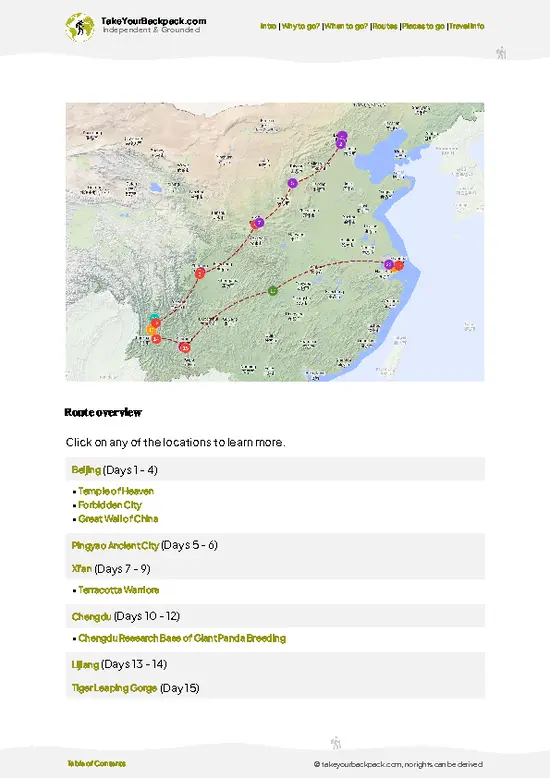
Optimized 14, 21 & 30-day travel routes
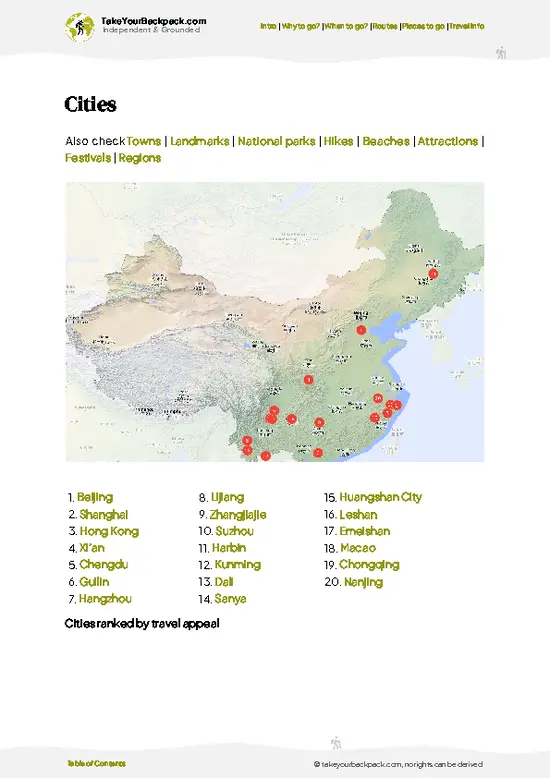
Cities, national parks, landmarks, beaches
How to get around
Offline-friendly for travel without Wi-Fi
👉 Click to see all 30+ guide features

📅 Plan smarter in minutes, not weeks
Month by month travel advice
Festivals & national holidays
Budget expectations

🗺️ Go to the right places, skip the overrated ones
Honest pros & cons of destinations
Top hikes, parks & viewpoints
Lesser-known places most travelers miss
Clear “worth it vs skip it” guidance

🛏️ Travel smoothly without rookie mistakes
Best areas to stay
Transport systems explained simply
Common scams & safety advice
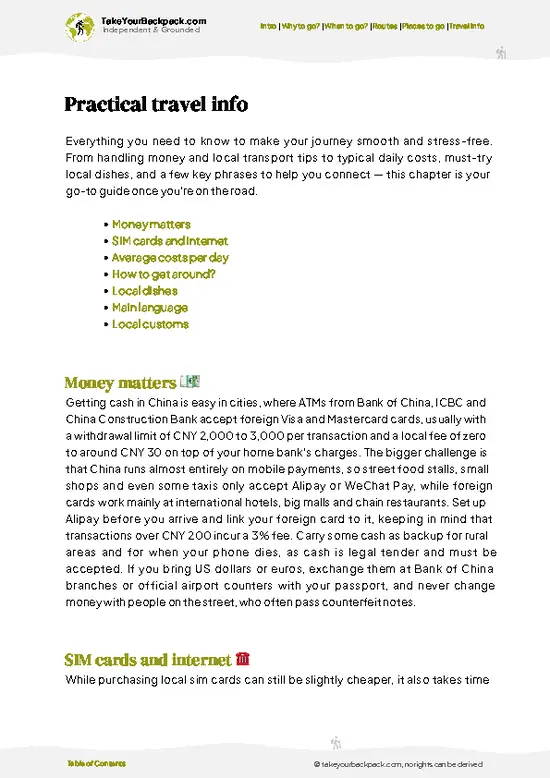
SIM cards, money & practical tips

🌍 Understand the country, not just visit it
Culture & traditions
52 Essential phrases & customs
Festivals worth planning around
Traveler-friendly historical context
Insights that make places more meaningful

📱 Built for real travel conditions
Fully downloadable PDF
Works completely offline
Optimized for phone use
Useful in remote areas & buses
Everything in one place
Save weeks of stressful planning
Get instant access to your full guide. 30‑day money-back guarantee.
+ Add another guide for just US$7.80

By proceeding you agree to our terms.
Sent to your inbox immediately after payment • 100% Secure Checkout
Best Backpacking Travel Advisor 2025 tourism awardBest Backpacking
Travel Advisor
2025
What others say about Take Your Backpack Guides:
⭐⭐⭐⭐⭐
Fantastic, amazing amount of information!
⭐⭐⭐⭐⭐
My goodness this is amazing, it's what I've been looking for hats off too you!
⭐⭐⭐⭐⭐
I think this is absolutely BRILLIANT
⭐⭐⭐⭐
Very complete and informative. It's still missing places, but I gotta to commend you
⭐⭐⭐⭐⭐
This is truly amazing, thank you, can't wait to explore it with my kids!
⭐⭐⭐⭐⭐
Awesome resource, thank you!
⭐⭐⭐⭐⭐
This is amazing! Can't wait to explore the ones I haven't seen
⭐⭐⭐⭐
I love this! Well done, great idea.
⭐⭐⭐⭐⭐
Thanks for taking the time to make this gem!
⭐⭐⭐⭐⭐
This might be the best website I've ever seen.
⭐⭐⭐⭐⭐
Congratulations, and thank you so much for your work; it's incredibly valuable.
⭐⭐⭐⭐
In all seriousness I think you did a great job pointing out the important spots
⭐⭐⭐⭐⭐
10/10 very good
⭐⭐⭐⭐⭐
As someone who's only just starting to visit regularly this is awesome, thank you.
⭐⭐⭐⭐
Thank you very much! I'm going to visit my dad, it's going to be very useful!
⭐⭐⭐⭐⭐
This is really cool! We'll be travelling for the first time and this definitely come in handy.
⭐⭐⭐⭐⭐
You are now our minister of culture, congratulations 👨‍💼
⭐⭐⭐⭐⭐
Just wanted to tell you that this is a pearl! Going to follow your recommendations.
⭐⭐⭐⭐⭐
This is so cool. I'll definitely be using the resource for my travels soon.
⭐⭐⭐⭐⭐
This is very impressive! Good work.
⭐⭐⭐⭐⭐
This is an amazing and informative site. Very well done!

🛏️ Where to stay?Top Areas to Stay

Yes — hostels and budget accommodation are common across China, with backpacker-friendly clusters of cheap dorms, guesthouses and family-run hostels in major cities and tourist towns, so book ahead in peak season.
Top neighborhoods with the most/best budget options: Beijing — Dongcheng/Chaoyang (central sights and nightlife; can be noisy and pricier) and Xicheng (quieter, close to historic sites); Shanghai — Huangpu/Jing’an (walkable highlights, excellent transit; busy and costlier) and Pudong (modern but fewer backpacker options); Chengdu — Jinjiang/Wuhou (food streets and transport; lively evenings); Xi’an — Beilin/Muslim Quarter (by the city wall, touristy); Lijiang/Dali/Guilin/Yangshuo … read more 👉
Yes — hostels and budget accommodation are common across China, with backpacker-friendly clusters of cheap dorms, guesthouses and family-run hostels in major cities and tourist towns, so book ahead in peak season.
Top neighborhoods with the most/best budget options: Beijing — Dongcheng/Chaoyang (central sights and nightlife; can be noisy and pricier) and Xicheng (quieter, close to historic sites); Shanghai — Huangpu/Jing’an (walkable highlights, excellent transit; busy and costlier) and Pudong (modern but fewer backpacker options); Chengdu — Jinjiang/Wuhou (food streets and transport; lively evenings); Xi’an — Beilin/Muslim Quarter (by the city wall, touristy); Lijiang/Dali/Guilin/Yangshuo old towns (clustered guesthouses and social scene; crowded in high season).
Tradeoffs to plan for: central areas cut transit time and connect to nightlife but bring noise, higher rates and crowded weekends; outlying districts are cheaper and quieter but add transit time and may limit late-night options, and all places require passport registration at check-in with common small deposits.

If you enjoy meeting fellow travelers, consider choosing hostels with high ratings for atmosphere. On the other hand, if you prefer having your own space, a hotel might be a better option.

ChinaDiscover the Country

👋 Meet the founderWho’s Behind Take Your Backpack?

Johan, backpacker and founder of TakeYourBackpackHi, I’m Johan (Netherlands 🇳🇱), the creator of TakeYourBackpack. Over the past decade, I’ve backpacked through 80+ countries across six continents, gaining extensive experience with independent travel, long-term trips, and overland routes.

This site is built on a combination of firsthand travel experience and carefully curated insights from other backpackers. Many guides are based on places I’ve personally visited, while others bring together tips, observations, and practical advice shared by trusted travelers I’ve met along the way.

The goal is to provide realistic, experience-driven guidance — not generic itineraries — so you can explore destinations with better context, clearer expectations, and more confidence.

Get full China guide •
Instant download • 130 highlights • Full Offline guide