×

Cocos Islands🇨🇨 | beachesCossies BeachCalm lagoon shallows, coconut palm shade, reef snorkeling, quiet sunsets | things to do and best time to go

Explore The RipExplore West Island

Backpacking in Cossies Beach
🏆 Top pickbeach ranked #1
By Johan Kruseman 🇳🇱 | Updated October 17, 2026

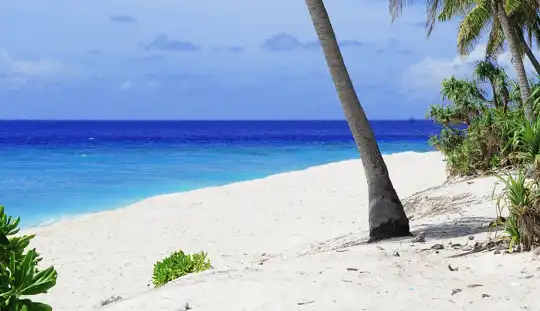
Cossies Beach is not on the main island most visitors fly into, and it is not a resort strip either. Its full name is Cossies Beach, and it sits on Direction Island in the north of the Cocos Islands, a boat ride from West Island and Home Island. Locals and yachties also know it as one of the calmest swimming spots in the atoll. Expect pale sand, shallow turquoise water, palms leaning over the shore, and almost nobody else. Snorkeling over the nearby coral is the main reason to come, and it is worth your whole afternoon. The shelter and picnic spots are basic, so bring what you need. Surf is absent, nightlife is absent, and cafes are absent, which is either a problem or the entire point. A few steps away, the Rip snorkel channel can run fast, so skip it unless you are confident. Before going, arrange your boat transfer and pack your own food and water, because nothing is sold on the island.

Discover everything you want to know in the 📖 Cocos Islands Travel Guide.


example page 0 from our offline Travel Guide for Cocos Islands
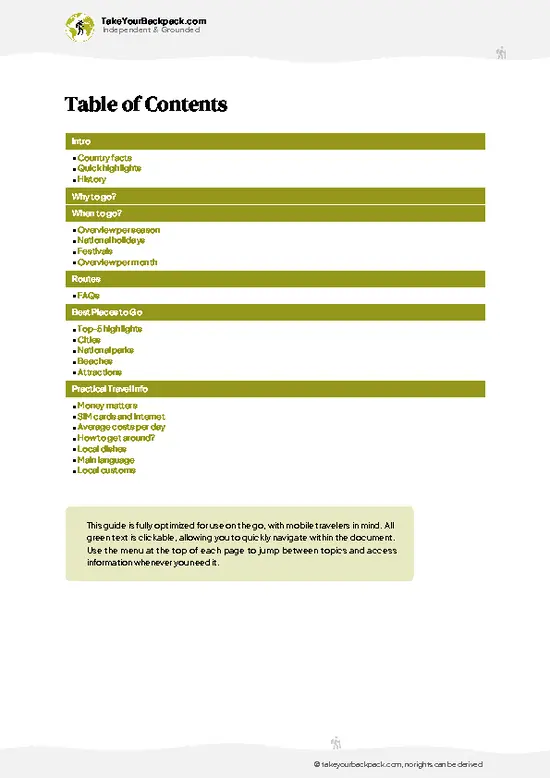
example page 1 from our offline Travel Guide for Cocos Islands
example page 2 from our offline Travel Guide for Cocos Islands
example page 3 from our offline Travel Guide for Cocos Islands
example page 4 from our offline Travel Guide for Cocos Islands
example page 5 from our offline Travel Guide for Cocos Islands
example page 6 from our offline Travel Guide for Cocos Islands
Loading the map 🌍
CLICK TO FILTER
cities
national parks
beaches
attractions
SHOW COUNTRY’S BESTSHOW ALL

✨ Why go?
Ranked #1 beach in Cocos Islands
What sets this place apart

Cossies Beach earns its stops from people who have already seen the usual tropical postcards and want the version with no sunbeds. The first draw is the water. The lagoon here is shallow, clear and calm, so you can float for an hour without checking the tide or dodging a jet ski. The second is the snorkeling. The coral gardens just off the sand hold parrotfish, reef sharks passing at a respectful distance, and plenty of small colorful fish, all within easy swimming range. The third is the isolation. Direction Island has no shops, no resort and no crowds, so the social scene is whoever came over on the same boat, usually a handful of sailors, divers and curious backpackers who end up sharing snacks and stories under the palms. It works as a pause rather than a connector. You come to slow right … read more 👉
Cossies Beach earns its stops from people who have already seen the usual tropical postcards and want the version with no sunbeds. The first draw is the water. The lagoon here is shallow, clear and calm, so you can float for an hour without checking the tide or dodging a jet ski. The second is the snorkeling. The coral gardens just off the sand hold parrotfish, reef sharks passing at a respectful distance, and plenty of small colorful fish, all within easy swimming range. The third is the isolation. Direction Island has no shops, no resort and no crowds, so the social scene is whoever came over on the same boat, usually a handful of sailors, divers and curious backpackers who end up sharing snacks and stories under the palms. It works as a pause rather than a connector. You come to slow right down, and the Cocos mood does the rest. Bring a book, a mask and a sense of humor about doing very little.

💡 HighlightsPlaces and moments you shouldn't skip

  1. Swimming in the Cossies Beach lagoon shallows. This is what the beach is known for, and it is the main reason to come. The water sits inside the Direction Island and West Island reef system, so it is calm, clear and usually warm enough that you never hesitate at the edge. Walk in slowly and watch for small fish around your ankles. Coral heads sit offshore, so shoes help on the way in.
  2. The sand and palm-shaded picnic spots. Cossies is a small, tidy stretch of pale sand backed by coconut palms on the Home Island side of the atoll, and the shade is the point. Bring food and water from the shop, because you will not find a beachside kiosk. Spread a towel under the palms and stay until the afternoon heat drops. It is an easy place to do nothing well.
  3. Snorkeling the nearby coral and fish. Bring your
… read more 👉
  1. Swimming in the Cossies Beach lagoon shallows. This is what the beach is known for, and it is the main reason to come. The water sits inside the Direction Island and West Island reef system, so it is calm, clear and usually warm enough that you never hesitate at the edge. Walk in slowly and watch for small fish around your ankles. Coral heads sit offshore, so shoes help on the way in.
  2. The sand and palm-shaded picnic spots. Cossies is a small, tidy stretch of pale sand backed by coconut palms on the Home Island side of the atoll, and the shade is the point. Bring food and water from the shop, because you will not find a beachside kiosk. Spread a towel under the palms and stay until the afternoon heat drops. It is an easy place to do nothing well.
  3. Snorkeling the nearby coral and fish. Bring your own mask and fins, since the water here is calm and the visibility is good on a clear day. Expect parrotfish, damselfish and the occasional reef shark further out, all harmless to waders. Go on a rising tide, when the water is deeper over the coral and easier to swim over. Keep a hand off the coral, which is fragile and slow to recover.
  4. Sunset from the sand. The beach faces the lagoon, so evenings are quiet and the sky does the work. There is no nightlife here, no music and no crowd, just frigate birds, fading light and the sound of small waves on the shore. Stay until dusk, then walk back before full dark, because lighting is minimal.
  5. Cycling or walking in from the Home Island area. Getting there is part of the visit. The route runs along flat, sandy tracks past palms and low scrub, and a bicycle is the sensible way to cover it in tropical heat. Set off early, carry water and take your time. The ride gives you a feel for how small and unhurried the atoll really is.
Most visitors never notice the tiny hermit crabs working along the tide line at dusk, and they are worth crouching down to watch.
Spotted a mistake or missing something? Contact us.

🌤️ When to go?Weather, crowds, and seasonal trade-offs

  • Dry Season (May to October): Southeast trade winds keep days at 24 to 29°C (75 to 84°F) with lower humidity and fewer squalls, so this is the most comfortable window for beach time. Water sits around 26 to 27°C (79 to 81°F). Winds make the lagoon choppy for kitesurfers and sailors, which is a plus if you ride.
  • Wet Season (November to April): Expect 26 to 31°C (79 to 88°F), heavy humidity and short, sharp downpours. Cyclone risk peaks from January to March, and flights can be delayed. Daylight stays close to 12 hours all year, so timing never hinges on long summer evenings.
  • Crowds: Cossies Beach is never packed. A few dozen visitors is a busy day, and it is busiest in the dry months and school holidays.
  • Prices: Flights and accommodation are scarce and pricey in the dry season, so book months ahead.
… read more 👉
  • Dry Season (May to October): Southeast trade winds keep days at 24 to 29°C (75 to 84°F) with lower humidity and fewer squalls, so this is the most comfortable window for beach time. Water sits around 26 to 27°C (79 to 81°F). Winds make the lagoon choppy for kitesurfers and sailors, which is a plus if you ride.
  • Wet Season (November to April): Expect 26 to 31°C (79 to 88°F), heavy humidity and short, sharp downpours. Cyclone risk peaks from January to March, and flights can be delayed. Daylight stays close to 12 hours all year, so timing never hinges on long summer evenings.
  • Crowds: Cossies Beach is never packed. A few dozen visitors is a busy day, and it is busiest in the dry months and school holidays.
  • Prices: Flights and accommodation are scarce and pricey in the dry season, so book months ahead. Wet season fares can run noticeably lower.
Book your flight first, then build the trip around it, because seats to the islands fill early from June to September.


source: climatestotravel.comJANJanuary: fair for travelingFEBFebruary: fair for travelingMARMarch: fair for travelingAPRApril: below average for travelingMAYMay: fair for travelingJUNJune: highly recommended for travelingJULJuly: highly recommended for travelingAUGAugust: highly recommended for travelingSEPSeptember: excellent for travelingOCTOctober: excellent for travelingNOVNovember: good for travelingDECDecember: excellent for traveling
when-to-go

✈️ The backpacker research shortcutCocos Islands Travel Guide

An offline-friendly backpacking guide with optimized travel routes, ranked highlights, transport advice, and the best areas to stay.
example page 0 from our offline Travel Guide for Cocos Islands
example page 1 from our offline Travel Guide for Cocos Islands
example page 2 from our offline Travel Guide for Cocos Islands
example page 3 from our offline Travel Guide for Cocos Islands
example page 4 from our offline Travel Guide for Cocos Islands
example page 5 from our offline Travel Guide for Cocos Islands
example page 6 from our offline Travel Guide for Cocos Islands
The digital guide (48 pages) contains:
✅ 5 highlights, ranked by travel appeal
✅ Optimized 5, 10 & 15-day travel routes
✅ Cities, national parks, landmarks, beaches
✅ How to get around
✅ Offline-friendly for travel without Wi-Fi
👉 Click to see all 30+ guide features

📅 Plan smarter in minutes, not weeks
✅ Month by month travel advice
✅ Festivals & national holidays
✅ Budget expectations

🗺️ Go to the right places, skip the overrated ones
✅ Honest pros & cons of destinations
✅ Top hikes, parks & viewpoints
✅ Lesser-known places most travelers miss
✅ Clear “worth it vs skip it” guidance

🛏️ Travel smoothly without rookie mistakes
✅ Best areas to stay
✅ Transport systems explained simply
✅ Common scams & safety advice
✅ SIM cards, money & practical tips

🌍 Understand the country, not just visit it
✅ Culture & traditions
✅ 52 Essential phrases & customs
✅ Festivals worth planning around
✅ Traveler-friendly historical context
✅ Insights that make places more meaningful

📱 Built for real travel conditions
✅ Fully downloadable PDF
✅ Works completely offline
✅ Optimized for phone use
✅ Useful in remote areas & buses
✅ Everything in one place
Stop searching, start planning
Get instant access to your full guide. 30‑day money-back guarantee.
+ Add another guide for just

By proceeding you agree to our terms.
Sent to your inbox immediately after payment • 100% Secure Checkout
Best Backpacking Travel Advisor 2025 tourism awardBest Backpacking
Travel Advisor
2025
What others say about Take Your Backpack Guides:
⭐⭐⭐⭐⭐
Fantastic, amazing amount of information!
⭐⭐⭐⭐⭐
My goodness this is amazing, it's what I've been looking for hats off too you!
⭐⭐⭐⭐⭐
I think this is absolutely BRILLIANT
⭐⭐⭐⭐
Very complete and informative. It's still missing places, but I gotta to commend you
⭐⭐⭐⭐⭐
This is truly amazing, thank you, can't wait to explore it with my kids!
⭐⭐⭐⭐⭐
Awesome resource, thank you!
⭐⭐⭐⭐⭐
This is amazing! Can't wait to explore the ones I haven't seen
⭐⭐⭐⭐
I love this! Well done, great idea.
⭐⭐⭐⭐⭐
Thanks for taking the time to make this gem!
⭐⭐⭐⭐⭐
This might be the best website I've ever seen.
⭐⭐⭐⭐⭐
Congratulations, and thank you so much for your work; it's incredibly valuable.
⭐⭐⭐⭐
In all seriousness I think you did a great job pointing out the important spots
⭐⭐⭐⭐⭐
10/10 very good
⭐⭐⭐⭐⭐
As someone who's only just starting to visit regularly this is awesome, thank you.
⭐⭐⭐⭐
Thank you very much! I'm going to visit my dad, it's going to be very useful!
⭐⭐⭐⭐⭐
This is really cool! We'll be travelling for the first time and this definitely come in handy.
⭐⭐⭐⭐⭐
You are now our minister of culture, congratulations 👨‍💼
⭐⭐⭐⭐⭐
Just wanted to tell you that this is a pearl! Going to follow your recommendations.
⭐⭐⭐⭐⭐
This is so cool. I'll definitely be using the resource for my travels soon.
⭐⭐⭐⭐⭐
This is very impressive! Good work.
⭐⭐⭐⭐⭐
This is an amazing and informative site. Very well done!

🛏️ Where to stay?How to pick the right area

Stay on West Island, the main settlement and the closest base to Cossies Beach, which is on Home Island's side of the atoll and reached by a short ferry or boat hop. Accommodation across the whole group is limited, so backpackers should treat the choice as two areas rather than a menu.
West Island is the practical pick. It holds the airport, the small supermarket, the cafe, the bike and kayak hire and most of the guesthouses and self-contained units, which run roughly US$80 to 150 a night. Nothing here is a hostel dorm, so the social side comes from sharing a unit with other travelers and meeting … read more 👉
Stay on West Island, the main settlement and the closest base to Cossies Beach, which is on Home Island's side of the atoll and reached by a short ferry or boat hop. Accommodation across the whole group is limited, so backpackers should treat the choice as two areas rather than a menu.
West Island is the practical pick. It holds the airport, the small supermarket, the cafe, the bike and kayak hire and most of the guesthouses and self-contained units, which run roughly US$80 to 150 a night. Nothing here is a hostel dorm, so the social side comes from sharing a unit with other travelers and meeting people on the lagoon tours and at the cafe. Cooking your own food saves money, since eating out is limited.
Home Island is the cultural side, home to the Cocos Malay community, with a few homestay-style rooms in the US$70 to 130 range. It is quieter and more local, with modest dress expected and little nightlife. Staying here puts you closer to the beach and gives better contact with island life, though you will need to arrange boat links for the rest of the atoll.
Book early, as beds across the islands number only in the dozens.

🛡️ SafetyStaying Safe: What Travelers Should Know

Cossies Beach is a calm, sheltered lagoon beach, and swimming here is generally easy. Waves are small, the water is shallow and warm, and there are no real rips inside the lagoon. Tides matter more than surf. Water over the flats can run shallow at low tide and tidal flow near channels can pull firmly, so stay on the beach side of the lagoon and avoid swimming close to channel edges. Coral heads and sharp patches sit close to shore, so wear reef shoes or sandals when wading. Reef sharks, mostly small blacktips, are common in the lagoon and rarely bother swimmers. Stinging jellyfish are uncommon but possible. The main hazard is the sun. It is close to the equator, with strong UV all year, and shade is limited to palms, so bring a rash shirt, hat and plenty of water. Theft is rarely a concern … read more 👉
Cossies Beach is a calm, sheltered lagoon beach, and swimming here is generally easy. Waves are small, the water is shallow and warm, and there are no real rips inside the lagoon. Tides matter more than surf. Water over the flats can run shallow at low tide and tidal flow near channels can pull firmly, so stay on the beach side of the lagoon and avoid swimming close to channel edges. Coral heads and sharp patches sit close to shore, so wear reef shoes or sandals when wading. Reef sharks, mostly small blacktips, are common in the lagoon and rarely bother swimmers. Stinging jellyfish are uncommon but possible. The main hazard is the sun. It is close to the equator, with strong UV all year, and shade is limited to palms, so bring a rash shirt, hat and plenty of water. Theft is rarely a concern on the islands, but keep valuables out of sight. No lifeguards are posted, so swim with company, and take care with afternoon squalls in the wet season.

FAQCommon questions from travelers

Cossies Beach is reached by flying to Cocos (Keeling) Islands Airport on West Island, roughly 3.5 to 4 hours from Perth on weekly flights, then taking a short drive or bike ride to the shore. Flights are limited and fares often run from US$600 to 1,200 return, so book well ahead. Once on the islands, a car, bike or arranged transfer covers the rest.
Cossies Beach suits swimming and snorkeling well, thanks to sheltered, shallow, clear lagoon water at 26 to 27°C (79 to 81°F). Surfing is not the draw here, as the lagoon has little wave energy, though kitesurfing and paddling are popular in the trade winds. Bring your own snorkel gear or rent it on West Island, and wear reef shoes around the coral patches.
Yes, Cossies Beach is free to visit, with no entry fee or gate. Costs come from getting to the atoll, with flights from Perth typically US$600 to 1,200 return, and from lodging at around US$80 to 150 a night. Bring water, food and sun cover, since there are few facilities on the beach itself.
⚠️ Things can change over time, so always validate details locally before you go.

More places to explore across Cocos Islands

Cossies Beach isn’t the only highlight in Cocos Islands. Explore all what Cocos Islands has to offer.
Country photo of Cocos Islands

We 💚 feedbackIs it worth it?

Cossies Beach is best on a calm morning in the dry months, when the lagoon is flat and clear and the sun has not yet turned the sand hot. Go early, snorkel first, then eat lunch in the shade. I would bring more water than seems reasonable and skip any plans for the evening.

✍️ Help improve this page!
The information on this page is based on in-depth research, insights shared by experienced travelers, and feedback from the local travel community in Cocos Islands. While every effort is made to keep the information accurate and current, conditions can change — so if you spot anything incorrect or outdated, please get in touch.


🙋‍♂️ Give feedback

👋 Meet the founderWho’s Behind Take Your Backpack?

Johan, backpacker and founder of TakeYourBackpackHi, I’m Johan (Netherlands 🇳🇱), the creator of TakeYourBackpack. Over the past 3 decades, I’ve backpacked through 90+ countries across six continents, gaining extensive experience with independent travel, long-term trips, and overland routes.

This site is built on a combination of firsthand travel experience and carefully curated insights from other backpackers. Many guides are based on places I’ve personally visited, while others bring together tips, observations, and practical advice shared by trusted travelers I’ve met along the way.

The goal is to provide realistic, experience-driven guidance — not generic itineraries — so you can explore destinations with better context, clearer expectations, and more confidence.