×

Cocos Islands🇨🇨 | attractionsThe RipTidal drift snorkel, coral wall, parrotfish schools, blacktip sharks | things to do and best time to go

Explore Pulu Keeling National ParkExplore Cossies Beach

Backpacking in The Rip
🏆 Top pickattraction ranked #1
By Johan Kruseman 🇳🇱 | Updated October 22, 2026

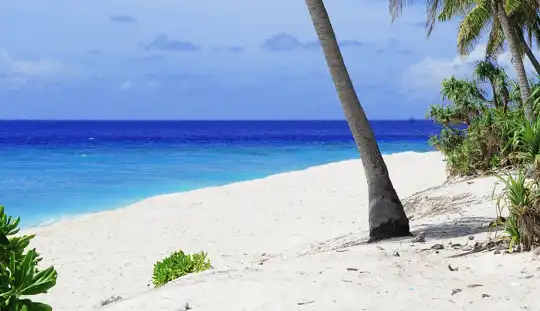
You slip off the edge, and the current takes over. Warm water pulls you along the coral wall while parrotfish scatter below and your fins do almost nothing. That is The Rip, a tidal channel at the southern end of West Island in the Cocos Islands. It exists because lagoon water squeezes through a narrow gap with each tide, so the flow is strong and the fish are thick. Smarter travelers time their swim for slack or gentle tide and bring a buddy, because the push is real and the nearest help is not close. Skip the idea of lounging here; this is a moving swim, not a beach day. It is free, uncrowded and one of the best reef experiences in the country, though access depends on getting to the islands at all, which is the pricey part. Start your first day with a calm-tide swim, then rinse off and ride a bike around West Island.

Discover everything you want to know in the 📖 Cocos Islands Travel Guide.


example page 0 from our offline Travel Guide for Cocos Islands
example page 1 from our offline Travel Guide for Cocos Islands
example page 2 from our offline Travel Guide for Cocos Islands
example page 3 from our offline Travel Guide for Cocos Islands
example page 4 from our offline Travel Guide for Cocos Islands
example page 5 from our offline Travel Guide for Cocos Islands
example page 6 from our offline Travel Guide for Cocos Islands
Loading the map 🌍
CLICK TO FILTER
cities
national parks
beaches
attractions
SHOW COUNTRY’S BESTSHOW ALL

✨ Why go?
Ranked #1 attraction in Cocos Islands
What makes it a must-see attraction

The Rip gives you reef snorkeling with the effort taken out. The channel carries you past coral heads on a moving belt, so you cover more reef in twenty minutes than you would kicking around a flat lagoon. Visibility in the clear water is excellent, and the density of reef fish is the draw: schools of parrotfish, butterflyfish and other reef dwellers feed right along the edge.

The second reason is context. Most visitors to the Cocos Islands come for lagoon calm, kiting or quiet beaches, and The Rip’s tidal current is the one spot where the water has a bit of adrenaline in it. It suits confident swimmers who want something more than floating. Nothing on the island feels more like a wild-reef dive for the price of a mask.

It also fits the rhythm of the place. You can swim West Island’s southern … read more 👉
The Rip gives you reef snorkeling with the effort taken out. The channel carries you past coral heads on a moving belt, so you cover more reef in twenty minutes than you would kicking around a flat lagoon. Visibility in the clear water is excellent, and the density of reef fish is the draw: schools of parrotfish, butterflyfish and other reef dwellers feed right along the edge.

The second reason is context. Most visitors to the Cocos Islands come for lagoon calm, kiting or quiet beaches, and The Rip’s tidal current is the one spot where the water has a bit of adrenaline in it. It suits confident swimmers who want something more than floating. Nothing on the island feels more like a wild-reef dive for the price of a mask.

It also fits the rhythm of the place. You can swim West Island’s southern reef in the morning, be dry by lunch, and spend the afternoon cycling. For a destination this remote, that kind of easy, free, world-class water is the thing worth the long flight.

💡 HighlightsDon't-miss highlights and experiences

  1. Drift snorkel through The Rip channel: the signature experience. Enter at the upstream end and let the tidal flow carry you along the coral wall. It feels like flying slowly over a reef, and you barely have to move.
  2. Parrotfish and reef fish schools: the channel concentrates feeding fish, so you float through clouds of parrotfish, butterflyfish and surgeonfish. Look for the loud crunching sound of parrotfish grazing coral.
  3. Blacktip reef sharks: these small, shy sharks patrol reefs here and are often spotted cruising the edge of the channel. They are not aggressive toward swimmers, but they are a thrill to see in clear water.
  4. The coral wall and bommies: the reef drops away beside the channel, giving you layered coral shapes and shelves where fish hide. Float high over them and look down for the
… read more 👉
  1. Drift snorkel through The Rip channel: the signature experience. Enter at the upstream end and let the tidal flow carry you along the coral wall. It feels like flying slowly over a reef, and you barely have to move.
  2. Parrotfish and reef fish schools: the channel concentrates feeding fish, so you float through clouds of parrotfish, butterflyfish and surgeonfish. Look for the loud crunching sound of parrotfish grazing coral.
  3. Blacktip reef sharks: these small, shy sharks patrol reefs here and are often spotted cruising the edge of the channel. They are not aggressive toward swimmers, but they are a thrill to see in clear water.
  4. The coral wall and bommies: the reef drops away beside the channel, giving you layered coral shapes and shelves where fish hide. Float high over them and look down for the best views.
  5. Slack-tide float: when the current eases, the same spot turns into a calm swim. This is the gentler option for less confident swimmers and the best time for photography.
  6. Shoreline walk and rinse-off stop: after swimming, the water’s edge is a quiet place to dry off and watch the channel change color with the tide. It is a simple, free finish to the morning.
The swim itself takes 30 to 60 minutes, and with tide checking and a shoreline break you should plan about two hours in total.
Spotted a mistake or missing something? Contact us.

🌤️ When to go?Weather, crowds, and seasonal trade-offs

  • Dry Season (May to October): The best window for The Rip, with southeast trades keeping days at 24 to 29°C (75 to 84°F) and showers short and rare. Sunlight runs about 12 hours, so you have long, easy afternoons for snorkeling the channel off Direction Island.
  • Wet Season (November to April): Expect 26 to 31°C (79 to 88°F), higher humidity and squalls that can arrive quickly. Visibility can dip after heavy rain, and the odd tropical cyclone can disrupt flights.
  • Wind and Tide: Conditions matter more than the month. The current through The Rip runs fast on the outgoing tide, so calm, light-wind days near slack water are the safest for drifting it.
  • Crowds and Prices: Visitor numbers stay tiny all year. Flights and the few rooms cost more around Australian school holidays (December to January and
… read more 👉
  • Dry Season (May to October): The best window for The Rip, with southeast trades keeping days at 24 to 29°C (75 to 84°F) and showers short and rare. Sunlight runs about 12 hours, so you have long, easy afternoons for snorkeling the channel off Direction Island.
  • Wet Season (November to April): Expect 26 to 31°C (79 to 88°F), higher humidity and squalls that can arrive quickly. Visibility can dip after heavy rain, and the odd tropical cyclone can disrupt flights.
  • Wind and Tide: Conditions matter more than the month. The current through The Rip runs fast on the outgoing tide, so calm, light-wind days near slack water are the safest for drifting it.
  • Crowds and Prices: Visitor numbers stay tiny all year. Flights and the few rooms cost more around Australian school holidays (December to January and July), so book early then.
Aim for June to September, and ask local operators to time your swim with the tide before you get in.


source: climatestotravel.comJANJanuary: fair for travelingFEBFebruary: fair for travelingMARMarch: fair for travelingAPRApril: below average for travelingMAYMay: fair for travelingJUNJune: highly recommended for travelingJULJuly: highly recommended for travelingAUGAugust: highly recommended for travelingSEPSeptember: excellent for travelingOCTOctober: excellent for travelingNOVNovember: good for travelingDECDecember: excellent for traveling
when-to-go

✈️ The backpacker research shortcutCocos Islands Travel Guide

An offline-friendly backpacking guide with optimized travel routes, ranked highlights, transport advice, and the best areas to stay.
example page 0 from our offline Travel Guide for Cocos Islands
example page 1 from our offline Travel Guide for Cocos Islands
example page 2 from our offline Travel Guide for Cocos Islands
example page 3 from our offline Travel Guide for Cocos Islands
example page 4 from our offline Travel Guide for Cocos Islands
example page 5 from our offline Travel Guide for Cocos Islands
example page 6 from our offline Travel Guide for Cocos Islands
The digital guide (48 pages) contains:
✅ 5 highlights, ranked by travel appeal
✅ Optimized 5, 10 & 15-day travel routes
✅ Cities, national parks, landmarks, beaches
✅ How to get around
✅ Offline-friendly for travel without Wi-Fi
👉 Click to see all 30+ guide features

📅 Plan smarter in minutes, not weeks
✅ Month by month travel advice
✅ Festivals & national holidays
✅ Budget expectations

🗺️ Go to the right places, skip the overrated ones
✅ Honest pros & cons of destinations
✅ Top hikes, parks & viewpoints
✅ Lesser-known places most travelers miss
✅ Clear “worth it vs skip it” guidance

🛏️ Travel smoothly without rookie mistakes
✅ Best areas to stay
✅ Transport systems explained simply
✅ Common scams & safety advice
✅ SIM cards, money & practical tips

🌍 Understand the country, not just visit it
✅ Culture & traditions
✅ 52 Essential phrases & customs
✅ Festivals worth planning around
✅ Traveler-friendly historical context
✅ Insights that make places more meaningful

📱 Built for real travel conditions
✅ Fully downloadable PDF
✅ Works completely offline
✅ Optimized for phone use
✅ Useful in remote areas & buses
✅ Everything in one place
Stop searching, start planning
Get instant access to your full guide. 30‑day money-back guarantee.
+ Add another guide for just

By proceeding you agree to our terms.
Sent to your inbox immediately after payment • 100% Secure Checkout
Best Backpacking Travel Advisor 2025 tourism awardBest Backpacking
Travel Advisor
2025
What others say about Take Your Backpack Guides:
⭐⭐⭐⭐⭐
Fantastic, amazing amount of information!
⭐⭐⭐⭐⭐
My goodness this is amazing, it's what I've been looking for hats off too you!
⭐⭐⭐⭐⭐
I think this is absolutely BRILLIANT
⭐⭐⭐⭐
Very complete and informative. It's still missing places, but I gotta to commend you
⭐⭐⭐⭐⭐
This is truly amazing, thank you, can't wait to explore it with my kids!
⭐⭐⭐⭐⭐
Awesome resource, thank you!
⭐⭐⭐⭐⭐
This is amazing! Can't wait to explore the ones I haven't seen
⭐⭐⭐⭐
I love this! Well done, great idea.
⭐⭐⭐⭐⭐
Thanks for taking the time to make this gem!
⭐⭐⭐⭐⭐
This might be the best website I've ever seen.
⭐⭐⭐⭐⭐
Congratulations, and thank you so much for your work; it's incredibly valuable.
⭐⭐⭐⭐
In all seriousness I think you did a great job pointing out the important spots
⭐⭐⭐⭐⭐
10/10 very good
⭐⭐⭐⭐⭐
As someone who's only just starting to visit regularly this is awesome, thank you.
⭐⭐⭐⭐
Thank you very much! I'm going to visit my dad, it's going to be very useful!
⭐⭐⭐⭐⭐
This is really cool! We'll be travelling for the first time and this definitely come in handy.
⭐⭐⭐⭐⭐
You are now our minister of culture, congratulations 👨‍💼
⭐⭐⭐⭐⭐
Just wanted to tell you that this is a pearl! Going to follow your recommendations.
⭐⭐⭐⭐⭐
This is so cool. I'll definitely be using the resource for my travels soon.
⭐⭐⭐⭐⭐
This is very impressive! Good work.
⭐⭐⭐⭐⭐
This is an amazing and informative site. Very well done!

🛏️ Where to stay?Choosing the right base

Home Island and West Island are the two realistic bases for backpackers, and West Island is the better bet for The Rip. It holds the airport, the small shops and most of the accommodation, and it sits a short boat or ferry hop from Direction Island, where The Rip is found. Rooms here are simple self-catering units and guesthouse-style rentals, so expect to cook for yourself and share a kitchen with other visitors. That is where you meet people, since there is no hostel scene and almost every traveler arrives by the same flight.

Home Island is the alternative if you want culture over convenience. … read more 👉
Home Island and West Island are the two realistic bases for backpackers, and West Island is the better bet for The Rip. It holds the airport, the small shops and most of the accommodation, and it sits a short boat or ferry hop from Direction Island, where The Rip is found. Rooms here are simple self-catering units and guesthouse-style rentals, so expect to cook for yourself and share a kitchen with other visitors. That is where you meet people, since there is no hostel scene and almost every traveler arrives by the same flight.

Home Island is the alternative if you want culture over convenience. It is the home of the Cocos Malay community, with a quiet village feel, a handful of homestay-style options and a slower pace. You will eat with locals and hear Cocos Malay spoken, but you will rely on the ferry to reach the lagoon sights, which runs on a limited schedule.

Both islands are very safe, with little crime and a friendly, small-community atmosphere. Walk or cycle after dark without worry, though bring a light for unlit paths. Book accommodation well ahead, as beds are scarce and you will want to align arrival with the weekly flight schedule.

👛 Costs (as of 22 October 2026)How expensive it really is

Plan on about US$150 a day for The Rip, mostly because getting to and staying on the Cocos Islands costs more than the snorkeling itself. The Rip on Direction Island has no entry fee, so your spending goes on accommodation, boat transport and food that is shipped in. Everyone pays in Australian dollars, shown here in US dollars.
CategoryBudget RangeLocal Reality
Accommodation (high season)US$75 to 110Basic self-catering units on West Island or Home Island; few options, so book ahead.
Entry feeUS$0The Rip is a natural channel with no ticket.
Boat or ferry to Direction IslandUS$15 to 40Lagoon ferry or a charter drop-off; schedules are limited and tide dependent.
FoodUS$25 to 40Groceries cost more because they arrive by air and sea; cooking saves money.
Snorkel gearUS$0 to 15Bring your own, or hire
… read more 👉
Plan on about US$150 a day for The Rip, mostly because getting to and staying on the Cocos Islands costs more than the snorkeling itself. The Rip on Direction Island has no entry fee, so your spending goes on accommodation, boat transport and food that is shipped in. Everyone pays in Australian dollars, shown here in US dollars.
CategoryBudget RangeLocal Reality
Accommodation (high season)US$75 to 110Basic self-catering units on West Island or Home Island; few options, so book ahead.
Entry feeUS$0The Rip is a natural channel with no ticket.
Boat or ferry to Direction IslandUS$15 to 40Lagoon ferry or a charter drop-off; schedules are limited and tide dependent.
FoodUS$25 to 40Groceries cost more because they arrive by air and sea; cooking saves money.
Snorkel gearUS$0 to 15Bring your own, or hire basic sets from local operators.
Local transportUS$5 to 15Bicycle or scooter hire for getting around West Island.
Total Daily BudgetUS$120 to 220About US$150 for a typical day at the middle of this range.
⚠️ Prices can change and everyone travels differently, so take this as a rough guide. Hope it helps you plan your adventure!

FAQTraveler FAQ

Half a day is enough for The Rip itself, but plan a full day on Direction Island so you can snorkel the channel and enjoy the beaches. The drift takes about 20 to 40 minutes depending on the tide. Most visitors stay three to five days in the Cocos Islands, partly because flights are infrequent.
The Rip is free to visit, so there is no entrance fee to weigh up. Your real costs are the boat to Direction Island, roughly US$15 to 40, and any gear hire. For a current-driven reef drift with turtles, reef sharks and colorful fish, it is easily worth that spend.
Fly into Cocos (Keeling) Islands Airport on West Island, with flights from Perth, which take about 5 to 6 hours and often connect via Christmas Island. From West Island, a boat or ferry crosses the lagoon to Direction Island, and The Rip is a short walk or swim from the landing. Boat schedules depend on tides and weather, so confirm them with a local operator.
⚠️ Things can change over time, so always validate details locally before you go.

Expanding your trip beyond this stop

The Rip isn’t the only highlight in Cocos Islands. Explore all what Cocos Islands has to offer.
Country photo of Cocos Islands

We 💚 feedbackIs it worth it?

The Rip deserves one good morning, not a whole day: two swims on separate tides will show you both its fast side and its calm side. If you are staying three or four days on West Island, do the first swim early and save the second for when you know the current. I would bring a snug mask and reef-safe fins, and skip it entirely if the wind is up.

✍️ Help improve this page!
The information on this page is based on in-depth research, insights shared by experienced travelers, and feedback from the local travel community in Cocos Islands. While every effort is made to keep the information accurate and current, conditions can change — so if you spot anything incorrect or outdated, please get in touch.


🙋‍♂️ Give feedback

👋 Meet the founderWho’s Behind Take Your Backpack?

Johan, backpacker and founder of TakeYourBackpackHi, I’m Johan (Netherlands 🇳🇱), the creator of TakeYourBackpack. Over the past 3 decades, I’ve backpacked through 90+ countries across six continents, gaining extensive experience with independent travel, long-term trips, and overland routes.

This site is built on a combination of firsthand travel experience and carefully curated insights from other backpackers. Many guides are based on places I’ve personally visited, while others bring together tips, observations, and practical advice shared by trusted travelers I’ve met along the way.

The goal is to provide realistic, experience-driven guidance — not generic itineraries — so you can explore destinations with better context, clearer expectations, and more confidence.