v2.webp)
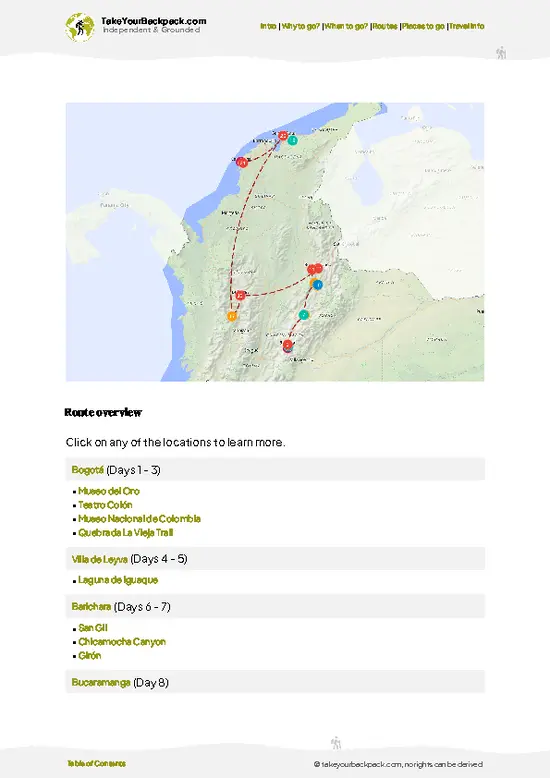
- Macarenia clavigera carpets: the aquatic plant behind the red, pink and burgundy color. Look for it on submerged rock where sunlight reaches the water, and pair it with sand and algae for the famous multicolor look.
- Los Pailones: deep, round potholes carved into the sandstone by swirling water and stones. Some are wide enough to sit in, and the view down the cascades makes it a favorite photo stop.
- Piscina del Turista: a clear, calm pool and one of the main swimming spots. You can float here, but you must enter with no sunscreen or repellent on your skin.
- Cascada Cristales: the waterfall that gives the stretch its name, where the stream drops over ledges and fans out across red-tinged rock.
- Los Ochos: a run of small pools and rock formations along the stream, where the water bends through the
- Macarenia clavigera carpets: the aquatic plant behind the red, pink and burgundy color. Look for it on submerged rock where sunlight reaches the water, and pair it with sand and algae for the famous multicolor look.
- Los Pailones: deep, round potholes carved into the sandstone by swirling water and stones. Some are wide enough to sit in, and the view down the cascades makes it a favorite photo stop.
- Piscina del Turista: a clear, calm pool and one of the main swimming spots. You can float here, but you must enter with no sunscreen or repellent on your skin.
- Cascada Cristales: the waterfall that gives the stretch its name, where the stream drops over ledges and fans out across red-tinged rock.
- Los Ochos: a run of small pools and rock formations along the stream, where the water bends through the stone and the colors line up side by side.
- The river boat to the trailhead: the approach itself, a ride across the wide Guayabero that sets the scene. You pass forest and sandy banks before the trail begins.
- Rock viewpoints along the trail: stops where the sandstone opens and you can see the whole channel at once, a good place for wide shots rather than close-ups.
Spotted a mistake or missing something? Contact us.

 Best Backpacking
.jpg) Hi, I’m Johan (Netherlands 🇳🇱), the creator of TakeYourBackpack. Over the past 3 decades, I’ve backpacked through 90+ countries across six continents, gaining extensive experience with independent travel, long-term trips, and overland routes.
Hi, I’m Johan (Netherlands 🇳🇱), the creator of TakeYourBackpack. Over the past 3 decades, I’ve backpacked through 90+ countries across six continents, gaining extensive experience with independent travel, long-term trips, and overland routes.