v2.webp)


- Ancient stone terraces and ruins — Crumbling terraces, stone walls and foundation outlines give a real sense of a once-organized settlement; walking among them feels like piecing together a puzzle of human habitation without the museum glass. What stands out is how the masonry blends with the steep terrain, showing old engineering that resisted time and jungle encroachment.
- Old stone pathways and staircases — Narrow, worn stone tracks and steps cut into the hillside are more than scenic: they were the arteries of the place. Hiking them gives you a tactile connection to the past and a satisfying sense of route-finding that modern trails often lack.
- High viewpoints over the Falan valleys — There are a few ridgelines that open up into wide, layered views of cloud-tipped valleys and patchwork
- Ancient stone terraces and ruins — Crumbling terraces, stone walls and foundation outlines give a real sense of a once-organized settlement; walking among them feels like piecing together a puzzle of human habitation without the museum glass. What stands out is how the masonry blends with the steep terrain, showing old engineering that resisted time and jungle encroachment.
- Old stone pathways and staircases — Narrow, worn stone tracks and steps cut into the hillside are more than scenic: they were the arteries of the place. Hiking them gives you a tactile connection to the past and a satisfying sense of route-finding that modern trails often lack.
- High viewpoints over the Falan valleys — There are a few ridgelines that open up into wide, layered views of cloud-tipped valleys and patchwork farms. Sunrise here can be quietly dramatic; the light makes the ruins and forest read like a living postcard. (Personal favorite: the early-morning viewpoint above the main ruins — worth an alarm.)
- Cloud forest biodiversity — The reserve sits where montane forest does its best work: moss-draped trees, bromeliads, and a chorus of birds and frogs. If you like birding or just listening to the jungle wake up, this place delivers rich, close-up nature without being a national park zoo.
- Waterfalls and natural pools — Small cascades and rock pools tucked into the forest make for excellent rest stops on longer treks. They’re great for cooling off, taking photos, or just appreciating how much water shapes the landscape here.
- Community-led conservation and local knowledge — The site is notable for how local families and guides protect and interpret it; you’ll hear oral histories, traditional uses of plants, and practical conservation stories straight from people who live nearby. That local stewardship is part of what keeps the place authentic and sustainable.
- Simple ecolodges and night-sky camping — Accommodation is low-key and often family-run, which means honest food, sturdy beds, and real conversations. On clear nights the sky is impressive — crisp stars and a silence that makes the whole experience feel a bit larger than the day.
Spotted a mistake or missing something? Contact us.

Snowy Ruiz + Hot Springs from Manizales

Manizales City Tour with Cable Car and Chipre Viewpoint

Tour coffee cultural landscape

Manizales Arrival or Departure Transfer La Nubia Airport

Transfer Premium Manizales Pereira All Inclusive in luxury SUV

Private Photo Session with a Local Photographer in Manizales

Eco-Park Recinto del Pensamiento Tour

Manizales Arrival or Departure Transfer: Matecaña Intl Airport

Manizales Hidden Waterfalls


 Best Backpacking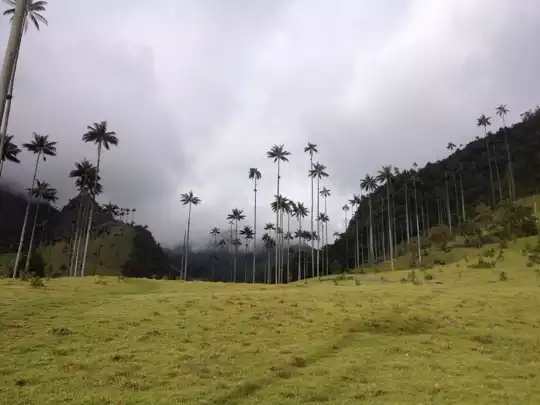
.jpg) Hi, I’m Johan (Netherlands 🇳🇱), the creator of TakeYourBackpack. Over the past 3 decades, I’ve backpacked through 90+ countries across six continents, gaining extensive experience with independent travel, long-term trips, and overland routes.
Hi, I’m Johan (Netherlands 🇳🇱), the creator of TakeYourBackpack. Over the past 3 decades, I’ve backpacked through 90+ countries across six continents, gaining extensive experience with independent travel, long-term trips, and overland routes.