The Prison Walls Themselves
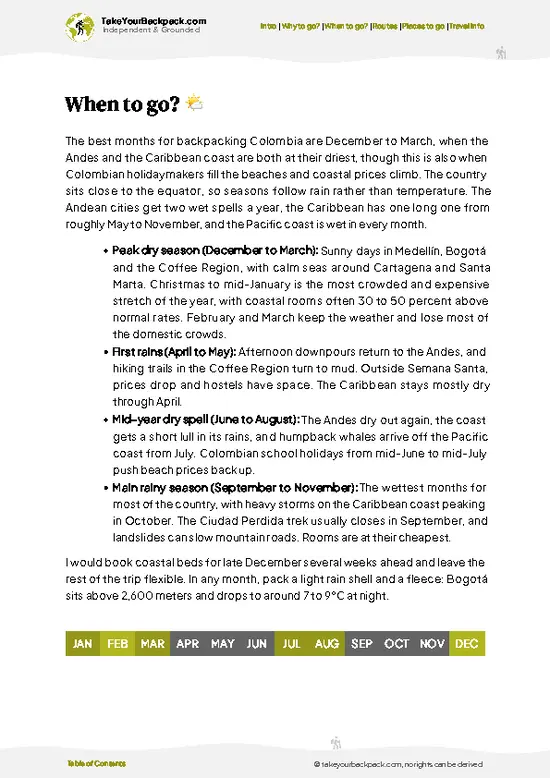
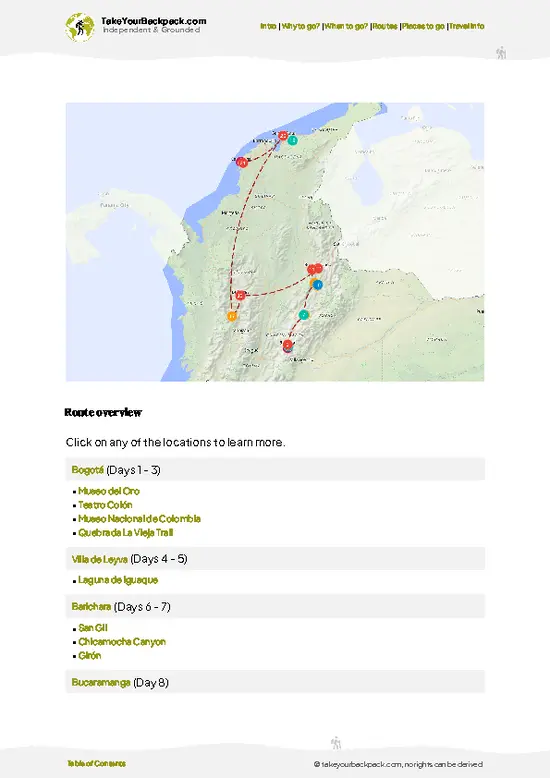
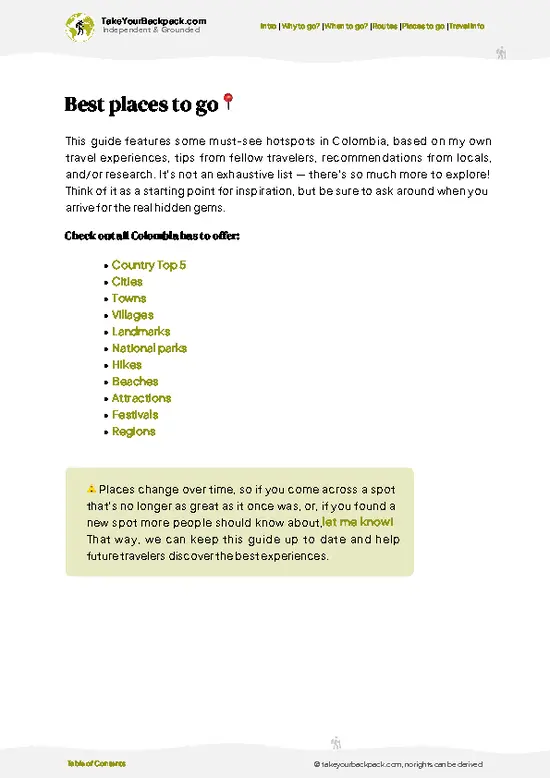
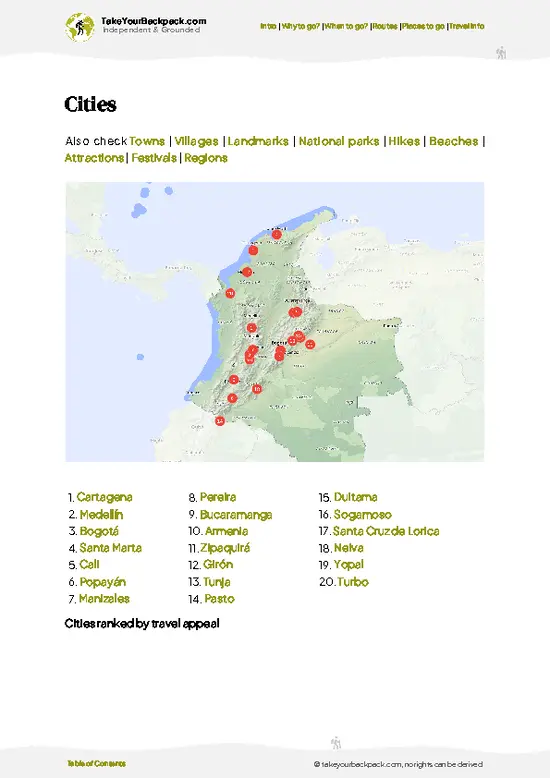
Forget the glassy, sterile museum vibe. The Museo Nacional de Colombia is a fortress—literally. Built in 1823 as a prison, its thick stone walls and iron-barred windows still radiate the tension of its past. You’ll walk through echoing corridors where political prisoners once carved graffiti into the walls. The building’s rawness is not a backdrop; it’s the main character. If you want to feel Colombia’s turbulent history in your bones, start here.
The Indigenous Gold and Ceramics
Yes, Bogotá has the Gold Museum, but the Museo Nacional’s indigenous collection is the quieter powerhouse. Here, you’ll find goldwork and ceramics that predate the Spanish by centuries—objects made for gods, not tourists. The display isn’t about dazzle; it’s about context. You see the … read more 👉
Forget the glassy, sterile museum vibe. The Museo Nacional de Colombia is a fortress—literally. Built in 1823 as a prison, its thick stone walls and iron-barred windows still radiate the tension of its past. You’ll walk through echoing corridors where political prisoners once carved graffiti into the walls. The building’s rawness is not a backdrop; it’s the main character. If you want to feel Colombia’s turbulent history in your bones, start here.
The Indigenous Gold and Ceramics
Yes, Bogotá has the Gold Museum, but the Museo Nacional’s indigenous collection is the quieter powerhouse. Here, you’ll find goldwork and ceramics that predate the Spanish by centuries—objects made for gods, not tourists. The display isn’t about dazzle; it’s about context. You see the … read more 👉
The Prison Walls Themselves
Forget the glassy, sterile museum vibe. The Museo Nacional de Colombia is a fortress—literally. Built in 1823 as a prison, its thick stone walls and iron-barred windows still radiate the tension of its past. You’ll walk through echoing corridors where political prisoners once carved graffiti into the walls. The building’s rawness is not a backdrop; it’s the main character. If you want to feel Colombia’s turbulent history in your bones, start here.
The Indigenous Gold and Ceramics
Yes, Bogotá has the Gold Museum, but the Museo Nacional’s indigenous collection is the quieter powerhouse. Here, you’ll find goldwork and ceramics that predate the Spanish by centuries—objects made for gods, not tourists. The display isn’t about dazzle; it’s about context. You see the evolution of craft, belief, and resistance. It’s a crash course in what Colombia was before it was “Colombia.”
The Independence Room
This is where the myth-busting kicks in. The Independence Room doesn’t just parade out the usual heroes and dates. It digs into the mess: betrayals, shifting alliances, and the uncomfortable truth that independence was as much about power as it was about freedom. The original flags and weapons are here, but so are the stories of those who lost. It’s a rare museum that lets you feel the cost of nation-building.
Botero’s Early Works
You know Botero for his plump, playful figures. But here, you get a glimpse of the artist before he was a global brand. Early sketches, paintings, and even a few oddball experiments show a restless mind at work. It’s a reminder that even icons start out as hungry outsiders. If you’re tired of the Botero hype machine, this is the antidote.
The Political Prisoner Cells (Personal Favorite)
This is the real gut-punch. Some of the old cells are preserved, complete with chilling artifacts and stories of those who were locked away for their beliefs. You can almost hear the whispered conversations and feel the claustrophobia. It’s not comfortable, and that’s the point. This is Colombia’s history with the sugar coating stripped away. If you want the Instagram shot, go elsewhere. If you want to understand the stakes of freedom, stand in these cells for a minute.
The Rotating Contemporary Exhibits
Here’s where the museum shakes off the dust. The temporary exhibitions are often bold, political, and sometimes downright weird. You might walk into a room filled with protest art, or a multimedia installation about the Amazon. These shows are where Colombia’s present collides with its past, and they’re rarely predictable. If you want to see a country wrestling with itself in real time, don’t skip this floor.
Forget the glassy, sterile museum vibe. The Museo Nacional de Colombia is a fortress—literally. Built in 1823 as a prison, its thick stone walls and iron-barred windows still radiate the tension of its past. You’ll walk through echoing corridors where political prisoners once carved graffiti into the walls. The building’s rawness is not a backdrop; it’s the main character. If you want to feel Colombia’s turbulent history in your bones, start here.
The Indigenous Gold and Ceramics
Yes, Bogotá has the Gold Museum, but the Museo Nacional’s indigenous collection is the quieter powerhouse. Here, you’ll find goldwork and ceramics that predate the Spanish by centuries—objects made for gods, not tourists. The display isn’t about dazzle; it’s about context. You see the evolution of craft, belief, and resistance. It’s a crash course in what Colombia was before it was “Colombia.”
The Independence Room
This is where the myth-busting kicks in. The Independence Room doesn’t just parade out the usual heroes and dates. It digs into the mess: betrayals, shifting alliances, and the uncomfortable truth that independence was as much about power as it was about freedom. The original flags and weapons are here, but so are the stories of those who lost. It’s a rare museum that lets you feel the cost of nation-building.
Botero’s Early Works
You know Botero for his plump, playful figures. But here, you get a glimpse of the artist before he was a global brand. Early sketches, paintings, and even a few oddball experiments show a restless mind at work. It’s a reminder that even icons start out as hungry outsiders. If you’re tired of the Botero hype machine, this is the antidote.
The Political Prisoner Cells (Personal Favorite)
This is the real gut-punch. Some of the old cells are preserved, complete with chilling artifacts and stories of those who were locked away for their beliefs. You can almost hear the whispered conversations and feel the claustrophobia. It’s not comfortable, and that’s the point. This is Colombia’s history with the sugar coating stripped away. If you want the Instagram shot, go elsewhere. If you want to understand the stakes of freedom, stand in these cells for a minute.
The Rotating Contemporary Exhibits
Here’s where the museum shakes off the dust. The temporary exhibitions are often bold, political, and sometimes downright weird. You might walk into a room filled with protest art, or a multimedia installation about the Amazon. These shows are where Colombia’s present collides with its past, and they’re rarely predictable. If you want to see a country wrestling with itself in real time, don’t skip this floor.
Spotted a mistake or missing something? Contact us.
v2.webp)


Best Backpacking
Hi, I’m Johan (Netherlands 🇳🇱), the creator of TakeYourBackpack. Over the past decade, I’ve backpacked through 80+ countries across six continents, gaining extensive experience with independent travel, long-term trips, and overland routes.