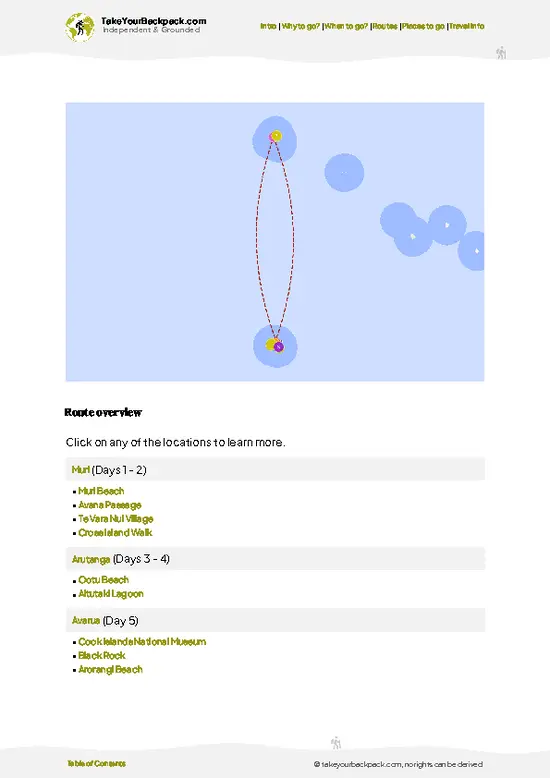
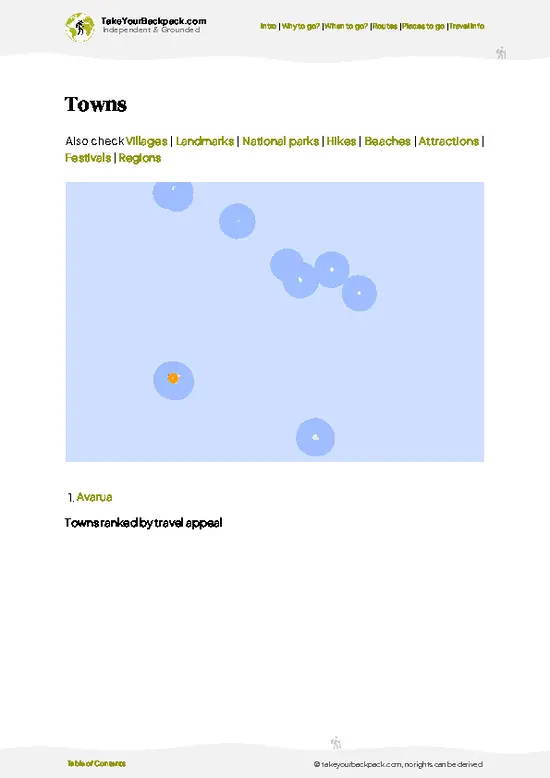
1. The Voyaging Canoes
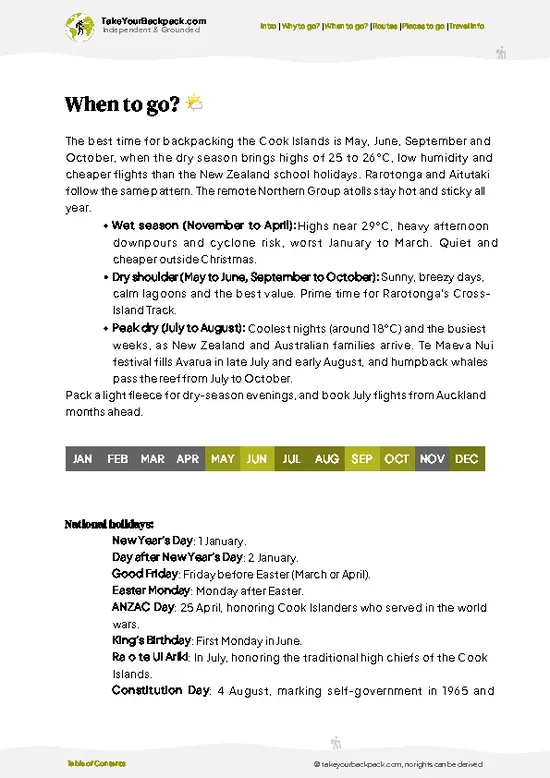
Forget the sanitized, airbrushed version of Polynesian navigation you see on travel posters. The Cook Islands National Museum puts you face-to-face with the real deal: full-sized vaka (canoes) and navigation tools that tell the story of how Polynesians crossed the Pacific without GPS, compasses, or even written maps. These aren’t just relics—they’re proof of a seafaring tradition that makes most modern “adventure travel” look like a walk to the corner store. You’ll see the scars on the wood, the lashings, the ingenious design that let people find tiny islands in a vast ocean. If you want to understand the guts and genius it took to settle the Pacific, this is your crash course.
2. The Tivaevae Room
Instagram loves a pretty quilt, but the tivaevae on display here are something … read more 👉
Forget the sanitized, airbrushed version of Polynesian navigation you see on travel posters. The Cook Islands National Museum puts you face-to-face with the real deal: full-sized vaka (canoes) and navigation tools that tell the story of how Polynesians crossed the Pacific without GPS, compasses, or even written maps. These aren’t just relics—they’re proof of a seafaring tradition that makes most modern “adventure travel” look like a walk to the corner store. You’ll see the scars on the wood, the lashings, the ingenious design that let people find tiny islands in a vast ocean. If you want to understand the guts and genius it took to settle the Pacific, this is your crash course.
2. The Tivaevae Room
Instagram loves a pretty quilt, but the tivaevae on display here are something … read more 👉
1. The Voyaging Canoes
Forget the sanitized, airbrushed version of Polynesian navigation you see on travel posters. The Cook Islands National Museum puts you face-to-face with the real deal: full-sized vaka (canoes) and navigation tools that tell the story of how Polynesians crossed the Pacific without GPS, compasses, or even written maps. These aren’t just relics—they’re proof of a seafaring tradition that makes most modern “adventure travel” look like a walk to the corner store. You’ll see the scars on the wood, the lashings, the ingenious design that let people find tiny islands in a vast ocean. If you want to understand the guts and genius it took to settle the Pacific, this is your crash course.
2. The Tivaevae Room
Instagram loves a pretty quilt, but the tivaevae on display here are something else entirely. These hand-stitched masterpieces are the Cook Islands’ answer to the family photo album—each one tells a story, stitched by women who use needle and thread to record births, weddings, and heartbreak. The museum doesn’t just hang them up and call it a day; you get the backstory, the symbolism, the rivalries between villages over who makes the best patterns. It’s tactile history, and if you’re lucky, you’ll catch a demonstration that makes you realize just how much patience and skill goes into every square inch.
3. The Colonial Gallery
Here’s where the museum earns its stripes as a straight-shooter. The Colonial Gallery doesn’t sugarcoat the impact of missionaries, traders, and colonial administrators. You’ll see the tools of conversion—Bibles, schoolbooks, and the odd weapon—alongside artifacts that survived the cultural onslaught. The displays don’t flinch from the hard questions: What was lost? What was adapted? What survived? If you want the real story, not the tourist-board version, this is where you get it.
4. The Natural History Collection
This isn’t your average “here’s a stuffed bird” exhibit. The museum’s natural history section is a crash course in island evolution and survival. You’ll see shells the size of your head, ancient coconut crabs, and the bones of birds that vanished before Captain Cook ever showed up. It’s a reminder that the Cook Islands aren’t just a backdrop for beach selfies—they’re a living, breathing ecosystem with its own dramas and disasters.
5. The Oral History Recordings
Most museums give you plaques. This one gives you voices. The oral history recordings—sometimes piped through headphones, sometimes played in a darkened room—let you hear Cook Islanders tell their own stories, in their own words. It’s raw, unscripted, and sometimes funny, sometimes heartbreaking. You’ll walk out with a sense of the place that no guidebook or influencer can fake.
Forget the sanitized, airbrushed version of Polynesian navigation you see on travel posters. The Cook Islands National Museum puts you face-to-face with the real deal: full-sized vaka (canoes) and navigation tools that tell the story of how Polynesians crossed the Pacific without GPS, compasses, or even written maps. These aren’t just relics—they’re proof of a seafaring tradition that makes most modern “adventure travel” look like a walk to the corner store. You’ll see the scars on the wood, the lashings, the ingenious design that let people find tiny islands in a vast ocean. If you want to understand the guts and genius it took to settle the Pacific, this is your crash course.
2. The Tivaevae Room
Instagram loves a pretty quilt, but the tivaevae on display here are something else entirely. These hand-stitched masterpieces are the Cook Islands’ answer to the family photo album—each one tells a story, stitched by women who use needle and thread to record births, weddings, and heartbreak. The museum doesn’t just hang them up and call it a day; you get the backstory, the symbolism, the rivalries between villages over who makes the best patterns. It’s tactile history, and if you’re lucky, you’ll catch a demonstration that makes you realize just how much patience and skill goes into every square inch.
3. The Colonial Gallery
Here’s where the museum earns its stripes as a straight-shooter. The Colonial Gallery doesn’t sugarcoat the impact of missionaries, traders, and colonial administrators. You’ll see the tools of conversion—Bibles, schoolbooks, and the odd weapon—alongside artifacts that survived the cultural onslaught. The displays don’t flinch from the hard questions: What was lost? What was adapted? What survived? If you want the real story, not the tourist-board version, this is where you get it.
4. The Natural History Collection
This isn’t your average “here’s a stuffed bird” exhibit. The museum’s natural history section is a crash course in island evolution and survival. You’ll see shells the size of your head, ancient coconut crabs, and the bones of birds that vanished before Captain Cook ever showed up. It’s a reminder that the Cook Islands aren’t just a backdrop for beach selfies—they’re a living, breathing ecosystem with its own dramas and disasters.
5. The Oral History Recordings
Most museums give you plaques. This one gives you voices. The oral history recordings—sometimes piped through headphones, sometimes played in a darkened room—let you hear Cook Islanders tell their own stories, in their own words. It’s raw, unscripted, and sometimes funny, sometimes heartbreaking. You’ll walk out with a sense of the place that no guidebook or influencer can fake.
Spotted a mistake or missing something? Contact us.
v2.webp)


Best Backpacking
Hi, I’m Johan (Netherlands 🇳🇱), the creator of TakeYourBackpack. Over the past decade, I’ve backpacked through 80+ countries across six continents, gaining extensive experience with independent travel, long-term trips, and overland routes.