×

Costa Rica🇨🇷 | national parksCocos Island National Parkremote island, hammerhead sharks, underwater pinnacles, UNESCO site | things to do and best time to go

Explore Cerro ChirripóExplore Corcovado

Backpacking in Cocos Island
UNESCO World Heritage site
👍 Recommendednational park ranked #9
By Johan Kruseman 🇳🇱 | Updated May 19, 2026

The first real decision with Cocos Island National Park is brutal but simple: either you commit to an expensive, multi-day liveaboard dive trip, or you skip it entirely and spend that money on half a dozen other Costa Rican parks. That choice matters because Cocos sits far out in the Pacific, about 550 km southwest of mainland Costa Rica, and everything about it is high-commitment. The island is spectacular for big-animal diving and raw, Jurassic scenery, but for backpackers it’s logistically punishing: no cheap ferries, no casual day trips, no real budget accommodation, and hiking is limited and tightly controlled. Compared with Corcovado, Manuel Antonio, or Rincón de la Vieja, Cocos is less a flexible backpacker stop and more a once-in-a-lifetime, high-cost side quest.

Discover everything you want to know in the 📖 Costa Rica Travel Guide.
Loading the map 🌍
CLICK TO FILTER
cities
towns
villages
landmarks
national parks
hikes
beaches
attractions
festivals
regions
SHOW COUNTRY’S BESTSHOW ALL

✨ Why go?
Ranked #9 national park in Costa Rica
Why visitors keep coming back

Cocos Island National Park attracts backpackers for its independent exploration opportunities. The park’s remote location means you can escape the crowds and truly connect with nature. Budget camping options and nearby hostels make it accessible for those watching their wallets. The trail variety caters to different skill levels, from easy walks to challenging hikes, allowing you to tailor your experience. This park is particularly suited for self-guided travelers; you can navigate the trails at your own pace without the pressure of a tour group. Just be prepared for the logistics—bring enough supplies, as amenities are limited.
Want to include Cocos Island National Park in your Costa Rica route?
Create a personalized Costa Rica itinerary that includes Cocos Island National Park and the places that fit your trip — based on your travel style, budget, and available time. Get your route in seconds.

Generate my trip

💡 HighlightsMust-see experiences and standout moments

  • Scalloped hammerhead shark aggregations — Massive schools that hang in the blue like a living curtain; why most divers go here. Seeing dozens to hundreds of hammerheads wheel and hunt together is otherworldly and, for me, the personal favorite.
  • Pelagic megafauna encounters — Not just hammerheads: manta rays, tuna blitzes, dolphin pods and occasional whale or whale-shark sightings turn every dive into a possible blockbuster. The open-ocean biodiversity around Cocos is what makes it feel more like a wildlife safari than a usual reef dive.
  • Underwater pinnacles and cleaning stations — Steep rock walls, seamount-like formations and small cleaning stations where fish and sharks stop to get groomed by cleaner wrasses. The structure concentrates life, so visibility plus vertical relief equals
read more 👉
  • Scalloped hammerhead shark aggregations — Massive schools that hang in the blue like a living curtain; why most divers go here. Seeing dozens to hundreds of hammerheads wheel and hunt together is otherworldly and, for me, the personal favorite.
  • Pelagic megafauna encounters — Not just hammerheads: manta rays, tuna blitzes, dolphin pods and occasional whale or whale-shark sightings turn every dive into a possible blockbuster. The open-ocean biodiversity around Cocos is what makes it feel more like a wildlife safari than a usual reef dive.
  • Underwater pinnacles and cleaning stations — Steep rock walls, seamount-like formations and small cleaning stations where fish and sharks stop to get groomed by cleaner wrasses. The structure concentrates life, so visibility plus vertical relief equals unforgettable dives.
  • Pristine coral and reef systems — Healthy hard and soft corals, sponges and vibrant reef fish that benefit from the island’s remote protection. It’s a great counterpoint to the pelagic action — colorful macro life right next to big-ocean drama.
  • Rainforest interior and the central lagoon — Lush, wet forest that feels tropical and isolated, with a freshwater lagoon in the middle of the island. Short hikes reward you with dense jungle vibes, birdsong and a different kind of silence than the ocean.
  • Seabird colonies — Large nesting populations of boobies, frigatebirds and other seabirds that paint the cliffs and trees with life and noise. Good for quick, dramatic wildlife viewing without getting wet.
Spotted a mistake or missing something? Contact us.

🌤️ When to go?When to go for the best experience


  • Weather: The dry season from December to April offers calmer seas and clearer skies, essential for safe boat rides to the island. The wet season (May to November) brings heavy rains and rough waters, often grounding boats and limiting access.

  • Temperature: Expect daytime highs around 28-32°C (82-90°F) year-round, with nights cooling to 22-24°C (72-75°F). Humidity stays high, so pack accordingly.

  • Daylight Hours: Roughly 11-12 hours of daylight throughout the year, with minimal variation. Early starts maximize your time for hiking and wildlife spotting.

  • Crowds: Visitor numbers peak during the dry season, especially around holidays. Booking in advance is crucial to secure permits and boat rides.

  • Seasonal Activities: Dry months are best for diving and snorkeling, revealing vibrant marine
read more 👉

  • Weather: The dry season from December to April offers calmer seas and clearer skies, essential for safe boat rides to the island. The wet season (May to November) brings heavy rains and rough waters, often grounding boats and limiting access.

  • Temperature: Expect daytime highs around 28-32°C (82-90°F) year-round, with nights cooling to 22-24°C (72-75°F). Humidity stays high, so pack accordingly.

  • Daylight Hours: Roughly 11-12 hours of daylight throughout the year, with minimal variation. Early starts maximize your time for hiking and wildlife spotting.

  • Crowds: Visitor numbers peak during the dry season, especially around holidays. Booking in advance is crucial to secure permits and boat rides.

  • Seasonal Activities: Dry months are best for diving and snorkeling, revealing vibrant marine life. Wet months see fewer tourists but limited water activities.

  • Price Fluctuations: Costs for tours and permits rise during the dry season due to demand. Off-season offers lower prices but comes with access risks.


Pro-tip: Prioritize the dry season for reliability and safety, but book early to avoid last-minute price hikes and sold-out permits.


source: climatestotravel.comJANJanuary: excellent for travelingFEBFebruary: excellent for travelingMARMarch: excellent for travelingAPRApril: excellent for travelingMAYMay: fair for travelingJUNJune: fair for travelingJULJuly: fair for travelingAUGAugust: fair for travelingSEPSeptember: fair for travelingOCTOctober: fair for travelingNOVNovember: fair for travelingDECDecember: excellent for traveling
costa-rica-national-park-cocos-island-national-park
© Google | Daniel Solis S

✈️ The backpacker research shortcutCosta Rica Travel Guide

An offline-friendly backpacking guide with optimized travel routes, ranked highlights, transport advice, and the best areas to stay.
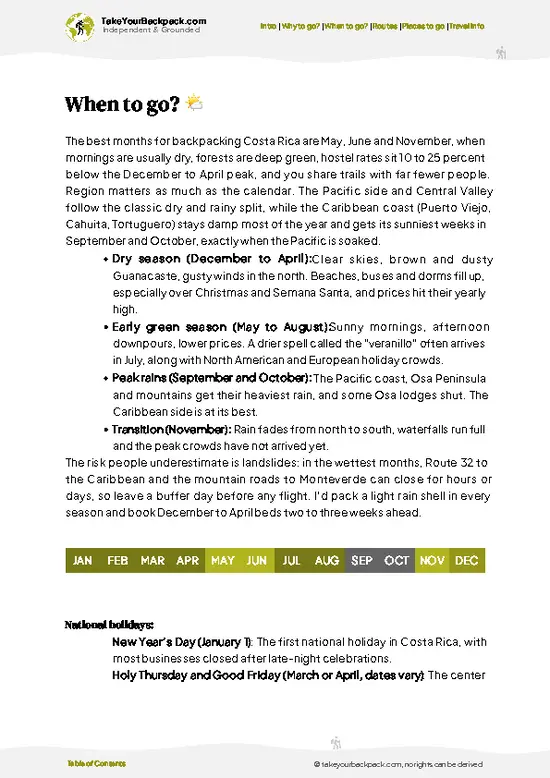
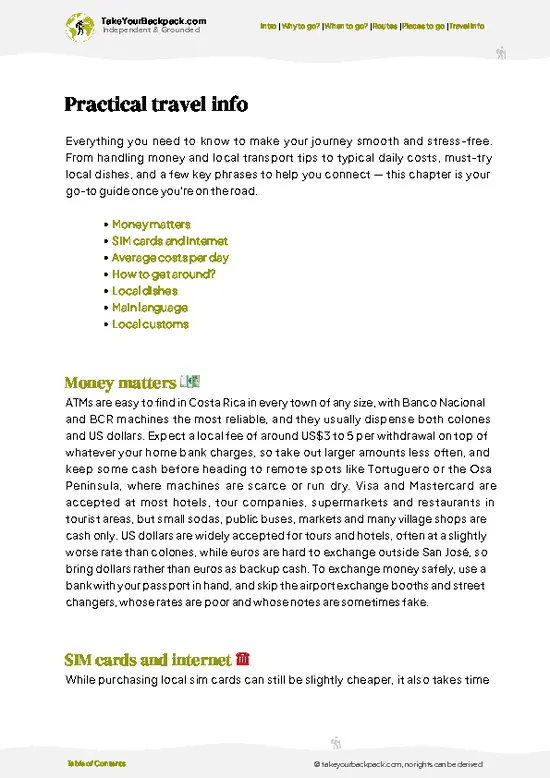
example page 0 from our offline Travel Guide for Costa Rica
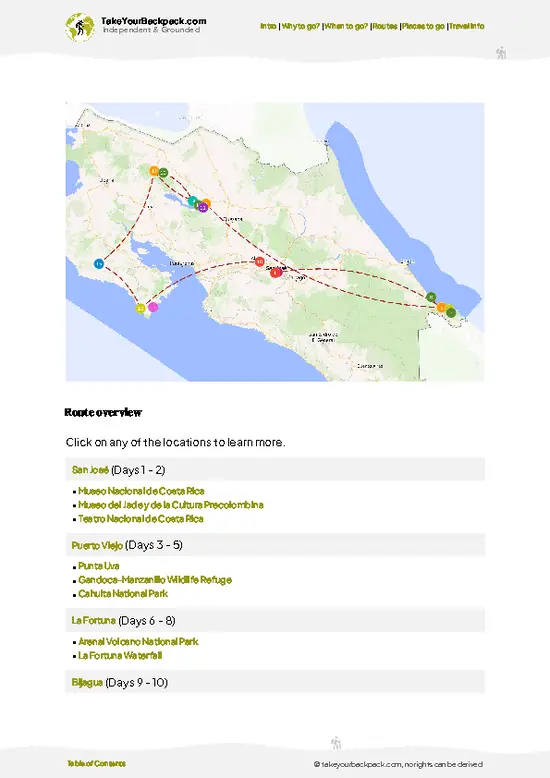
example page 1 from our offline Travel Guide for Costa Rica
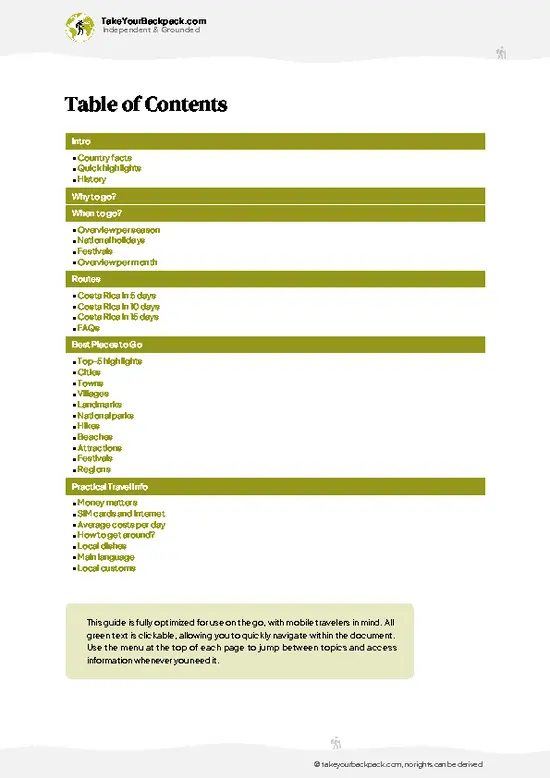
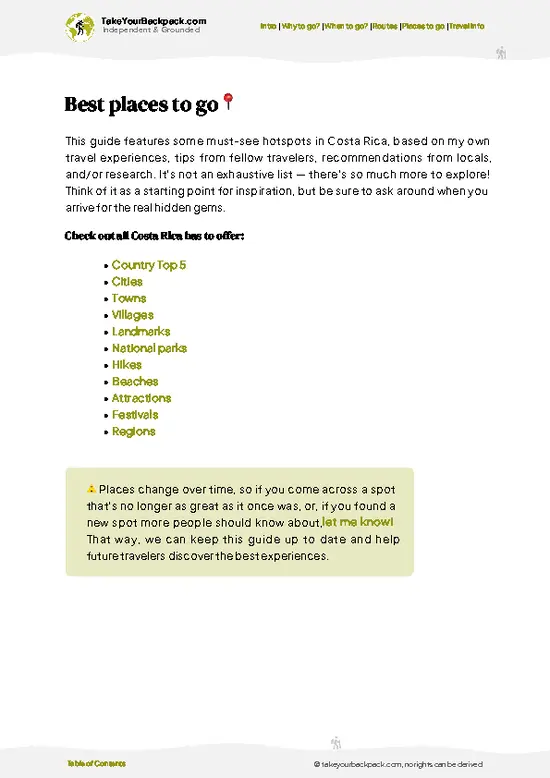
example page 2 from our offline Travel Guide for Costa Rica
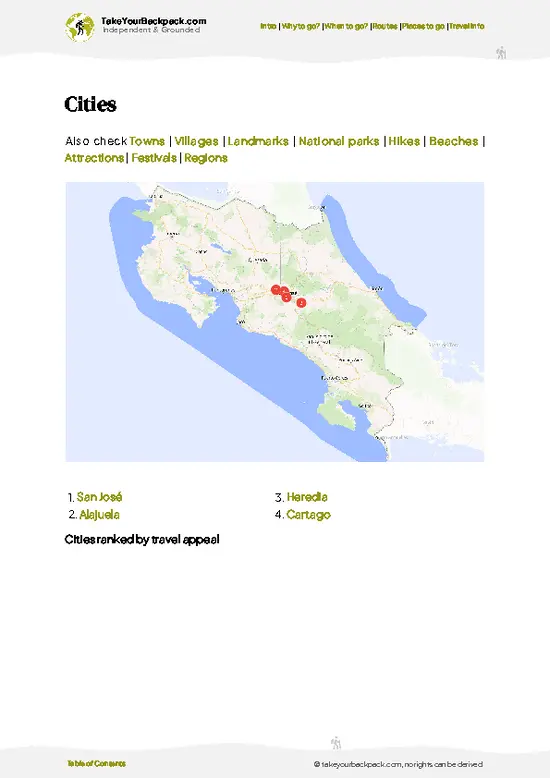
example page 3 from our offline Travel Guide for Costa Rica
example page 4 from our offline Travel Guide for Costa Rica
example page 5 from our offline Travel Guide for Costa Rica
example page 6 from our offline Travel Guide for Costa Rica
example page 7 from our offline Travel Guide for Costa Rica
The digital guide (372 pages) contains:
93 highlights, ranked by travel appeal
Optimized 5, 10 & 15-day travel routes
Cities, national parks, landmarks, beaches
How to get around
Offline-friendly for travel without Wi-Fi
👉 Click to see all 30+ guide features

📅 Plan smarter in minutes, not weeks
Month by month travel advice
Festivals & national holidays
Budget expectations

🗺️ Go to the right places, skip the overrated ones
Honest pros & cons of destinations
Top hikes, parks & viewpoints
Lesser-known places most travelers miss
Clear “worth it vs skip it” guidance

🛏️ Travel smoothly without rookie mistakes
Best areas to stay
Transport systems explained simply
Common scams & safety advice
SIM cards, money & practical tips

🌍 Understand the country, not just visit it
Culture & traditions
52 Essential phrases & customs
Festivals worth planning around
Traveler-friendly historical context
Insights that make places more meaningful

📱 Built for real travel conditions
Fully downloadable PDF
Works completely offline
Optimized for phone use
Useful in remote areas & buses
Everything in one place
Save weeks of stressful planning
Get instant access to your full guide. 30‑day money-back guarantee.


By proceeding you agree to our terms.
Sent to your inbox immediately after payment • 100% Secure Checkout
Best Backpacking Travel Advisor 2025 tourism awardBest Backpacking
Travel Advisor
2025
What others say about Take Your Backpack Guides:
⭐⭐⭐⭐⭐
Fantastic, amazing amount of information!
⭐⭐⭐⭐⭐
My goodness this is amazing, it's what I've been looking for hats off too you!
⭐⭐⭐⭐⭐
I think this is absolutely BRILLIANT
⭐⭐⭐⭐
Very complete and informative. It's still missing places, but I gotta to commend you
⭐⭐⭐⭐⭐
This is truly amazing, thank you, can't wait to explore it with my kids!
⭐⭐⭐⭐⭐
Awesome resource, thank you!
⭐⭐⭐⭐⭐
This is amazing! Can't wait to explore the ones I haven't seen
⭐⭐⭐⭐
I love this! Well done, great idea.
⭐⭐⭐⭐⭐
Thanks for taking the time to make this gem!
⭐⭐⭐⭐⭐
This might be the best website I've ever seen.
⭐⭐⭐⭐⭐
Congratulations, and thank you so much for your work; it's incredibly valuable.
⭐⭐⭐⭐
In all seriousness I think you did a great job pointing out the important spots
⭐⭐⭐⭐⭐
10/10 very good
⭐⭐⭐⭐⭐
As someone who's only just starting to visit regularly this is awesome, thank you.
⭐⭐⭐⭐
Thank you very much! I'm going to visit my dad, it's going to be very useful!
⭐⭐⭐⭐⭐
This is really cool! We'll be travelling for the first time and this definitely come in handy.
⭐⭐⭐⭐⭐
You are now our minister of culture, congratulations 👨‍💼
⭐⭐⭐⭐⭐
Just wanted to tell you that this is a pearl! Going to follow your recommendations.
⭐⭐⭐⭐⭐
This is so cool. I'll definitely be using the resource for my travels soon.
⭐⭐⭐⭐⭐
This is very impressive! Good work.
⭐⭐⭐⭐⭐
This is an amazing and informative site. Very well done!

🛏️ Where to stay?Best areas and accommodation options

Cocos Island National Park is remote, so options for staying overnight are limited. There are no accommodations directly on the island itself. Most visitors stay in Costa Rica’s mainland towns, like Puntarenas or San José, before embarking on a boat trip to the island.

Puntarenas offers budget hostels and mid-range hotels, making it a practical base. Expect to pay for the boat ride, which can be pricey, so budget accordingly.

For a more immersive experience, consider liveaboard dive boats that operate around the island. They provide a unique way to explore the marine life while ensuring you’re … read more 👉
Cocos Island National Park is remote, so options for staying overnight are limited. There are no accommodations directly on the island itself. Most visitors stay in Costa Rica’s mainland towns, like Puntarenas or San José, before embarking on a boat trip to the island.

Puntarenas offers budget hostels and mid-range hotels, making it a practical base. Expect to pay for the boat ride, which can be pricey, so budget accordingly.

For a more immersive experience, consider liveaboard dive boats that operate around the island. They provide a unique way to explore the marine life while ensuring you’re close to the action. Just remember, plan ahead; spots fill quickly, especially during peak seasons.

👛 Costs (as of 21 September 2025)How expensive it really is

Cocos Island National Park is a remote paradise, but getting there and exploring it can come with significant costs.

First, you’ll need to consider transportation. A round-trip boat ride from Costa Rica’s mainland to the island typically ranges from $400 to $600 USD. This price can vary based on the operator and the season.

Once on the island, there’s a park entrance fee of around $15 USD. This fee helps maintain the park and its unique ecosystems.

Accommodations are limited. If you’re camping, expect to pay about $10 to $20 USD per night for a basic spot. If you prefer a more structured experience, some tour operators offer packages that include lodging, meals, and guided activities, which can range from $800 to $1,500 USD for a multi-day trip.

Food options are sparse and often included … read more 👉
Cocos Island National Park is a remote paradise, but getting there and exploring it can come with significant costs.

First, you’ll need to consider transportation. A round-trip boat ride from Costa Rica’s mainland to the island typically ranges from $400 to $600 USD. This price can vary based on the operator and the season.

Once on the island, there’s a park entrance fee of around $15 USD. This fee helps maintain the park and its unique ecosystems.

Accommodations are limited. If you’re camping, expect to pay about $10 to $20 USD per night for a basic spot. If you prefer a more structured experience, some tour operators offer packages that include lodging, meals, and guided activities, which can range from $800 to $1,500 USD for a multi-day trip.

Food options are sparse and often included in tour packages. If you’re self-catering, budget around $10 to $20 USD per meal for basic supplies.

Plan for additional costs like gear rentals if you’re diving or hiking. Dive trips can run from $100 to $200 USD per dive, depending on the operator and equipment.

In summary, a visit to Cocos Island can easily add up. Budget wisely to ensure you can enjoy the island’s natural beauty without financial stress.


source: costarica.com
⚠️ Prices can change and everyone travels differently, so take this as a rough guide. Hope it helps you plan your adventure!

🥾 TrailsTrail guide for Cocos Island national park

Cocos Island National Park is a hidden gem, perfect for those who crave adventure. The island is mostly rugged and remote, boasting lush rainforests, dramatic cliffs, and stunning coastlines. The terrain can be challenging, with steep inclines and muddy paths, but the payoff is worth it. You might spot dolphins, turtles, and even the occasional shark while hiking along the coastal trails.

One of the standout trails is Sendero Los Patos. Here’s the scoop:
  • Length: 10 km
  • Estimated Duration: 4-5 hours
  • Difficulty Level: Moderate
  • Key Features: This trail takes you through dense forest, past waterfalls,
read more 👉
Cocos Island National Park is a hidden gem, perfect for those who crave adventure. The island is mostly rugged and remote, boasting lush rainforests, dramatic cliffs, and stunning coastlines. The terrain can be challenging, with steep inclines and muddy paths, but the payoff is worth it. You might spot dolphins, turtles, and even the occasional shark while hiking along the coastal trails.

One of the standout trails is Sendero Los Patos. Here’s the scoop:
  • Length: 10 km
  • Estimated Duration: 4-5 hours
  • Difficulty Level: Moderate
  • Key Features: This trail takes you through dense forest, past waterfalls, and offers breathtaking views of the ocean.
  • Terrain: Expect a mix of muddy paths, rocky sections, and some steep climbs.

Getting to Cocos Island isn’t a walk in the park—literally. You’ll need to hop on a boat from the mainland, typically from Puntarenas, which can take around 36 hours. Public transport options are limited, so consider booking a tour that includes the boat ride. It can get crowded, especially during peak seasons, so plan ahead if you want a more tranquil experience. There’s also an entrance fee, which helps with conservation efforts, so be prepared for that when budgeting your trip.
⚠️ Hiking info can sometimes be outdated or inaccurate. Before you hit the trail, check the latest conditions with locals. If you do spot anything that's off, I'd love to hear from you, so I can update it for fellow travelers.

🛡️ SafetyStaying Safe: What Travelers Should Know

Cocos Island National Park is generally well-managed, but a few realities can catch you off guard. The weather can shift quickly; be prepared for sudden rain and humidity. Trails vary in steepness and can be muddy, so sturdy footwear is essential. Navigation can be tricky, especially in dense foliage, so a reliable map or GPS is a must.

Wildlife encounters are common, but keep your distance—observe, don’t provoke. Lastly, pack light but smart; extra water and snacks can make a difference. Stay aware, pace yourself, and enjoy the journey.

Other Costa Rican national parks near Cocos Island

Explore more nearby:

  • Corcovado—primary rainforest, scarlet macaws, tapirs, remote trails| 510 km away
  • Manuel Antonio National Park—pocket beaches, capuchin monkeys, short trails, coastal viewpoints| 537 km away
  • Carara National Park—transitional forest, scarlet macaws, crocodile river, accessible trails| 545 km away

💡 Not sure where to go next?
Create a personalized itinerary for Costa Rica including Cocos Island and the places that fit your trip.

Generate my itinerary

👉 Discover all national parks

Or checkout all Costa Rica has to offer (think cities, towns, villages, national parks, hikes, beaches, festivals)
Country photo of Costa Rica

We 💚 feedbackFinal thoughts on exploring Cocos Island

Cocos Island National Park is a paradise for divers, with vibrant marine life that feels like stepping into another world. But be prepared: getting there isn’t easy. The remote location means limited access and higher costs. Plan ahead to make the most of your adventure without draining your budget.

✈️ When did I visit Costa Rica?
Cost Rica I visited during my half year trip through South and Central America back in 2003

✍️ Help improve this page!
The information on this page is based on my own backpacking experience in Costa Rica, supplemented with up-to-date research and feedback from other travelers. Travel details can change, so if you notice anything outdated or incomplete, feel free to let me know.


🙋‍♂️ Give feedback

👋 Meet the founderWho’s Behind Take Your Backpack?

Johan, backpacker and founder of TakeYourBackpackHi, I’m Johan (Netherlands 🇳🇱), the creator of TakeYourBackpack. Over the past decade, I’ve backpacked through 80+ countries across six continents, gaining extensive experience with independent travel, long-term trips, and overland routes.

This site is built on a combination of firsthand travel experience and carefully curated insights from other backpackers. Many guides are based on places I’ve personally visited, while others bring together tips, observations, and practical advice shared by trusted travelers I’ve met along the way.

The goal is to provide realistic, experience-driven guidance — not generic itineraries — so you can explore destinations with better context, clearer expectations, and more confidence.

Get full Costa Rica guide •
Instant download • 93 highlights • Full Offline guide