How many parks to visit: I advise
three to five parks on a typical two-week trip. Each needs a dawn start, a guide for at least part of the visit, and a recovery afternoon in damp, humid heat. Beyond five you are mostly collecting entry stamps. Fewer, longer visits beat a checklist, because wildlife shows itself slowly.
Which kind to prioritize: Choose by travel style. If you want
easy and social, pick parks near San José and the northwest, with regular buses, paved access and plenty of hostels. If you want
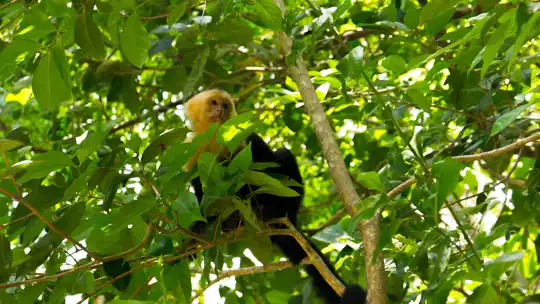
wildlife density, put your time and money into one remote lowland rainforest or a Pacific south park. If you want
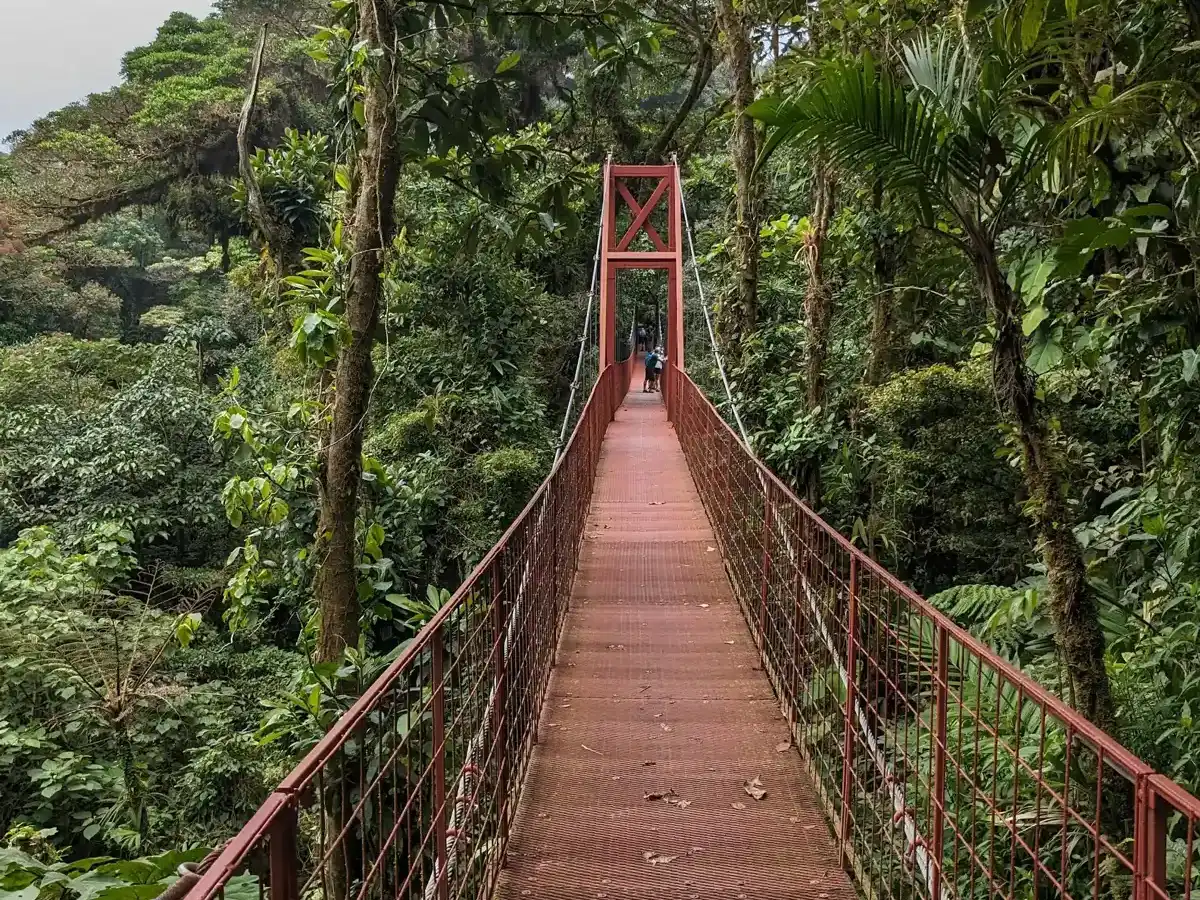
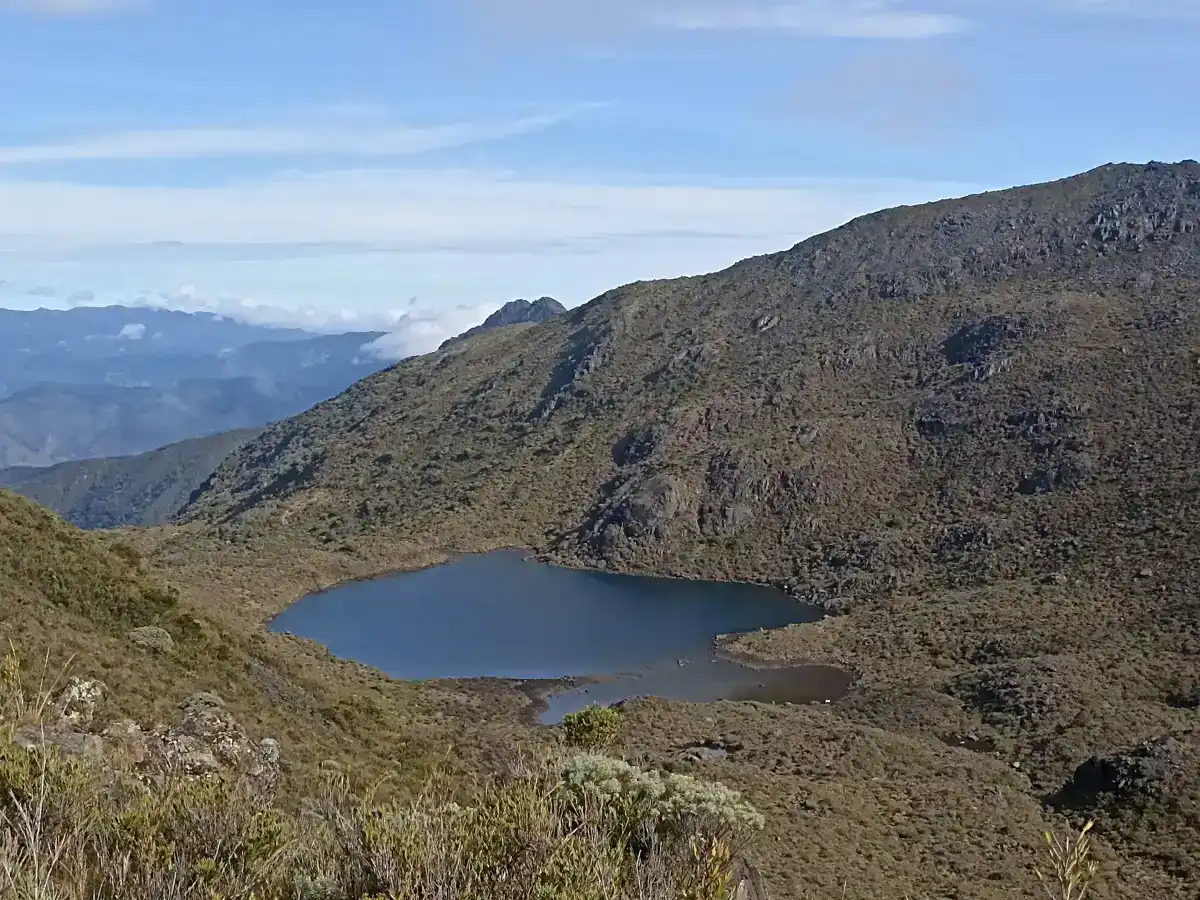
cool air and birds, add a highland cloud forest. Skip the most famous park if it forces a midday slot, since crowds and heat flatten the experience. A volcano park in cloud …
read more 👉 How many parks to visit: I advise three to five parks on a typical two-week trip. Each needs a dawn start, a guide for at least part of the visit, and a recovery afternoon in damp, humid heat. Beyond five you are mostly collecting entry stamps. Fewer, longer visits beat a checklist, because wildlife shows itself slowly.
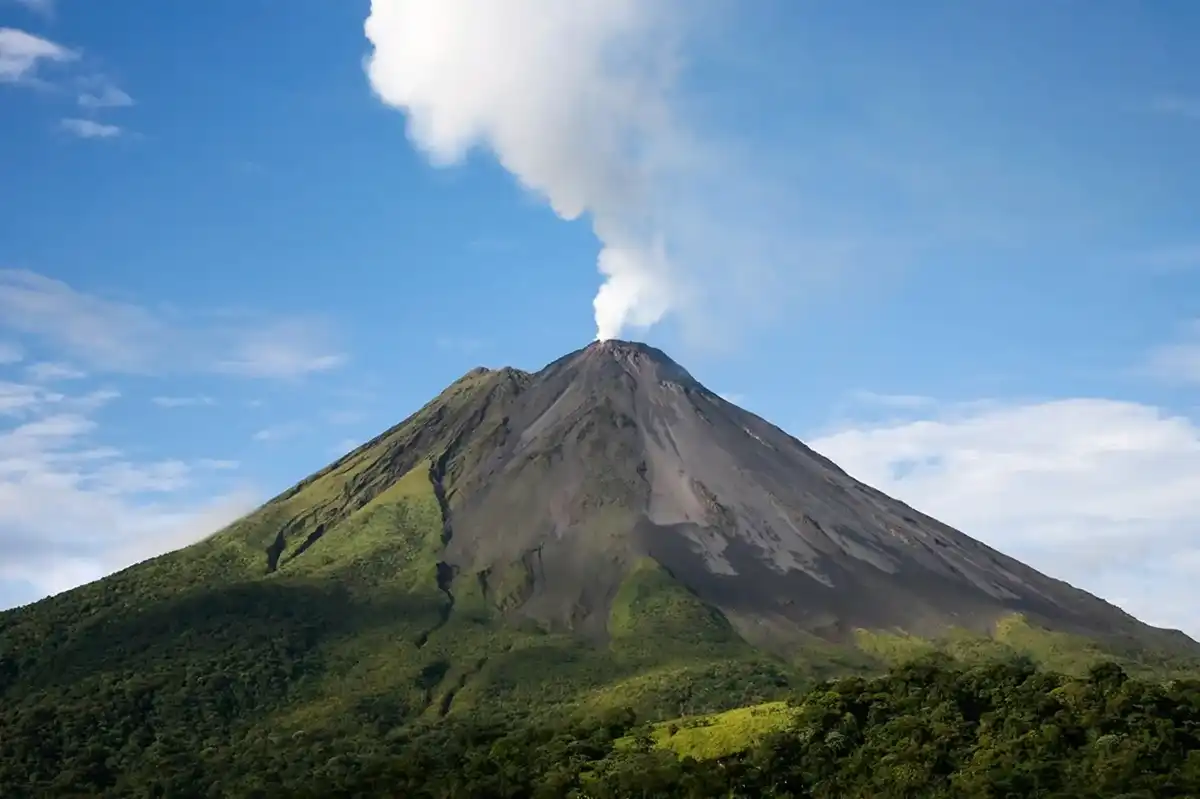
Which kind to prioritize: Choose by travel style. If you want easy and social, pick parks near San José and the northwest, with regular buses, paved access and plenty of hostels. If you want wildlife density, put your time and money into one remote lowland rainforest or a Pacific south park. If you want cool air and birds, add a highland cloud forest. Skip the most famous park if it forces a midday slot, since crowds and heat flatten the experience. A volcano park in cloud is worth skipping unless you can wait a day for clear weather.
Costs: Budget US$45 to 90 a day for a mid-level backpacker covering dorms, local meals, buses and a park visit, and US$30 to 45 if you skip tours. Foreigner entry runs about US$5 to 18 per park, with some at the top of that range. Guides cost about US$25 to 60 per person on shared walks, or US$100 to 200 for private half-days. Shuttles or buses to park gates cost US$5 to 30, and boats to remote parks more. Carry a card, since not every gate takes cash.
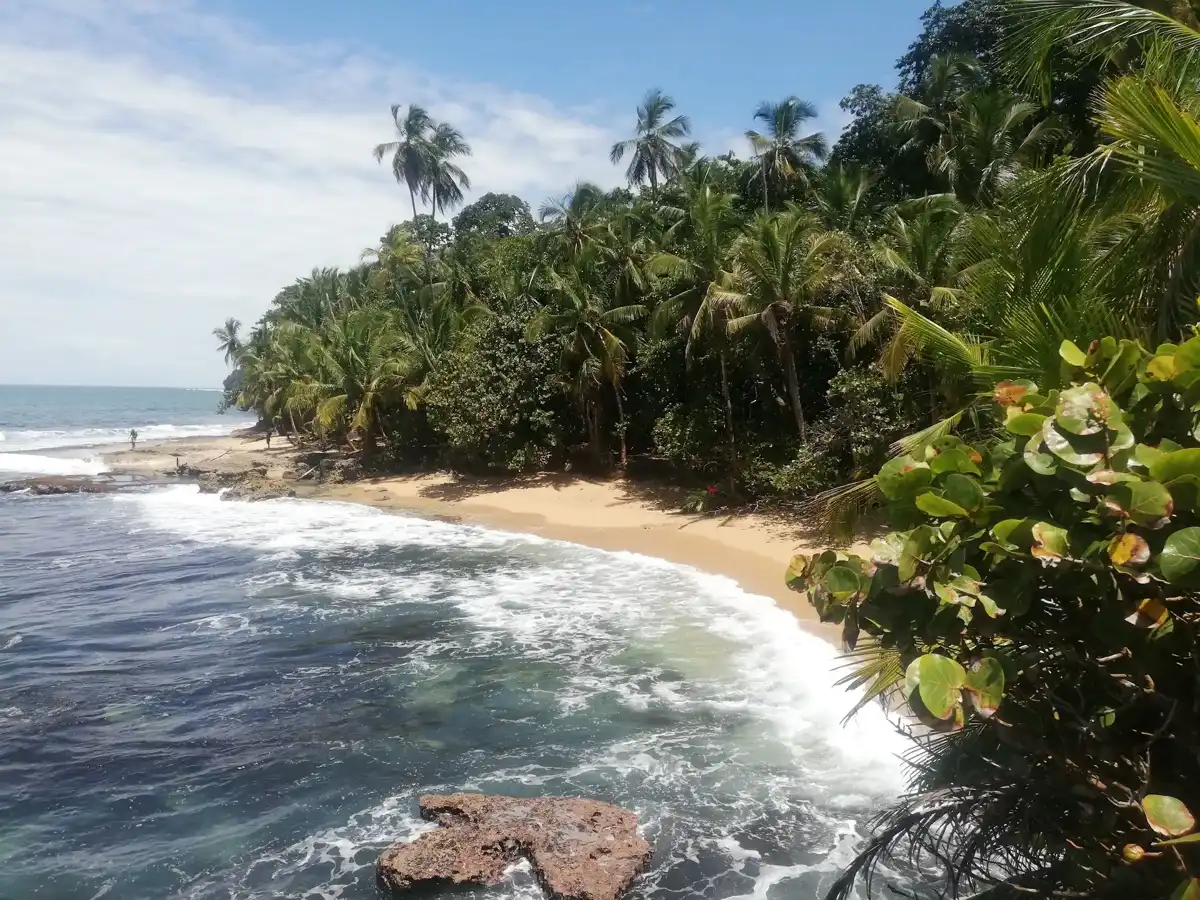
Safety and etiquette: The real risks are heat, rip currents and rivers. Drink 3 liters a day, wear closed shoes, and never swim at park beaches without a posted all-clear. Rip currents are the leading cause of tourist drownings. Check river levels in green season, and never cross flooded fords. Snakes are rare but present, so watch where you place hands and feet. Petty theft from parked cars and bus racks is common outside park gates, so keep valuables with you.
Follow park rules strictly. Do not feed animals, stay on trails, and keep your distance from wildlife. Drones are banned, and single-use plastics are discouraged. Rangers and guides are local professionals, so tip 10 to 15 percent for a good guide. Arrive with a printed or saved ticket, and carry your passport, since some gates ask for ID.
v2.webp)



 Best Backpacking
.jpg) Hi, I’m Johan (Netherlands 🇳🇱), the creator of TakeYourBackpack. Over the past 3 decades, I’ve backpacked through 90+ countries across six continents, gaining extensive experience with independent travel, long-term trips, and overland routes.
Hi, I’m Johan (Netherlands 🇳🇱), the creator of TakeYourBackpack. Over the past 3 decades, I’ve backpacked through 90+ countries across six continents, gaining extensive experience with independent travel, long-term trips, and overland routes.