×

Costa Rica🇨🇷 | beachesTamarindo BeachLearner waves, estuary wildlife, leatherback nesting, sunset drum circles | things to do and best time to go

Explore SámaraExplore Playas del Coco

Backpacking in Tamarindo Beach
🌟 Highlightbeach ranked #4
By Johan Kruseman 🇳🇱 | Updated October 23, 2026

The first thing that hit me was the sound: a dozen surfboards being waxed and slapped onto car roofs, then the hiss of the shore break over gray-brown sand. I walked off the dusty main road and saw boats bobbing on the water and sandals everywhere. Tamarindo Beach sits on the Pacific coast in the northwest of Costa Rica, in Guanacaste. The swimming is good in the calm mornings, and the beginner surf is worth your time. The sunsets are the best free show here. The sand is coarse and darker than postcard beaches, and the town behind it is crowded with shops, traffic and resort prices that I would not spend money on. Snorkeling is poor. Cheap sodas and hostels exist a few blocks inland. You will like it most if you want lessons, nightlife and easy logistics. Skip it if you want empty sand.

Discover everything you want to know in the 📖 Costa Rica Travel Guide.


example page 0 from our offline Travel Guide for Costa Rica
example page 1 from our offline Travel Guide for Costa Rica
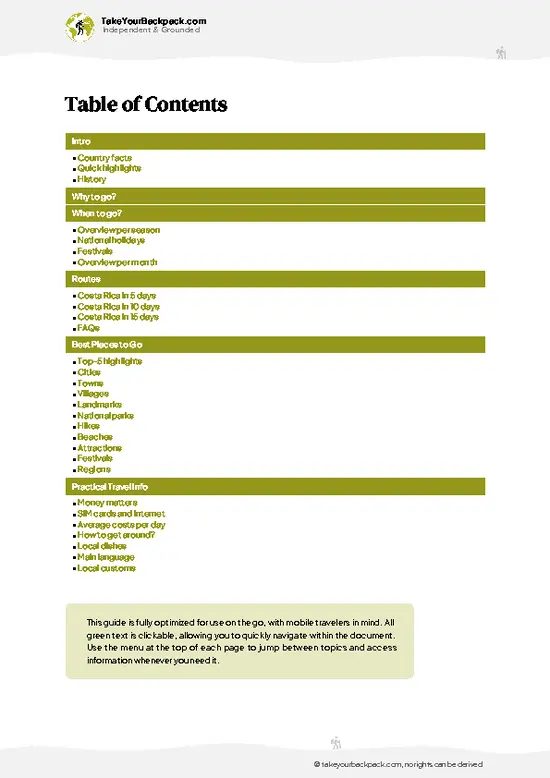
example page 2 from our offline Travel Guide for Costa Rica
example page 3 from our offline Travel Guide for Costa Rica
example page 4 from our offline Travel Guide for Costa Rica
example page 5 from our offline Travel Guide for Costa Rica
example page 6 from our offline Travel Guide for Costa Rica
example page 7 from our offline Travel Guide for Costa Rica
Loading the map 🌍
CLICK TO FILTER
cities
towns
villages
landmarks
national parks
hikes
beaches
attractions
festivals
regions
SHOW COUNTRY’S BESTSHOW ALL

✨ Why go?
Ranked #4 beach in Costa Rica
Why Tamarindo Beach should be on your travel list

Tamarindo Beach earns its stop because the surf here is forgiving. Beginners paddle out on the sandy-bottom break right in front of town, and rental boards and lessons sit within a short walk of the water, so you can be standing up on a wave your first afternoon. The second draw is the social side. Hostels fill with surfers and remote workers, and sunset on the sand turns into the daily meeting point, with drummers, volleyball games and travelers swapping route plans over cold drinks. Tamarindo Beach also works as a hub. It is the place to stock up on groceries, change money and book tours before heading to quieter coves such as Playa Grande across the estuary, which is famous for nesting leatherback turtles. Prices run higher than most of the country, so cook at a hostel kitchen and use the … read more 👉
Tamarindo Beach earns its stop because the surf here is forgiving. Beginners paddle out on the sandy-bottom break right in front of town, and rental boards and lessons sit within a short walk of the water, so you can be standing up on a wave your first afternoon. The second draw is the social side. Hostels fill with surfers and remote workers, and sunset on the sand turns into the daily meeting point, with drummers, volleyball games and travelers swapping route plans over cold drinks. Tamarindo Beach also works as a hub. It is the place to stock up on groceries, change money and book tours before heading to quieter coves such as Playa Grande across the estuary, which is famous for nesting leatherback turtles. Prices run higher than most of the country, so cook at a hostel kitchen and use the supermarkets, then spend your money on lessons and the better restaurants.

💡 HighlightsDon't-miss highlights and experiences

  1. Surfing the main break: This is what Tamarindo Beach is known for. Gentle waves over sand make it a reliable place to learn, and intermediate surfers can paddle to the river-mouth peaks when the swell picks up.
  2. Sunset on the beach: The sun drops straight into the Pacific, and the whole town drifts down to the sand. Bring a drink, watch the surfers silhouette against the glow and stay for the drum circles.
  3. Playa Grande turtle nesting: Across the estuary, leatherbacks nest in the Las Baulas national park from roughly October to February. Visits are guided and at night only, with no lights or cameras allowed.
  4. Estuary boat or paddleboard trip: The mangrove-lined Tamarindo estuary at the north end of the beach holds herons, crocodiles and howler monkeys. Go early in the morning when the water is flat
… read more 👉
  1. Surfing the main break: This is what Tamarindo Beach is known for. Gentle waves over sand make it a reliable place to learn, and intermediate surfers can paddle to the river-mouth peaks when the swell picks up.
  2. Sunset on the beach: The sun drops straight into the Pacific, and the whole town drifts down to the sand. Bring a drink, watch the surfers silhouette against the glow and stay for the drum circles.
  3. Playa Grande turtle nesting: Across the estuary, leatherbacks nest in the Las Baulas national park from roughly October to February. Visits are guided and at night only, with no lights or cameras allowed.
  4. Estuary boat or paddleboard trip: The mangrove-lined Tamarindo estuary at the north end of the beach holds herons, crocodiles and howler monkeys. Go early in the morning when the water is flat and the birds are active.
  5. Evening beach bars and live music: After dark the strip behind the sand fills with open-air bars, tacos and DJs. It is the liveliest nightlife in this part of the coast, and it stays loose and sandal-friendly.
For a first visit, take a surf lesson in the morning, then return for the sunset.
Spotted a mistake or missing something? Contact us.

Things to do around Tamarindo Beach

Ratings based on Tripadvisor reviews. When you book through this link, you support our work at no extra cost to you.

🌤️ When to go?Weather, crowds, and seasonal trade-offs

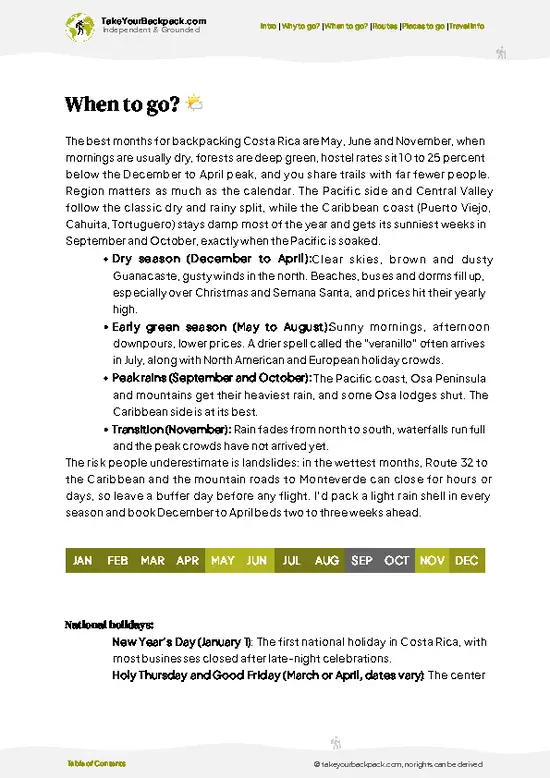
  • Dry Season (December to April): Tamarindo gets almost no rain, with days of 31 to 35°C (88 to 95°F) and nights near 23°C (73°F). Sun is strong, seas are glassy some days, and about 11 to 12 hours of light make for long beach days. Crowds peak at Christmas and Easter, and beds cost the most.
  • Green Season (May to November): Mornings are usually bright, then clouds build and storms roll in after lunch. Highs run 29 to 33°C (84 to 91°F). Swell is more consistent for surf, the town is quiet, and rooms and lessons often drop 20 to 40 percent.
  • September and October: The wettest stretch, with rain most days and some dirt roads turning to mud. Rates hit their lowest, and some restaurants close for a few weeks.
  • Early July: A short drier spell often shows up, with decent weather and low prices.
Book Christmas … read more 👉
  • Dry Season (December to April): Tamarindo gets almost no rain, with days of 31 to 35°C (88 to 95°F) and nights near 23°C (73°F). Sun is strong, seas are glassy some days, and about 11 to 12 hours of light make for long beach days. Crowds peak at Christmas and Easter, and beds cost the most.
  • Green Season (May to November): Mornings are usually bright, then clouds build and storms roll in after lunch. Highs run 29 to 33°C (84 to 91°F). Swell is more consistent for surf, the town is quiet, and rooms and lessons often drop 20 to 40 percent.
  • September and October: The wettest stretch, with rain most days and some dirt roads turning to mud. Rates hit their lowest, and some restaurants close for a few weeks.
  • Early July: A short drier spell often shows up, with decent weather and low prices.
Book Christmas week and Easter at least two months ahead, or arrive in November for good weather and thin crowds.


source: climatestotravel.comJANJanuary: excellent for travelingFEBFebruary: excellent for travelingMARMarch: excellent for travelingAPRApril: highly recommended for travelingMAYMay: highly recommended for travelingJUNJune: good for travelingJULJuly: good for travelingAUGAugust: good for travelingSEPSeptember: fair for travelingOCTOctober: fair for travelingNOVNovember: highly recommended for travelingDECDecember: excellent for traveling
costa-rica-beach-tamarindo-beach
© Google | Gustavo Esquivel

✈️ The backpacker research shortcutCosta Rica Travel Guide

An offline-friendly backpacking guide with optimized travel routes, ranked highlights, transport advice, and the best areas to stay.
example page 0 from our offline Travel Guide for Costa Rica
example page 1 from our offline Travel Guide for Costa Rica
example page 2 from our offline Travel Guide for Costa Rica
example page 3 from our offline Travel Guide for Costa Rica
example page 4 from our offline Travel Guide for Costa Rica
example page 5 from our offline Travel Guide for Costa Rica
example page 6 from our offline Travel Guide for Costa Rica
example page 7 from our offline Travel Guide for Costa Rica
The digital guide (287 pages) contains:
✅ 90 highlights, ranked by travel appeal
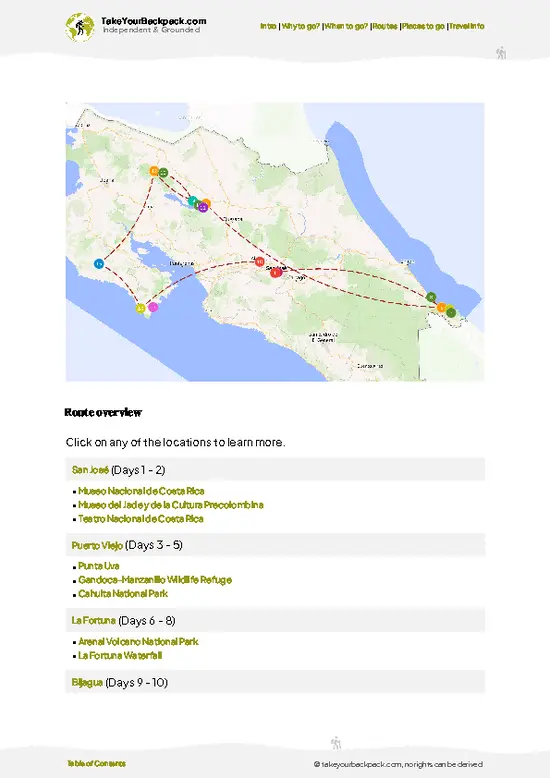
✅ Optimized 5, 10 & 15-day travel routes
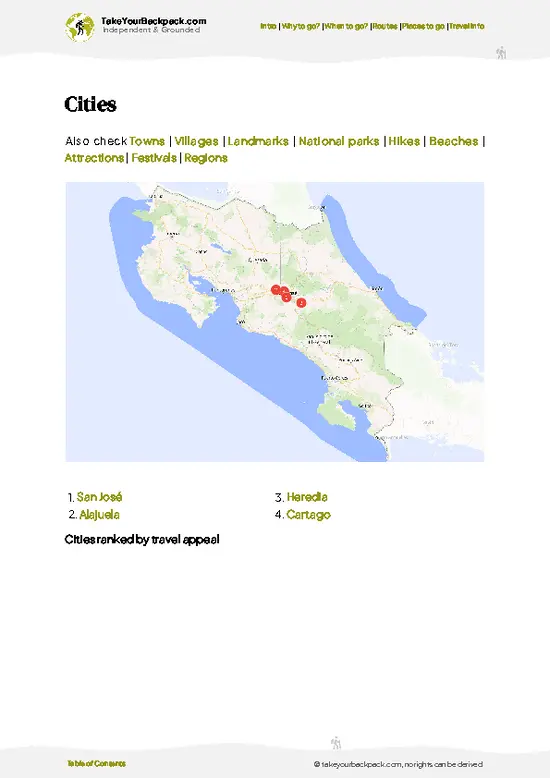
✅ Cities, national parks, landmarks, beaches
✅ How to get around
✅ Offline-friendly for travel without Wi-Fi
👉 Click to see all 30+ guide features

📅 Plan smarter in minutes, not weeks
✅ Month by month travel advice
✅ Festivals & national holidays
✅ Budget expectations

🗺️ Go to the right places, skip the overrated ones
✅ Honest pros & cons of destinations
✅ Top hikes, parks & viewpoints
✅ Lesser-known places most travelers miss
✅ Clear “worth it vs skip it” guidance

🛏️ Travel smoothly without rookie mistakes
✅ Best areas to stay
✅ Transport systems explained simply
✅ Common scams & safety advice
✅ SIM cards, money & practical tips

🌍 Understand the country, not just visit it
✅ Culture & traditions
✅ 52 Essential phrases & customs
✅ Festivals worth planning around
✅ Traveler-friendly historical context
✅ Insights that make places more meaningful

📱 Built for real travel conditions
✅ Fully downloadable PDF
✅ Works completely offline
✅ Optimized for phone use
✅ Useful in remote areas & buses
✅ Everything in one place
Stop searching, start planning
Get instant access to your full guide. 30‑day money-back guarantee.
+ Add another guide for just

By proceeding you agree to our terms.
Sent to your inbox immediately after payment • 100% Secure Checkout
Best Backpacking Travel Advisor 2025 tourism awardBest Backpacking
Travel Advisor
2025
What others say about Take Your Backpack Guides:
⭐⭐⭐⭐⭐
Fantastic, amazing amount of information!
⭐⭐⭐⭐⭐
My goodness this is amazing, it's what I've been looking for hats off too you!
⭐⭐⭐⭐⭐
I think this is absolutely BRILLIANT
⭐⭐⭐⭐
Very complete and informative. It's still missing places, but I gotta to commend you
⭐⭐⭐⭐⭐
This is truly amazing, thank you, can't wait to explore it with my kids!
⭐⭐⭐⭐⭐
Awesome resource, thank you!
⭐⭐⭐⭐⭐
This is amazing! Can't wait to explore the ones I haven't seen
⭐⭐⭐⭐
I love this! Well done, great idea.
⭐⭐⭐⭐⭐
Thanks for taking the time to make this gem!
⭐⭐⭐⭐⭐
This might be the best website I've ever seen.
⭐⭐⭐⭐⭐
Congratulations, and thank you so much for your work; it's incredibly valuable.
⭐⭐⭐⭐
In all seriousness I think you did a great job pointing out the important spots
⭐⭐⭐⭐⭐
10/10 very good
⭐⭐⭐⭐⭐
As someone who's only just starting to visit regularly this is awesome, thank you.
⭐⭐⭐⭐
Thank you very much! I'm going to visit my dad, it's going to be very useful!
⭐⭐⭐⭐⭐
This is really cool! We'll be travelling for the first time and this definitely come in handy.
⭐⭐⭐⭐⭐
You are now our minister of culture, congratulations 👨‍💼
⭐⭐⭐⭐⭐
Just wanted to tell you that this is a pearl! Going to follow your recommendations.
⭐⭐⭐⭐⭐
This is so cool. I'll definitely be using the resource for my travels soon.
⭐⭐⭐⭐⭐
This is very impressive! Good work.
⭐⭐⭐⭐⭐
This is an amazing and informative site. Very well done!

🛏️ Where to stay?Best areas to stay in Costa Rica

The best area for backpackers is the center of Tamarindo, between the main beachfront road and the roundabout, where you can walk to sand, surf shops and restaurants in five minutes. Staying here means you can leave your bike or rental car behind, and it is where most solo travelers end up meeting others. Dorm beds generally run US$15 to 30 a night, and private rooms start around US$45 to 80 in the dry season.
Playa Langosta, a short walk or a US$3 to 5 taxi ride south, is calmer and residential. It suits people wanting quiet sleep and a cleaner, less crowded stretch of sand, though there is less … read more 👉
The best area for backpackers is the center of Tamarindo, between the main beachfront road and the roundabout, where you can walk to sand, surf shops and restaurants in five minutes. Staying here means you can leave your bike or rental car behind, and it is where most solo travelers end up meeting others. Dorm beds generally run US$15 to 30 a night, and private rooms start around US$45 to 80 in the dry season.
Playa Langosta, a short walk or a US$3 to 5 taxi ride south, is calmer and residential. It suits people wanting quiet sleep and a cleaner, less crowded stretch of sand, though there is less social energy and fewer cheap eats.
Playa Grande to the north, reached across the estuary mouth at low tide or by road, offers a more relaxed surf-focused scene with fewer party crowds. Accommodation there tends toward small guesthouses and basic cabinas, with stronger waves and long beach walks.
If you want nightlife, stay close to the central strip. For early surf sessions and sleep, pick the edges. In peak months, the north end of the strip gets loud on weekends.

🛡️ SafetyScams, Hazards, and Annoyances

Tamarindo Beach is a well-used, generally safe beach, and most problems come from sun, waves and unattended bags. The main beach in front of town has moderate surf with sandbars, and rips form near the river mouth at the north end and around rocky patches at high tide. Swim where locals and surf schools are, and stay clear of the estuary, where currents are strong and crocodiles are occasionally seen. Beginners do best in the middle of the bay, ideally an hour or two either side of low tide. Lifeguards are not consistently posted, so judge conditions yourself. Sun here is intense, so cover up between 10 am and 2 pm. Stingrays are rare, but shuffling your feet in shallow water is a sensible habit. Theft from bags and parked cars is the real risk, so carry only essentials onto the sand and never … read more 👉
Tamarindo Beach is a well-used, generally safe beach, and most problems come from sun, waves and unattended bags. The main beach in front of town has moderate surf with sandbars, and rips form near the river mouth at the north end and around rocky patches at high tide. Swim where locals and surf schools are, and stay clear of the estuary, where currents are strong and crocodiles are occasionally seen. Beginners do best in the middle of the bay, ideally an hour or two either side of low tide. Lifeguards are not consistently posted, so judge conditions yourself. Sun here is intense, so cover up between 10 am and 2 pm. Stingrays are rare, but shuffling your feet in shallow water is a sensible habit. Theft from bags and parked cars is the real risk, so carry only essentials onto the sand and never leave valuables in a car. Evenings are lively and normally fine, but walk back to your lodging in groups on dark, unlit side streets.

FAQFrequently asked questions about Tamarindo Beach

Most travelers reach Tamarindo Beach by road from Liberia, about 1 to 1.5 hours (75 km) away, after landing at Daniel Oduber Quirós Airport. Shuttles from Liberia cost roughly US$30 to 60 per person, while a taxi runs US$70 to 100. From San José the drive takes 4.5 to 5.5 hours, and public buses via Santa Cruz or Liberia take longer, usually 5 to 6 hours for US$10 to 15.
Tamarindo Beach is best known for surfing, with beginner-friendly beach breaks and plenty of schools offering lessons at around US$50 to 80 for a group session. Swimming is good in the central bay on calm days, but avoid the estuary mouth at the north end because of rips and crocodiles. Snorkeling is limited at the beach itself, so book a boat trip to nearby reefs such as Catalina Islands, usually US$70 to 120.
Yes, Tamarindo Beach is free to visit, as all Costa Rican beaches are public up to the high tide line. You pay only for extras such as parking, which can be US$3 to 10 a day at some lots, plus chairs, umbrellas and surf board rentals around US$10 to 20. Showers and lockers near the beachfront cost a few dollars.
⚠️ Things can change over time, so always validate details locally before you go.

Other Costa Rican beaches near Tamarindo Beach

Explore more nearby:

  • Playa Conchal—Crushed-shell sand, northern rock snorkeling, shallow bay, walk from Brasilito| 11 km away
  • Playa Matapalo (Guanacaste)—Riu resort frontage, dark coarse sand, calm warm water, west-facing sunsets| 27 km away
  • Playas del Coco—Dive shops, Catalina manta rays, Bat Islands sharks, fishing charters| 32 km away

💡 Not sure where to go next?
Create a personalized itinerary for Costa Rica including Tamarindo Beach and the places that fit your trip.

Generate my itinerary

👉 Discover all beaches

Or checkout all Costa Rica has to offer (think cities, towns, villages, national parks, hikes, beaches, festivals)
Country photo of Costa Rica

We 💚 feedbackKey takeaways before you go

Tamarindo Beach suits first-time surfers and travelers who want a social, easy base with good food and plenty of company. If you crave solitude or rock-bottom prices, you will find them better at the quieter beaches nearby. I would book a lesson early, eat inland and keep evenings for the sand.

✈️ When did I visit Costa Rica?
Costa Rica I visited during my half year trip through South and Central America back in 2003

✍️ Help improve this page!
The information on this page is based on my own backpacking experience in Costa Rica, supplemented with up-to-date research and feedback from other travelers. Travel details can change, so if you notice anything outdated or incomplete, feel free to let me know.


🙋‍♂️ Give feedback

👋 Meet the founderWho’s Behind Take Your Backpack?

Johan, backpacker and founder of TakeYourBackpackHi, I’m Johan (Netherlands 🇳🇱), the creator of TakeYourBackpack. Over the past 3 decades, I’ve backpacked through 90+ countries across six continents, gaining extensive experience with independent travel, long-term trips, and overland routes.

This site is built on a combination of firsthand travel experience and carefully curated insights from other backpackers. Many guides are based on places I’ve personally visited, while others bring together tips, observations, and practical advice shared by trusted travelers I’ve met along the way.

The goal is to provide realistic, experience-driven guidance — not generic itineraries — so you can explore destinations with better context, clearer expectations, and more confidence.